
The Old Botanical Garden
A baroque artillery bastion turned free public park.
Kathrin Leuenberger — CC BY-SA 3.0 · Roland zh — CC BY-SA 3.0 · Roland zh — CC BY-SA 3.0 · Roland zh — CC BY-SA 3.0
A scientific museum of social anthropology belonging to the University of Zurich, opened in **1889** and the third-oldest ethnographic museum in Switzerland; its holdings grew out of the collection of the Ethnographic Society founded in the city a year earlier. It keeps some **forty thousand objects** from across the continents, along with about forty thousand historical photographs and a film archive. What sets it apart is that it does not display "peoples" the way nineteenth-century museums did: it works openly on questions of **where the objects came from and their colonial context**, in collaboration with descendants of the communities they came from, and its exhibitions are temporary and focused on a single theme rather than encyclopaedic. A small, quiet museum you can read in an hour, not a march through endless halls. Half the pleasure is the setting: the building stands inside the **Old Botanical Garden**, originally the "zur Katz" artillery bastion of Zurich's baroque fortifications; it was dismantled in 1837 and a university botanical garden laid out in its place, and once the garden moved to its new site the ground became a public park, from 1976. At its centre is the octagonal **palm house** of cast iron (1877, replacing a wooden one of 1851), used now for concerts and exhibitions. Museum and park are both free, and both are minutes from the Bahnhofstrasse.
A baroque artillery bastion turned free public park.
An octagonal cast-iron dome dating from 1877.
It shows where objects came from, not just the objects.
Pelikanstrasse 40, 8001 Zurich
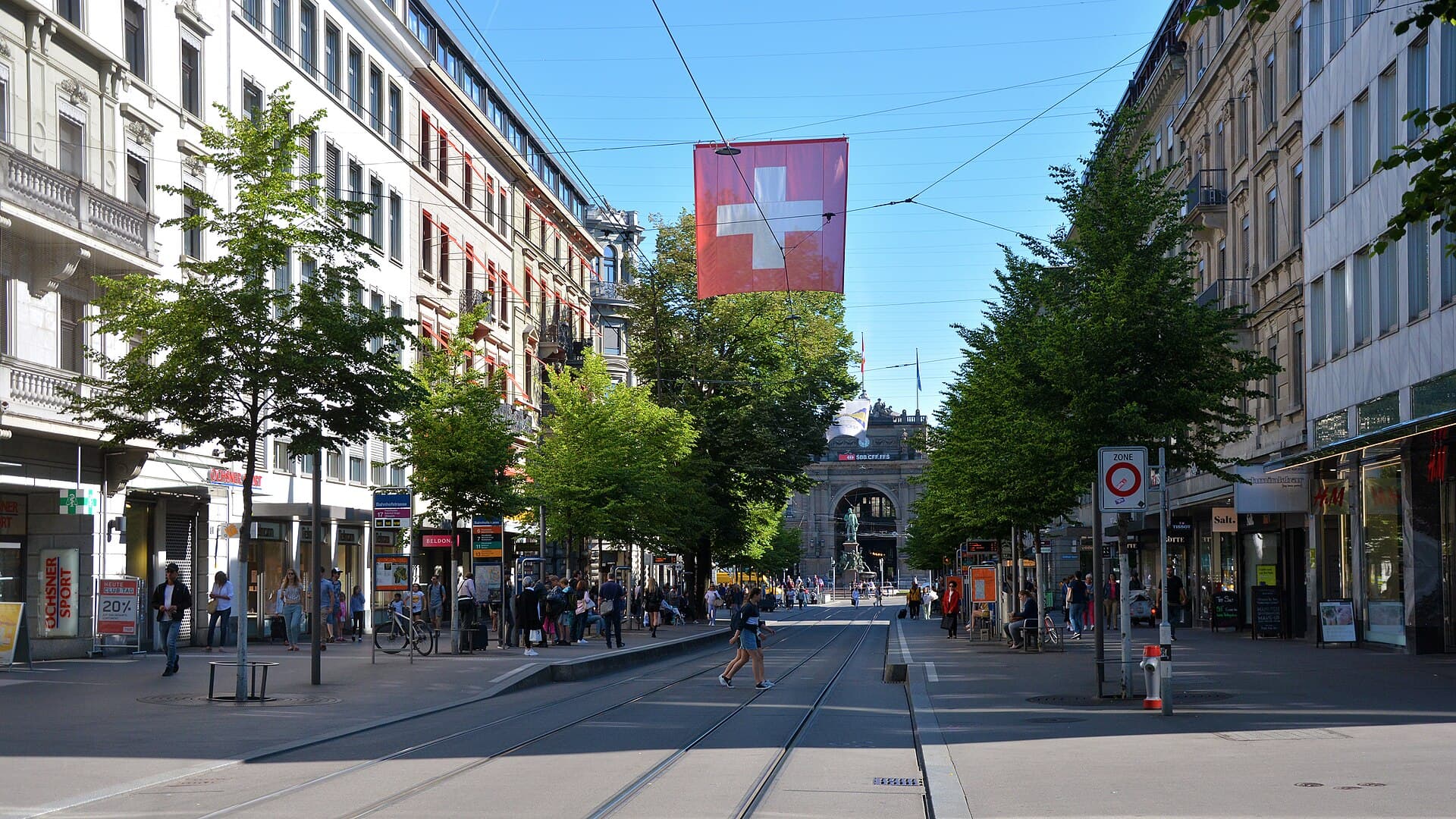 BahnhofstrasseZurich's main street: 1.4 kilometres running from the square in front of the cen6 minutes walk4.6
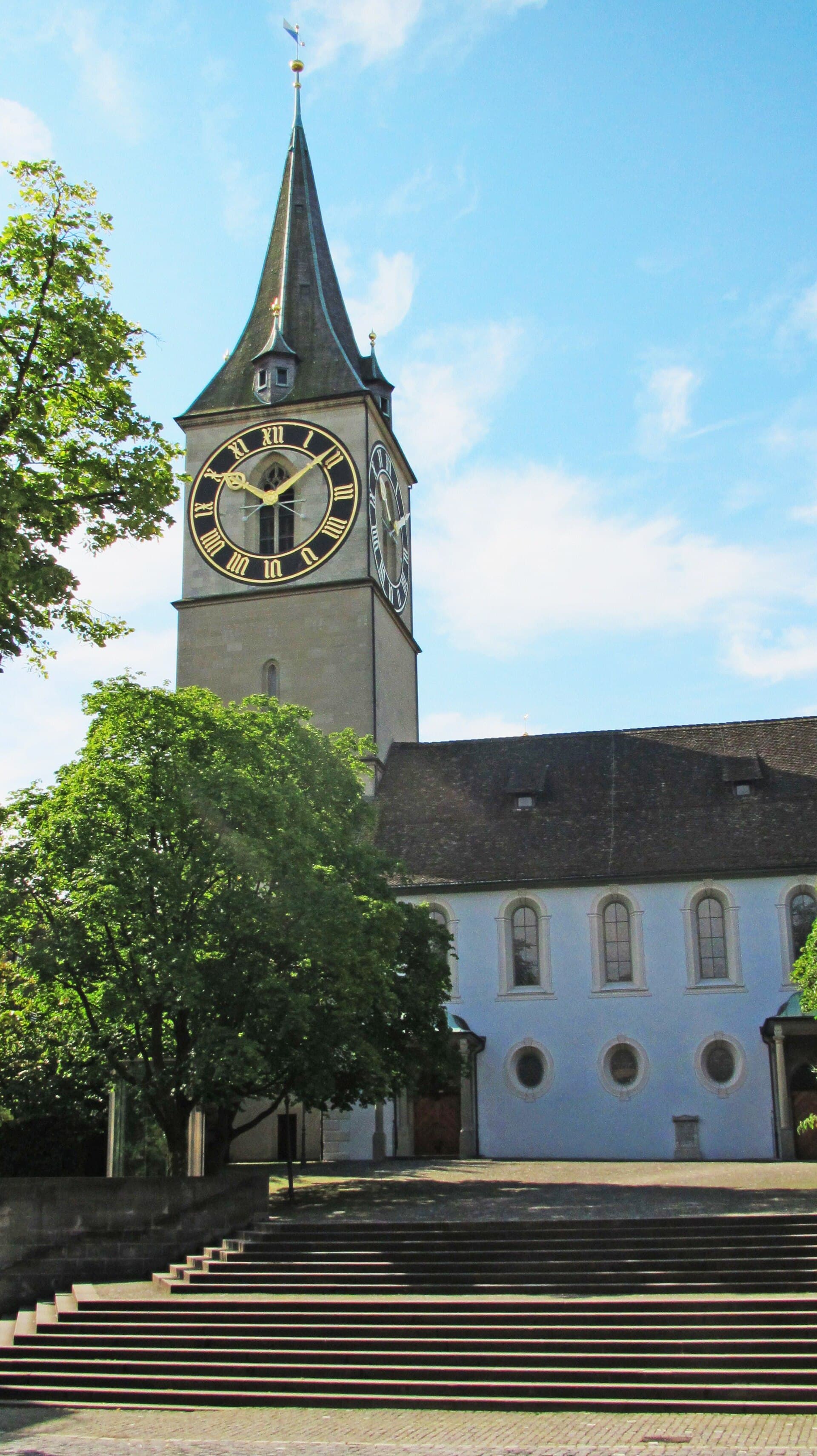 St. Peter's ChurchThis is Zurich's oldest parish church site: excavations beneath the choir have t6 minutes walk4.6
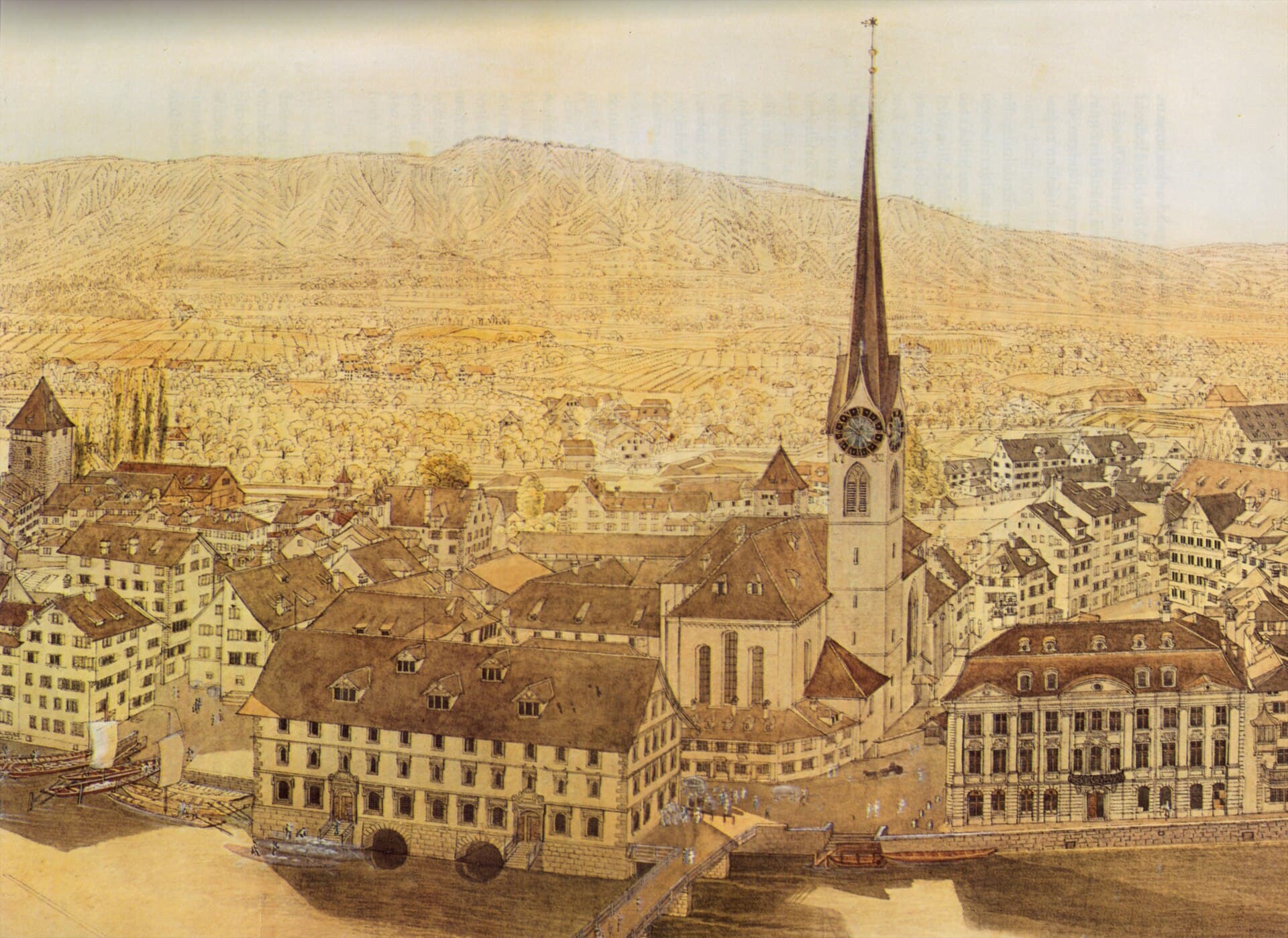 FraumünsterIts slim green spire is one of the best-known shapes on Zurich's skyline, but it7 minutes walk4.6
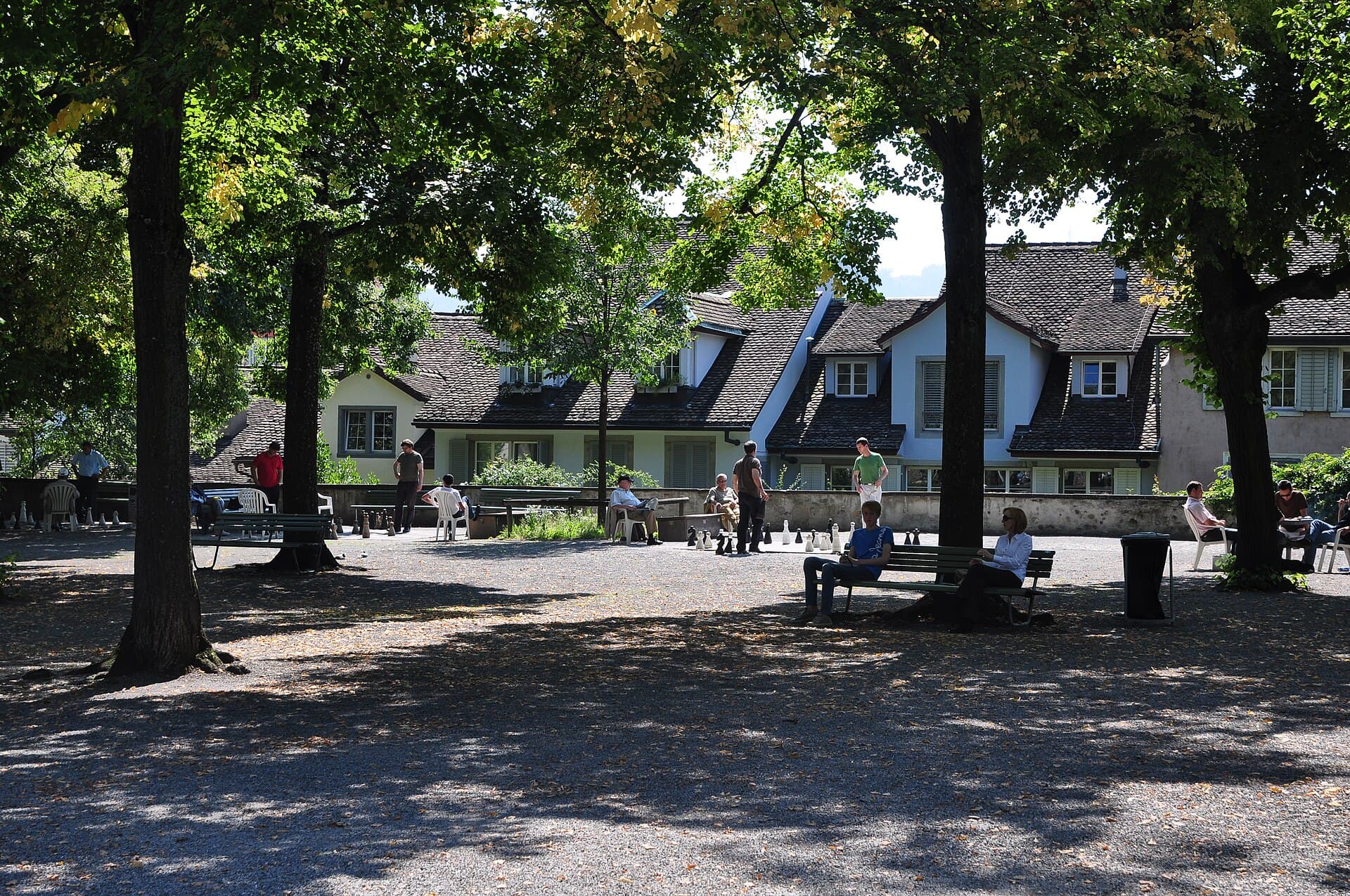 LindenhofThe Lindenhof is Zurich's mother hill: here Rome kept the customs fort Turicum t7 minutes walk4.8
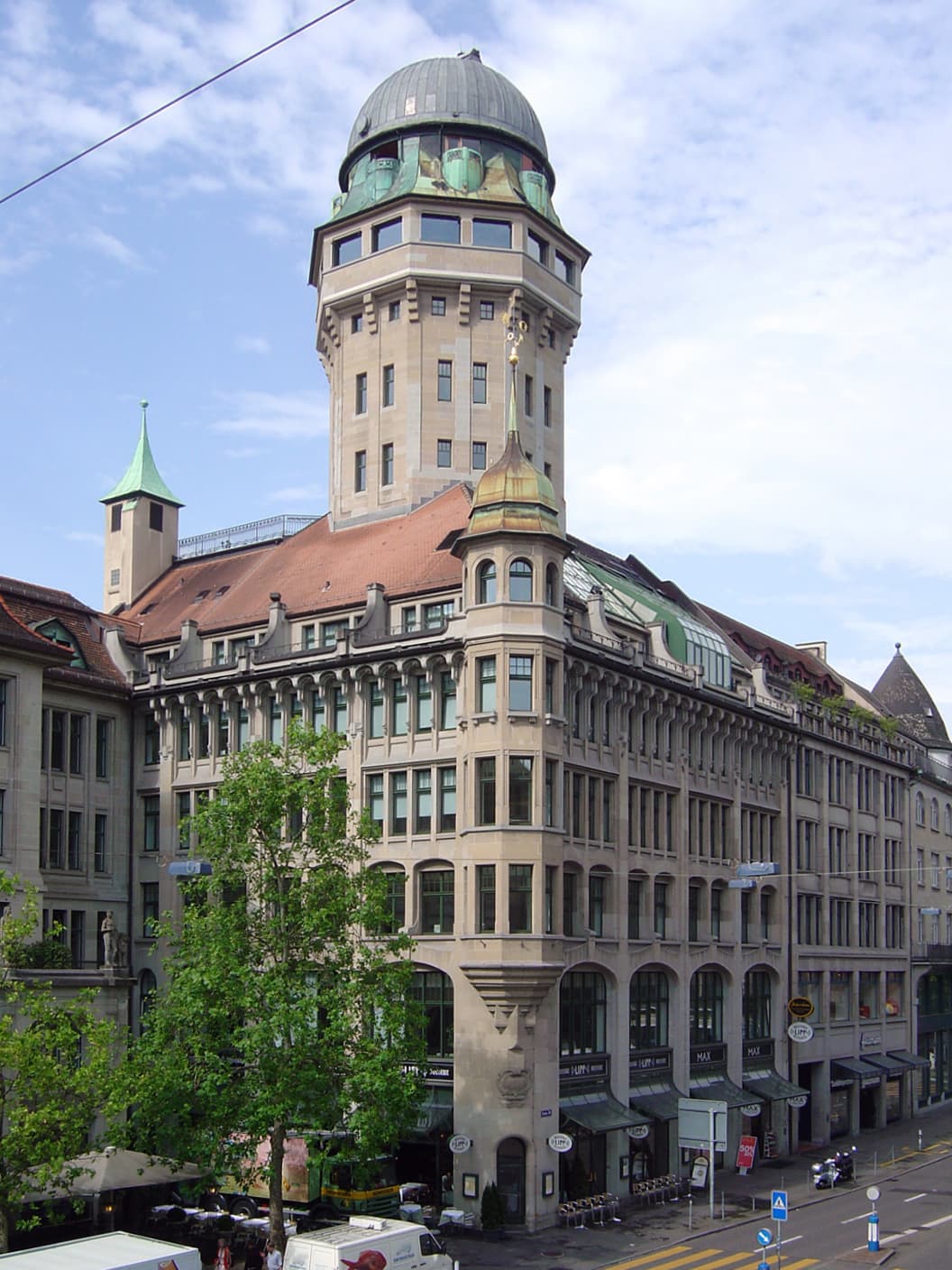 Urania ObservatoryA round tower rising some fifty metres above the western edge of Zurich's old to7 minutes walk4.4
With only one day in Zurich, no — the old town, the Grossmünster, the Kunsthaus and the lakeshore come first. But it is an excellent wet-day option, or a free pause in the middle of a long walking day: an hour covers it, and the park around it is one of the quietest spots in the centre, good for sitting or a packed lunch. And since it costs nothing, there is no loss in going in for twenty minutes and leaving.
The **Rietberg** is larger and artistically richer (Asian, African and American art in the lovely Rieterpark) but it is ticketed and wants half a day. This one is smaller, free and closer to the station, and its focus is anthropological — how societies live and how their objects reached Europe — rather than masterpieces. If art is your interest and you have time: Rietberg. If time or budget is tight: this one, without hesitation.