The tower view
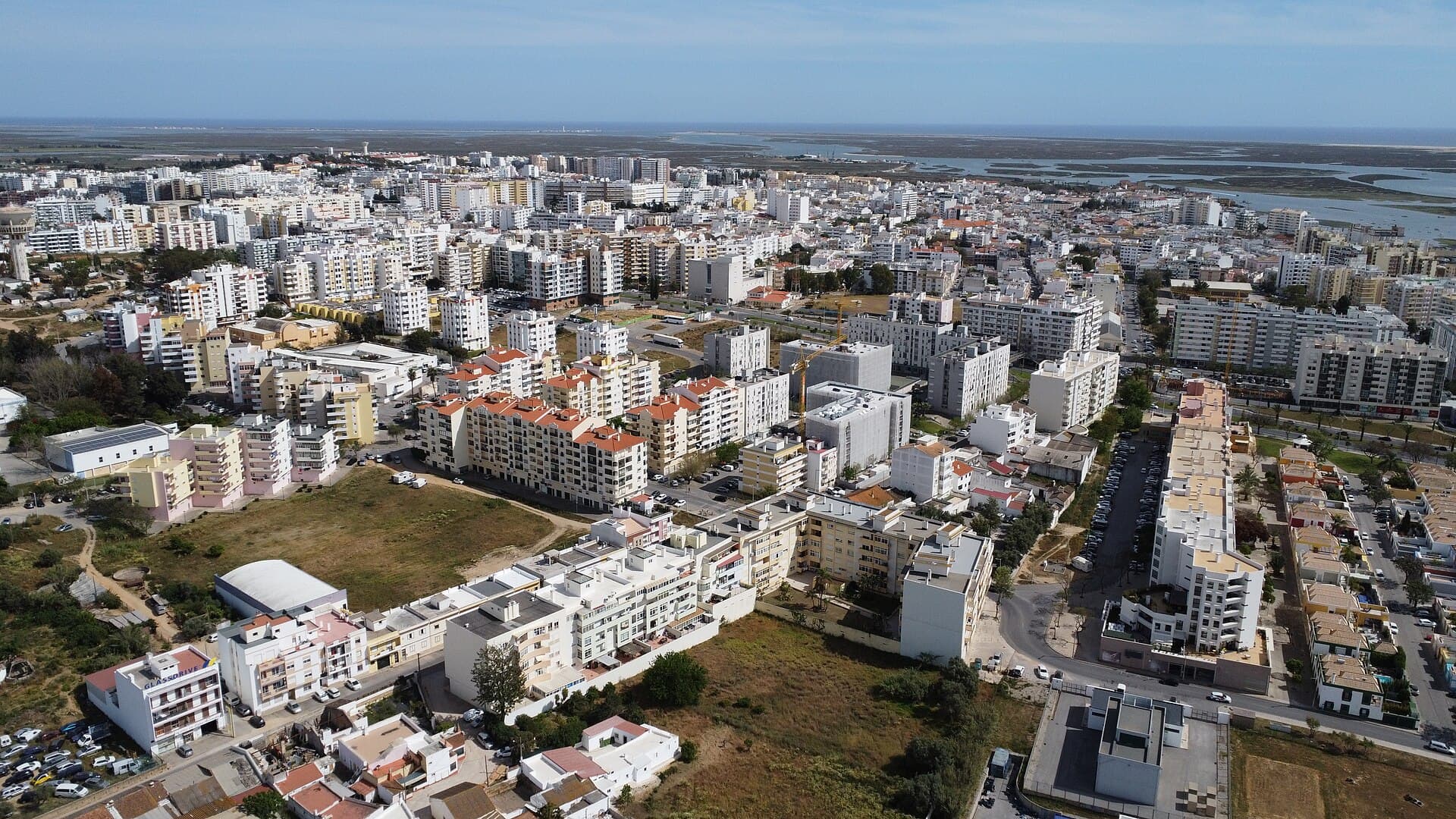
Storks below, Ria Formosa to the horizon.
Abrget47j — CC BY-SA 3.0 · Kritzolina — CC BY-SA 4.0 · Matt Kieffer from London, United Kingdom — CC BY-SA 2.0 · Benoît Prieur — CC0
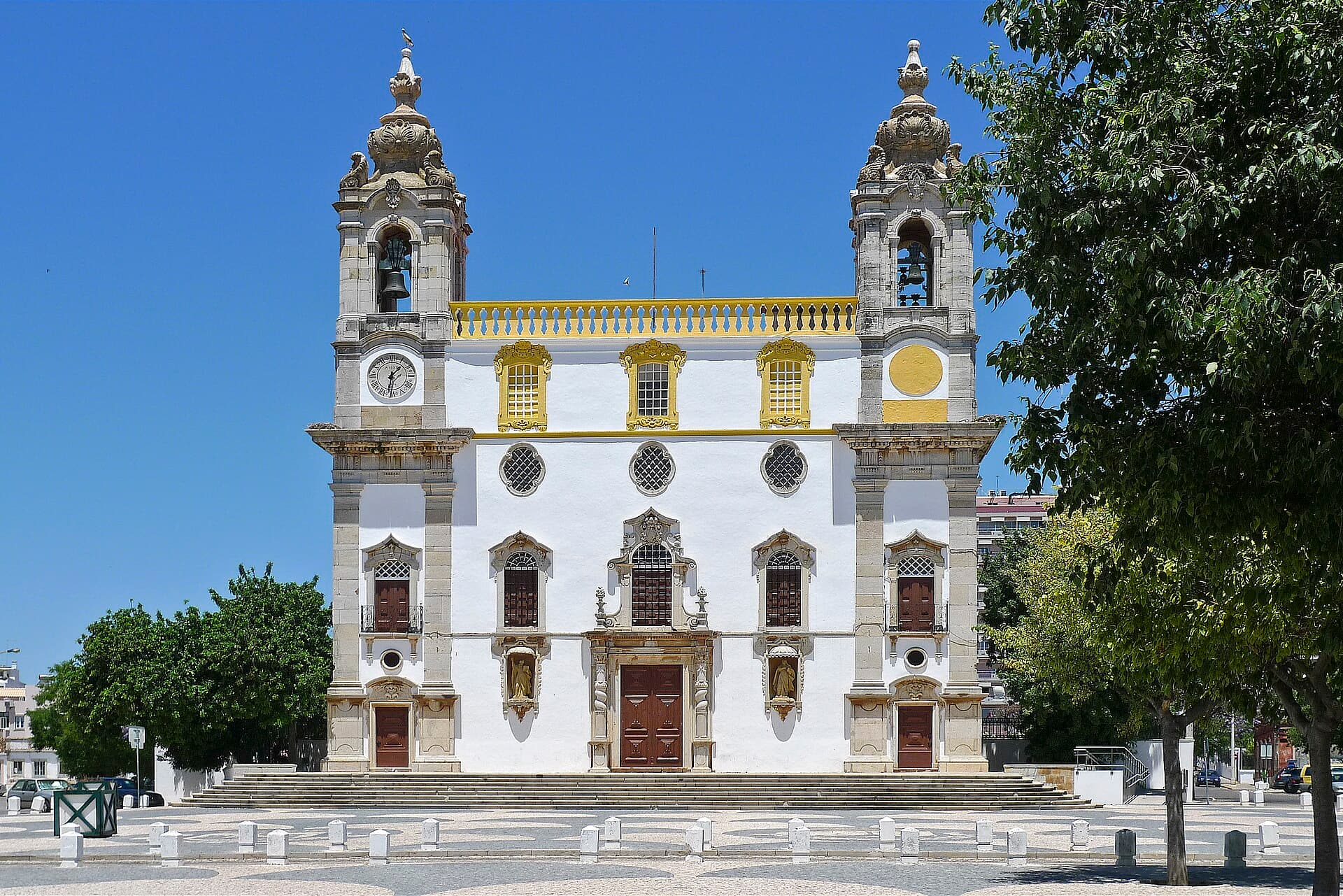
Faro's cathedral is the Algarve's layers as a building: raised (1251) straight upon the Friday mosque after the Reconquest — the mosque upon a Visigothic church upon a Roman temple, the site two thousand years of unbroken worship — sacked and burnt by Essex's English (1596), its interior an honestly scarred Gothic-baroque blend. Within are azulejo, gold, and a rare red chinoiserie organ (1751) — plus a small bone chapel in its garden (a thousand friars' skulls as mortality's reminder) for those missing the larger Carmo chapel. Its crown is the tower: a short stair opening Faro's finest view — the white town in its wall with the stork nests directly below, and the Ria Formosa stretched in sand islands to the horizon: the one picture explaining the whole Algarve's geography at a glance.
Storks below, Ria Formosa to the horizon.
Rare 1751 chinoiserie.
Largo da Sé, 8000-138 Faro
Shantamariyyat al-Gharb was an Andalusi town five centuries — the visible remainder: the Arab gate in the Arco da Vila, the wall footings, the municipal museum's pieces (inscriptions, ceramics), and the names themselves (Algarve = al-Gharb, the West). The cathedral over the mosque is the standard story — digs beneath confirming the mihrab's orientation.