
The moving petals
Opening and closing daily.
Beatrice Murch from Buenos Aires, Argentina — CC BY 2.0 · Deensel — CC BY 2.0 · Beatrice Murch from Buenos Aires, Argentina — CC BY 2.0
Floralis Genérica is a giant flower sculpture of steel and aluminium, 23 metres tall and weighing 18 tonnes, given to the city by the Argentine architect Eduardo Catalano in 2002. It stands in a reflecting pool in Plaza de las Naciones Unidas in Recoleta; Catalano said it was a synthesis of all flowers, and its name means that it represents every flower in the world. Its six petals were built to move, opening in the morning and closing at sunset on an electric system, when a red glow shines from within, and staying open on four special nights a year. In a storm in December 2023 two petals fell; the city spent two years repairing them with aerospace techniques, and the restored flower, with all six petals, was re-inaugurated with a festival in December 2025. The square is wide and wooded, with paths around the pool, close to the National Library and the Museum of Fine Arts. Come in the morning to see it open, or at sunset to watch it close.
Opening and closing daily.
Around the flower.
Tree-lined paths.
Plaza de las Naciones Unidas, Recoleta
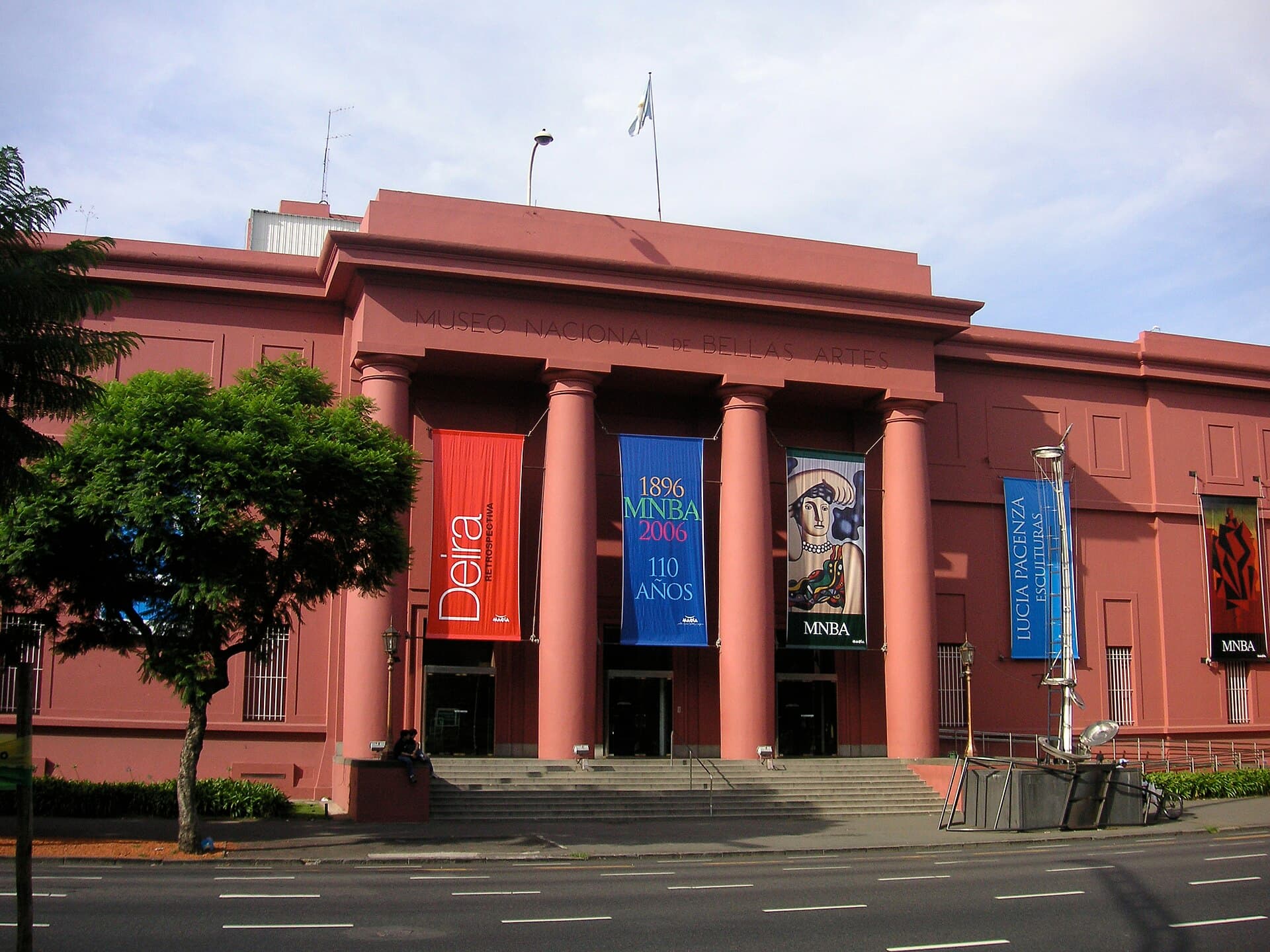 National Museum of Fine ArtsThe National Museum of Fine Arts is Argentina's leading art museum. It opened on3 minutes walk4.7
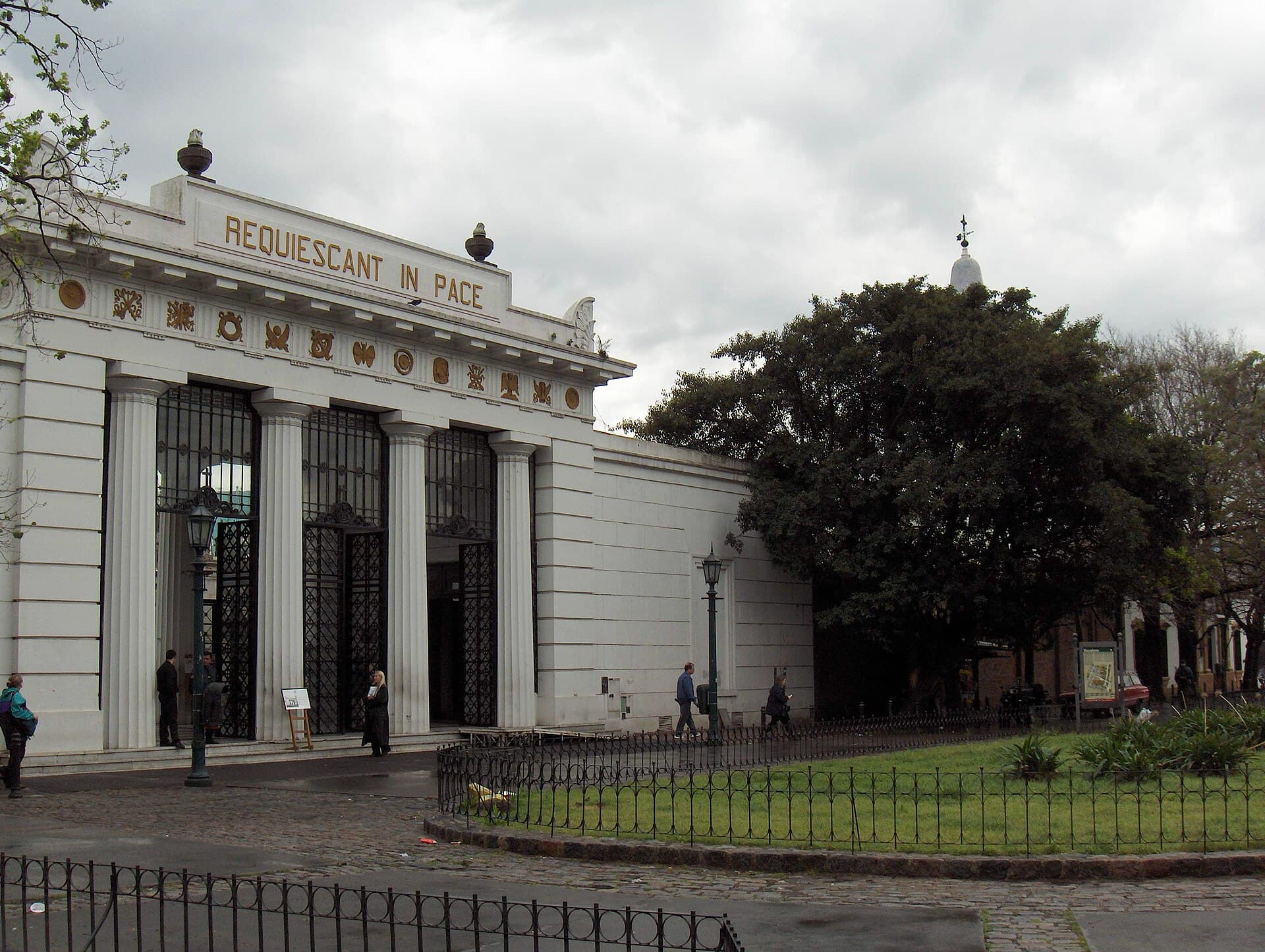 Recoleta CemeteryRecoleta Cemetery is one of the best-known sights in Buenos Aires. It opened on 8 minutes walk4.2
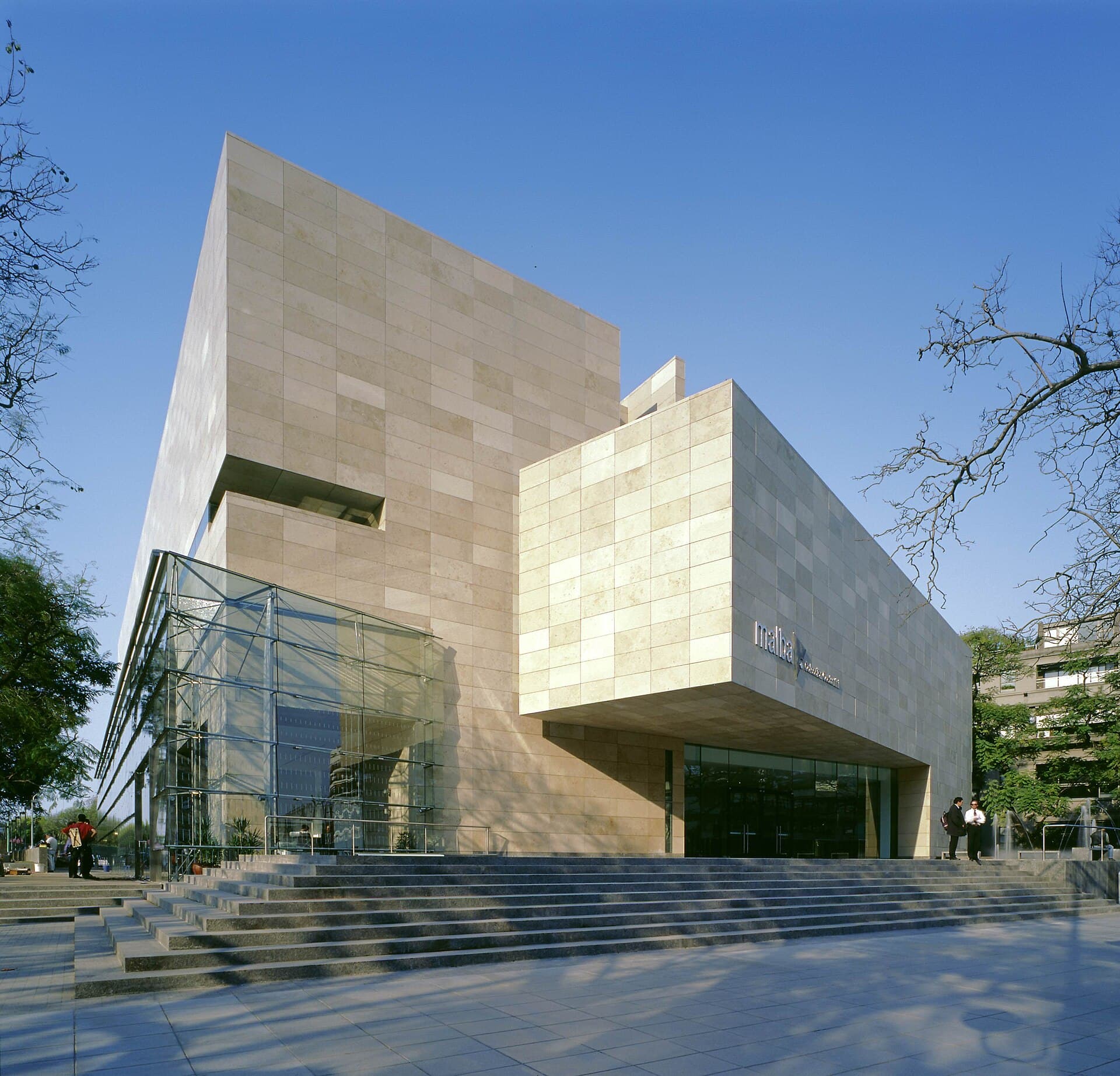 MALBA, Latin American Art MuseumMALBA, the Latin American Art Museum of Buenos Aires, opened on 21 September 20013 minutes walk4.5
 El Ateneo Grand SplendidEl Ateneo Grand Splendid is a bookshop inside an old theatre, named the world's 20 minutes walk4.7
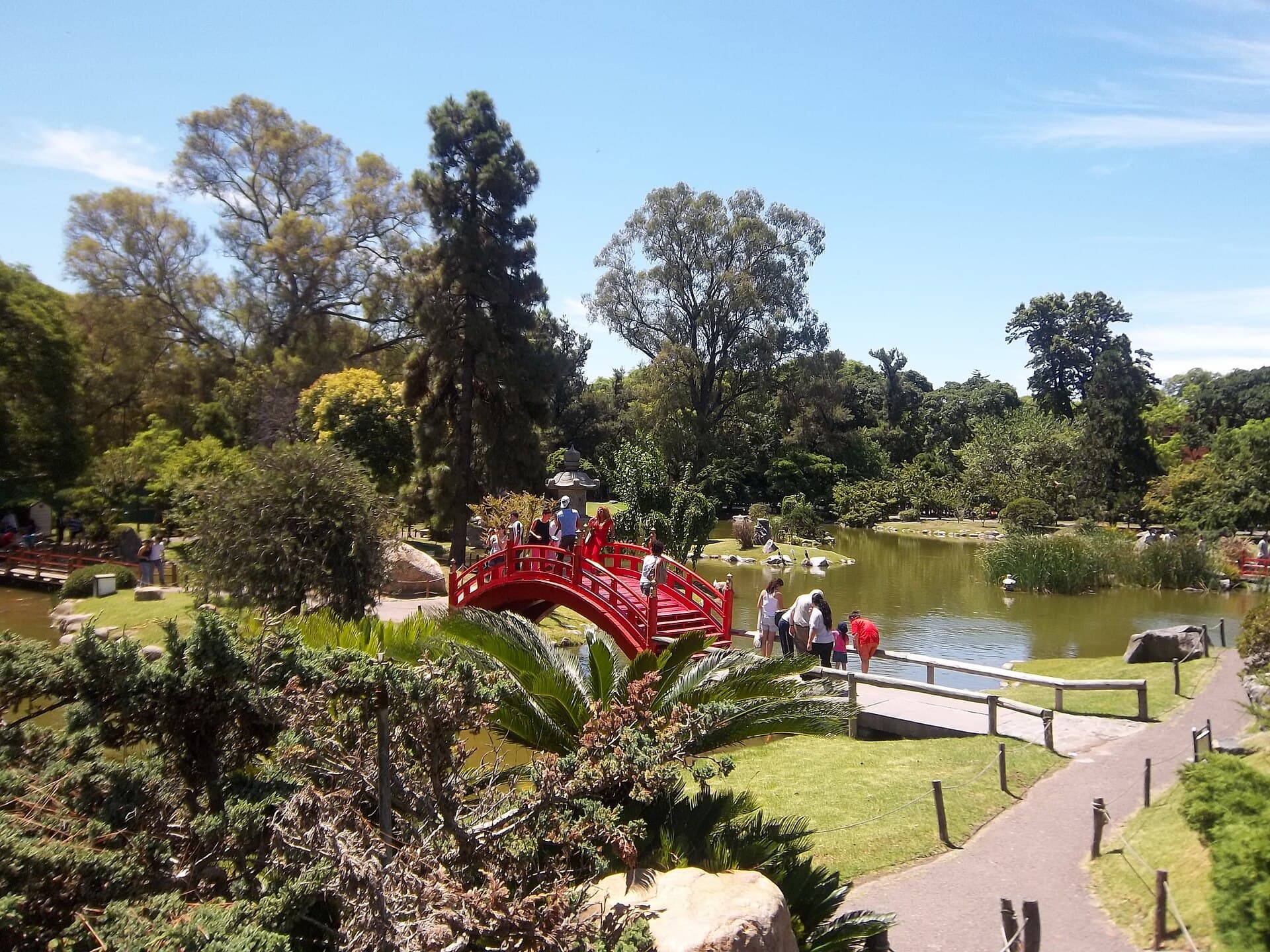 Japanese Garden, Buenos AiresThe Japanese Garden is a quiet haven in Palermo, opened in 1967 for the visit to21 minutes walk4.5
Yes. After two petals fell in a storm in December 2023, the city repaired it over two years, and it was re-inaugurated with all six petals in December 2025.