
The lanes of vaults
A city of marble.
Sking — CC BY-SA 3.0 · DerHexer — CC BY-SA 4.0 · DerHexer — CC BY-SA 4.0
Recoleta Cemetery is one of the best-known sights in Buenos Aires. It opened on 17 November 1822 in the garden of an old convent of the Recollect friars, becoming the city's first public cemetery, and was redesigned in 1881 by the Italian architect Juan Antonio Buschiazzo. It feels like a small city of marble and stone, with streets and lanes lined by 4,691 above-ground family vaults, 94 of them declared national historic monuments. Classical, Gothic and Art Nouveau tombs stand side by side, designed by architects and sculptors for the wealthy families of Buenos Aires. Presidents of Argentina, Nobel laureates and military leaders are buried here, and the most visited tomb is the Duarte family vault, where Eva Perón lies. It covers 5.5 hectares, so pick up a map at the gate or join a guided tour. Beside it stands the church of Our Lady of the Pillar, built in 1732, surrounded by cafés, gardens and a weekend craft market.
A city of marble.
The most visited.
Classical to Art Nouveau.
Junín 1760, Recoleta, Buenos Aires
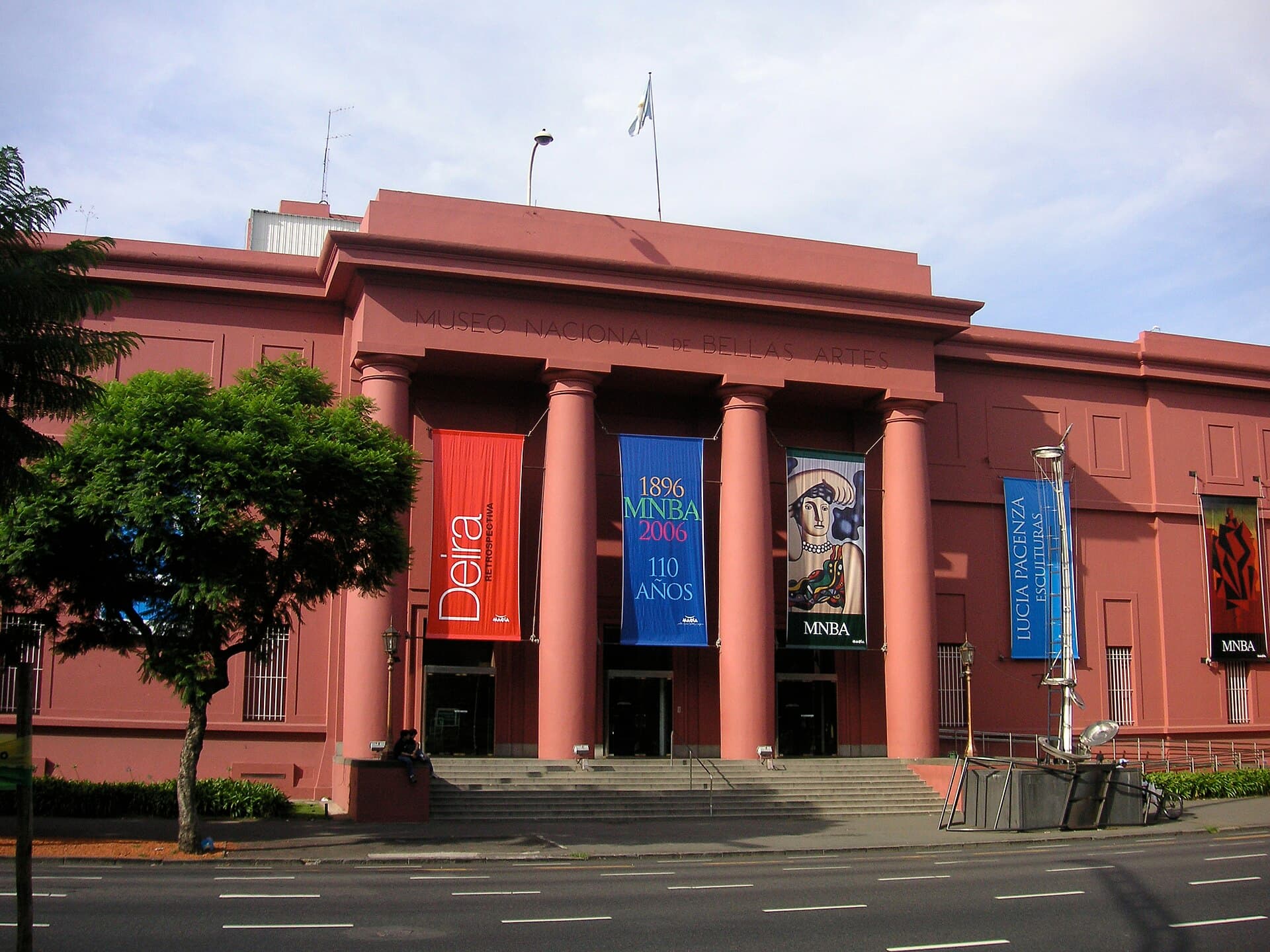 National Museum of Fine ArtsThe National Museum of Fine Arts is Argentina's leading art museum. It opened on5 minutes walk4.7
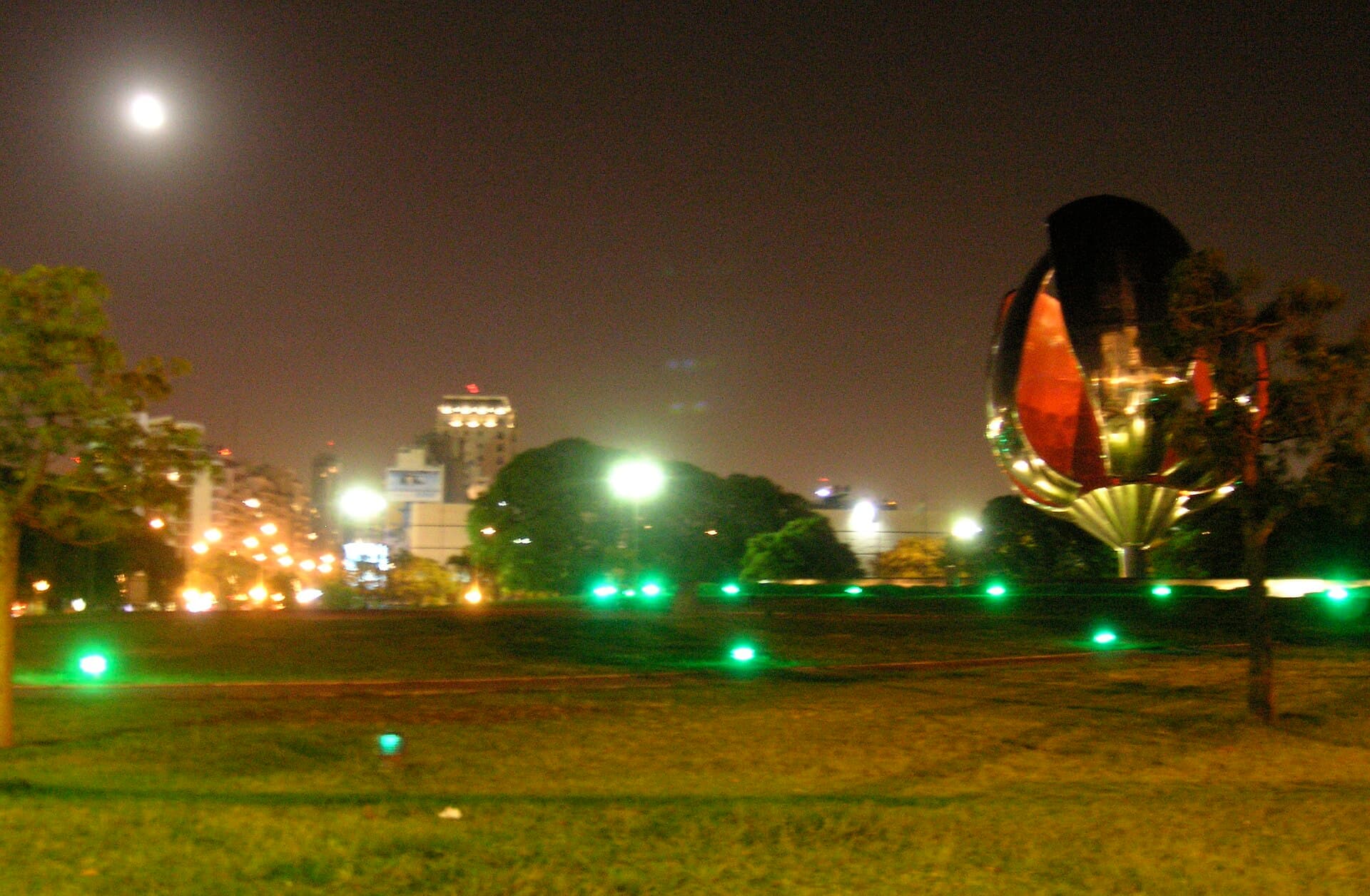 Floralis GenéricaFloralis Genérica is a giant flower sculpture of steel and aluminium, 23 metres 8 minutes walk4.8
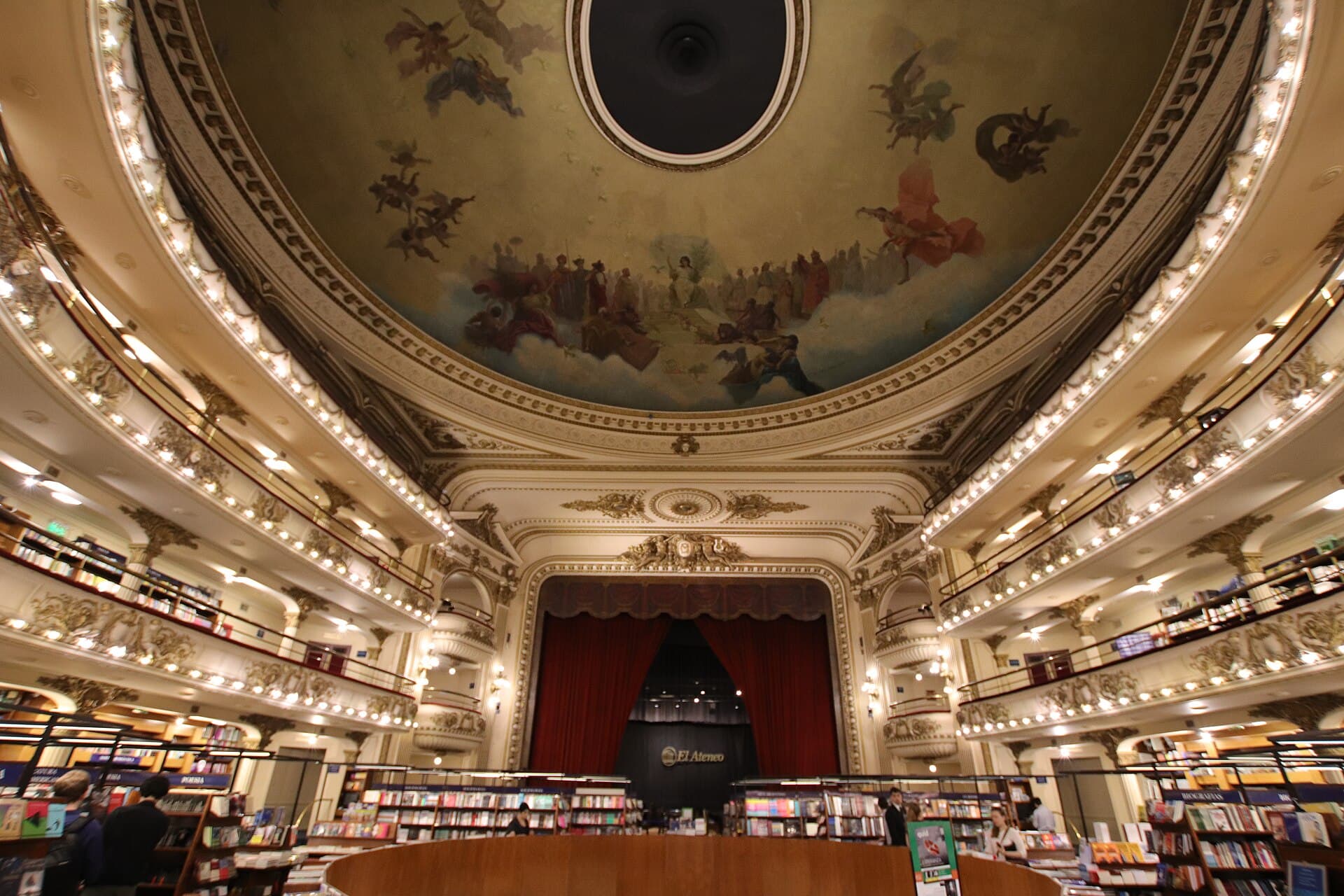 El Ateneo Grand SplendidEl Ateneo Grand Splendid is a bookshop inside an old theatre, named the world's 12 minutes walk4.7
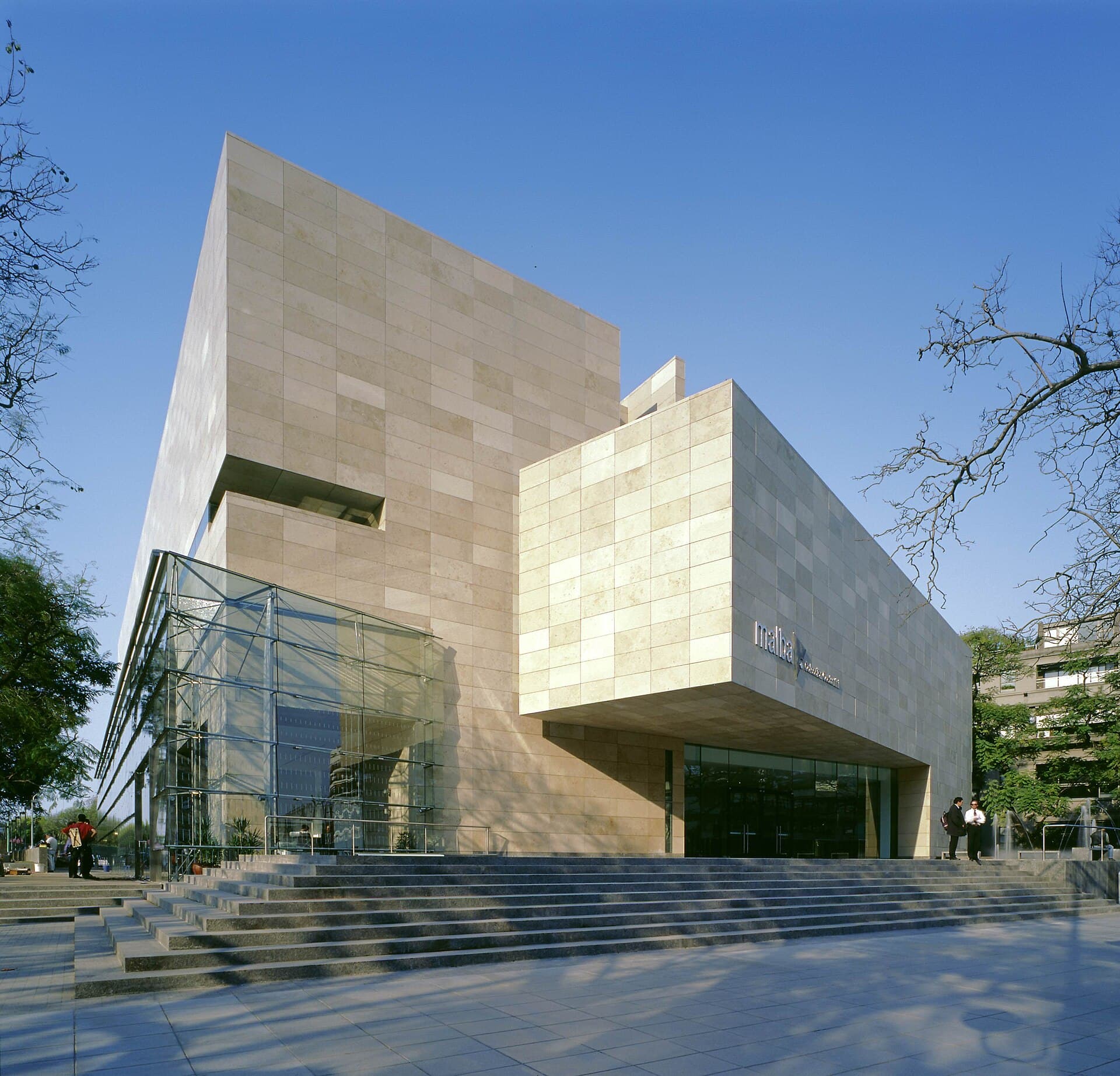 MALBA, Latin American Art MuseumMALBA, the Latin American Art Museum of Buenos Aires, opened on 21 September 20019 minutes walk4.5
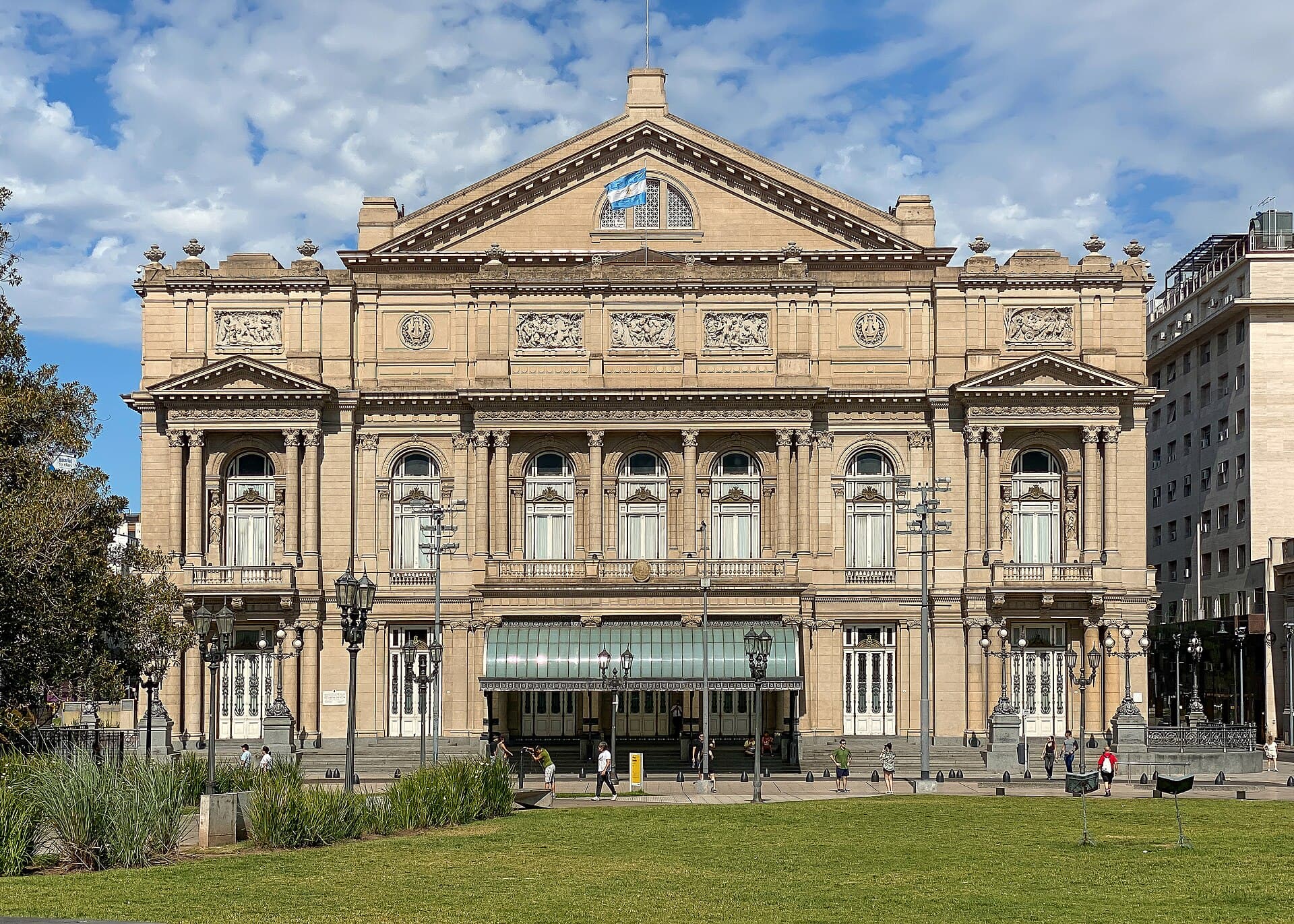 Teatro ColónThe Teatro Colón is Buenos Aires's great opera house and one of the finest-sound22 minutes walk4.7
Yes for non-residents, about ARS 24,000 in 2026 by card only; residents of Argentina enter free.