
A Padri War fort
The city grew up around it.
Sonjo 01 — CC BY-SA 4.0 · Sonjo 01 — CC BY-SA 4.0 · Sonjo 01 — CC BY-SA 4.0 · Indonesiagood — CC BY 4.0
A fort the Dutch built in 1825 on a high hill in the heart of Bukittinggi during the Padri War against Minangkabau scholars who led a religious reform movement in the highlands, named after the Dutch commander de Kock. The present city grew up around it, and in colonial times the town itself was called Fort de Kock. The fort itself is small, a white tower, walls and old cannons on the grass, but the site is a pleasant wooded park on the hilltop with views over the city and the Marapi and Singgalang volcanoes. From the fort the Limpapeh suspension footbridge crosses a city street to the Kinantan zoo and culture park, which holds a large traditional house with a museum of Minangkabau heritage. One ticket covers the fort, the bridge, the park and the museum, about IDR 25,000 for Indonesians and 40,000 for foreigners, open in daytime. An hour or two is enough, and the site is a few minutes' walk from the Jam Gadang clock tower, so combine them on a walk around the centre.
The city grew up around it.
A suspension bridge over the street.
In a large traditional house.
Jirong hill, central Bukittinggi
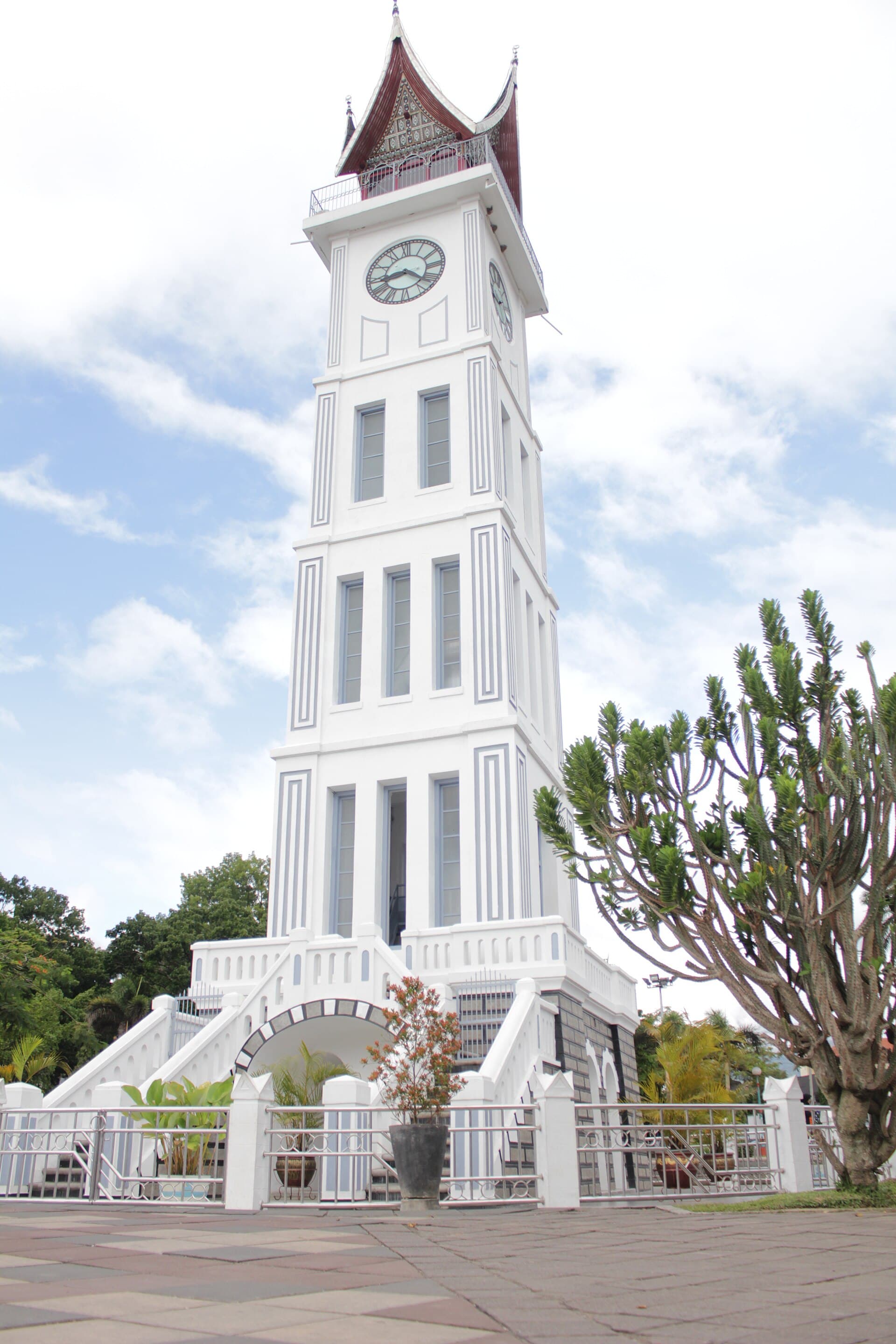 Jam Gadang Clock TowerThe emblem and heart of Bukittinggi, a clock tower on the central square near th6 minutes walk
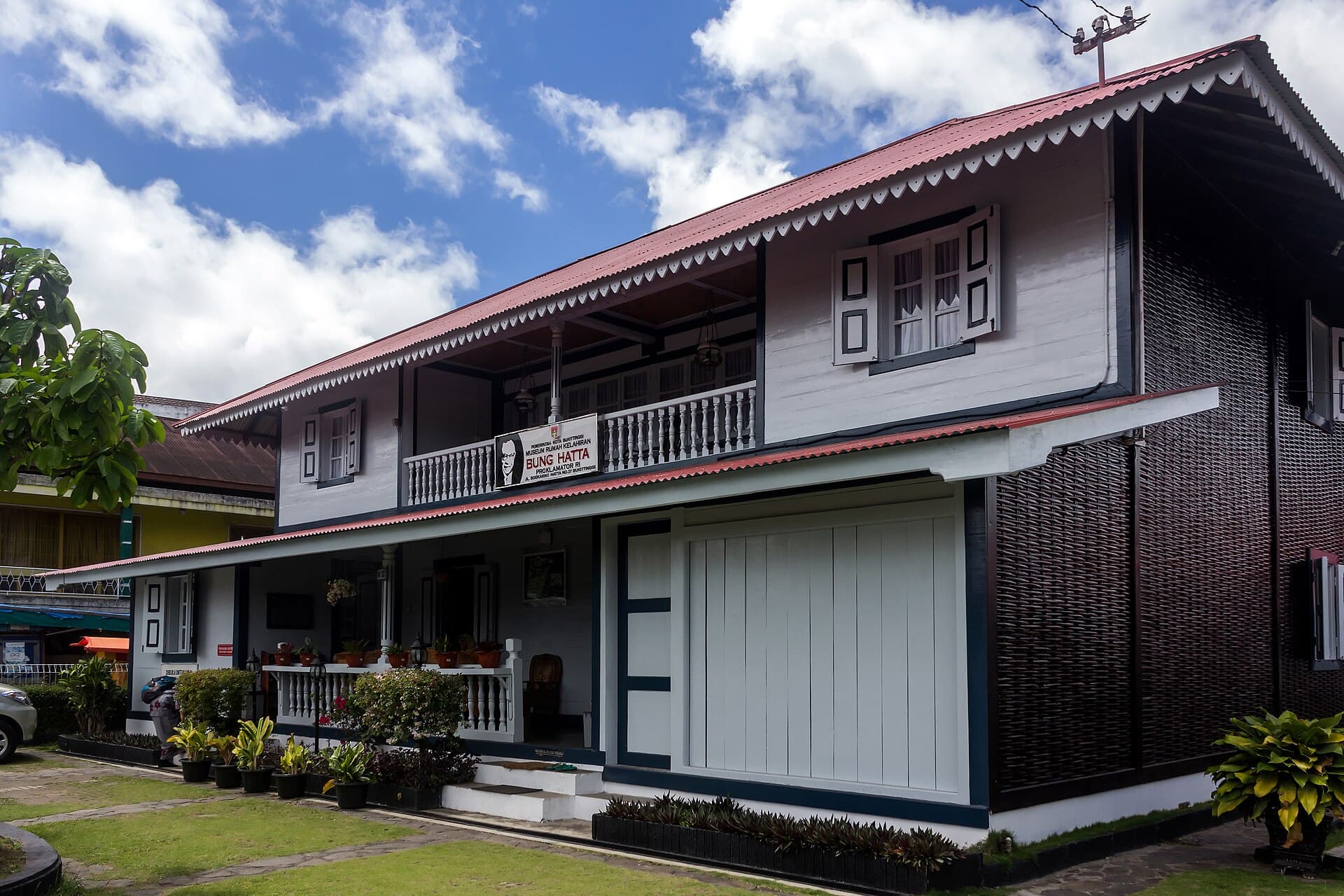 Bung Hatta Birth HouseThe house where Mohammad Hatta was born in 1902 and spent his childhood until th7 minutes walk
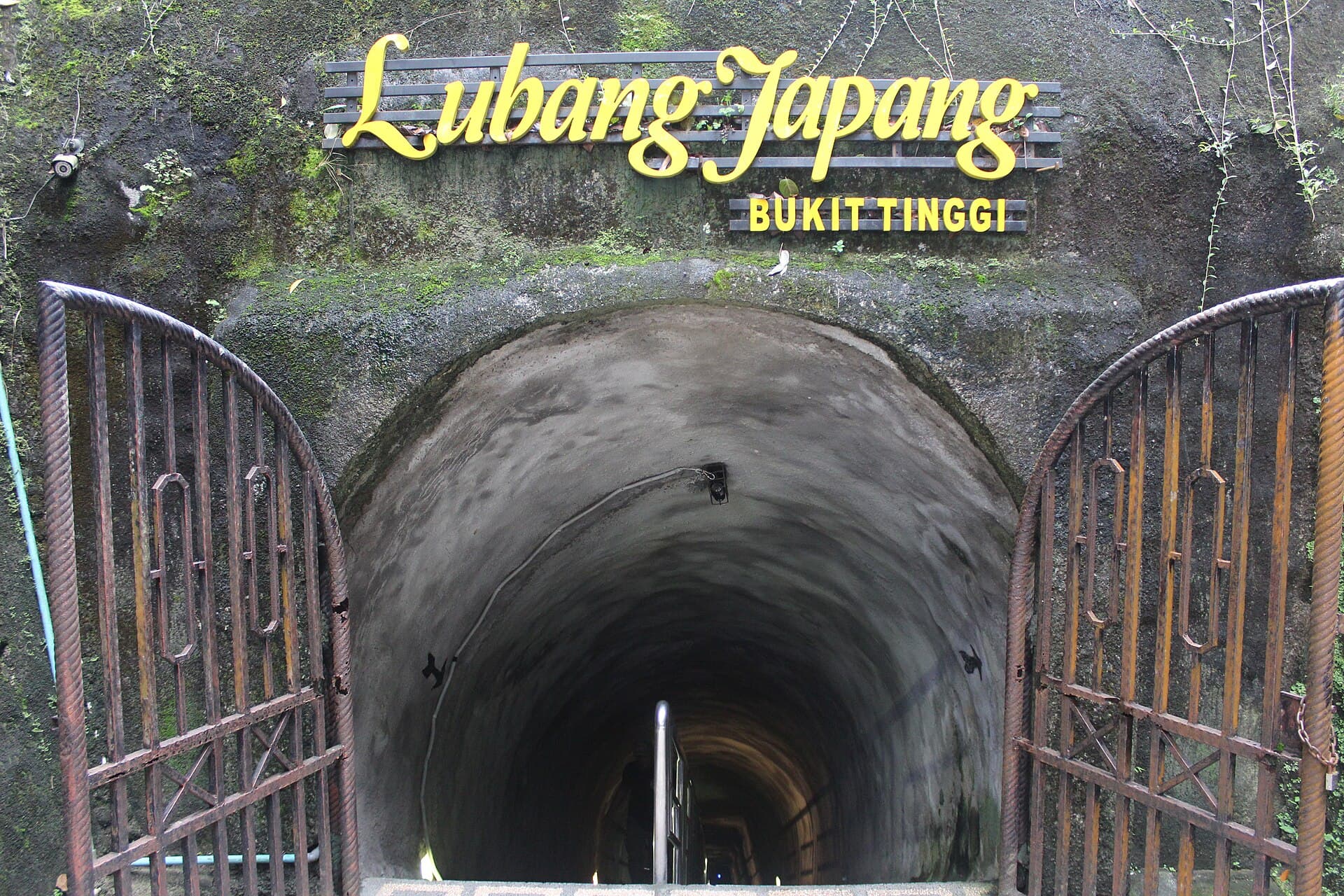 Japanese Tunnels, BukittinggiA network of defensive tunnels the Japanese army dug under Bukittinggi during it9 minutes walk
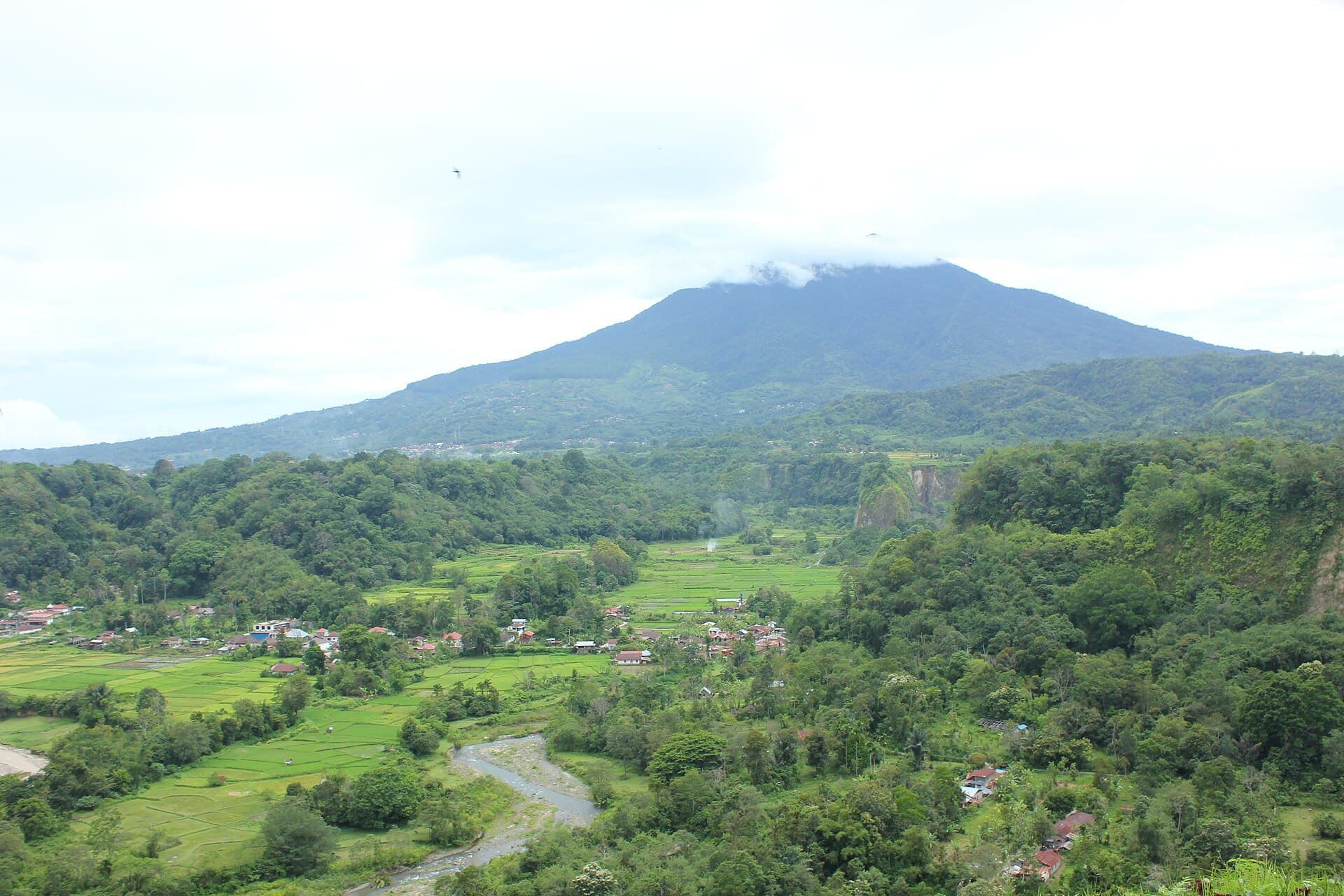 Sianok Canyon and the Japanese TunnelsA deep, steep-sided canyon winding along the edge of Bukittinggi, its red and gr10 minutes walk
An early nineteenth-century conflict between Minangkabau scholars calling for religious reform and the leaders of local custom, into which the Dutch intervened; it ended with Dutch control of the highlands in 1837.