
Wartime tunnels
Dug by the Japanese in 1942-1944.
Sonjo 01 — CC BY-SA 4.0 · D.W. Fisher-Freberg — CC BY-SA 3.0 · D.W. Fisher-Freberg — CC BY-SA 3.0 · D.W. Fisher-Freberg — CC BY-SA 3.0
A network of defensive tunnels the Japanese army dug under Bukittinggi during its occupation of Indonesia in the Second World War, between 1942 and 1944, by forced labourers brought from Java and other islands in harsh conditions in which many died. The tunnels run about one and a half kilometres underground. They branch into some twenty-one passages and rooms: soldiers' barracks, meeting halls, a kitchen, ammunition stores, a prison and torture rooms, and lookout openings onto the Sianok canyon. Visitors descend a long stair and then walk damp, lit passages; a local guide who explains each room is worth hiring. The entrance is inside Panorama Park on the canyon rim, which has a superb view of the Sianok canyon, and the ticket is about IDR 15,000 for Indonesians and 20,000 for foreigners. The visit takes about an hour, and the stair is long both ways, so it does not suit anyone who struggles with climbing. It is close to the Jam Gadang clock tower and the Sianok canyon.
Dug by the Japanese in 1942-1944.
Barracks, prison and stores.
Panorama Park above Sianok.
Panorama Park, on the rim of the Sianok canyon, Bukittinggi
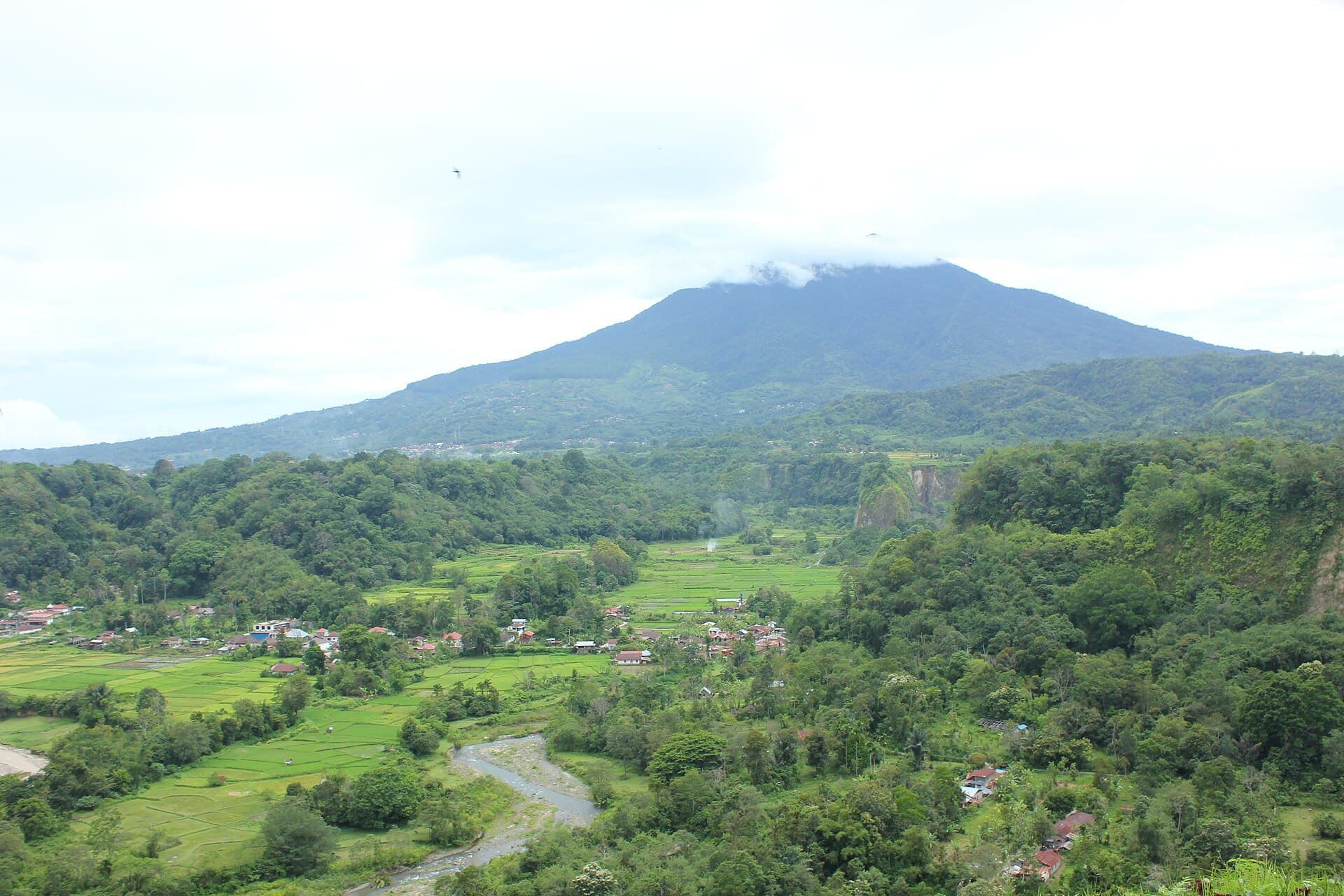 Sianok Canyon and the Japanese TunnelsA deep, steep-sided canyon winding along the edge of Bukittinggi, its red and gr1 minute walk
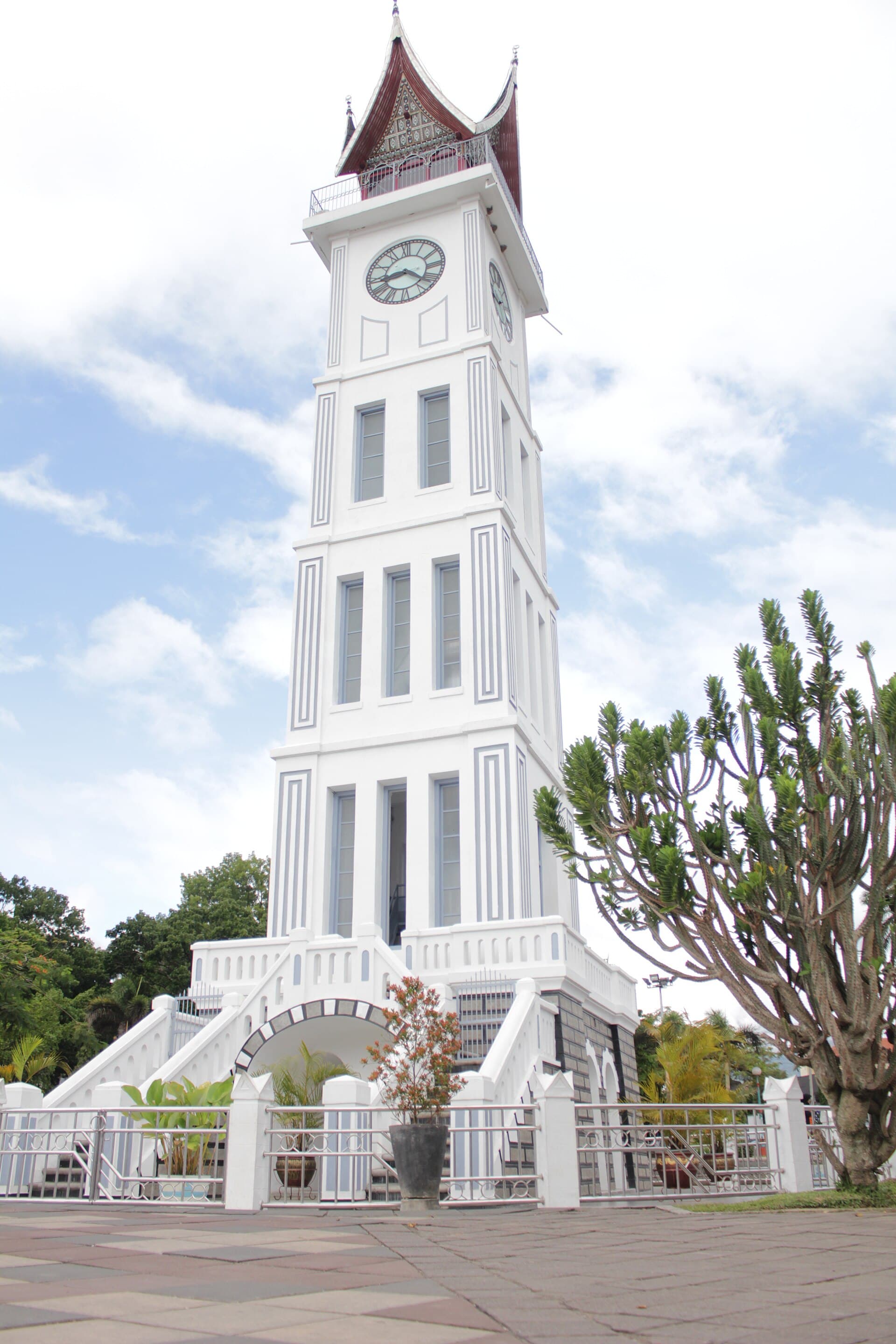 Jam Gadang Clock TowerThe emblem and heart of Bukittinggi, a clock tower on the central square near th7 minutes walk
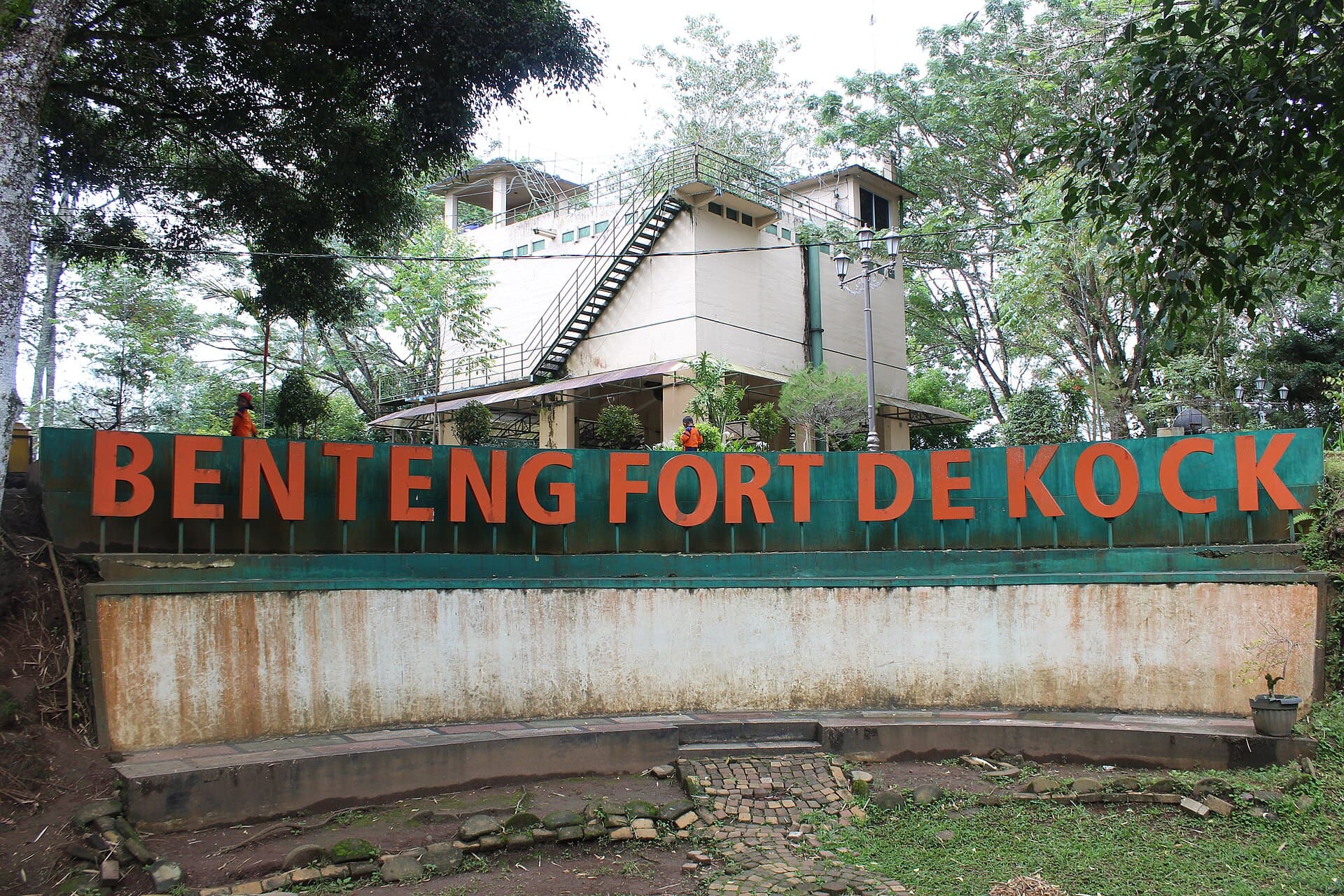 Fort de Kock and Limpapeh BridgeA fort the Dutch built in 1825 on a high hill in the heart of Bukittinggi during9 minutes walk
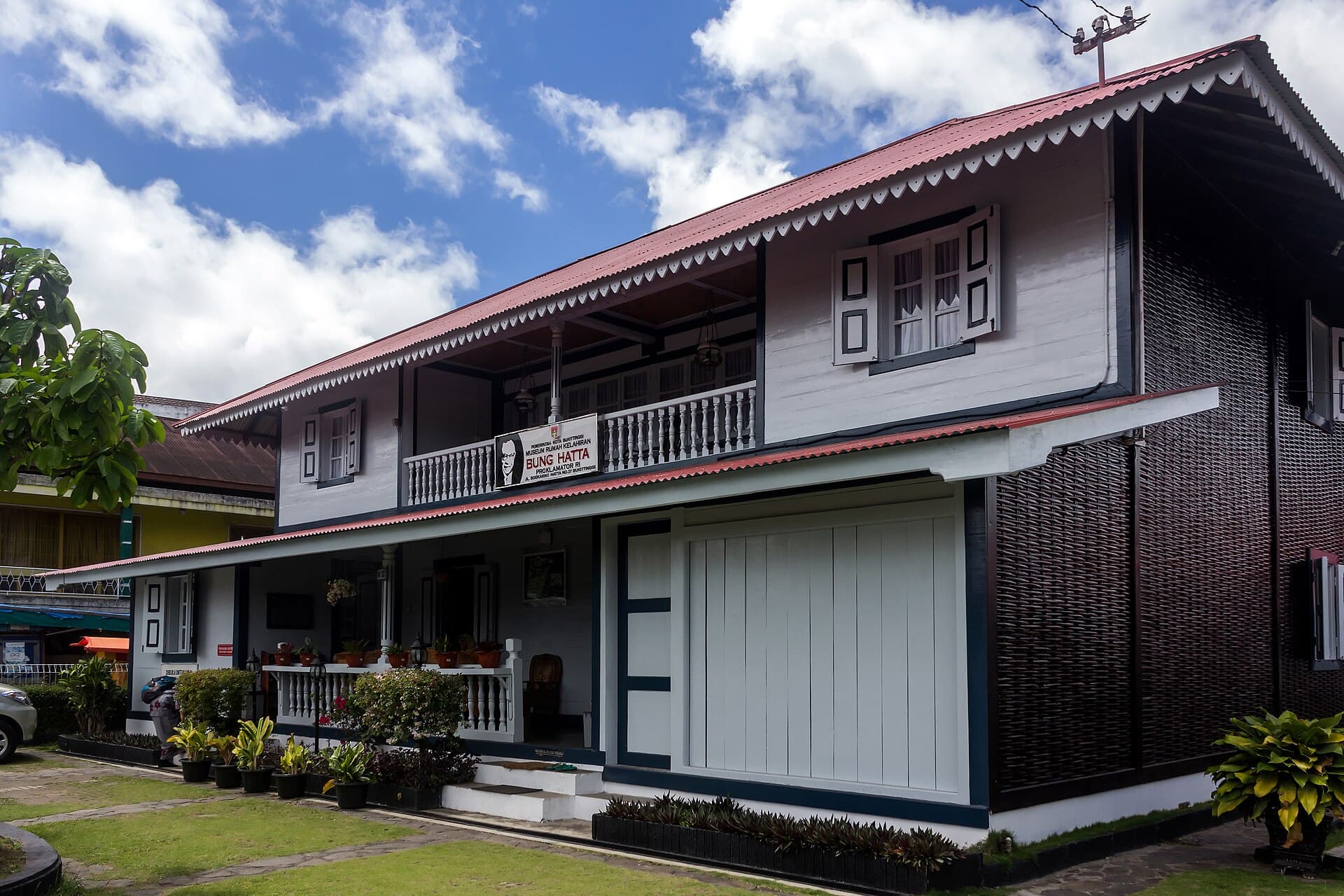 Bung Hatta Birth HouseThe house where Mohammad Hatta was born in 1902 and spent his childhood until th15 minutes walk
Yes for older children: the passages are lit and safe, but the stair is long, and some rooms tell harsh stories of forced labour and torture that may need explaining suitably for their age.