
Founding site
1 March 1565.
Wilfredor — CC0 · Carlos Luis M C da Cruz — CC BY-SA 3.0 · Photograph by Mike Peel (www.mikepeel.net). — CC BY-SA 4.0 · Carlos Luis M C da Cruz — CC BY-SA 3.0 · Halley Pacheco de Oliveira — CC BY-SA 3.0 · Photograph by Mike Peel (www.mikepeel.net). — CC BY-SA 4.0 · Cyro A. Silva from Rio de Janeiro, Brasil — CC BY 2.0
The Fortress of São João da Barra stands on the western side of the entrance to Guanabara Bay in Rio's Urca district. On this flat ground between the foot of the Cara de Cão hill and Sugarloaf, some three hundred men landed with Estácio de Sá, the first governor of the captaincy, and founded the city of São Sebastião do Rio de Janeiro on 1 March 1565, amid the fight to drive the French from the bay. The first fort was built here in 1565 under King Sebastian of Portugal, and a larger structure with four batteries entered service in 1618. In 1872 Emperor Pedro II ordered it completely renovated and armed with fifteen Whitworth guns, and it remained a coastal artillery post until 1991. The fortress now houses a Brazilian Army physical training centre, so visits are guided and need booking in advance. The tour combines history with views of the bay entrance and Sugarloaf; check visiting times.
1 March 1565.
From 1872.
And Sugarloaf.
Urca, entrance of Guanabara Bay, Rio de Janeiro
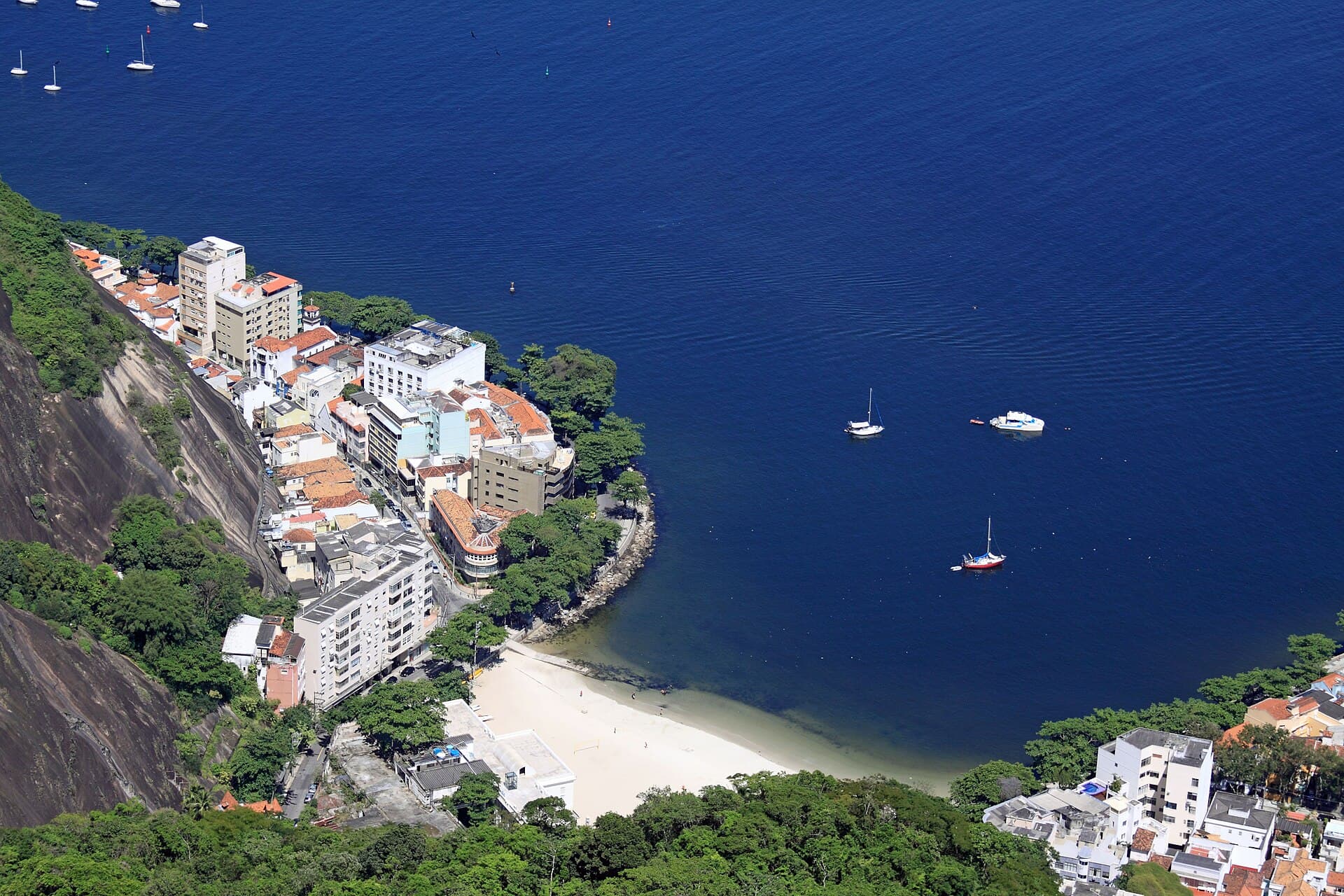 Praia da UrcaUrca beach is a small strip of sand on the side of the Urca district facing Guan8 minutes walk4.7
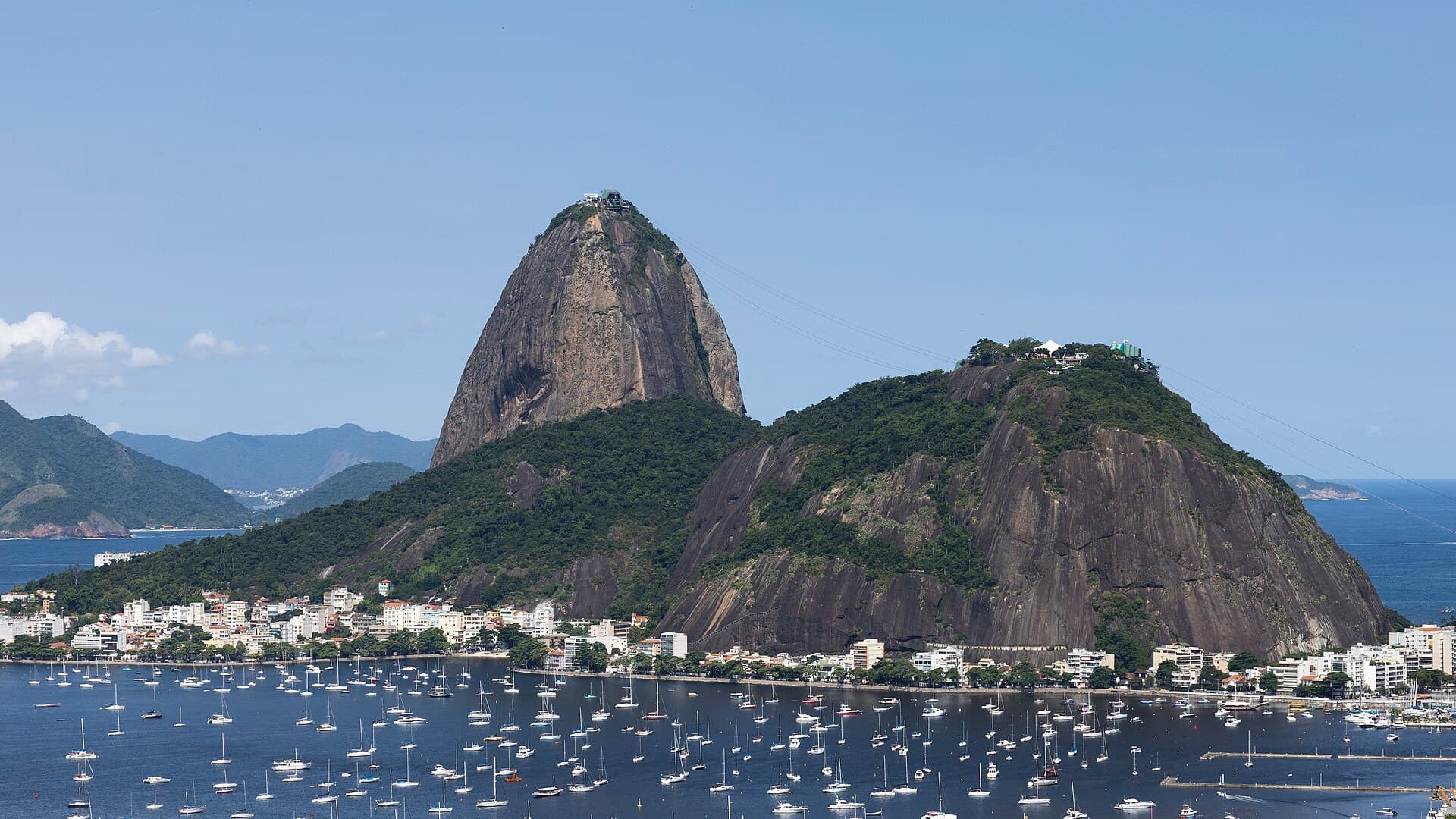 Sugarloaf MountainSugarloaf Mountain, Pão de Açúcar in Portuguese, is a granite peak that rises 3914 minutes walk4.8
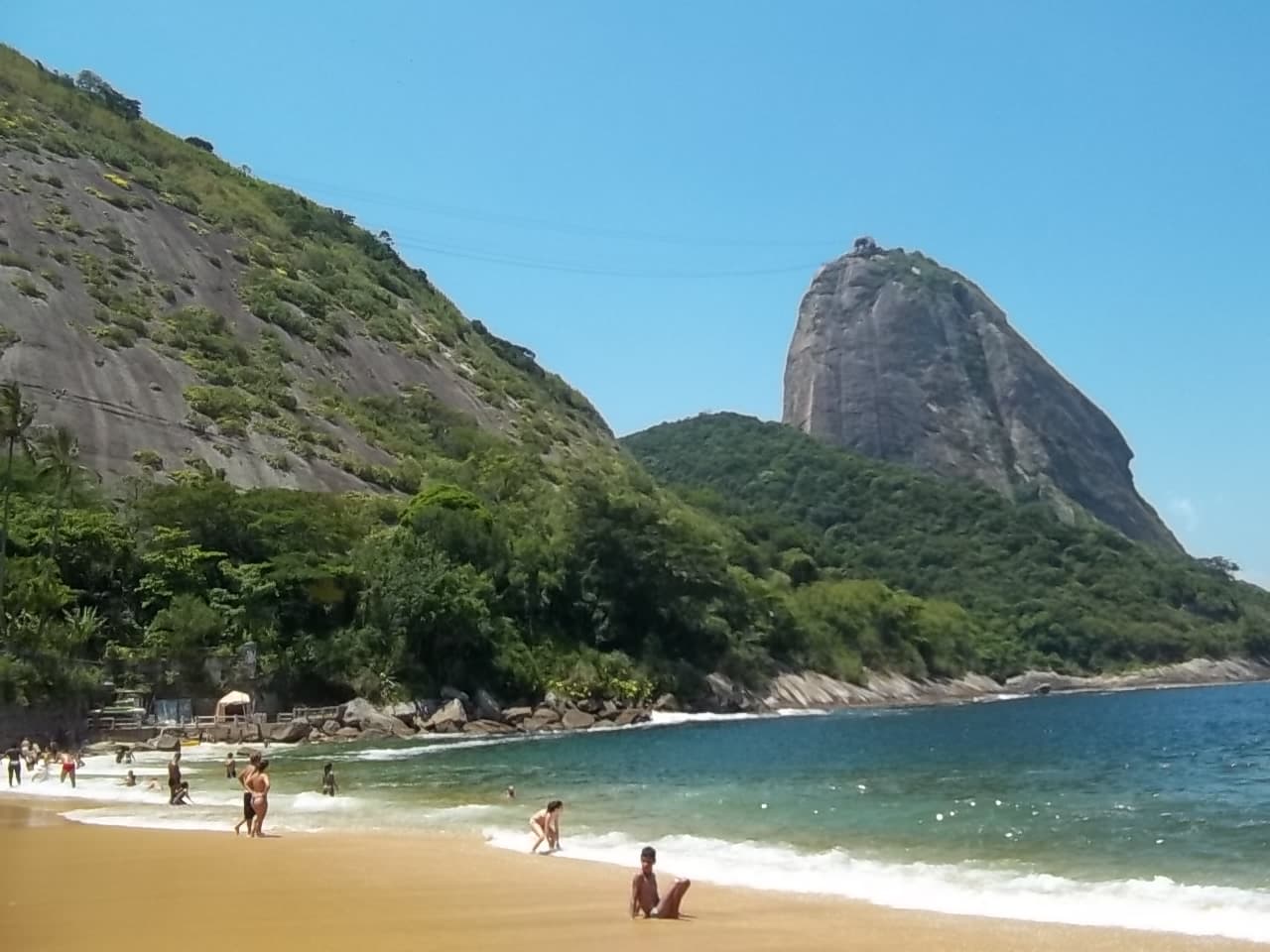 Praia Vermelha and the Cláudio Coutinho TrailPraia Vermelha, «Red Beach», is a small beach in the quiet Urca district at the 18 minutes walk4.6
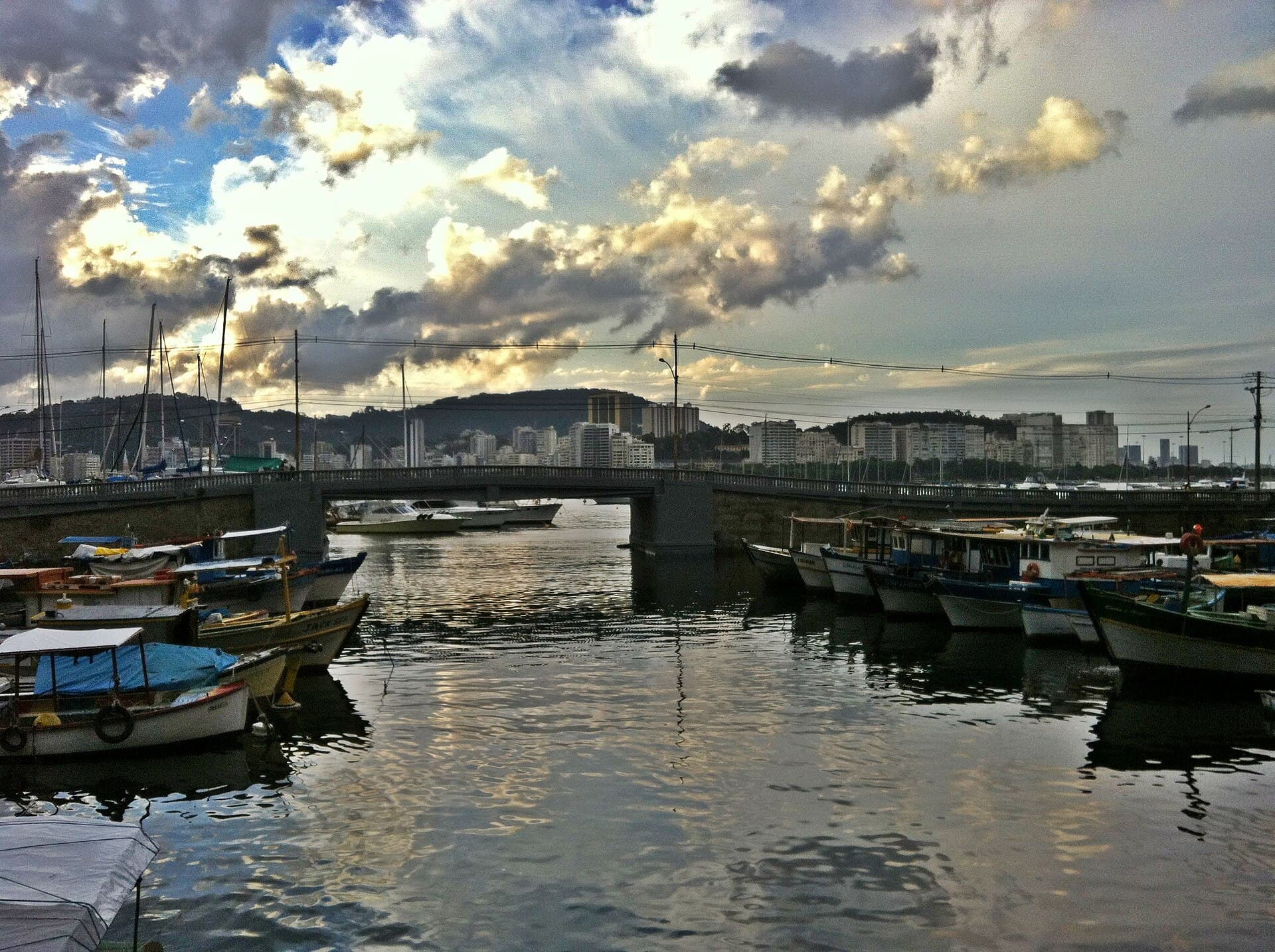 UrcaUrca is a quiet residential district of nearly 7,000 people squeezed between Sug18 minutes walk
The city was founded on this spot on 1 March 1565.