
The handwritten letters
Original letters and diaries in Kafka's hand — the closest you get to the man behind the name.
Mister No — CC BY 3.0 · Jacek Halicki — CC BY-SA 3.0 · Dennis G. Jarvis — CC BY-SA 2.0 · Ray Swi-hymn from Sijhih-Taipei, Taiwan — CC BY-SA 2.0
The Franz Kafka Museum occupies an old mill building on the Vltava bank in the Lesser Town, minutes from Charles Bridge. It is not a conventional museum of objects in cases but an experience built to put you inside Kafka's world: dark corridors, low sound, endless filing cabinets, and lighting that leaves you unsure of your bearings. It has two parts. The first, "Existential Space", deals with Kafka's relationship to Prague itself — the city where he was born in 1883 and near which he died in 1924, and which he never really left despite repeated attempts. The second, "Imaginary Topography", goes into the work: The Trial, The Castle, The Metamorphosis, and how Prague's streets and bureaucratic offices became literary material. The exhibits are genuine and significant: letters in his hand, diaries, rare photographs, first editions. In the courtyard outside stands a contentious David Černý piece: two men urinating into a pool shaped like the Czech Republic. Allow about an hour; captions are in English and Czech.
Original letters and diaries in Kafka's hand — the closest you get to the man behind the name.
Endless rows of file drawers in low light — a physical rendering of the bureaucracy he wrote about.
A section tying real Prague locations to scenes in the novels — it changes how you look at the city on the way out.
Two mechanical figures moving above a pool shaped like the Czech Republic — a satirical work that caused a stir, and free to see.
Cihelná 2b, Malá Strana, Prague 1
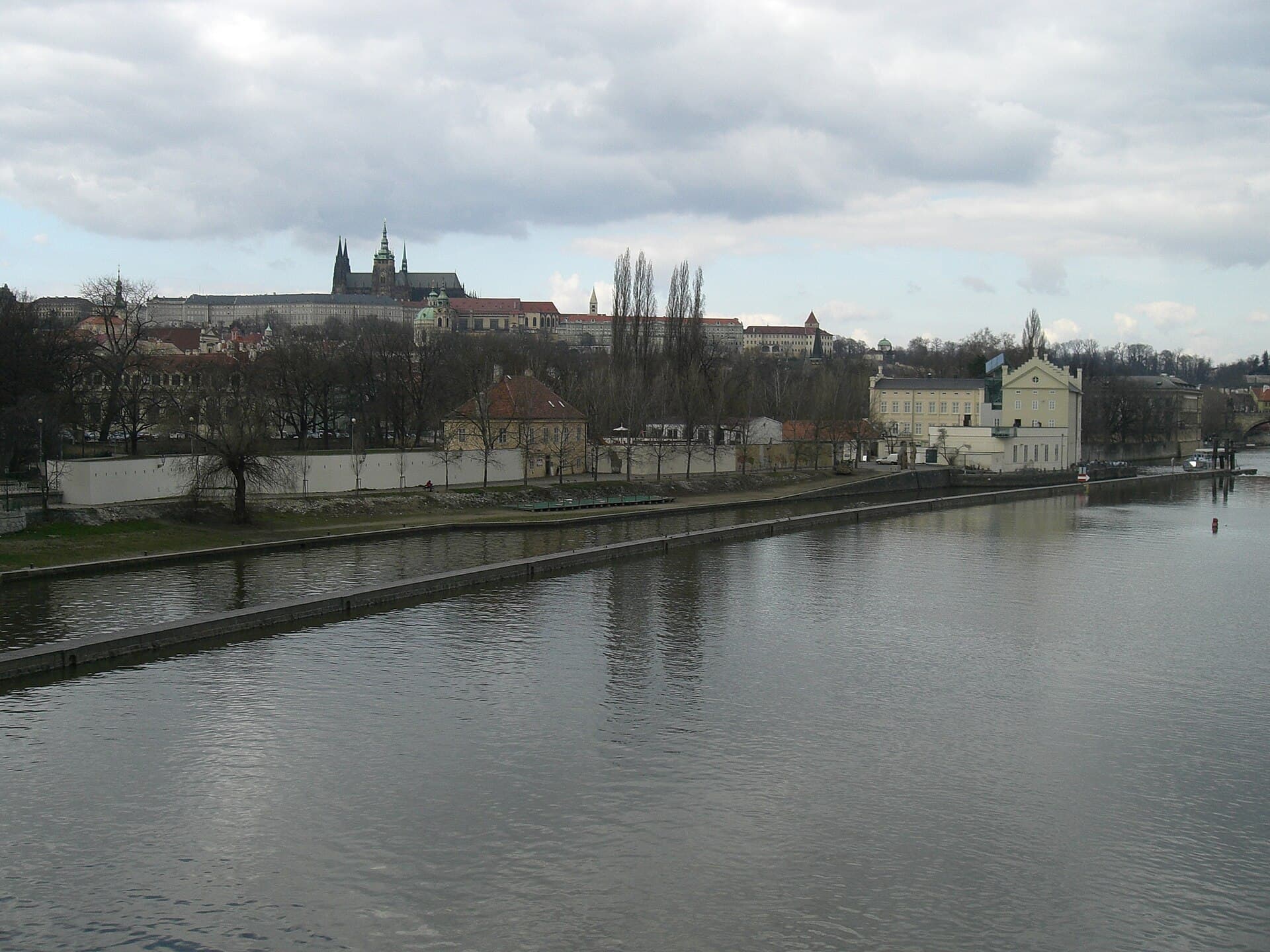 Kampa IslandKampa is a small island in the Vltava, separated from the Lesser Town by a narro2 minutes walk4.8
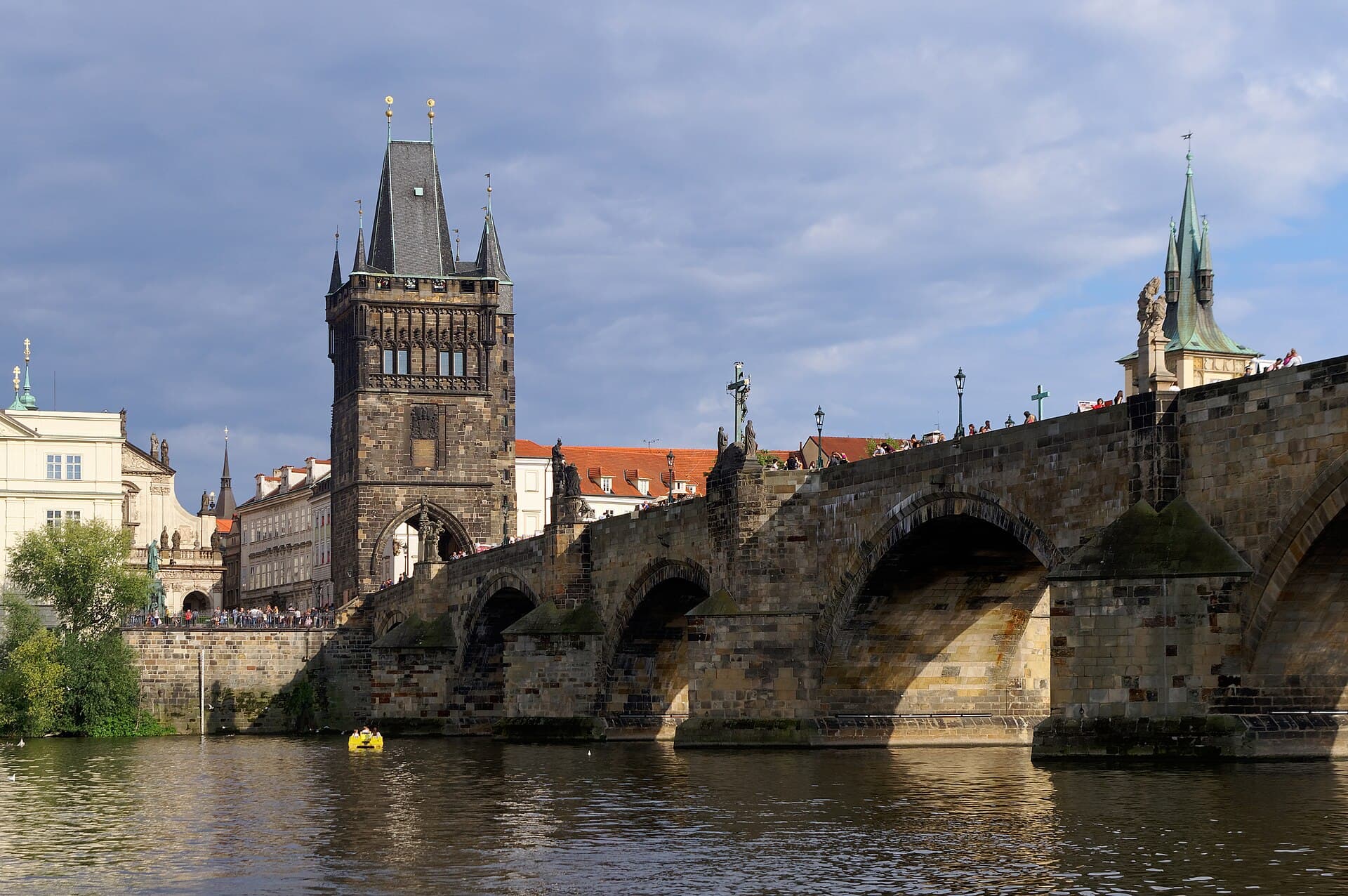 Charles BridgeCharles Bridge is the picture people carry in their heads of Prague: sixteen san3 minutes walk4.7
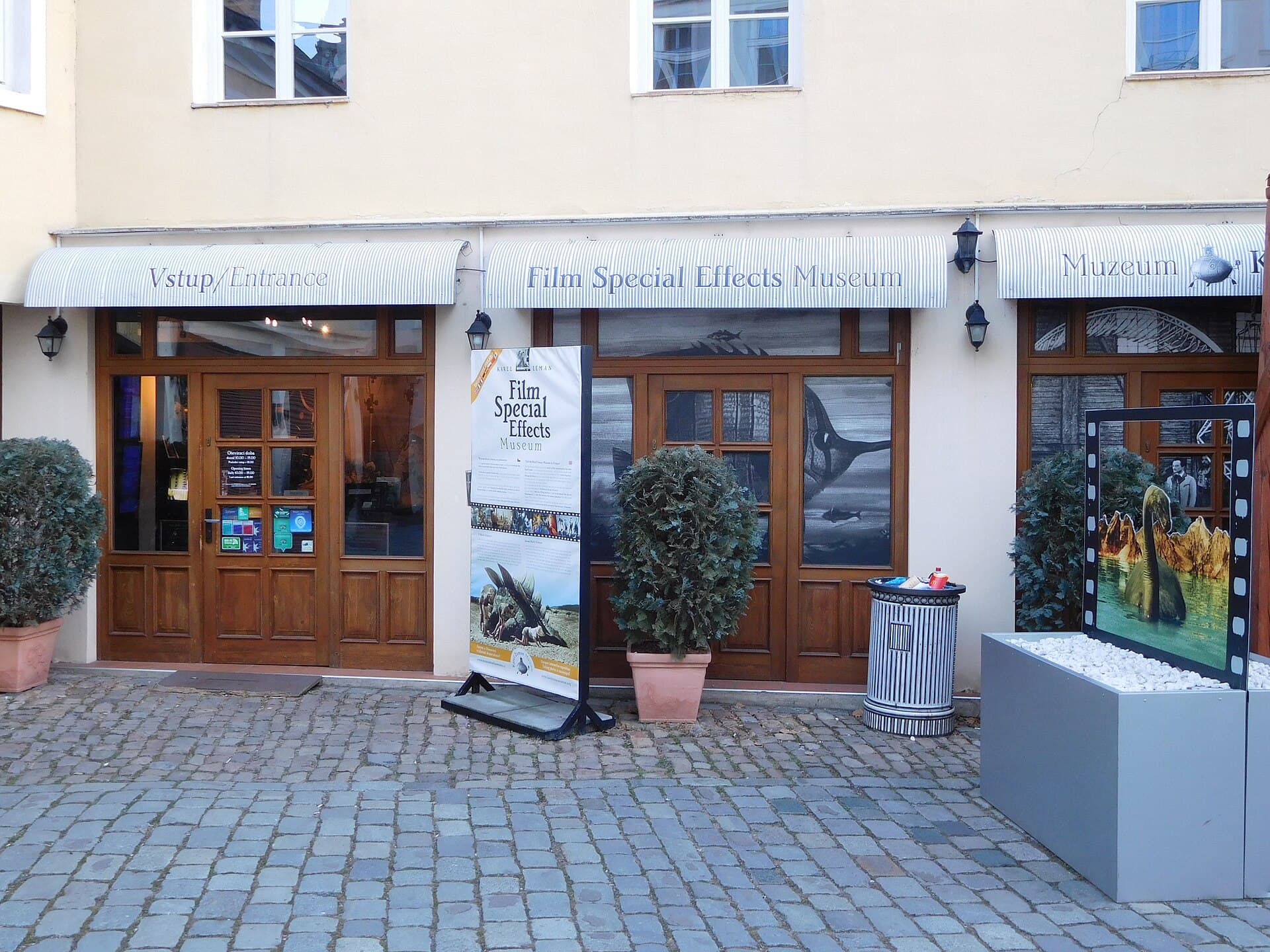 Karel Zeman MuseumAn interactive museum about the Czech director Karel Zeman, on the riverbank in 3 minutes walk4.6
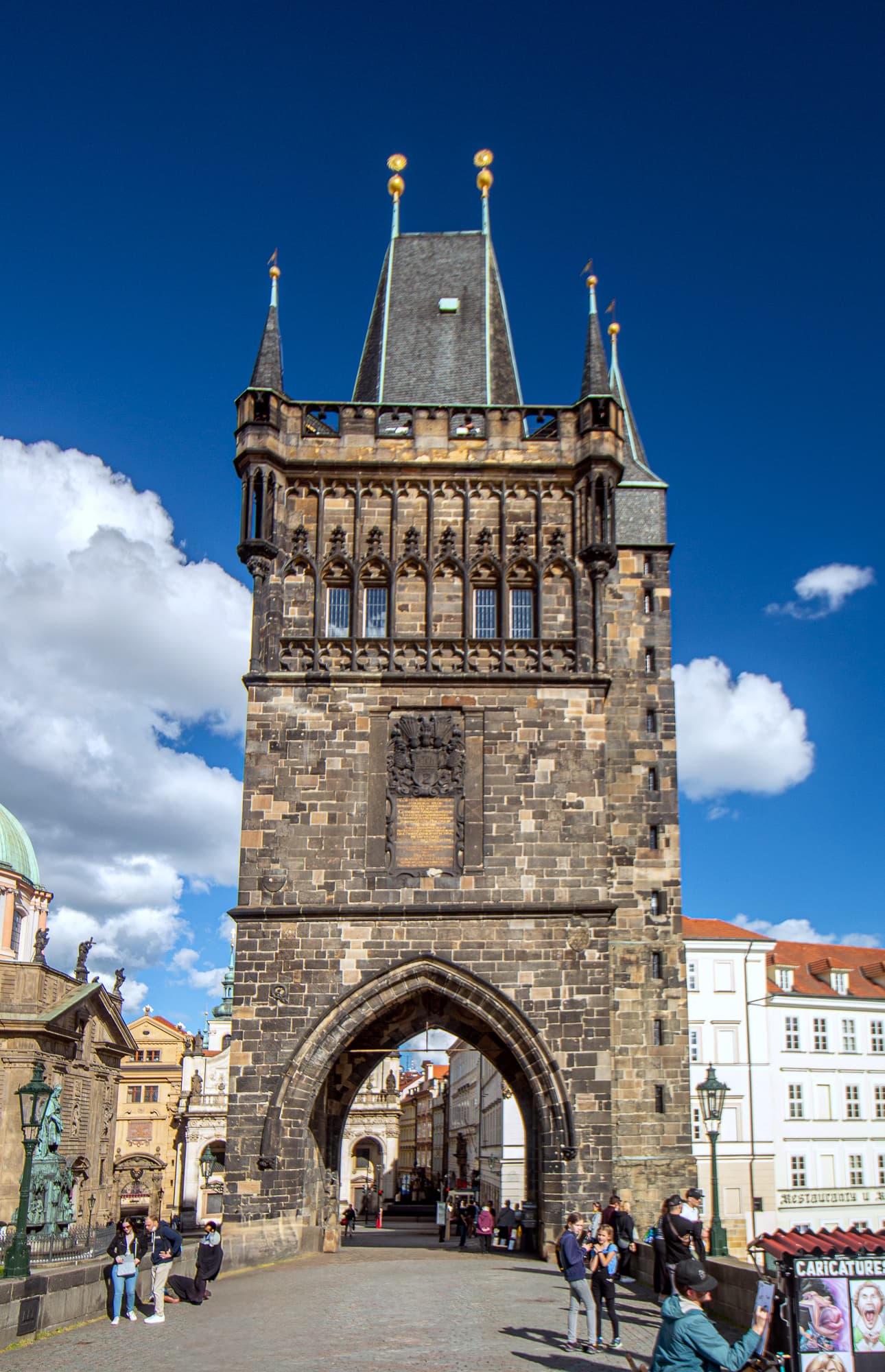 Old Town Bridge TowerThe Old Town Bridge Tower is the Gothic gate opening onto Charles Bridge from th4 minutes walk4.9
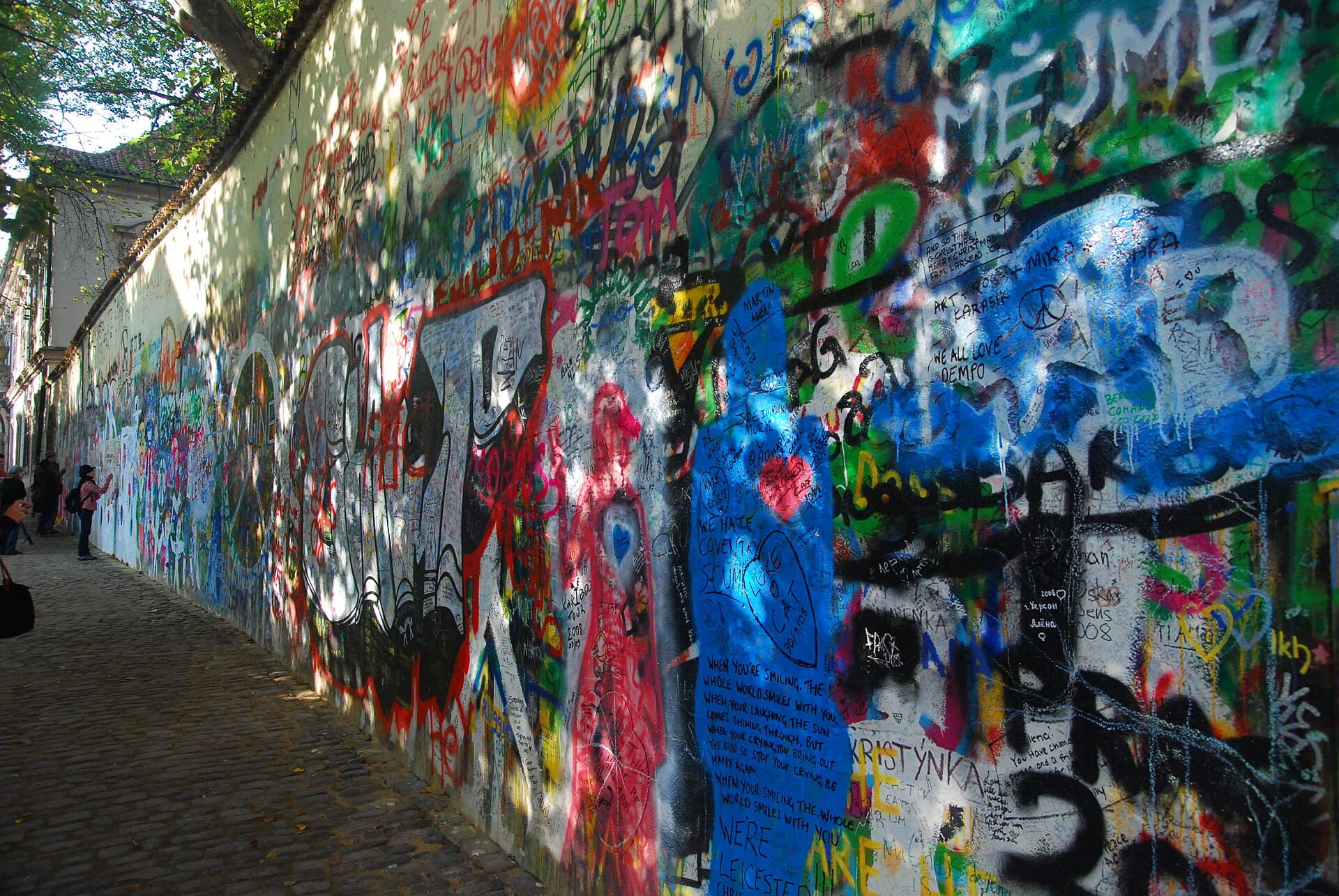 Lennon WallIn a quiet side square in the Lesser Town, minutes from Charles Bridge, runs a l4 minutes walk4.2
No — the exhibition explains its own context. But reading one short work such as The Metamorphosis beforehand roughly doubles the value; half an hour of reading is enough.
It depends on your interest in literature. If Kafka means something to you, it is among the best hours in Prague. If you want a general museum, the Technical or National Museum gives more for the money.
The rotating head near Národní třída, house 22 in the castle's Golden Lane, his statue outside the Spanish Synagogue, his birth house near the Old Town Square, and his grave in the New Jewish Cemetery (metro A, Želivského).
Generally yes, without flash, but the lighting is deliberately very low so results are limited. The museum is an experience to be walked through rather than photographed.