
The ritual rooms
What was once treated as secret is now displayed: robes, instruments and spaces.
Michel wal — CC BY-SA 3.0 · Adrien Canelle — Public domain · Public domain · Kharmacher — CC0
A museum on the history of freemasonry in Belgium and Europe, in a working masonic lodge building in central Brussels. It shows regalia, ritual objects, manuscripts and paintings from the eighteenth century to the present. The Belgian context explains why it exists: freemasonry in Belgium and France took a different course from its British counterpart, becoming tied to secularism and political liberalism and to the nineteenth-century conflict with the Catholic Church. The Free University of Brussels itself was founded in that context. That means the museum is less about symbols and secrets than about a real political and social history that shaped the country. It displays what was once treated as secret: ritual rooms, robes and instruments. The treatment is calmly documentary, neither feeding conspiracy theories nor defending, and it states plainly what freemasonry is and is not. The location is central and the hours are limited.
What was once treated as secret is now displayed: robes, instruments and spaces.
The nineteenth-century conflict with the Church shaped Belgian education and politics.
It neither feeds conspiracy theories nor defends — it states what it is and is not.
Rue de Laeken, central Brussels
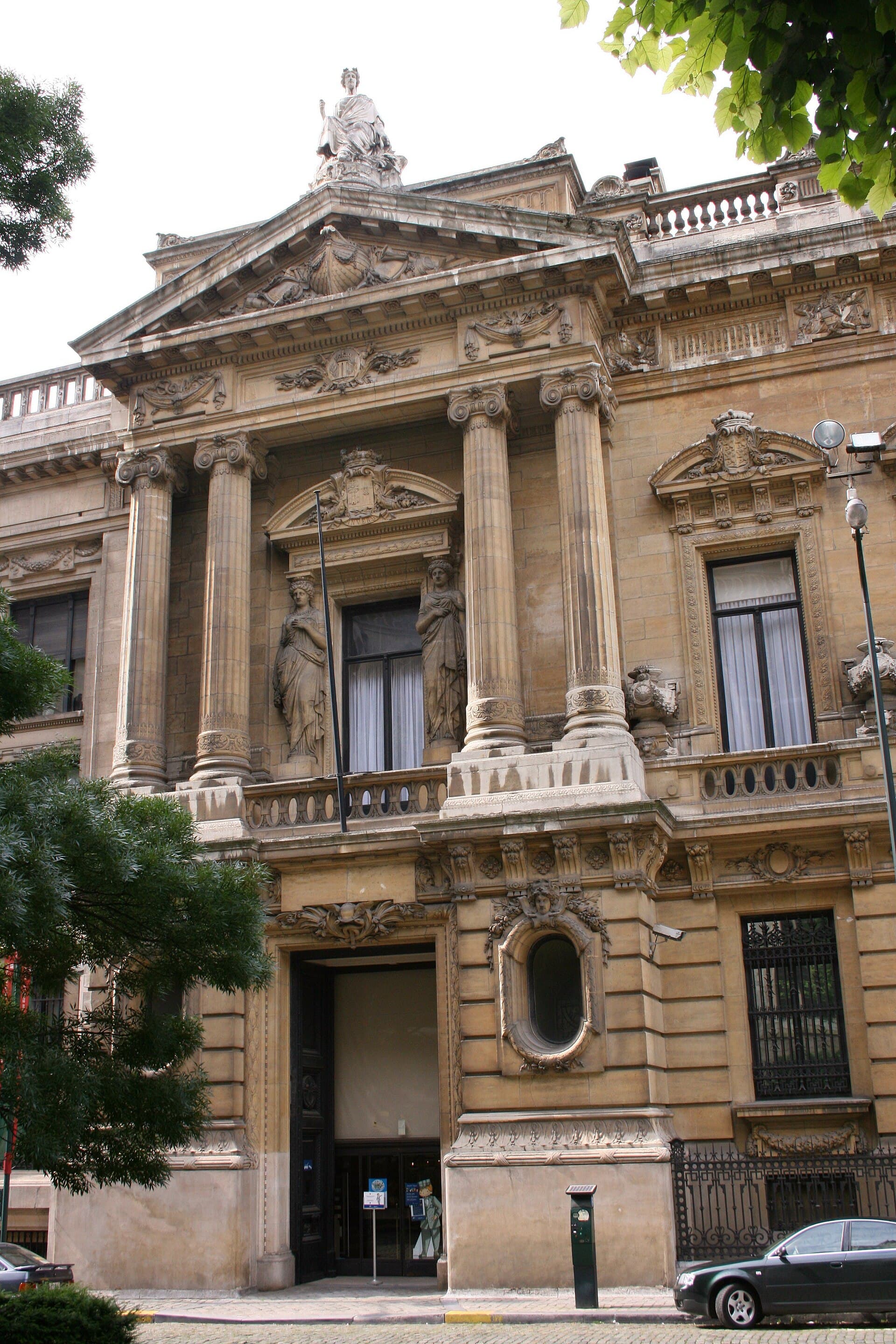 National Bank of Belgium MuseumA museum about money and its history run by Belgium's central bank, in a former 7 minutes walk4.5
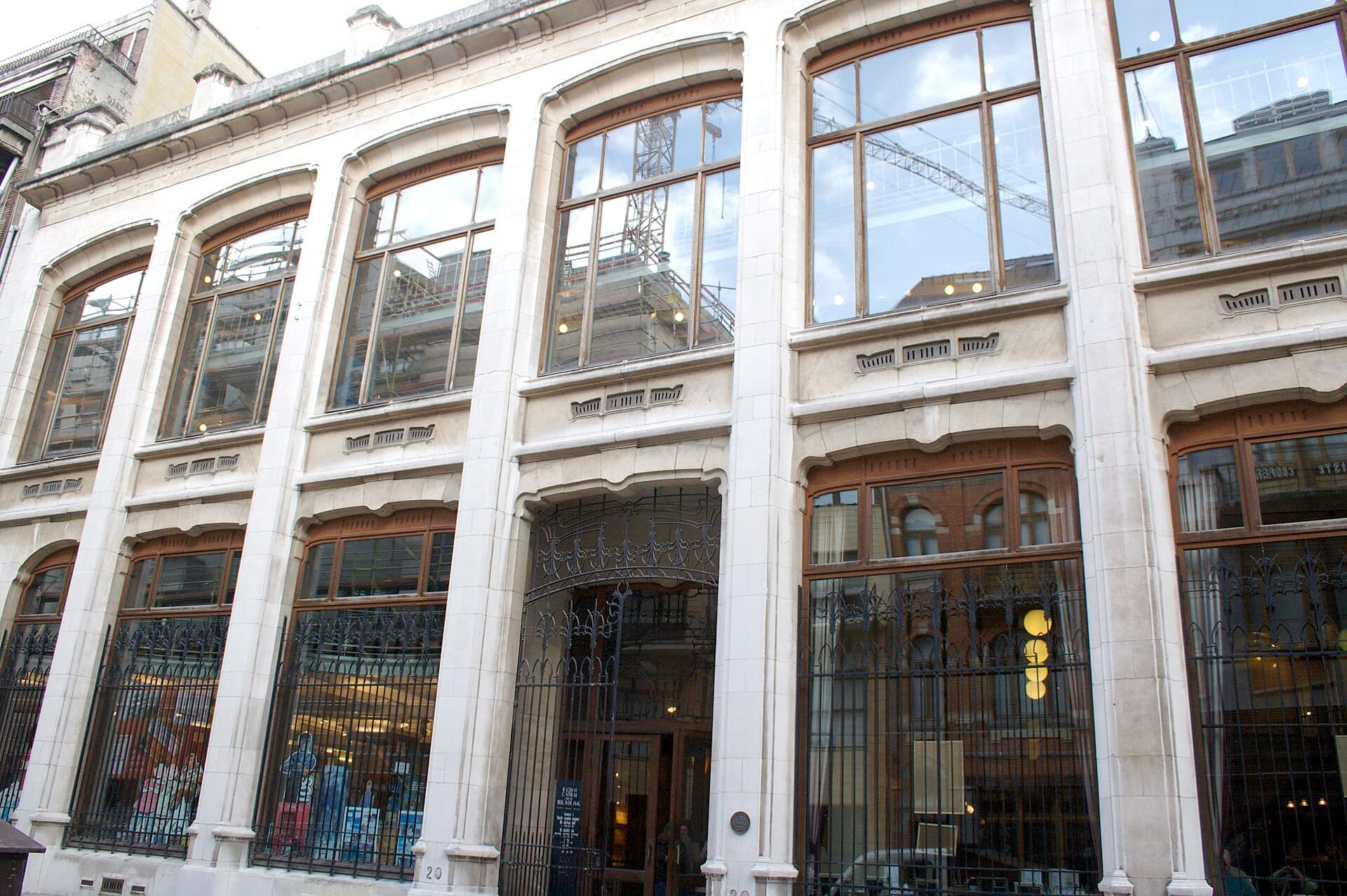 Comics Art MuseumThe Comics Art Museum is the temple of Belgian comics — for Belgium is the land 8 minutes walk4.1
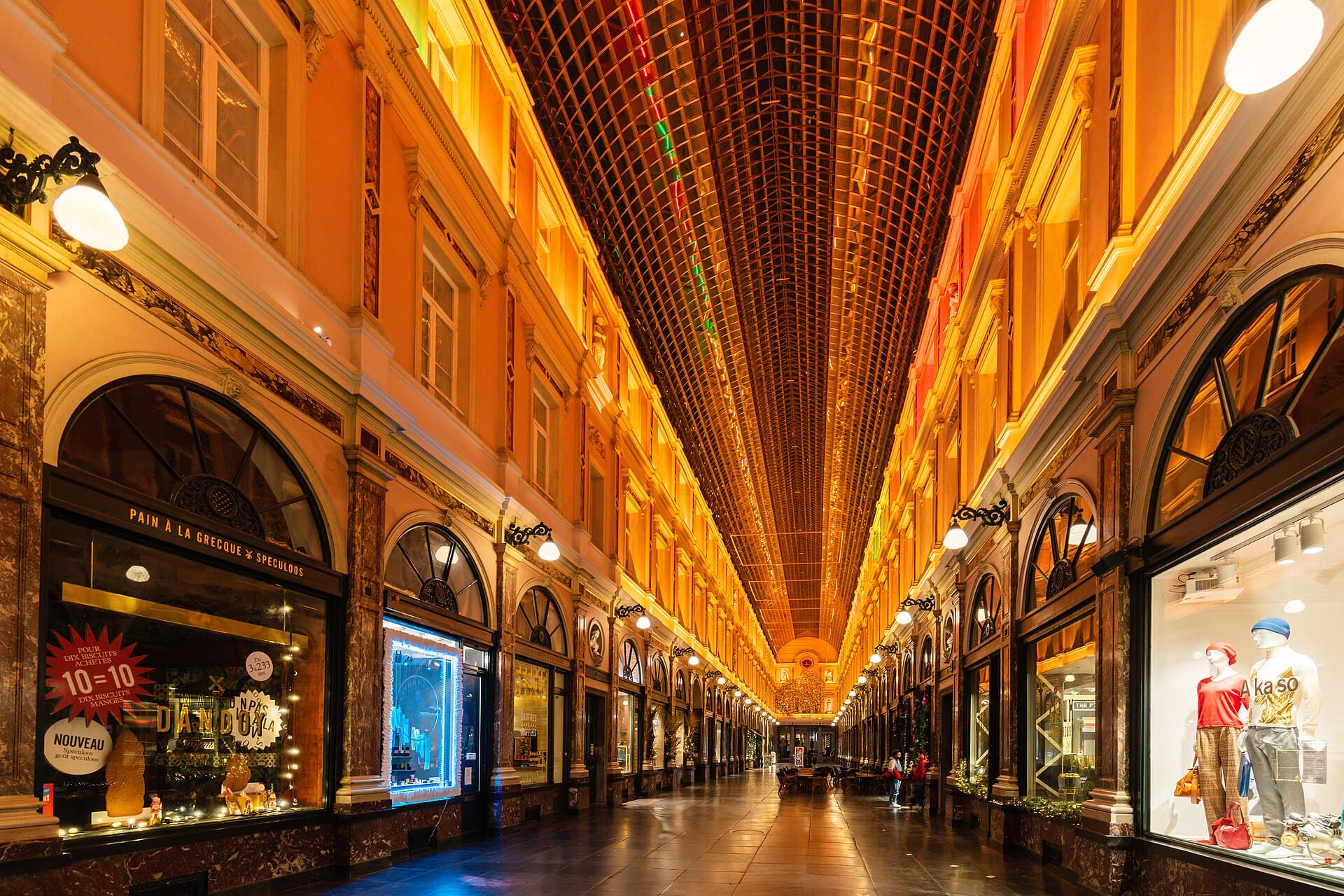 Galeries Royales Saint-HubertThe Galeries Royales Saint-Hubert are among Europe's first covered shopping arca8 minutes walk4.6
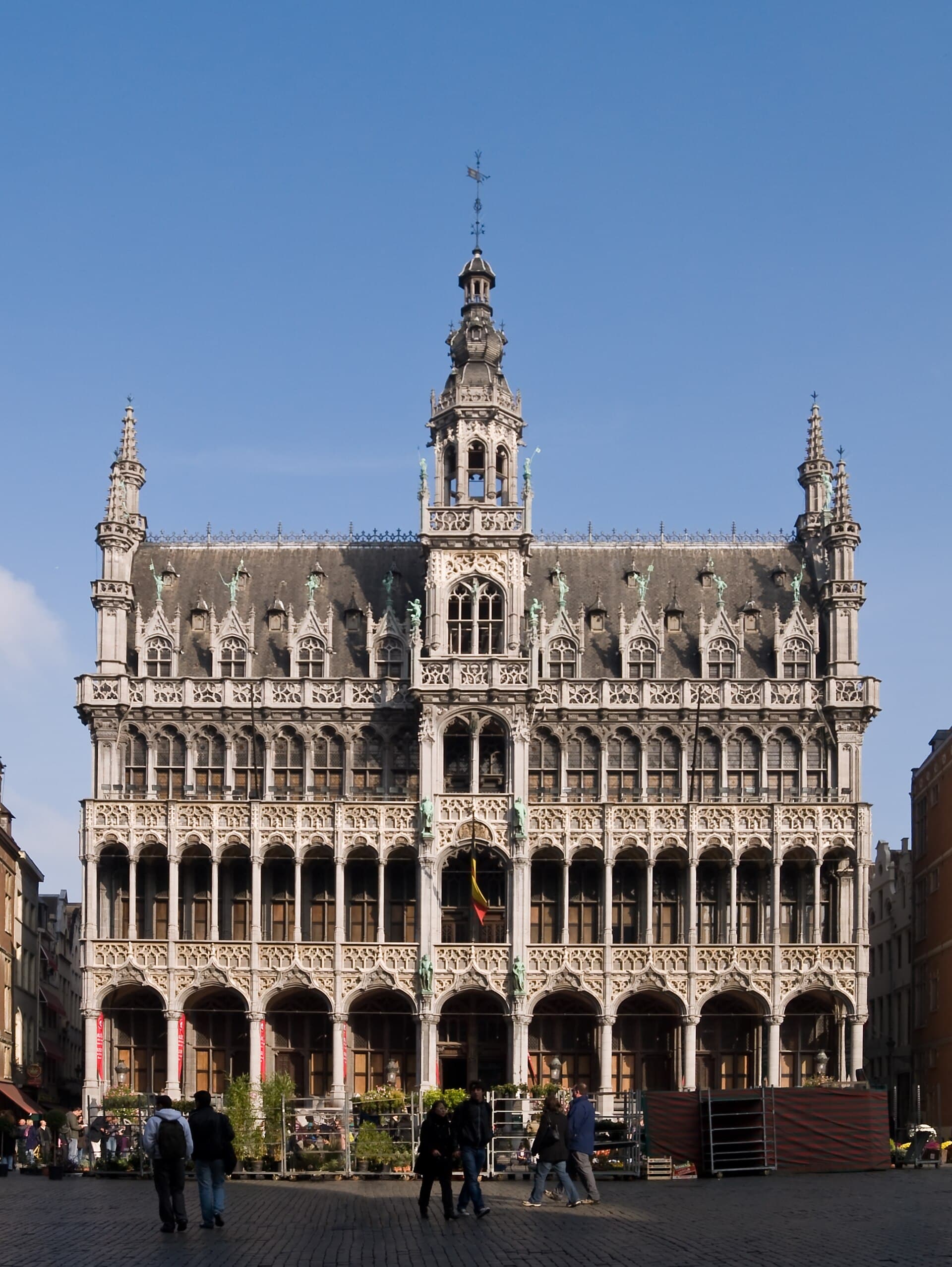 Brussels City Museum (King's House)The Brussels City Museum occupies the "King's House" — the imposing neo-Gothic b9 minutes walk4.5
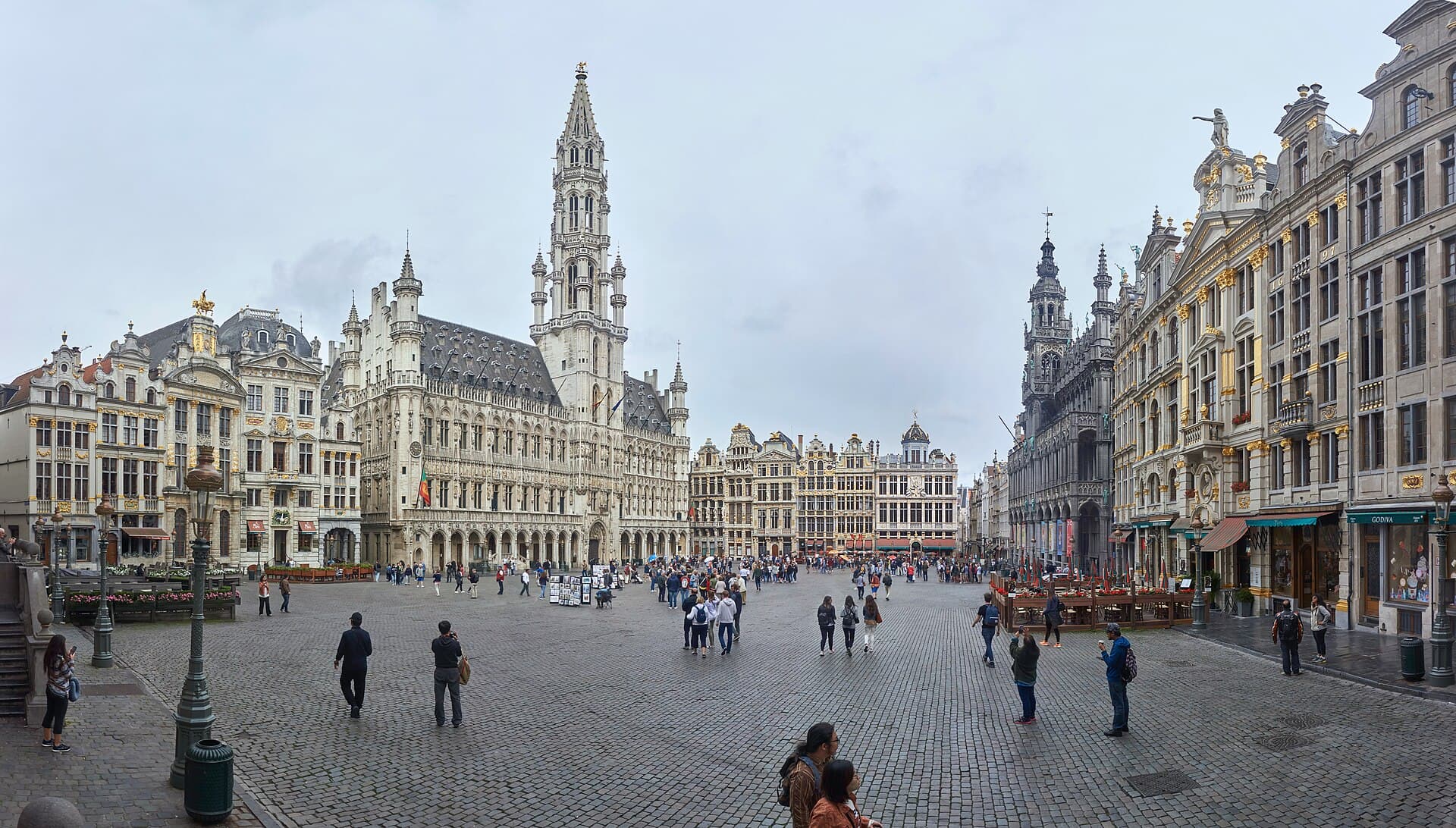 Grand-PlaceThe Grand-Place is the heart of Brussels and one of the world's most beautiful s9 minutes walk4.8
No. The treatment is documentary, presenting the history, the objects and the context calmly, and stating plainly what freemasonry is and is not, without feeding conspiracy theories and without an apologetic tone. Anyone coming for sensational secrets will be disappointed; anyone coming to understand Belgian political history will find something worthwhile.
Because the conflict between the secular liberal current and the Catholic Church shaped nineteenth-century Belgium: its education system, its political parties, even the founding of universities. Freemasonry was one organising framework within that current, so its history is part of the state's history rather than a marginal subject.