
The Monolith
A granite column close to seventeen metres, carved from one block with interlocked climbing figures.
Godot13 — CC BY-SA 4.0 · Unknown authorUnknown author — Public domain · Unknown authorUnknown author — Public domain · Unknown authorUnknown author — Public domain
Oslo's largest public park, and inside it something without parallel: more than two hundred sculptures by a single artist, Gustav Vigeland, in bronze, granite and wrought iron, laid out along one axis running roughly eight hundred metres. The idea is that the sculptures trace the human life cycle: childhood, youth, age, and the relations between generations. All the figures are nude and carry no historical features or clothing that would fix a time or place, which is deliberate so the work reads as being about people without context. Arab visitors should know this before going, since the nudity runs through the entire installation. The axis ends at the Monolith, a granite column close to seventeen metres high carved from a single block, with dozens of climbing figures interlocked on it. The other famous piece is Sinnataggen, a small angry toddler that has become a symbol of the city. The park is always open and free, with no fences and no gates, which is a considerable advantage in an expensive city. The green space around it is used by people in Oslo for running and picnics all year.
A granite column close to seventeen metres, carved from one block with interlocked climbing figures.
The small angry toddler, Norway's best-known sculpture and an image repeated everywhere in Oslo.
The whole park is Vigeland's design, including the bridge, the gates and the layout of the axis.
Kirkeveien, Frogner district, Oslo
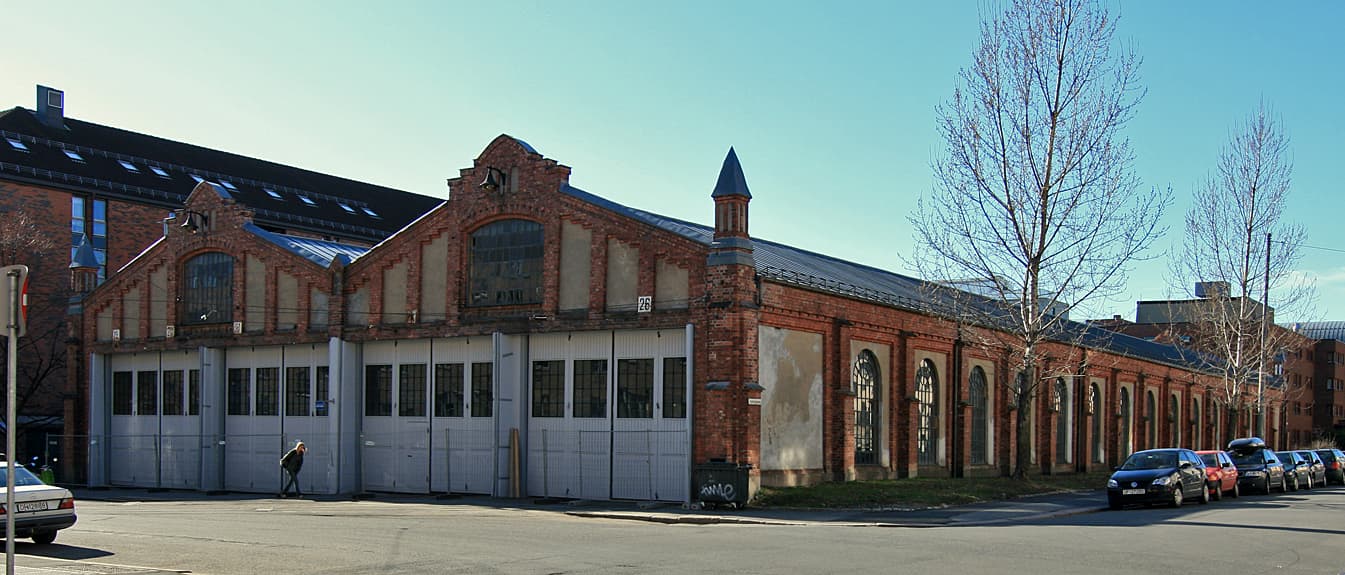 The Oslo Tramway MuseumThe Oslo Tramway Museum occupies a historic tram depot north of the centre, pres12 minutes walk4.7
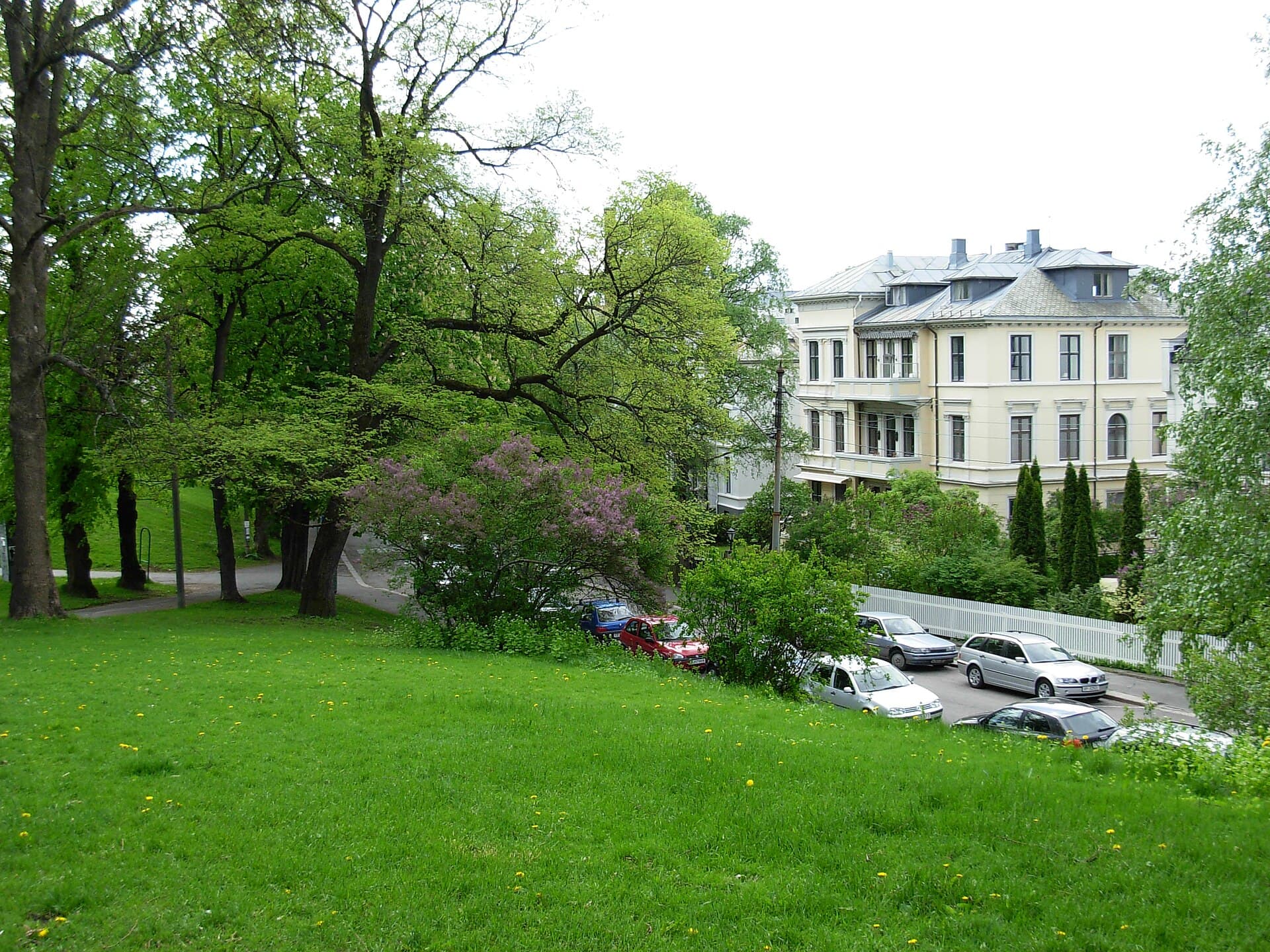 StensparkenA park on a rocky rise in the Fagerborg district north-west of central Oslo, amo21 minutes walk4.4
 Karl Johan MonumentAn equestrian statue of King Carl Johan in front of the Royal Palace in Oslo, at24 minutes walk4.5
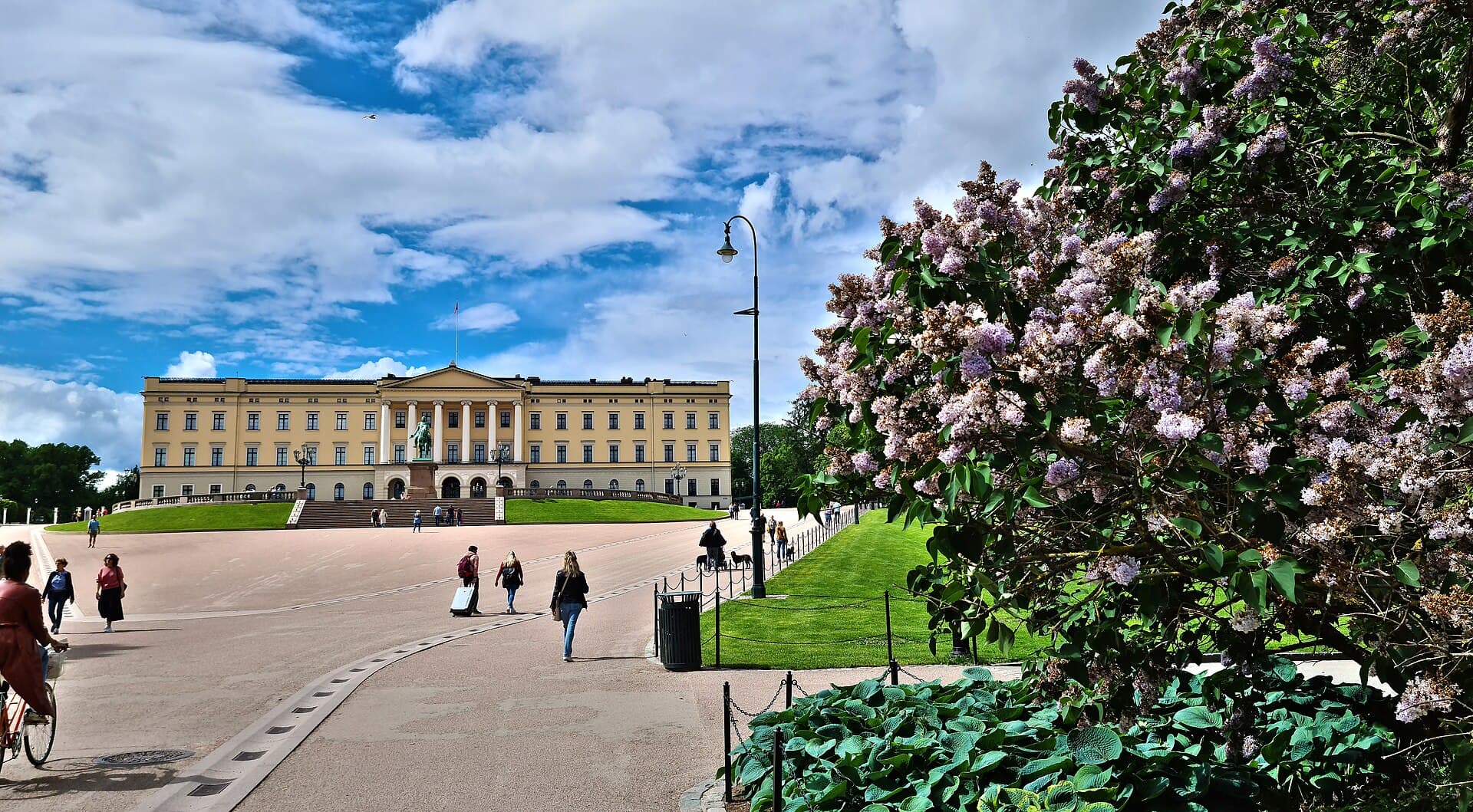 Slottsparken (Palace Park)The park surrounding the Royal Palace in Oslo, an open public space with no wall24 minutes walk4.5
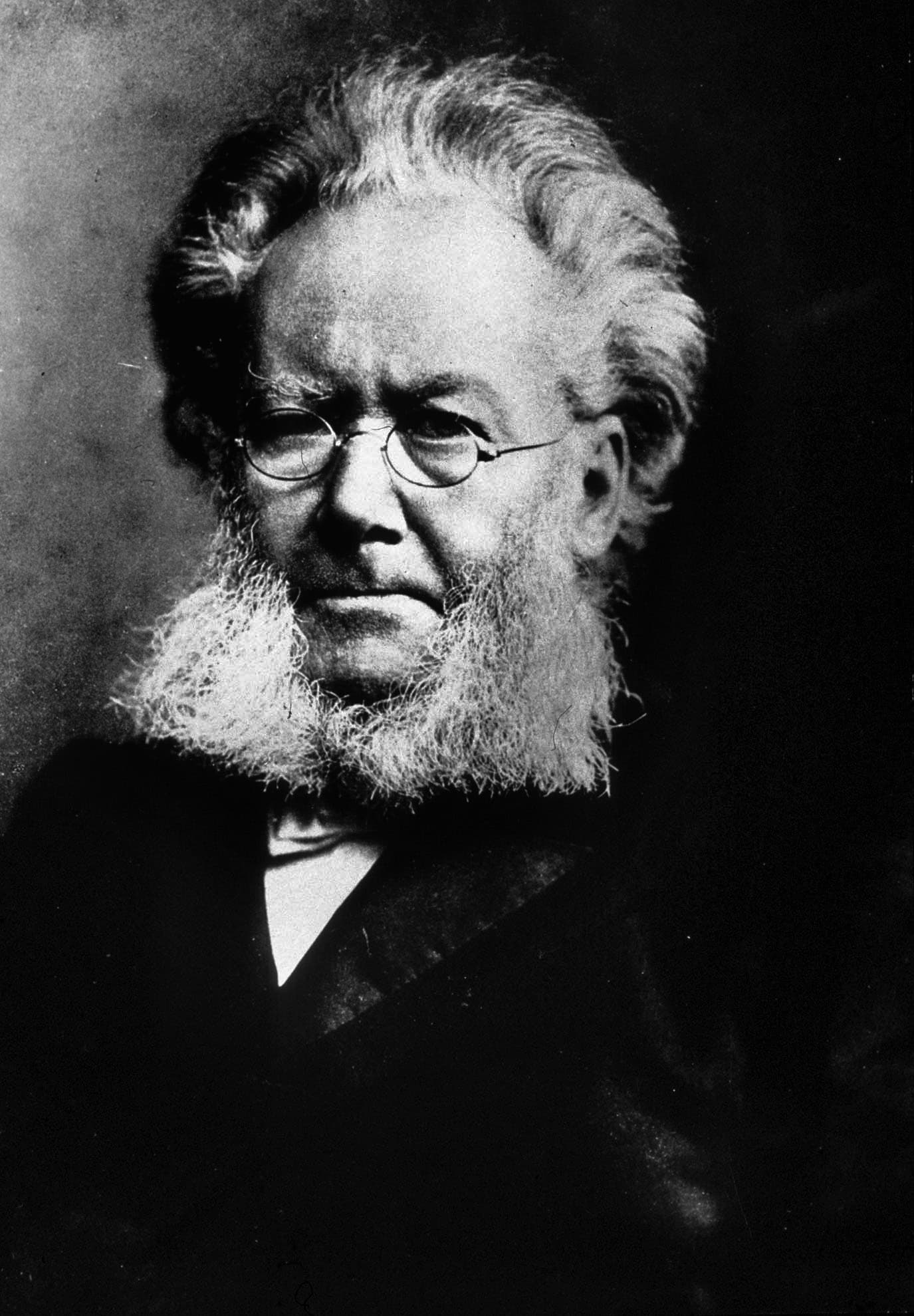 The Ibsen Museum and TheatreThe Ibsen Museum occupies the apartment where Henrik Ibsen spent the last eleven25 minutes walk4.4
That is your judgement to make. Every figure is nude. It is an artistic treatment of the human life cycle rather than anything provocative, but the nudity is comprehensive and unavoidable, since the sculptures line the park's main axis. Know that before going with children or with a conservative family.
An hour covers walking the axis and seeing the main works; two and a half if you want to wander the rest of the park. There is no ticket and no queue, so the timing is entirely flexible.
Summer is better for the weather, but the park is open all year and the granite under snow is a completely different sight worth seeing. Early morning is quieter, since tour groups fill it around midday.