
White hall
Towering.
Chongkian — CC BY-SA 4.0 · Marcin Konsek — CC BY-SA 4.0 · Pierre André Leclercq — CC BY-SA 4.0 · Bernard Gagnon — CC0
The centre of Buddhism in Mongolia and its most important monastery, founded in 1809 on a hill west of the capital. It was closed in the purges of 1939 and reopened in 1944, remaining the country's only working monastery until 1989. More than a hundred monks live here today. The monastery is a group of temples with curving gold and green roofs in Tibetan and Chinese style, centred on the towering white Migjid Janraisig hall, surrounded by small white stupas, rows of copper prayer wheels and many pigeons in the square. The best time is morning, when monks in red and yellow robes gather to chant prayers in deep voices and residents come to spin the prayer wheels and light candles. The square looks out over the city and the hills. A small entry fee; sources differ on the amount. Monasteries are living places of worship: dress modestly, walk clockwise around temples and prayer wheels, and ask before taking photos inside, as some charge a photo fee. June to September is the best time; winters are bitter, with temperatures far below freezing.
Towering.
Copper.
In the morning.
Bayangol District, west-central Ulaanbaatar
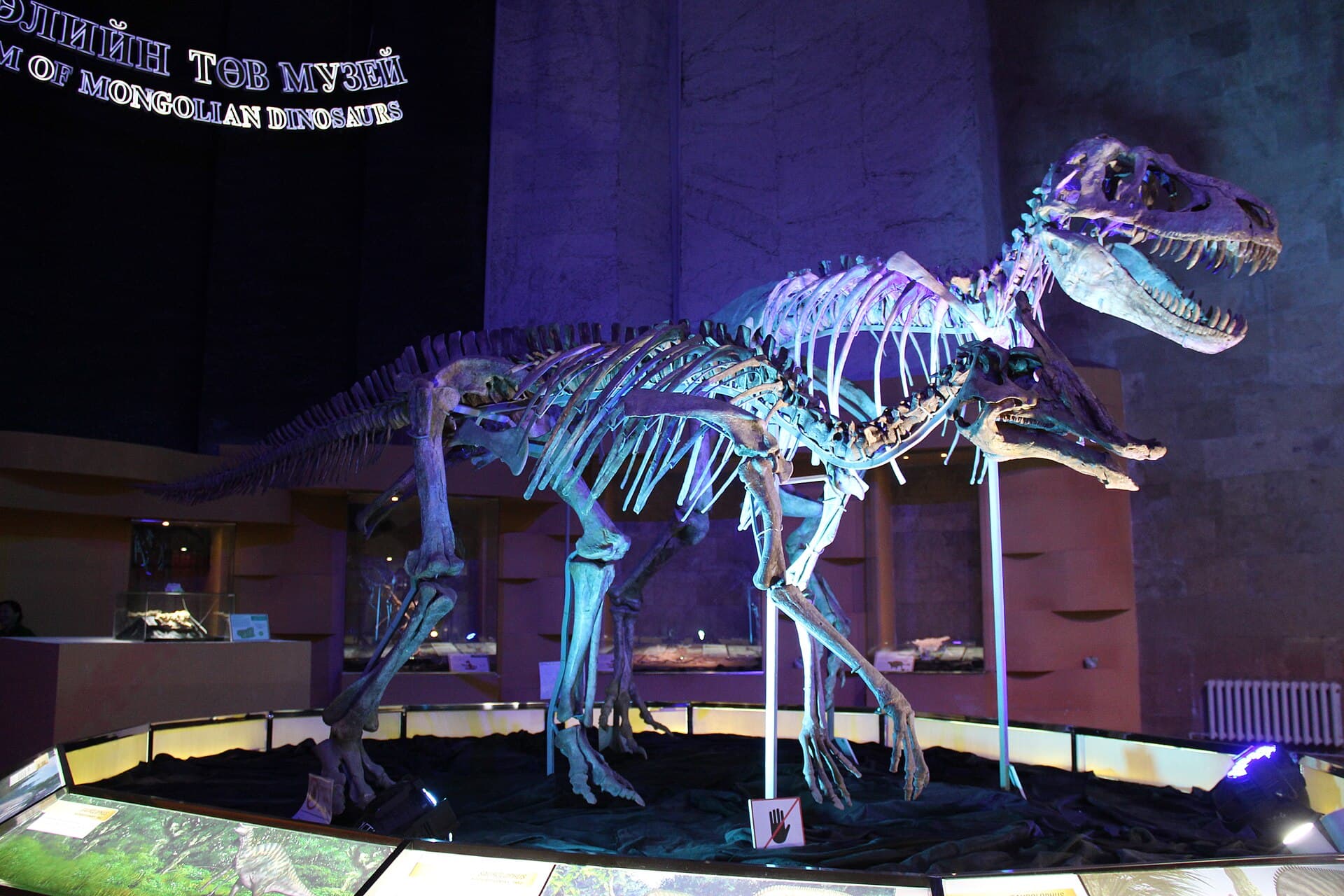 Natural History MuseumThe Natural History Museum in Ulaanbaatar is the place to see dinosaur skeletons10 minutes walk
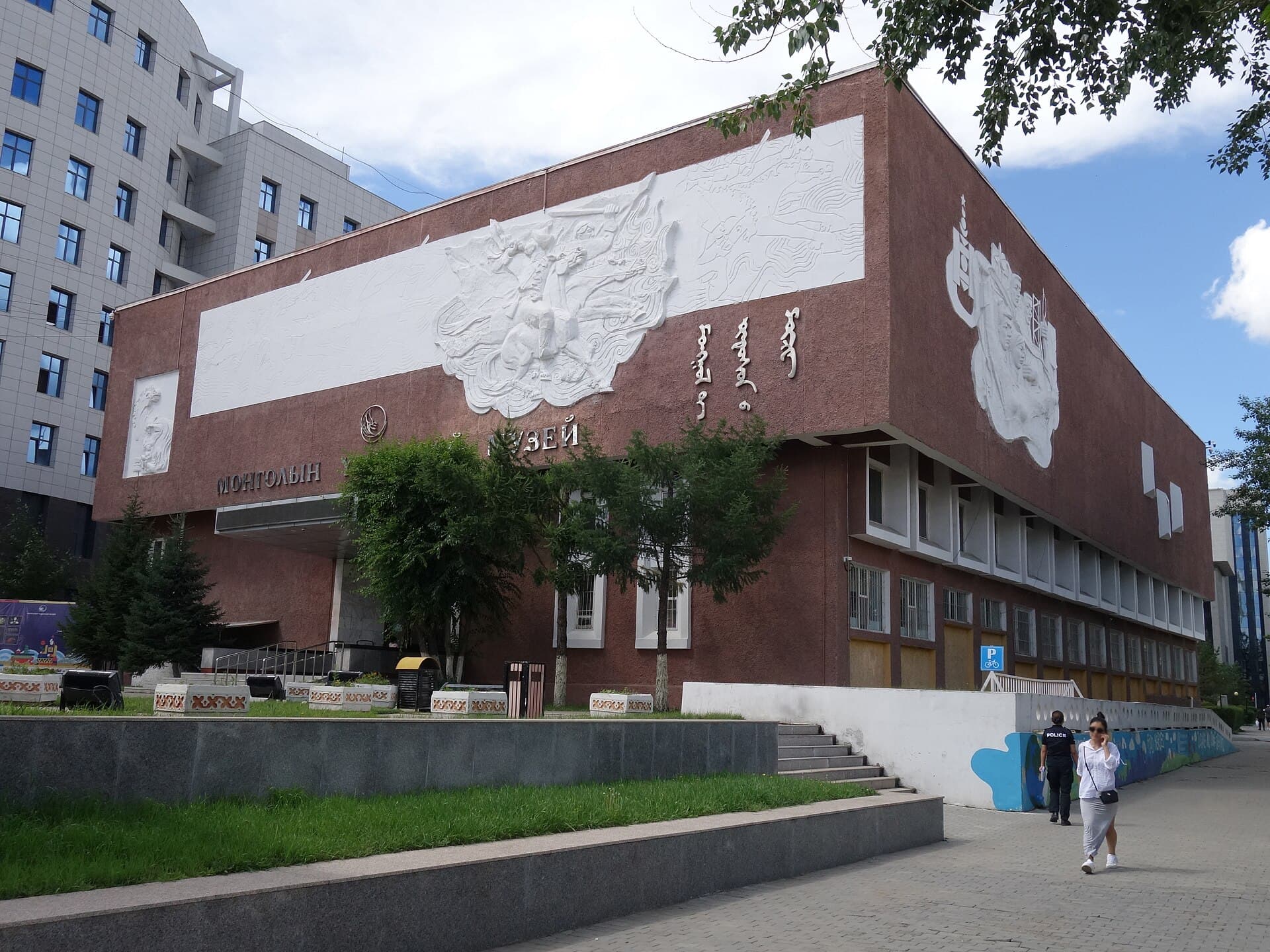 National Museum of MongoliaMongolia's foremost history museum, telling the country's story from the Stone A19 minutes walk4.5
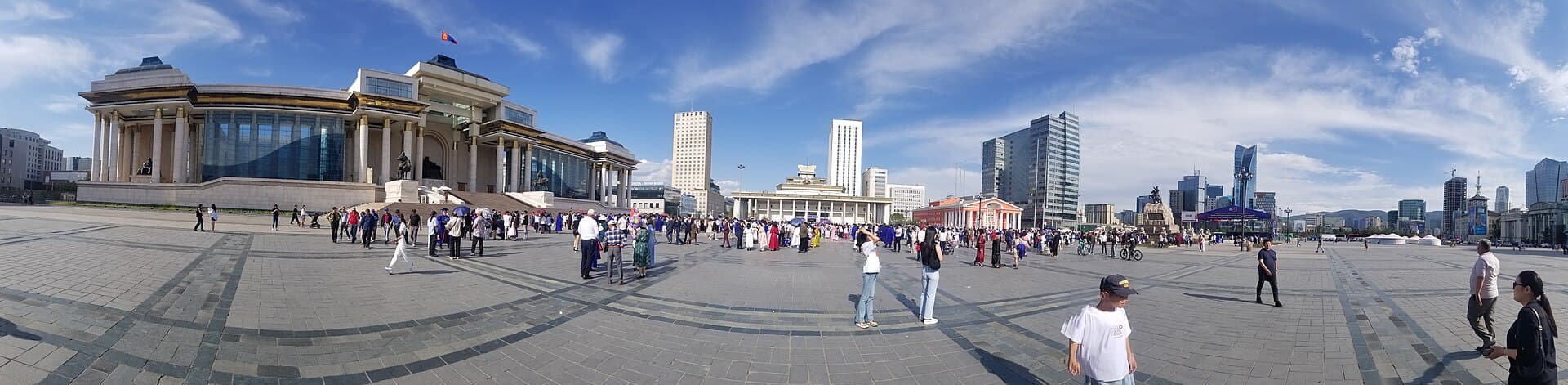 Sukhbaatar SquareThe central square of the Mongolian capital, named in 1923 after the revolutiona22 minutes walk4.5
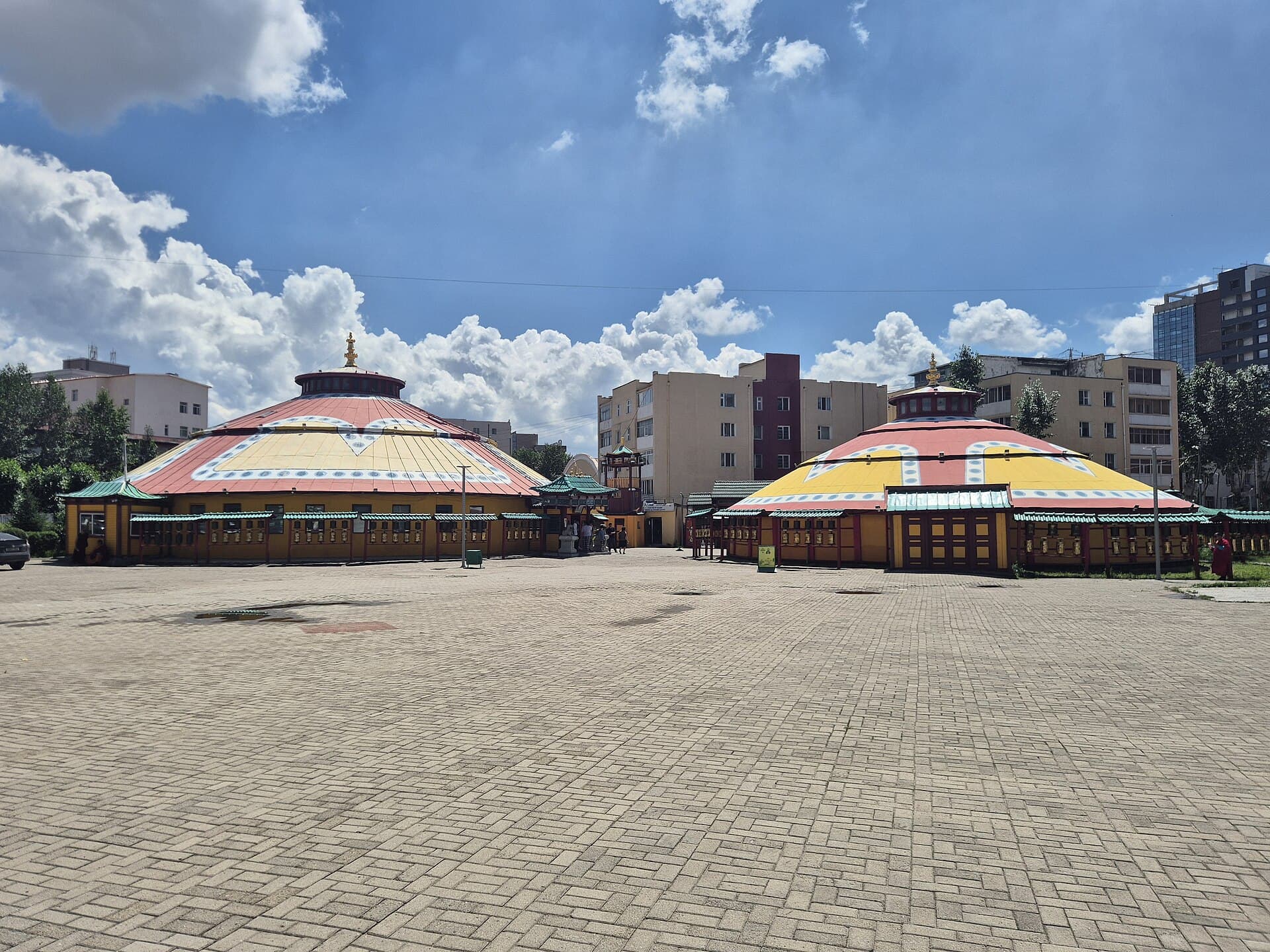 Dashchoilin MonasteryDashchoilin Monastery is a Buddhist monastery in the Sükhbaatar district of cent25 minutes walk
In the morning, when the monks chant; join special rites only if quiet attendance is allowed.