
Mongol armour
And weapons.
Chongkian — CC BY-SA 4.0 · Gary Todd from Xinzheng, China — CC0 · GerritR — CC BY-SA 4.0 · Francisco Anzola — CC BY 2.0
Mongolia's foremost history museum, telling the country's story from the Stone Age to the present across successive floors in a red building near Sukhbaatar Square. It is the best introduction to the country before heading out onto the steppe. The galleries begin with stone tools, rock carvings and ancient deer stones, then the first steppe kingdoms, leading to the hall of the Mongol Empire founded by Chinggis Khaan, with armour, weapons, saddles and maps of conquests stretching from China to Europe. Among its finest sections is the hall of traditional costume of Mongolia's peoples, with hats and silver jewellery set with stones, and a complete furnished ger explaining nomadic life, followed by the 20th century and the democratic change of 1990. A small entry fee; sources differ on the amount. June to September is the best time; winters are bitter, with temperatures far below freezing.
And weapons.
Silver jewellery.
Nomadic life.
Near Sukhbaatar Square, central Ulaanbaatar
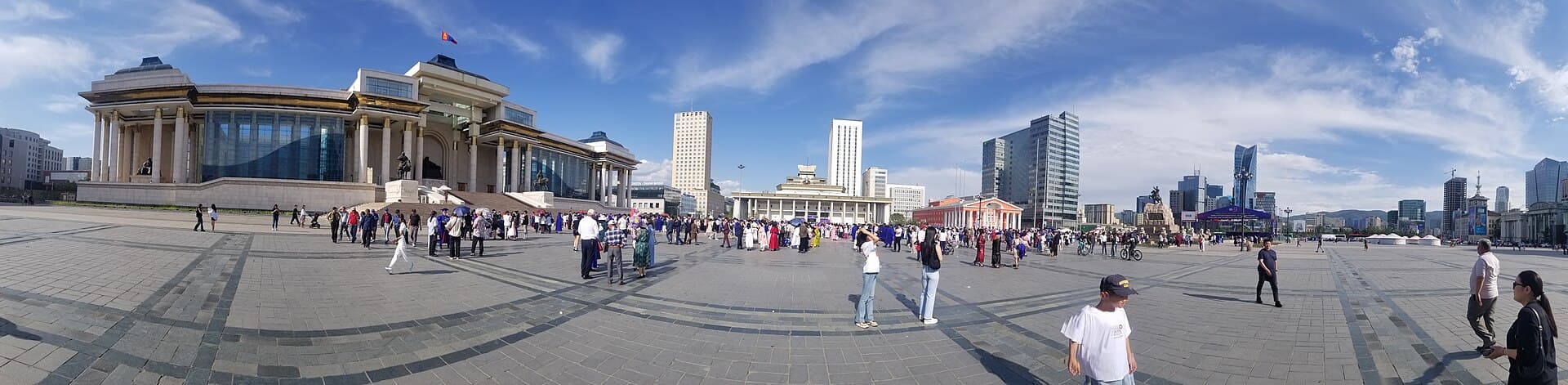 Sukhbaatar SquareThe central square of the Mongolian capital, named in 1923 after the revolutiona3 minutes walk4.5
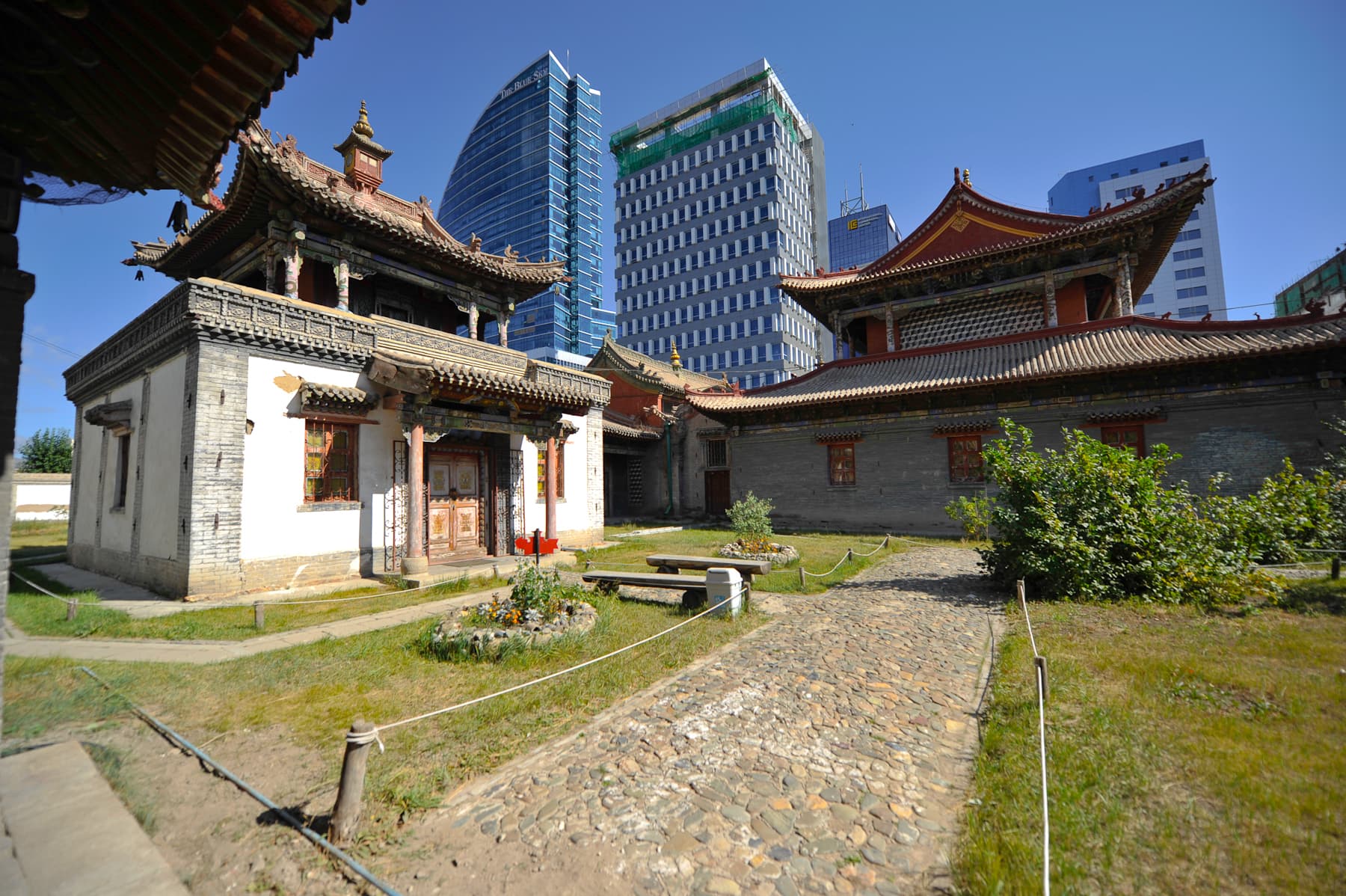 Choijin Lama TempleA small, elegant temple complex built in the early 20th century for the Bogd Kha9 minutes walk4.5
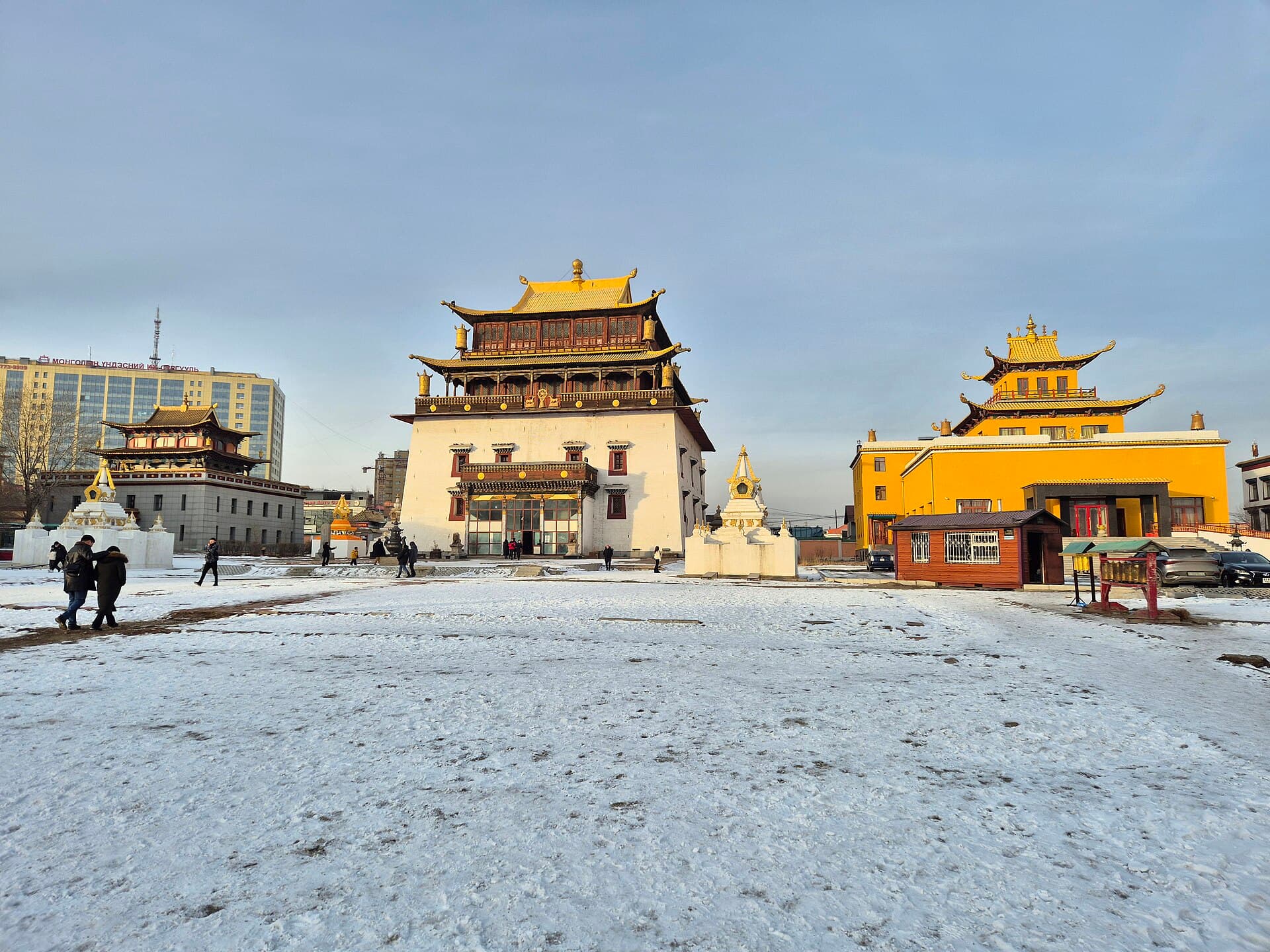 Gandan MonasteryThe centre of Buddhism in Mongolia and its most important monastery, founded in 19 minutes walk4.5
Yes, it explains Mongol history, nomadic life and dress, making a countryside trip clearer and richer.