
The dome frame
Standing since 1945.
RuinDig/Yuki Uchida — CC BY 4.0 · ::::=UT=:::: — CC BY-SA 3.0 · そらみみ — CC BY-SA 4.0 · Taisyo — CC BY 3.0 · Hyppolyte de Saint-Rambert — CC BY 4.0 · Sailko — CC BY 3.0 · Unknown — Public domain · shankar s. from Poona (pune), India, India — CC BY 2.0
A building that remained standing close to where the atomic bomb dropped on Hiroshima exploded on 6 August 1945. It is kept as a preserved ruin, a reminder of the destructive effects of nuclear war and a memorial to the more than 140,000 people killed in the bombing. UNESCO inscribed it on the World Heritage List in 1996. The building was designed by the Czech architect Jan Letzel and completed in April 1915 as the prefecture's products exhibition hall, known for the dome at its top. After the blast its outer walls and the iron frame of the dome survived, and it has been known ever since as the Atomic Bomb Dome (Genbaku Dōmu). It stands on the bank of the Motoyasu River at the northern end of Hiroshima Peace Memorial Park, behind a fence that keeps visitors back from the ruin, with panels explaining its history. From the cenotaph at the heart of the park, the dome lines up on one axis with the Peace Flame. Viewing is free and from outside at any time. It is a place of remembrance and grief, so a quiet, respectful visit suits it, and most visitors continue to the Peace Park and its museum nearby.
Standing since 1945.
Seen from across the water.
For quiet reflection.
On the Motoyasu River, at the edge of the Peace Park, central Hiroshima
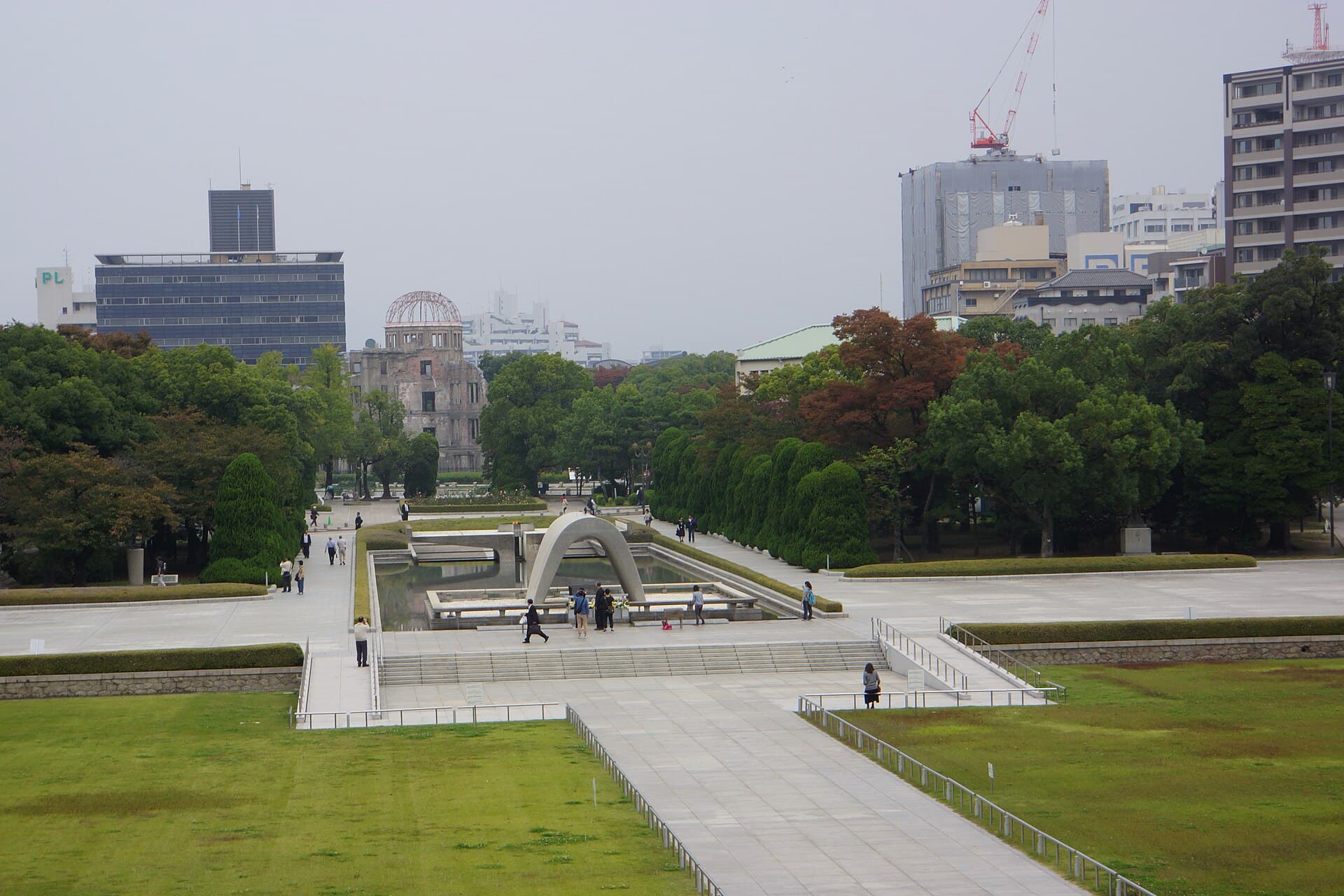 Hiroshima Peace Memorial Park and MuseumA memorial park at the heart of Hiroshima, dedicated to the city's legacy as the4 minutes walk4.8
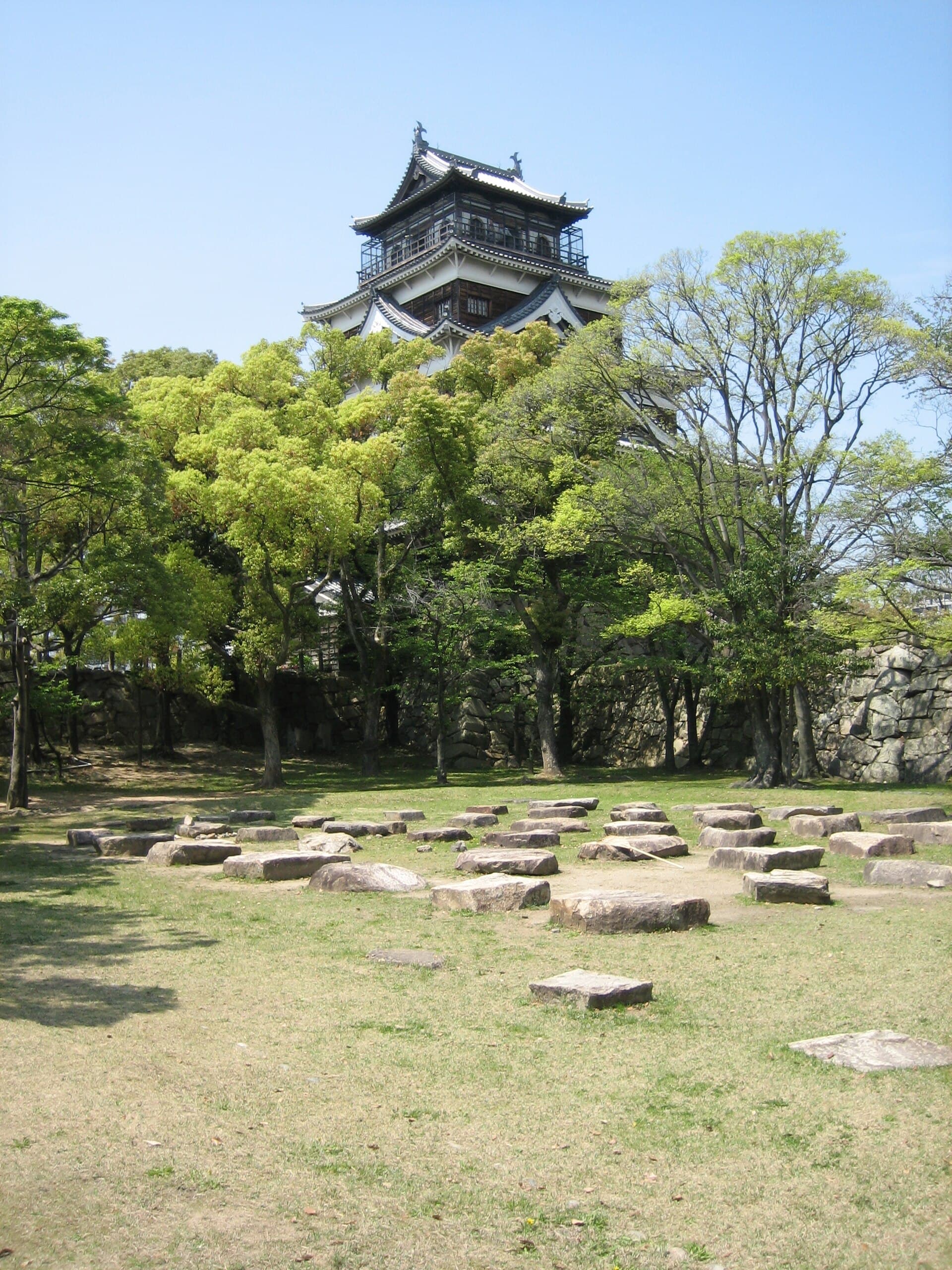 Hiroshima Castle (Carp Castle)A castle built by the warlord Mōri Terumoto between 1589 and 1599 on the delta o12 minutes walk4.1
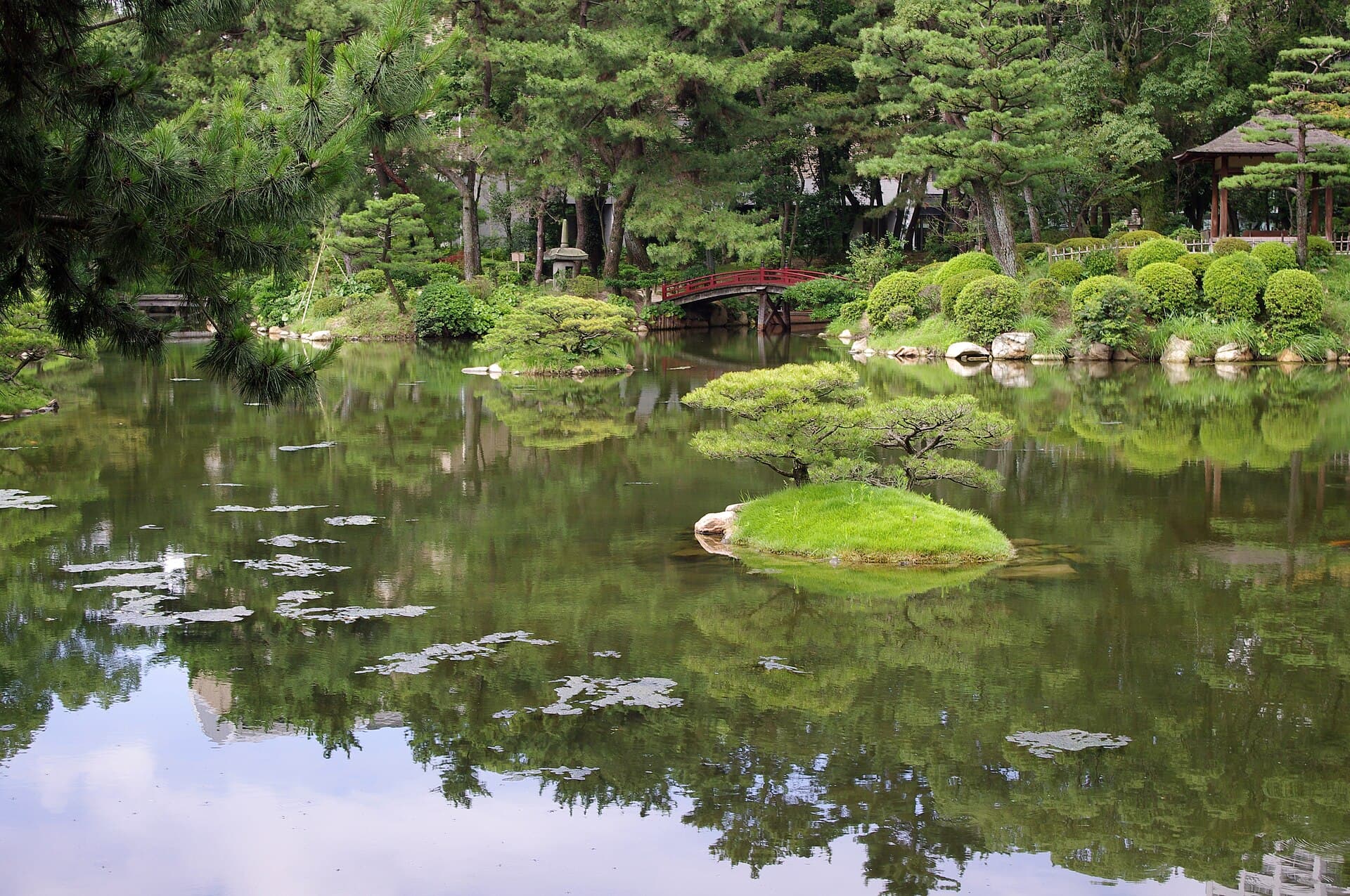 Shukkei-en GardenA historic Japanese garden in central Hiroshima, begun in 1620 in the Edo period18 minutes walk4.6
No, visitors see it from outside behind a fence that protects the ruin; viewing is free at any time.