
The smuggling devices
False-bottomed cases and dismantled cars.
--Nightflyer (talk) 08:10, 30 August 2016 (UTC) — CC BY 4.0 · --Nightflyer (talk) 08:13, 30 August 2016 (UTC) — CC BY 4.0 · Dguendel — CC BY 4.0 · Pauli-Pirat — CC BY-SA 4.0
The German Customs Museum occupies a genuine customs office building in the Speicherstadt — the brick warehouse district inscribed on the World Heritage list. The location makes complete sense: the Speicherstadt was itself built as a duty-free zone, so the history of the quarter and the history of customs are one. The exhibits are far more entertaining than the museum's name suggests: real seizures from decades of work — suitcases with false bottoms, cars dismantled to hide goods inside their bodywork, hollowed-out statues, and smuggling devices ingenious enough to impress despite their purpose. There is also a section on the trafficking of endangered animals and their products. The second half explains how customs work: scanning equipment, detection dogs, patrol boats and border procedure. Entry is free and the museum is small — an hour covers it — and it sits on a canal inside the Speicherstadt, so it slots easily into a walk through the district.
False-bottomed cases and dismantled cars.
A district built as a duty-free zone.
Alter Wandrahm 16, 20457 Hamburg
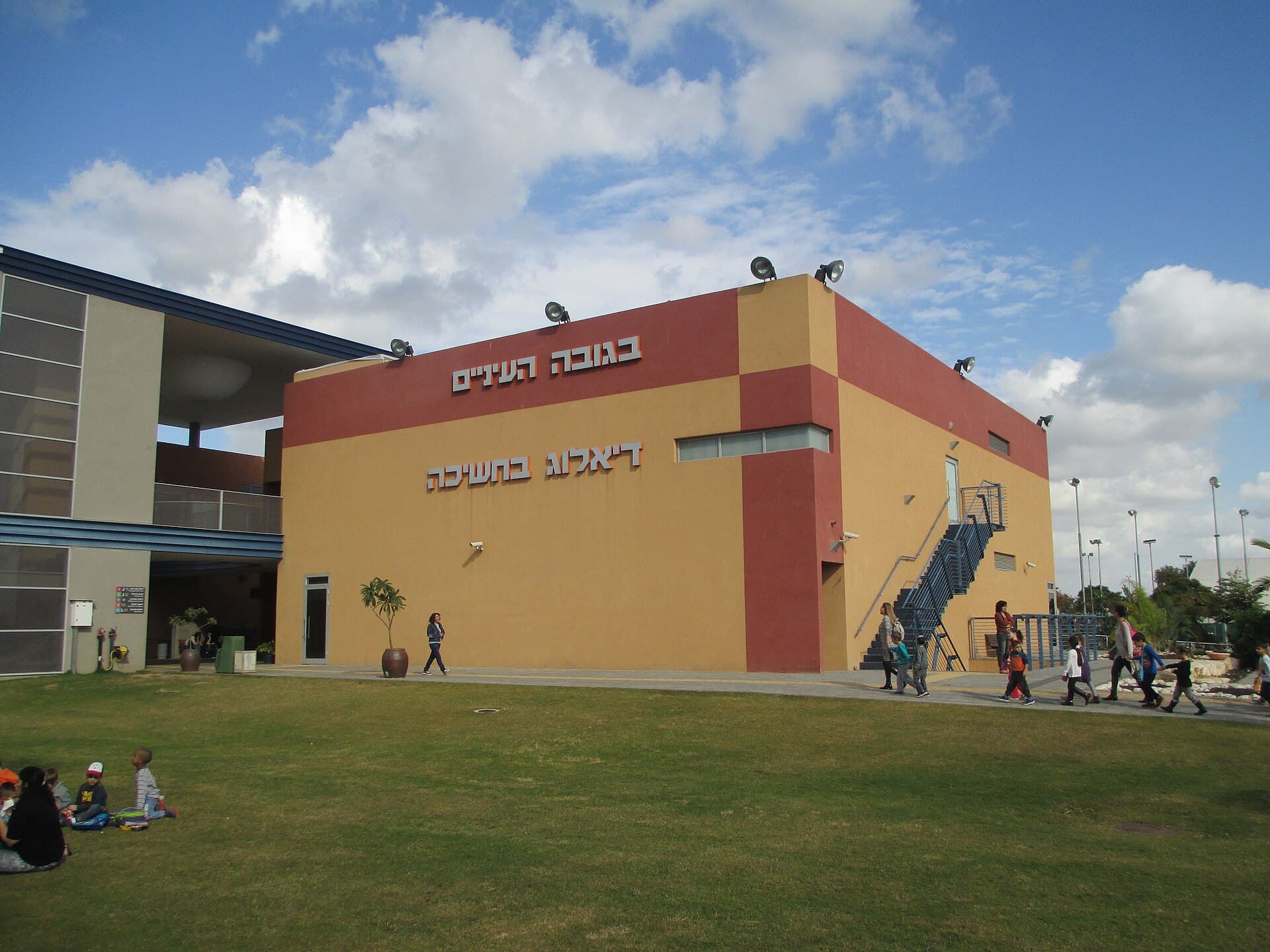 Dialogue in the DarkDialogue in the Dark is not an exhibition to view but an experience to undergo i2 minutes walk4.7
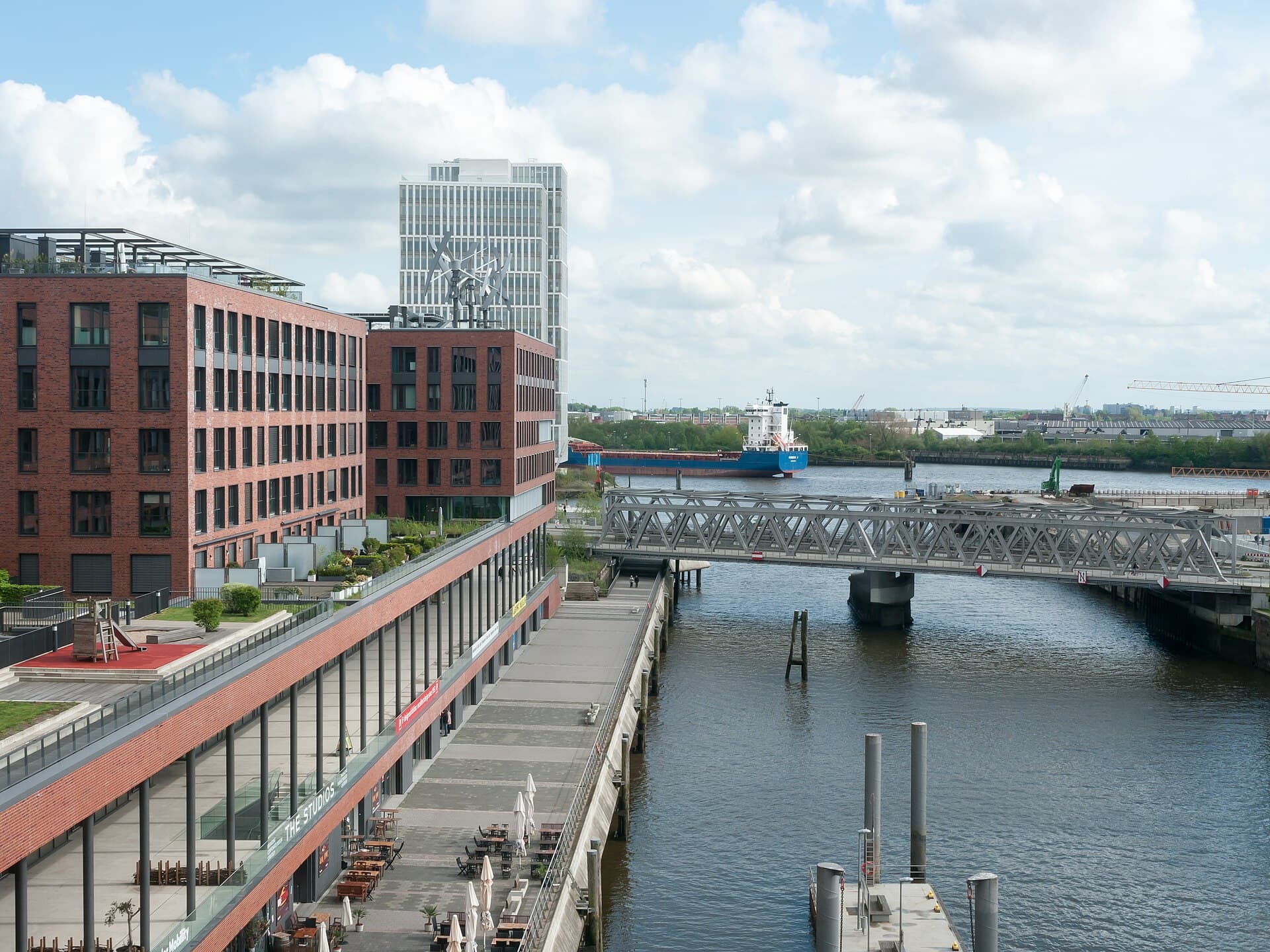 International Maritime MuseumThe International Maritime Museum occupies the oldest surviving warehouse in the3 minutes walk4.8
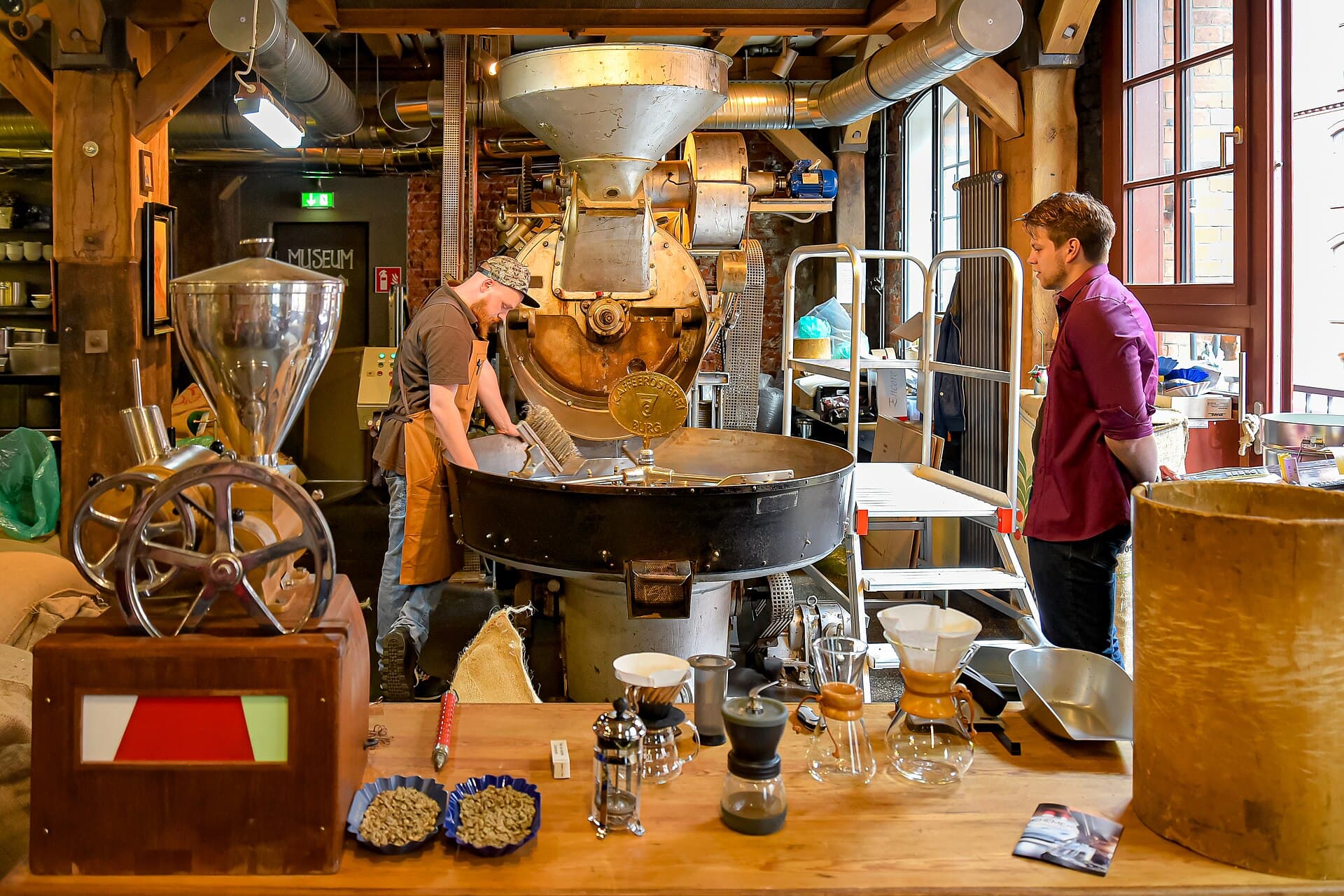 Kaffeemuseum BurgA small coffee museum inside the Speicherstadt, Hamburg's red-brick warehouse di3 minutes walk4.6
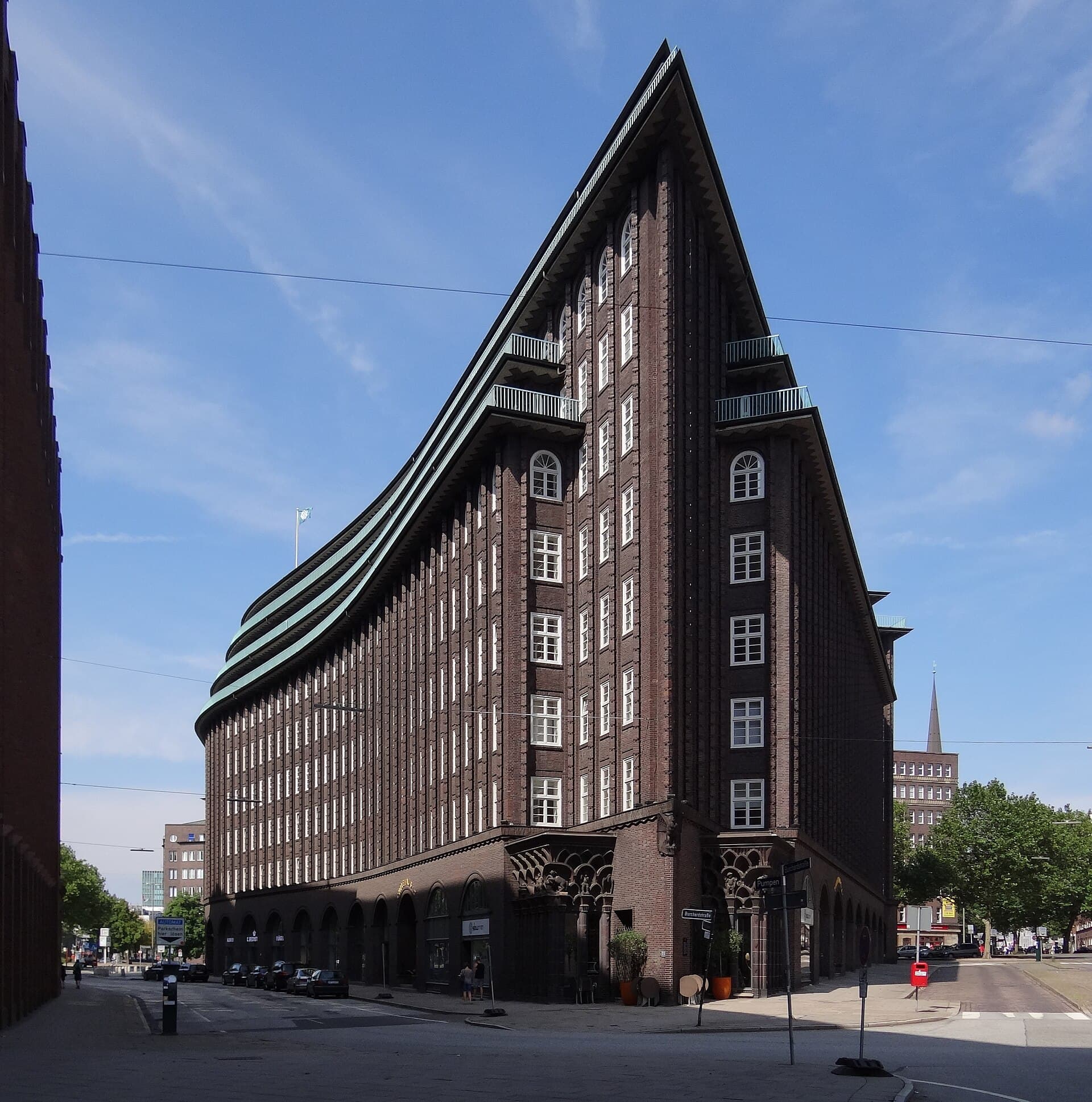 ChilehausThe Chilehaus is a brick office building of 1924, among the best-known works of 4 minutes walk4.6
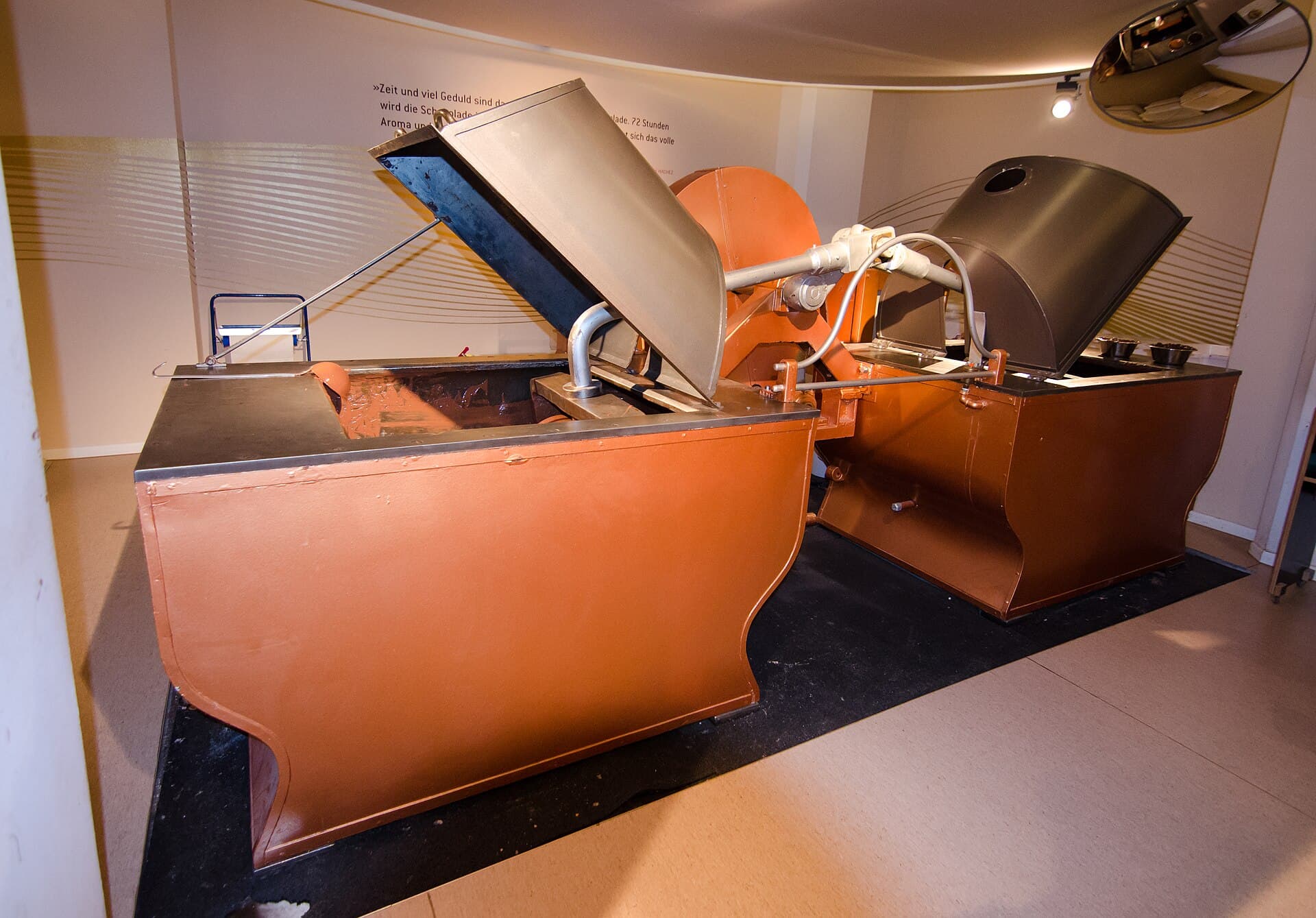 ChocoversumChocoversum is a chocolate museum in central Hamburg, but it does not work like 4 minutes walk4.5
Because Hamburg joined the German customs union in 1888 on condition of keeping a duty-free area inside its port, protecting its entrepôt trade. An entire residential quarter was demolished and thousands displaced to build the brick warehouses on tidal canals. Goods could be stored and processed there without duty unless they entered the German market.