
Hanamikōji Street
Wooden houses and lanterns.
663highland — CC BY 2.5 · くろふね — CC BY 3.0 · Kanchi1979 — CC BY-SA 4.0 · mariemon — CC BY 3.0 · Emran Kassim from Jhb, my, Japan — CC BY 2.0 · Zairon — CC BY-SA 4.0 · Steve Collis from Melbourne, Australia — CC BY 2.0 · Piet Parkiet — CC BY 4.0
Kyoto's best-known traditional district. It began as an entertainment quarter in the Sengoku period in front of Yasaka Shrine (Gion Shrine), serving the shrine's visitors, and grew into Japan's most famous geisha district, where geisha are called geiko. Its loveliest street is Hanamikōji, a paved lane lined with traditional wooden houses with latticed fronts and paper lanterns, home to refined Japanese restaurants and teahouses, at its most beautiful in the evening when the lanterns glow. At the eastern end of Shijō Street stands Yasaka Shrine with its great orange gate; building began in 656, and every summer it hosts the Gion Matsuri, one of Japan's most famous festivals. Walking around is free. Some of Gion's private lanes are off-limits to visitors and signs there ban photography, so follow them, and do not block the way of geiko or photograph them without permission. Evening is the loveliest time to stroll, and Gion combines easily with Yasaka Shrine and Kiyomizu-dera.
Wooden houses and lanterns.
Its orange gate.
The best time to stroll.
Higashiyama, eastern Kyoto, in front of Yasaka Shrine
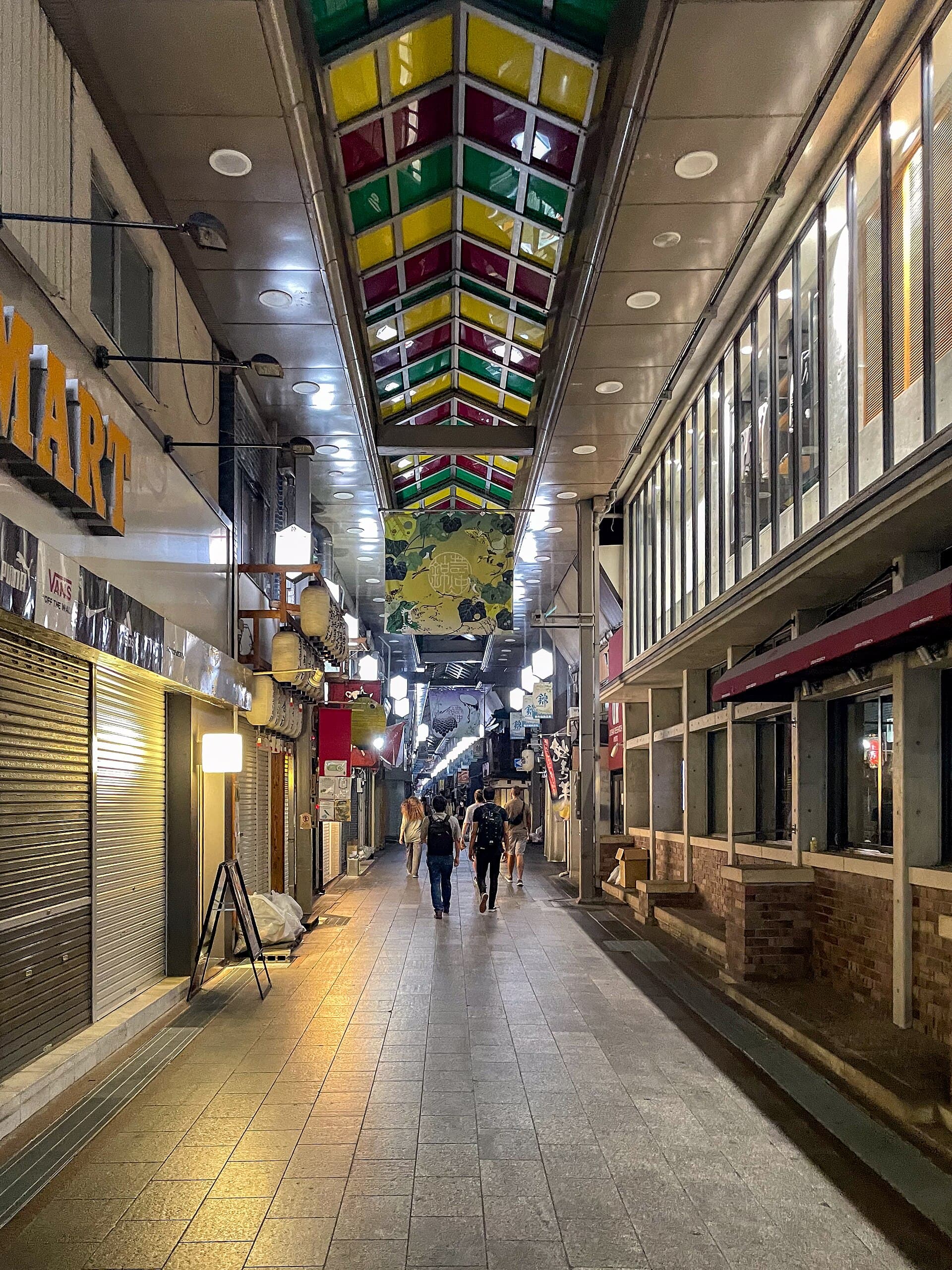 Nishiki MarketA narrow covered market in central Kyoto, on Nishikikōji Street parallel to Shij12 minutes walk4.4
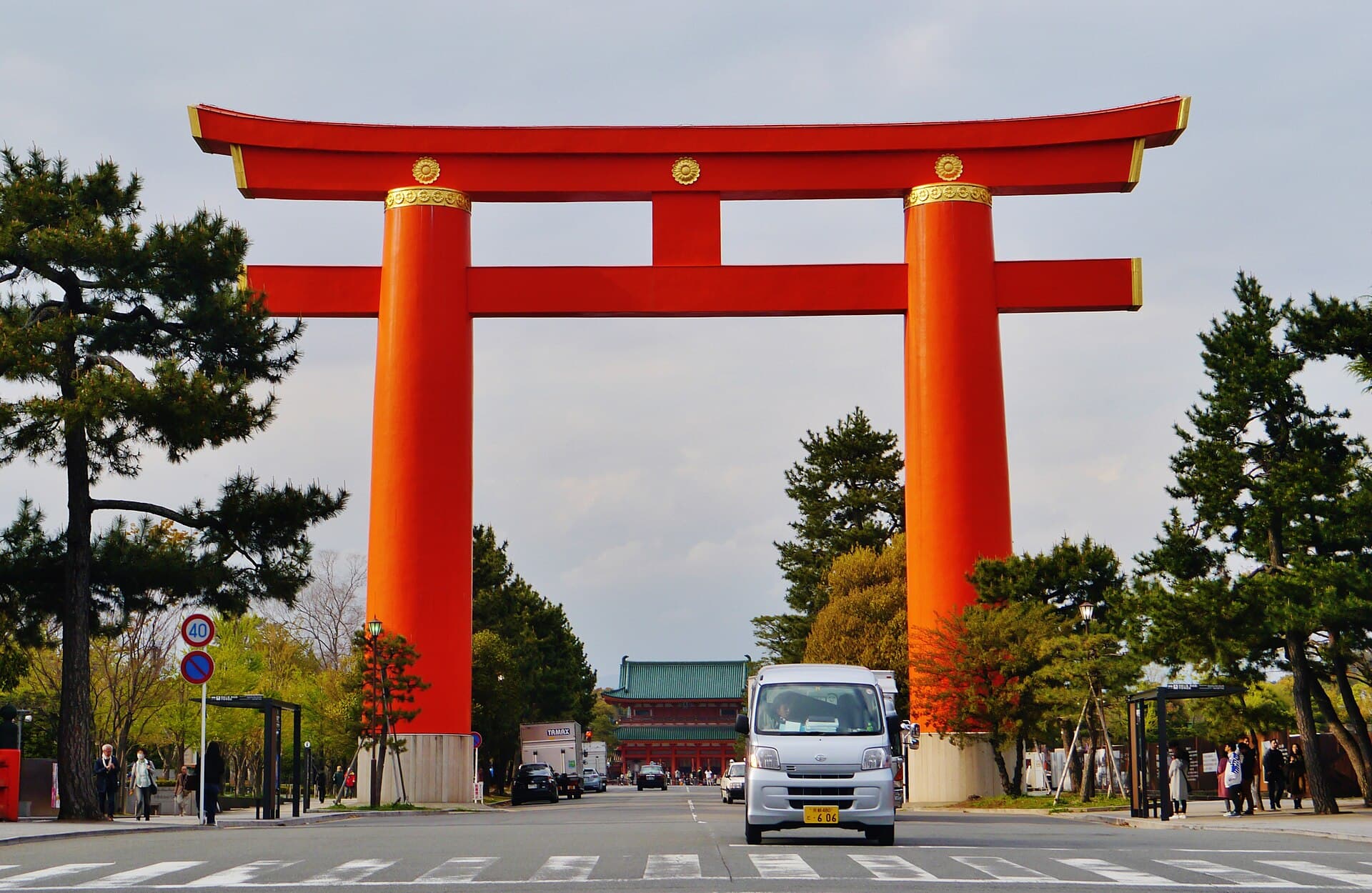 Heian ShrineA Shinto shrine in Okazaki, built in 1895 as a five-eighths scale reproduction o17 minutes walk4.5
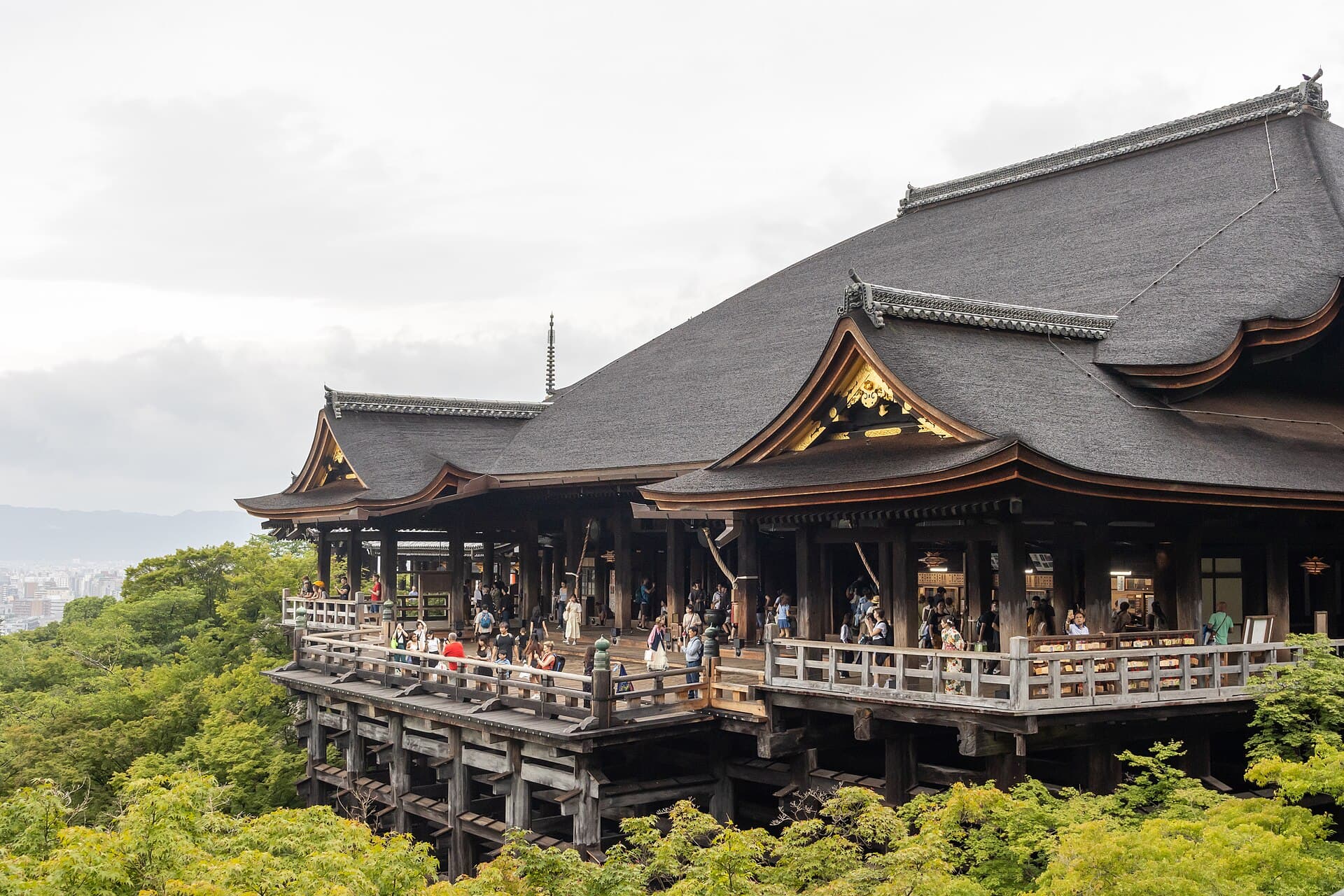 Kiyomizu-dera TempleA Buddhist temple on the slopes of Mount Otowa in eastern Kyoto, its name meanin18 minutes walk4.7
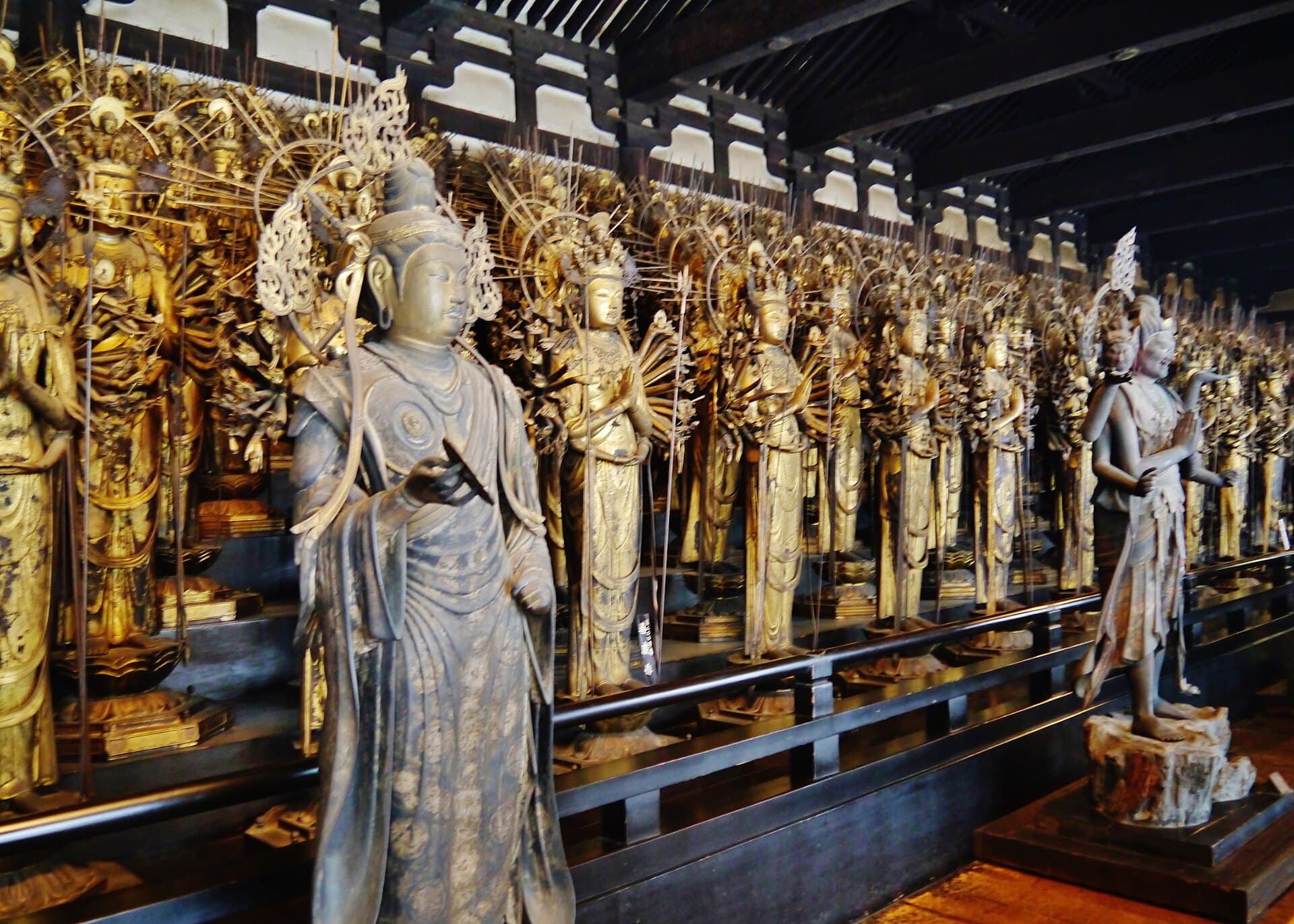 Sanjūsangen-dō TempleA Buddhist temple in Higashiyama, officially Rengeō-in, founded in 1164 by the s25 minutes walk4.8
On the public streets yes, but some private lanes are off-limits and signs there ban photography, and do not photograph geiko without permission.