
Kibble Palace
A Victorian dome of iron and glass moved here in 1873, sheltering tree ferns more than 120 years old and marble statues, and the finest thing on the site.
No machine-readable author provided. Finlay McWalter assumed (based on copyright claims). — CC BY-SA 3.0 · Scottish Government — CC BY 2.0 · Scottish Government — CC BY 2.0 · Scottish Government — CC BY 2.0
A dome of iron and glass a century and a half old, born as a private conservatory on the shore of Loch Long, then dismantled, shipped and re-erected here in 1873: that is Kibble Palace, and it is the real reason to visit Glasgow Botanic Gardens. Under its Victorian curves grow giant tree ferns, some of which have lived here for more than 120 years and together form the UK national collection, with white marble statues lining the paths in a warm damp haze that makes stepping back out into Glasgow air feel like a slap. A restoration between 2004 and 2006 returned the building to a shine it had not had since its first decade. The gardens sit at the top of Byres Road in the West End and belong to the city council, which is why everything here is free: grounds and glasshouses alike, no ticket, no booking. Beyond Kibble Palace a second range of glasshouses holds cacti, orchids, begonias and tropical plants, and outside there is a rose garden, a herb garden and an arboretum sloping down to the River Kelvin, which runs along the northern edge through a strip of woodland you can walk. The main paths are surfaced and largely level, pushchairs roll through without trouble, and a waymarked trail is laid out for families with young children. Be honest about scale: this is not Kew and it is not Edinburgh's Royal Botanic Garden. It is a handsome neighbourhood garden that fills an hour or two before you carry on down Byres Road to its cafés, or walk the twenty minutes to Kelvingrove Museum. In summer the place is at its best and the sloping lawns turn into a fine picnic ground for children. In winter the outdoor beds are drab under grey skies and the glasshouses shut at 16:15, at which point Kibble Palace alone justifies the trip, and it does. Getting here is easy: Hillhead station on the Glasgow Subway is about seven minutes on foot, there is no public parking inside the gardens, but on-street parking is available on Queen Margaret Drive beside the entrance. Inside there is a council-run tearoom and toilets. Nothing here demands a full day, but it is a calm, worthwhile stop to open a West End morning.
A Victorian dome of iron and glass moved here in 1873, sheltering tree ferns more than 120 years old and marble statues, and the finest thing on the site.
A smaller run of houses beside the palace with cacti, orchids and tropical plants, warm and welcoming on a wet day.
Woodland paths drop from the arboretum to the river on the north side, a quiet stretch to walk away from the bustle of Byres Road.
730 Great Western Road, Glasgow G12 0UE
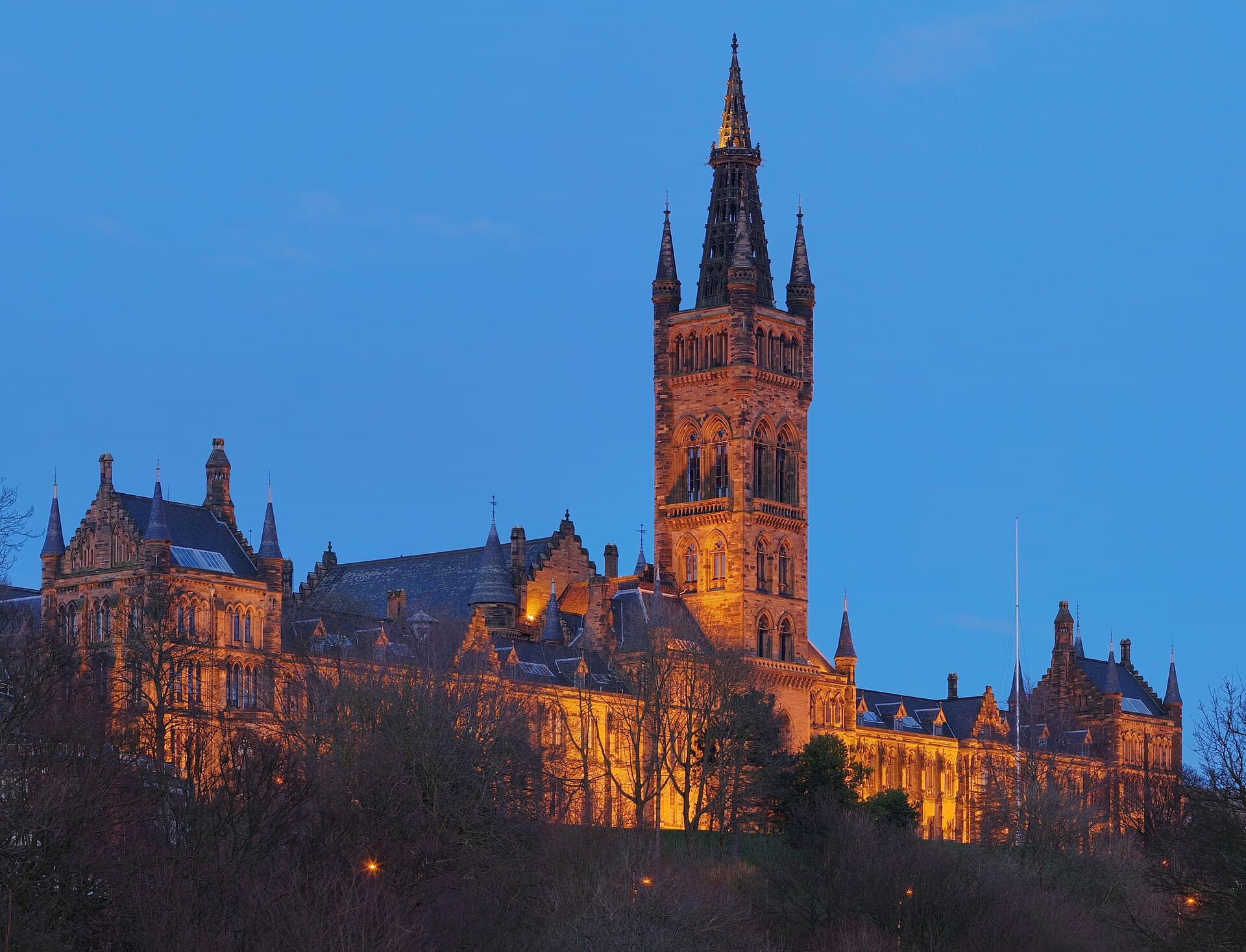 University of GlasgowAn 85-metre tower looks down on the whole of Glasgow, and beneath it stands the 11 minutes walk4.7
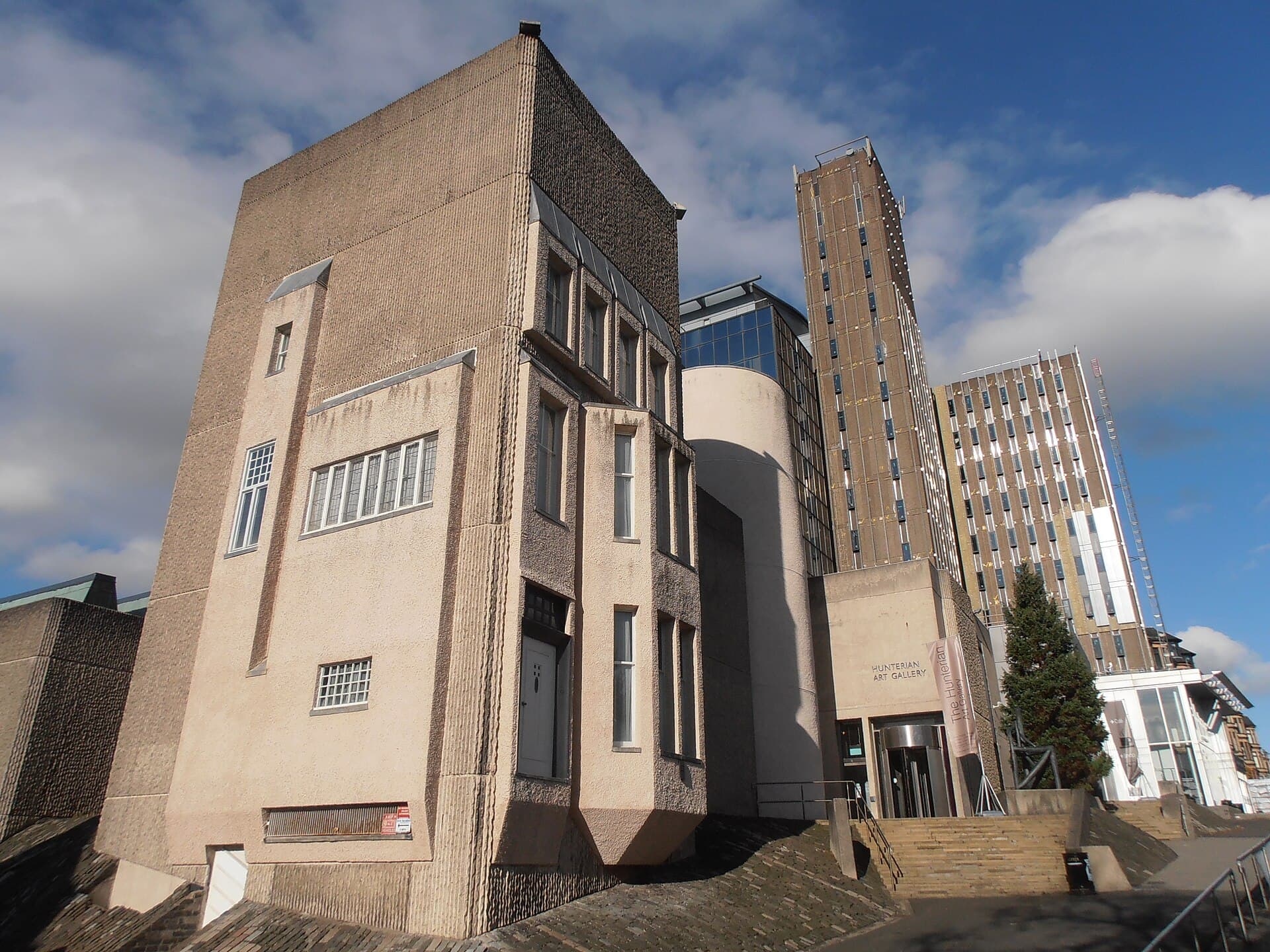 The Hunterian Museum and Art GalleryScotland's oldest public museum began as a doctor's will. William Hunter, the ei12 minutes walk4.5
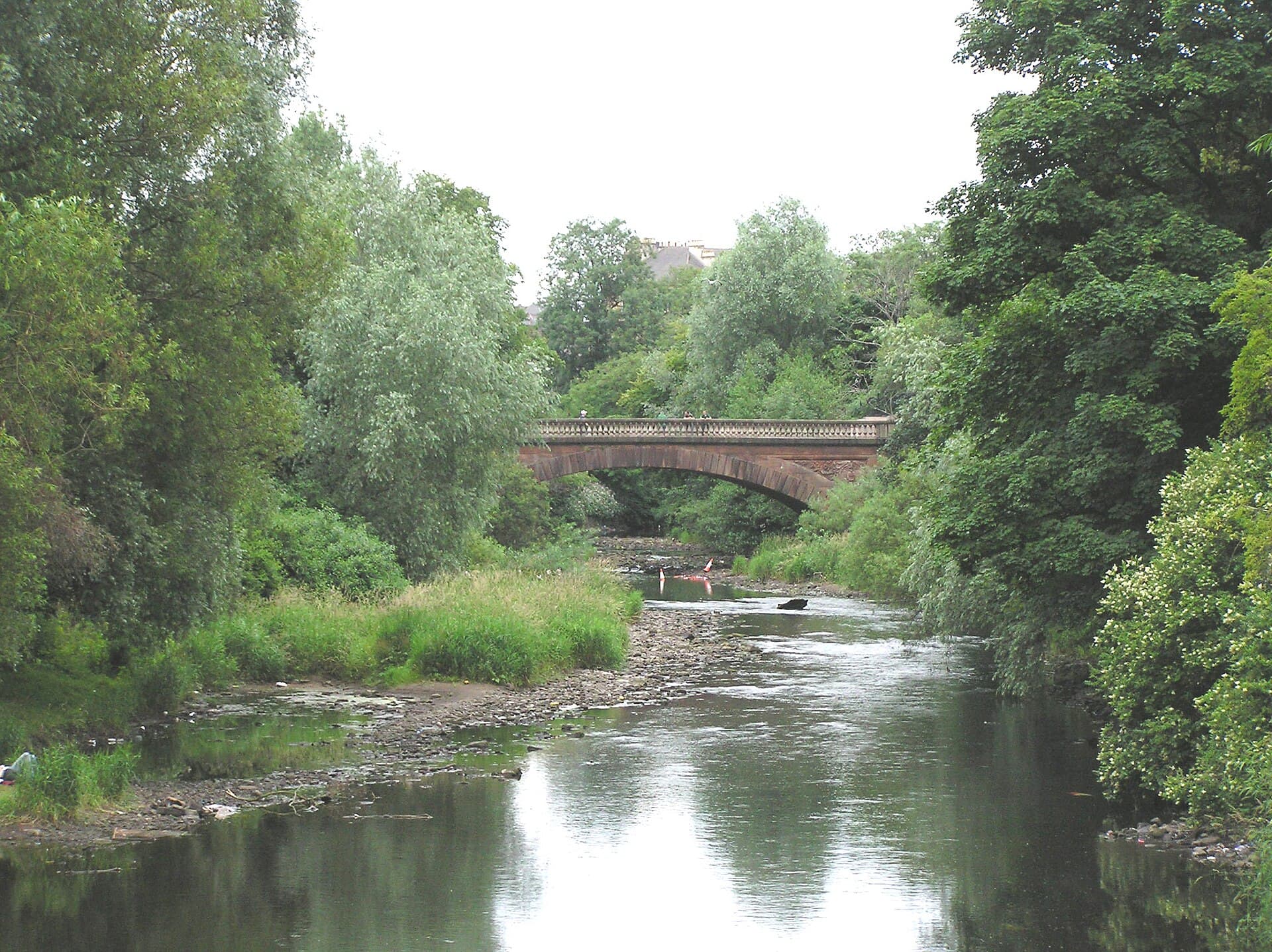 Kelvingrove ParkThe picture on every Glasgow postcard, the Gothic tower of the University rising16 minutes walk4.8
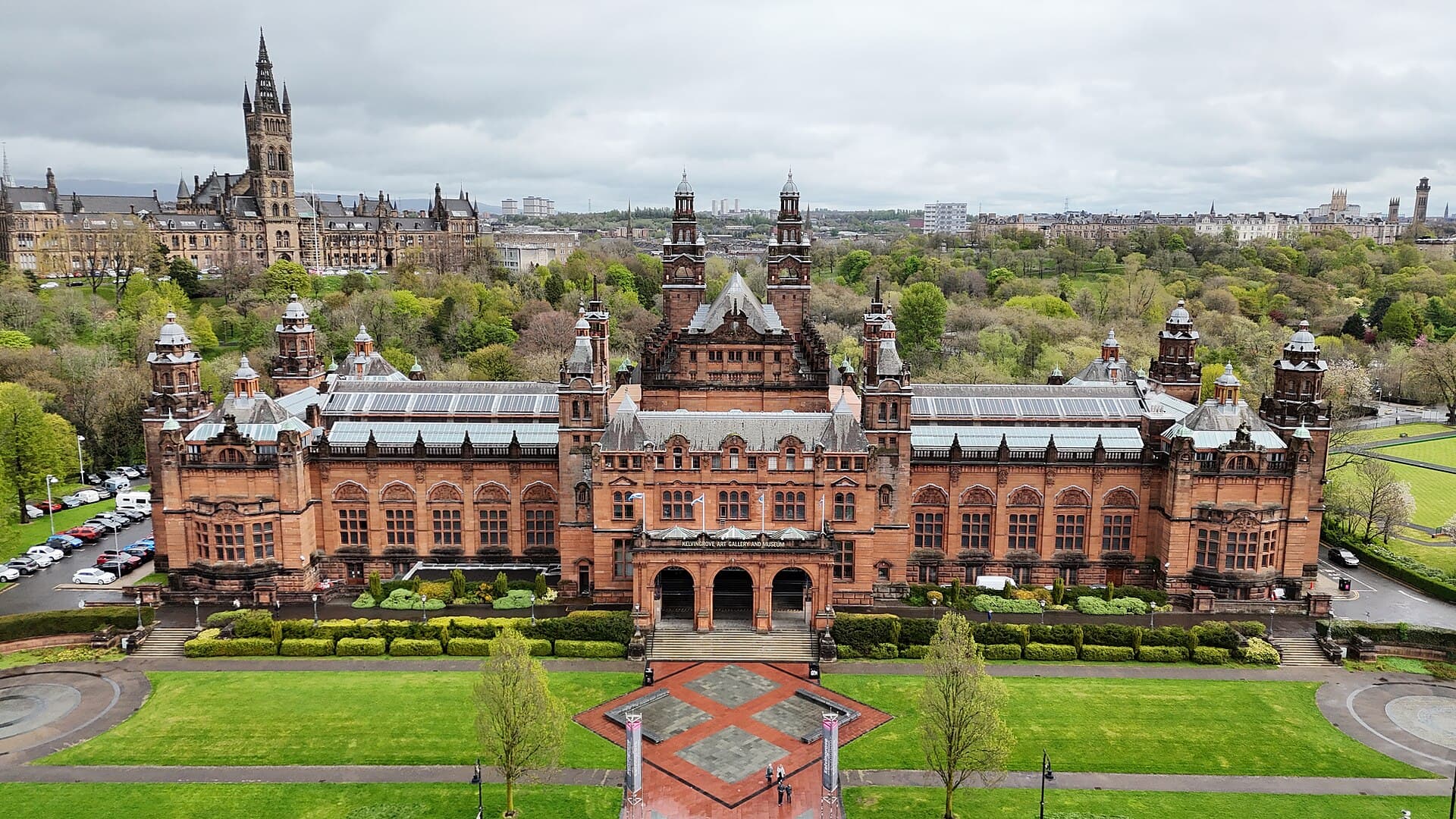 Kelvingrove Art Gallery and MuseumFew museums hang a wartime Spitfire above a stuffed elephant, stage a free organ16 minutes walk4.6
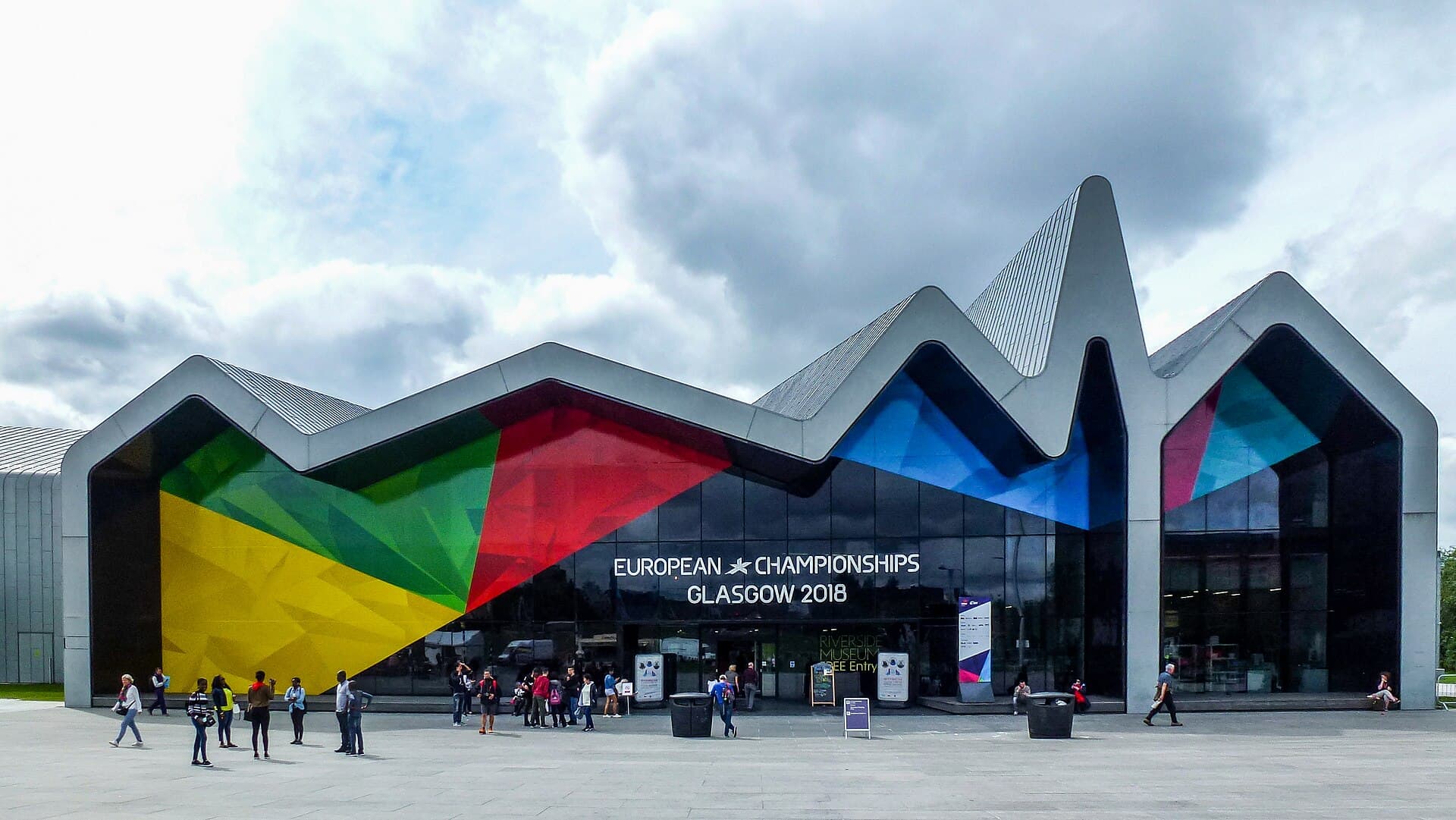 Riverside MuseumMore than a million people a year walk into this building without paying a penny24 minutes walk4.8
If your time in Scotland is short, Edinburgh's garden is far larger and richer and there is no real contest. But Glasgow's is completely free, glasshouses included, and sits in the heart of the West End, so it folds easily into a Byres Road and Kelvingrove afternoon without needing a day of its own; Kibble Palace alone earns half an hour, the rest depends on mood and weather.
Yes, the main paths are surfaced and mostly level, pushchairs are fine in the glasshouses, there is a waymarked trail for families with young children, and the sloping lawns are good for running about and picnics in summer. There are no playgrounds or interactive exhibits, so do not expect it to hold children for much more than an hour.