
The Mackintosh House
Charles Rennie Mackintosh's own home rebuilt room by room with his original furniture; the white drawing room alone justifies the fee.
Ham — CC BY-SA 3.0 · Hannah.mishin — CC BY-SA 4.0 · Vysotsky — CC BY-SA 4.0 · Vysotsky — CC BY-SA 4.0
Scotland's oldest public museum began as a doctor's will. William Hunter, the eighteenth-century obstetrician who collected everything from Roman coins to preserved anatomical specimens, left the lot to the University of Glasgow, and the museum opened with it in 1807. Today it fills a tall hall inside the university's Gothic main building, reached through the vaulted cloisters that get photographed far more than anything in the cases. Entry is free, and the great hall alone repays the first ten minutes. The displays are serious and academic in tone: carved distance slabs from the Roman Antonine Wall, the fossilised Bearsden Shark, Lord Kelvin's instruments, coins, minerals and Hunter's own specimens. It is not an interactive children's museum; small children enjoy the skeletons and fossils for half an hour and then flag. There is lift access and toilets with baby-changing, so pushchairs are no trouble. Two minutes' walk away on Hillhead Street, the Hunterian Art Gallery hides behind a scowling 1970s concrete front the largest Whistler collection outside the United States, the Scottish Colourists, a Rembrandt and a Chardin. The real prize is attached to it: The Mackintosh House, a meticulous reconstruction of Charles Rennie Mackintosh's own home interiors with his original furniture, from the dark dining room to the luminous white drawing room and the bedroom. This part alone is charged: £12 for adults, free under 18, with 62 steps and no lift. Friday and Saturday mornings are given to small guided tours (£20, book ahead) and ordinary entry starts from 11:00. The whole complex is shut on Mondays and suits a wet Glasgow day better than a sunny one. Ninety minutes covers museum and gallery; add forty minutes for The Mackintosh House. Hillhead subway is five minutes away, with Byres Road's restaurants on the way and the larger, more famous Kelvingrove ten minutes downhill. If you are choosing one Glasgow museum with children, choose Kelvingrove; if art and architecture are your thing, The Mackintosh House is what you cannot see anywhere else.
Charles Rennie Mackintosh's own home rebuilt room by room with his original furniture; the white drawing room alone justifies the fee.
The largest holding of James Whistler's work outside the United States, shown free in the Hunterian Art Gallery.
The Gothic cloisters beneath the university and the museum's tall hall outshine much of what sits in the cases.
University Avenue, West End, Glasgow G12 8QQ
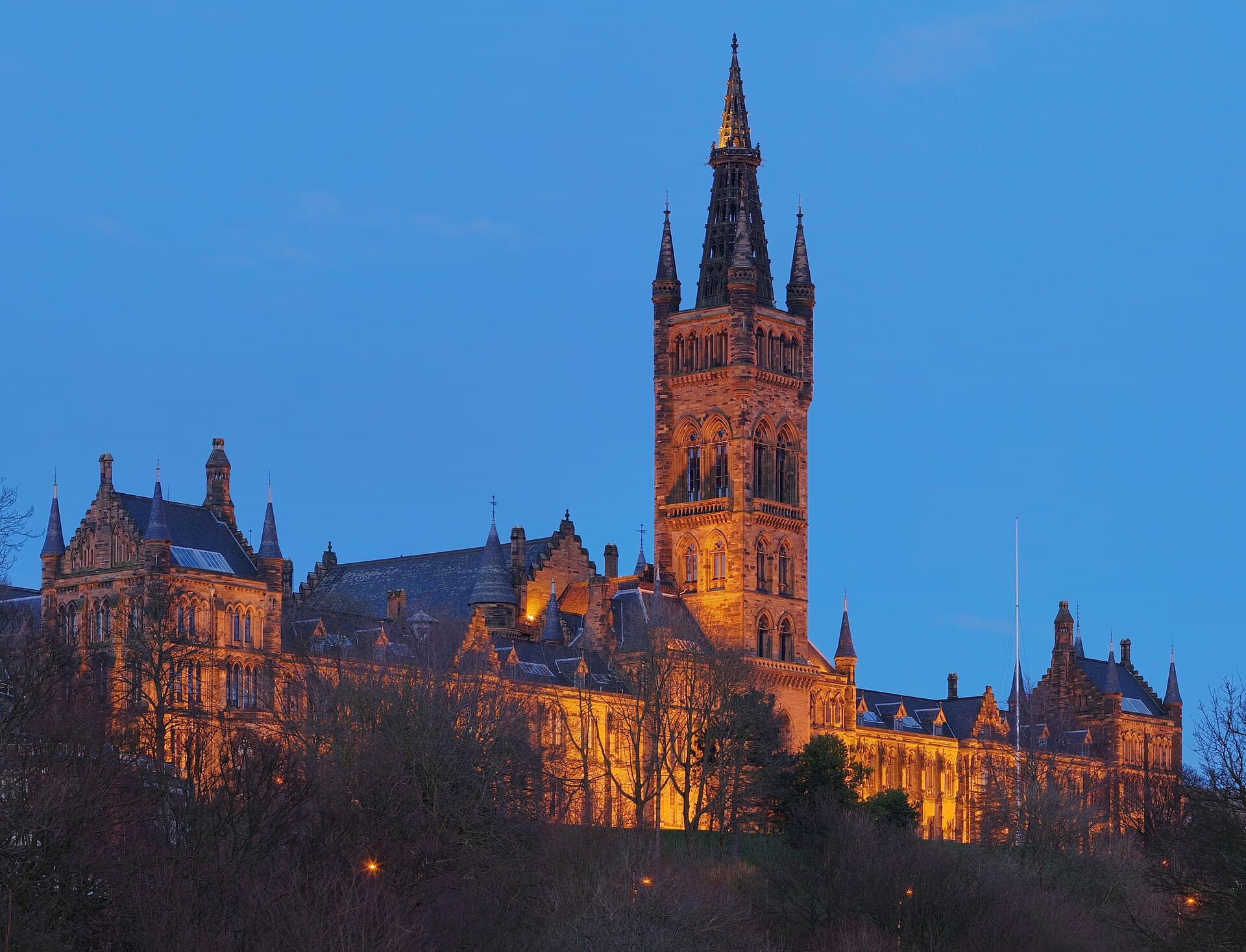 University of GlasgowAn 85-metre tower looks down on the whole of Glasgow, and beneath it stands the 1 minute walk4.7
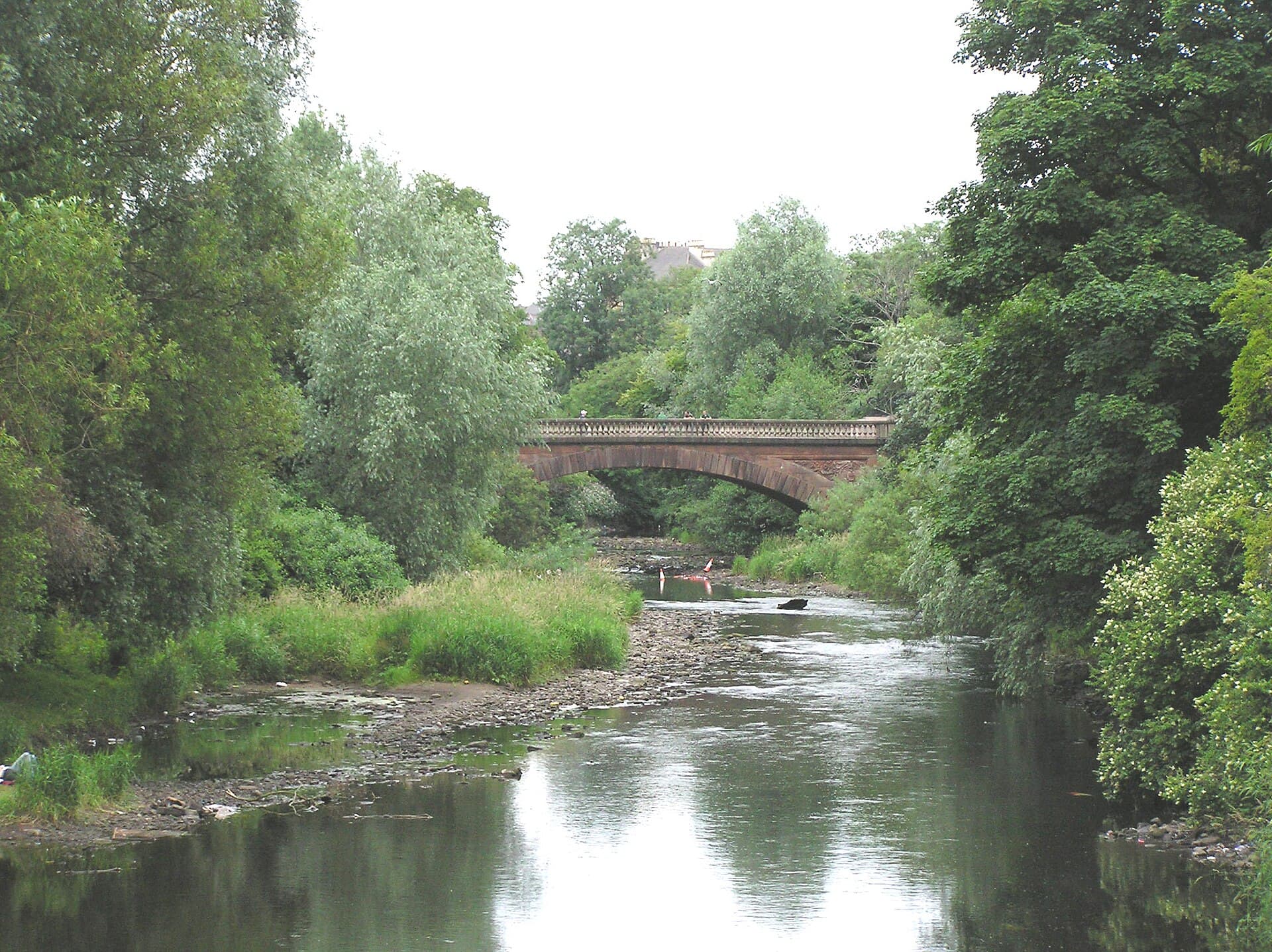 Kelvingrove ParkThe picture on every Glasgow postcard, the Gothic tower of the University rising4 minutes walk4.8
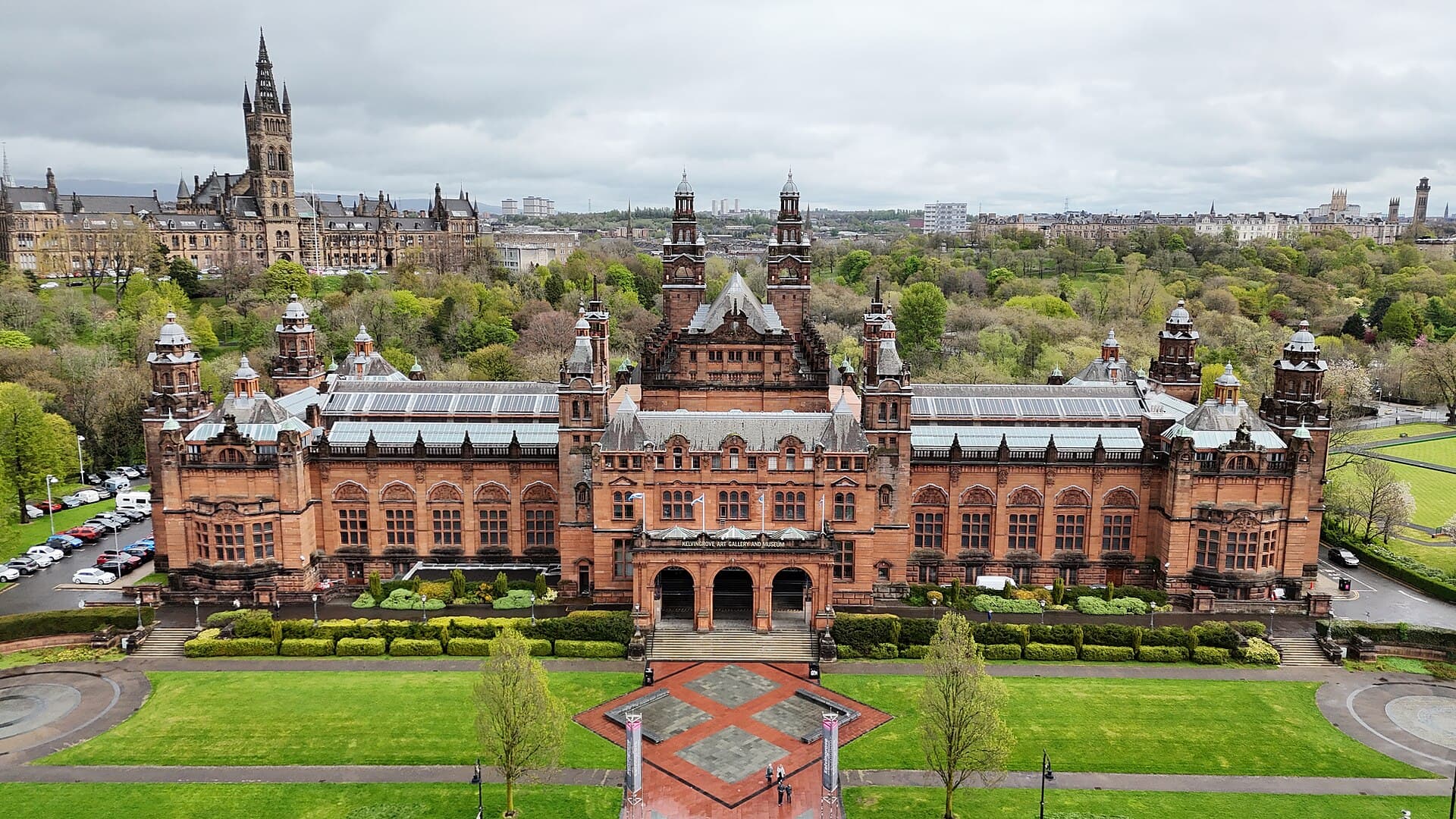 Kelvingrove Art Gallery and MuseumFew museums hang a wartime Spitfire above a stuffed elephant, stage a free organ5 minutes walk4.6
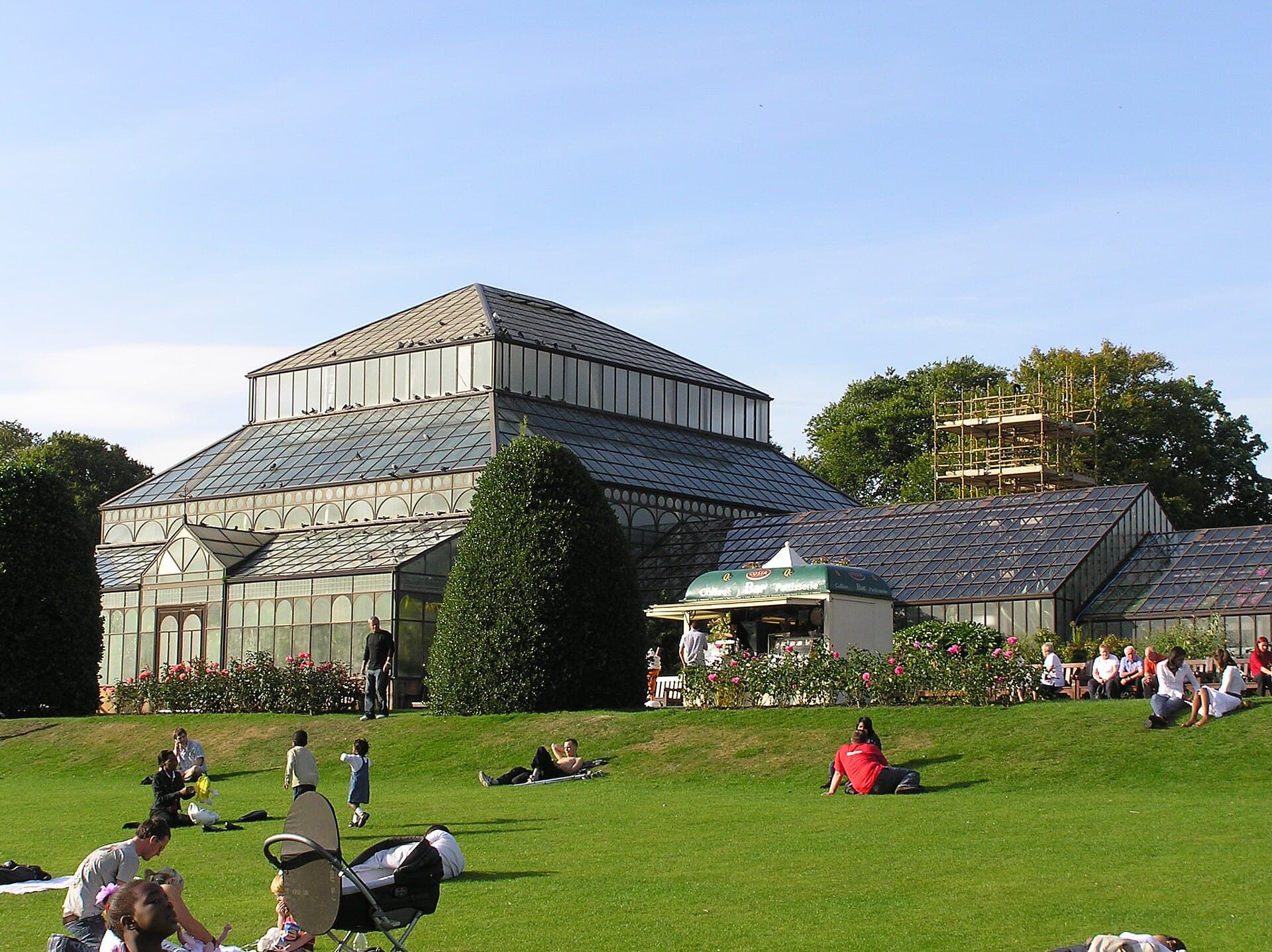 Glasgow Botanic GardensA dome of iron and glass a century and a half old, born as a private conservator12 minutes walk4.8
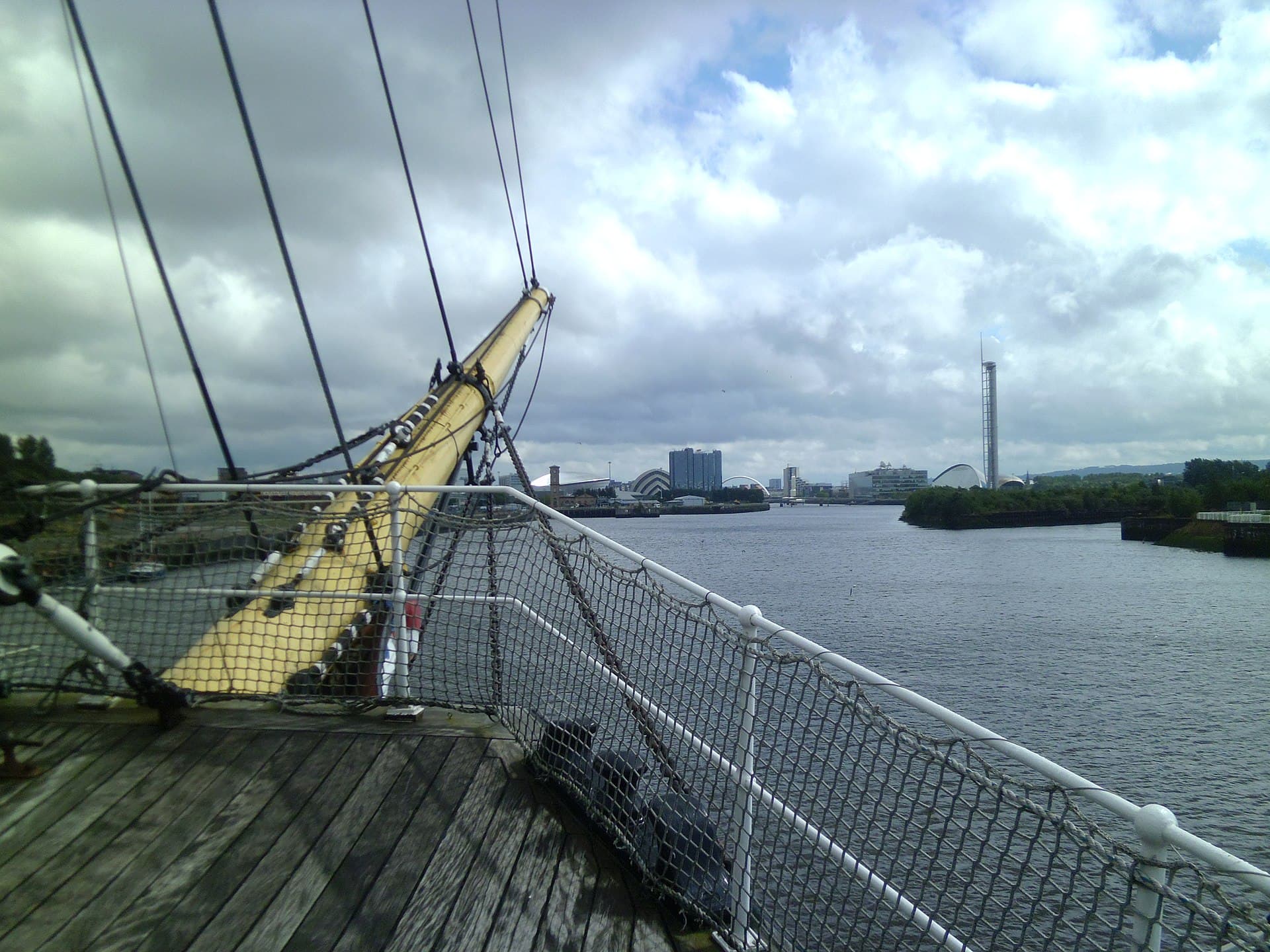 The Tall Ship GlenleeOf the hundreds of sailing ships that slid off the Clyde's slipways in the ninet15 minutes walk4.5
Kelvingrove, without hesitation: bigger, airier, with dinosaurs, a hanging Spitfire and areas made for small children, and also free. Climb the hill to the Hunterian only if you are already on campus or you want The Mackintosh House.
If design and architecture matter to you, yes: nothing else in Glasgow lets you stand in his own rooms. If you only want a glimpse, the free gallery next door usually shows some of his watercolours and pieces of his furniture, with no ticket and no 62 steps.