The Rio Vermelho
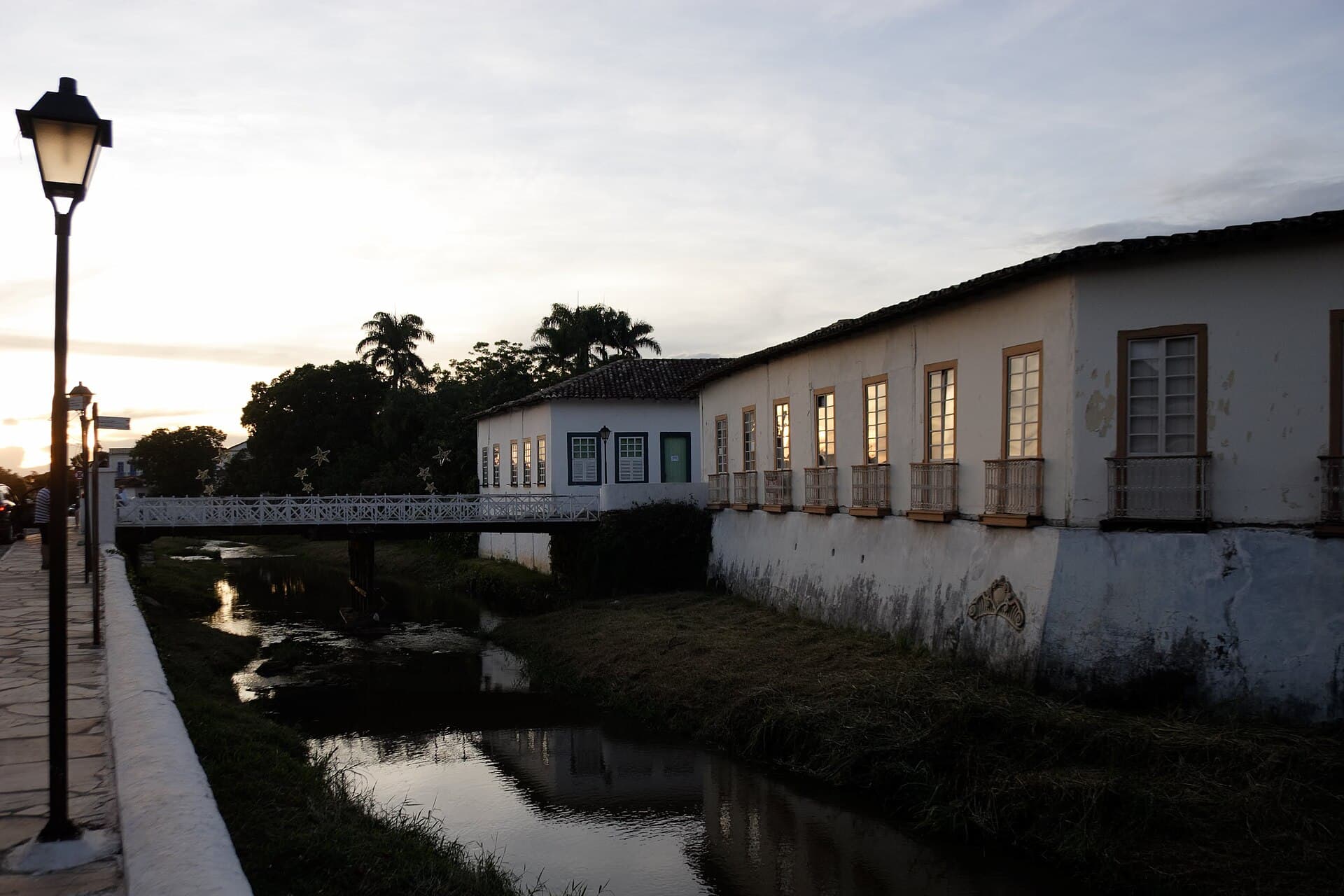
Running through town.
Fotografistahc — CC BY-SA 4.0 · BeCarol13 — CC BY-SA 4.0 · Eliane de Castro — CC BY-SA 4.0 · Eliane de Castro — CC BY-SA 4.0
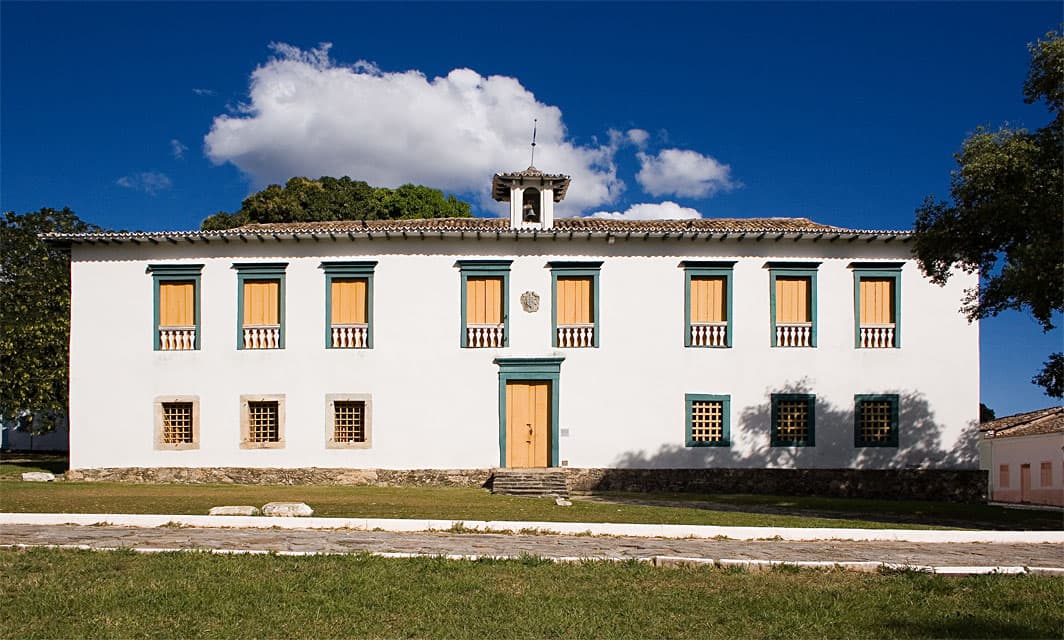
The town of Goiás, which many call Goiás Velho, was the capital of the state of Goiás for two centuries. It began as a settlement in 1727 after gold was found in the Rio Vermelho, became Vila Boa de Goiás in 1736 and seat of the captaincy in 1744, and its governors, among them the Count of Arcos, built a gold smelting house (1750), the governor's palace (1751), barracks, the council house and jail (1761) and fountains. When the gold ran out in the 1770s the town stagnated, and in 1937 it lost its capital status to the new city of Goiânia, which preserved much of its colonial layout. The whole historic centre was protected in 1978, and UNESCO listed it as a World Heritage Site in 2001. The poet Cora Coralina did much to make the town's heritage loved across Brazil, and her house on the river is now a museum. The centre spreads along both banks of the Rio Vermelho, with the main civic buildings on the left bank around the Praça do Chafariz.
Running through town.
The old seat of power.
The town's poet.
Historic centre, Goiás (Goiás Velho)
Because it was the capital of Goiás until 1937, when the capital moved to the new city of Goiânia.