
The Muisca raft
The El Dorado legend.
Felipe Restrepo Acosta — CC BY-SA 3.0 · Actividad Cultural Banco de la República — CC BY-SA 2.0 · Banrep cultural — CC BY-SA 2.0 · Banrep cultural — CC BY-SA 2.0
One of Latin America's most famous museums, holding the world's largest collection of gold work made by Colombia's peoples before the Spanish arrived: tens of thousands of ornaments, masks, small figures and tools in gold and «tumbaga», a gold-copper alloy. For these peoples gold was not money but a sacred material that reflected the sun's light, used for offerings and the ornaments of chiefs and priests. The museum explains how each culture lived and worked its gold, through pieces of astonishing fineness: breastplates, earrings and shapes of birds, frogs and jaguars. Its most famous piece is the small golden «Muisca raft», showing a chief on a raft surrounded by his retinue, linked to the El Dorado legend and the rites of Lake Guatavita. On the top floor is the «Offering Room», a dark chamber that suddenly lights up to reveal thousands of gold pieces around you, an unforgettable display. Entry is free on Sundays, so it gets crowded; other days are calmer. It is closed on Mondays, and the audio guide helps make sense of the pieces.
The El Dorado legend.
Gold all around.
Birds and frogs.
Calle 16 with Carrera 6, Parque Santander, central Bogotá
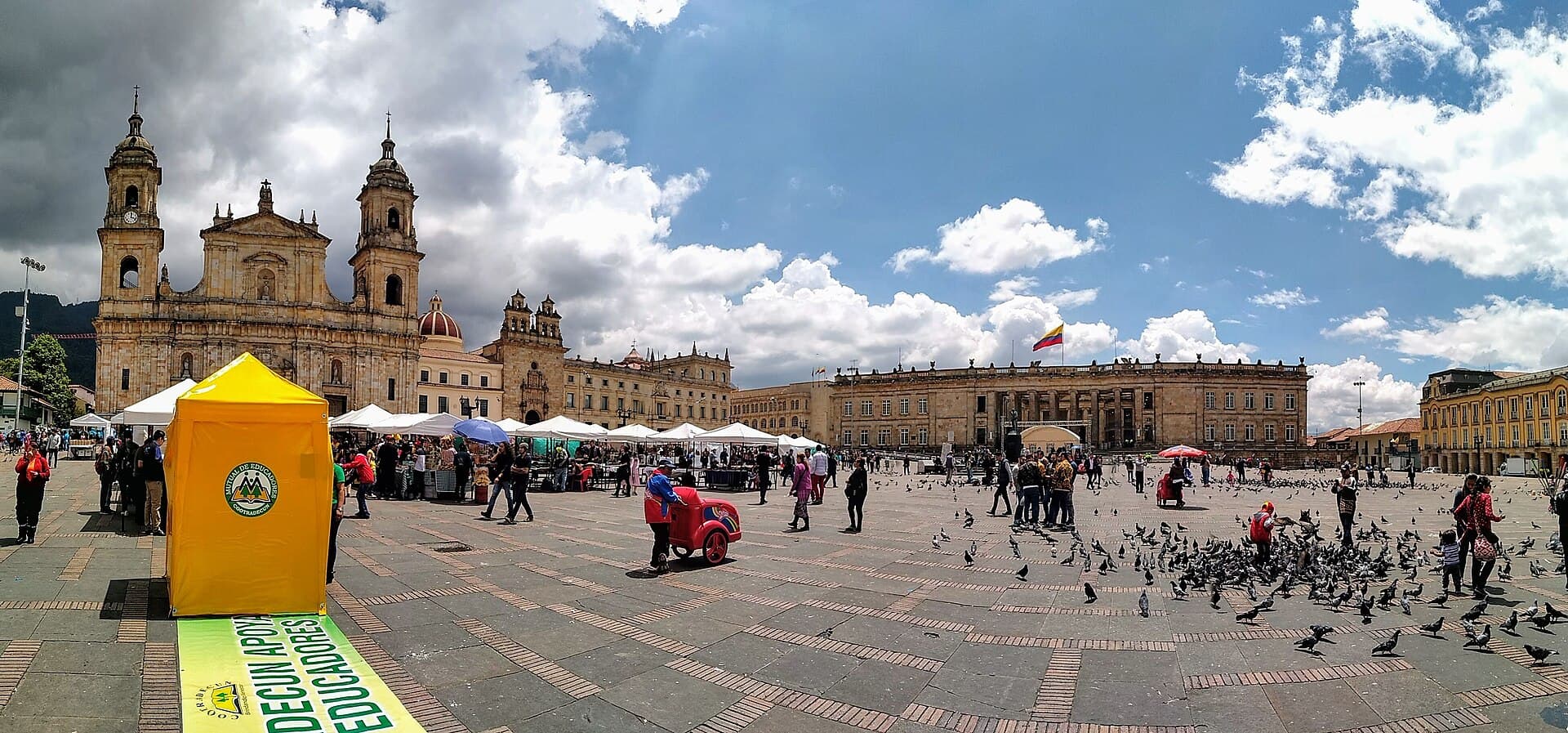 Plaza de BolívarBogotá's main square and Colombia's political heart, a wide stone-paved plaza wi8 minutes walk4.5
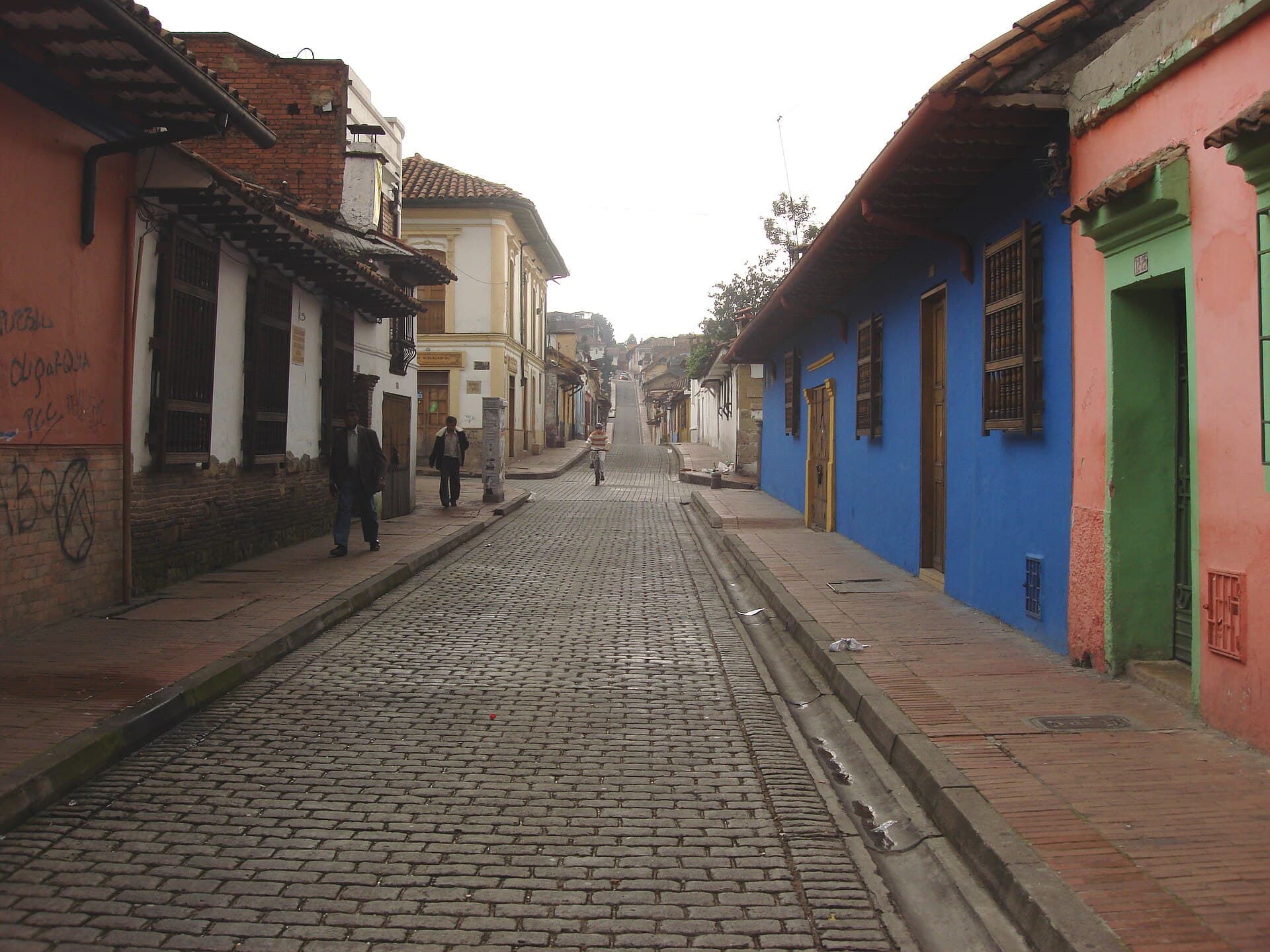 La CandelariaBogotá's old colonial quarter, where the city began in the sixteenth century, wi9 minutes walk
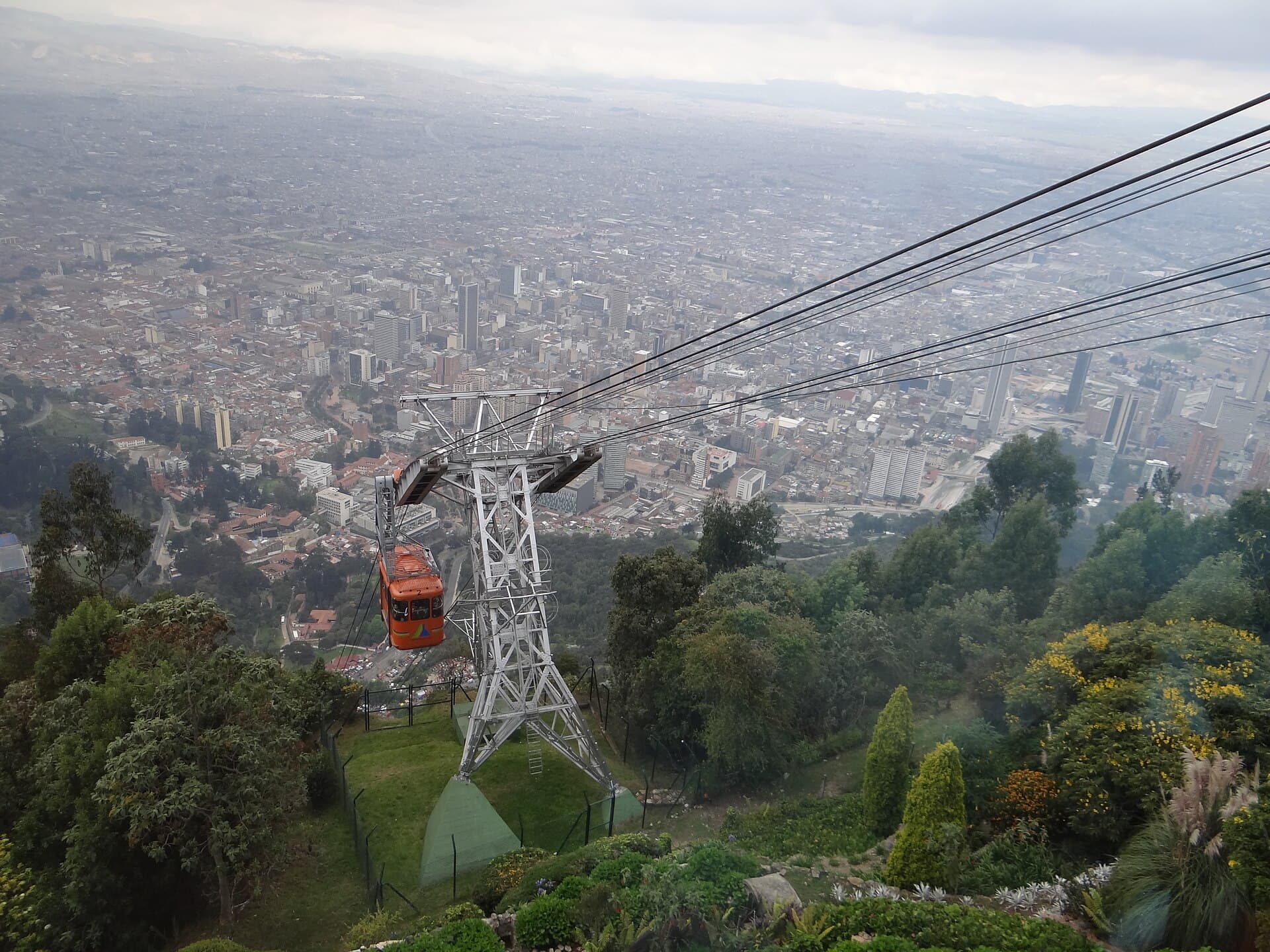 MonserrateA tall green mountain overlooking central Bogotá, rising to about 3,152 metres, 23 minutes walk4.8
At least an hour and a half to two hours, more for history lovers. Avoid Sundays if you want calm: entry is free and crowds are heavy.