
Gold amulets
Frogs and eagles.
Mariordo (Mario Roberto Durán Ortiz) — CC BY-SA 4.0 · Mariordo (Mario Roberto Durán Ortiz) — CC BY-SA 4.0 · Mariordo (Mario Roberto Durán Ortiz) — CC BY-SA 4.0 · Bernard Gagnon — CC0
A modern museum in underground halls below the Plaza de la Cultura, owned by the Central Bank of Costa Rica, holding one of Central America's richest collections of ancient gold: more than 1,500 gold pieces made by the region's peoples centuries before Europeans arrived. The pieces sit in dim halls where light glints on the gold: amulets shaped as frogs, birds, eagles, crocodiles and bats, jewellery, earrings, little bells and decorated plates, made by Diquís craftsmen of the south and others through fine casting and hammering. Panels explain what these symbols meant to those peoples, the standing of the chiefs and shamans who wore them, and how gold was mined and smelted. The same complex holds a coin museum telling the story of money in Costa Rica, and temporary exhibitions. The museum is quiet and air-conditioned, ideal for a rainy half day. San José has petty theft in crowded places, so watch your belongings and use registered taxis at night.
Frogs and eagles.
Fine craft.
Same complex.
Beneath the Plaza de la Cultura, central San José
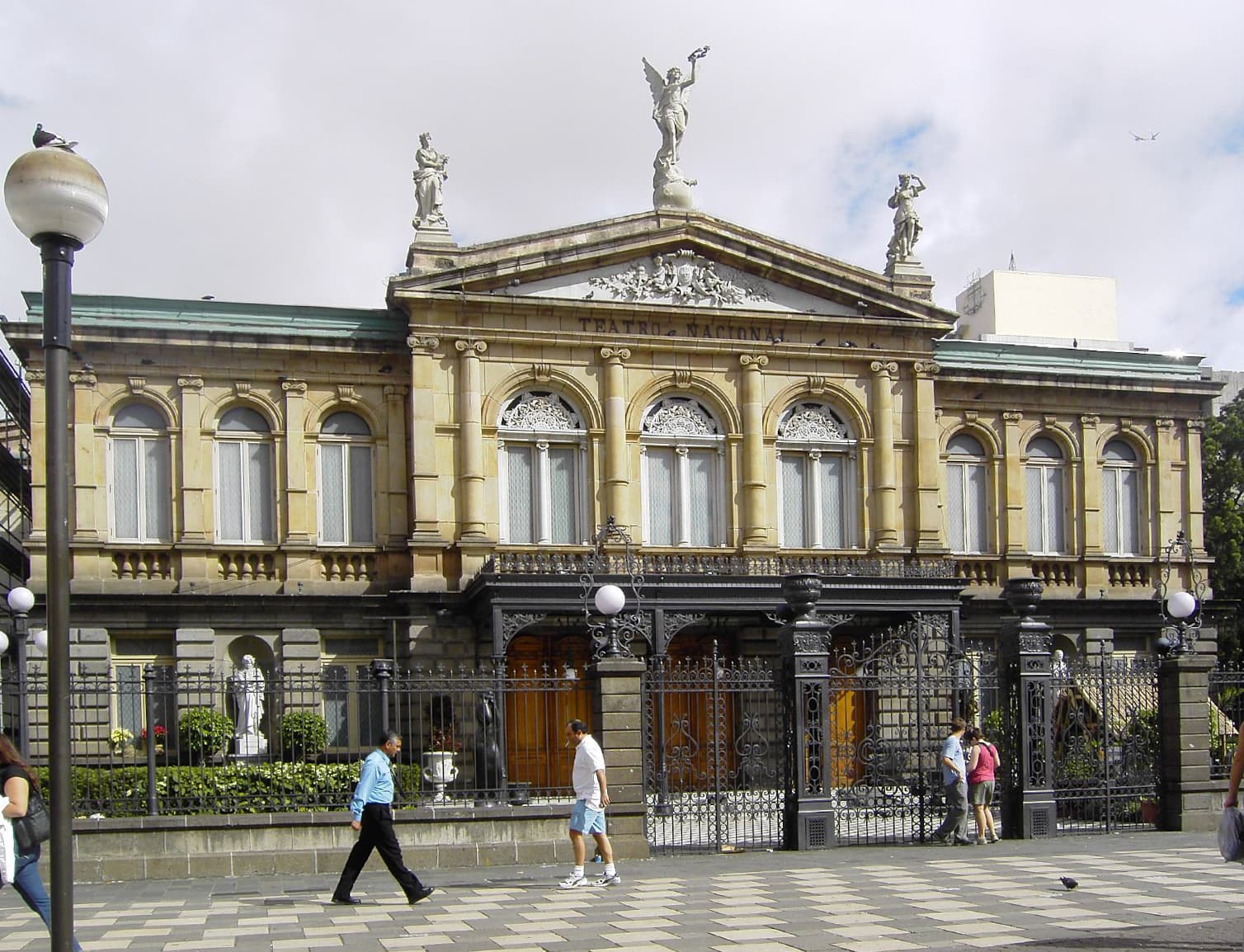 National Theatre of Costa RicaSan José's most beautiful building, a grand neoclassical theatre that opened on 1 minute walk4.9
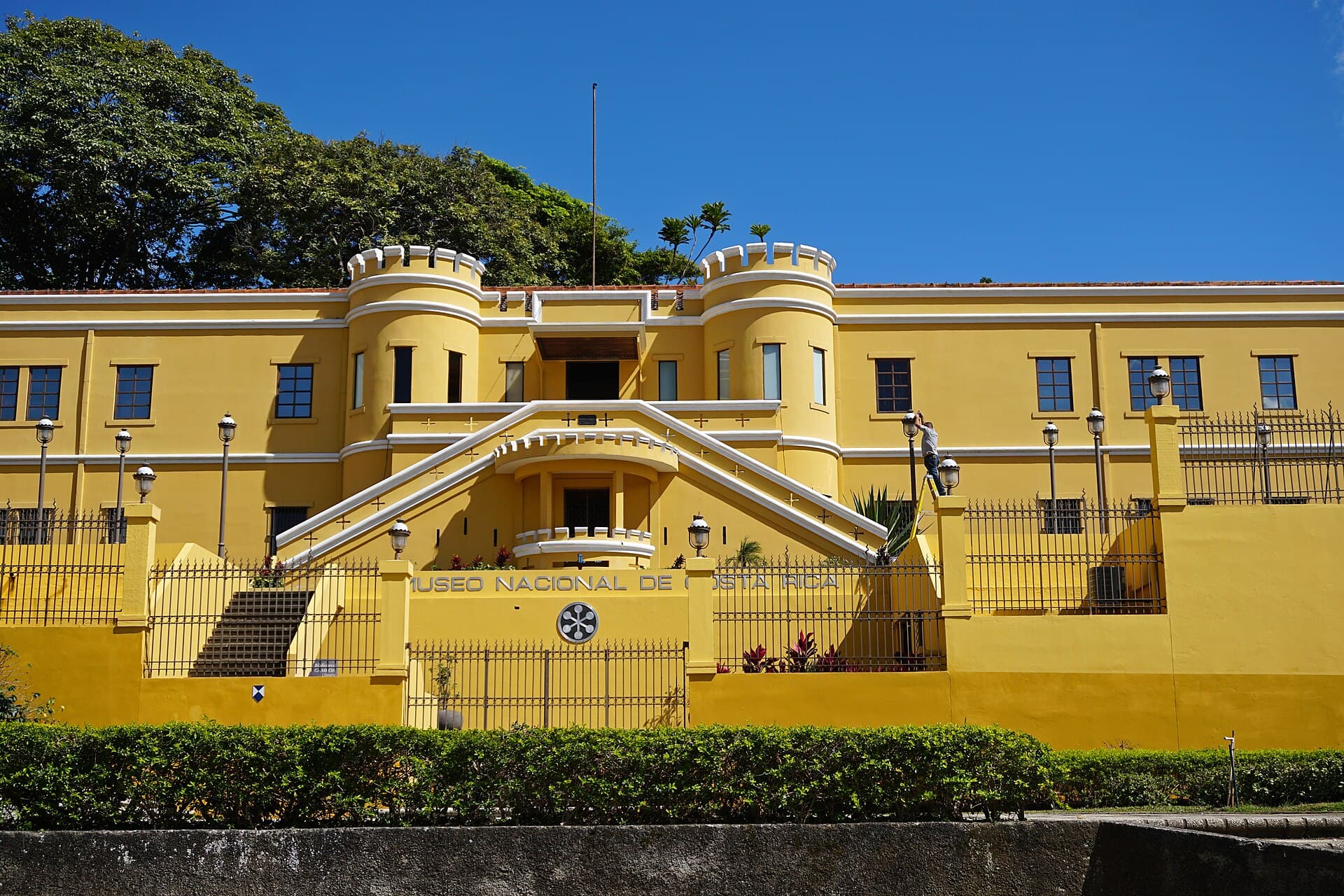 National Museum in the Bellavista BarracksA yellow fortress with round towers and battlements on a hill in central San Jos7 minutes walk4.8
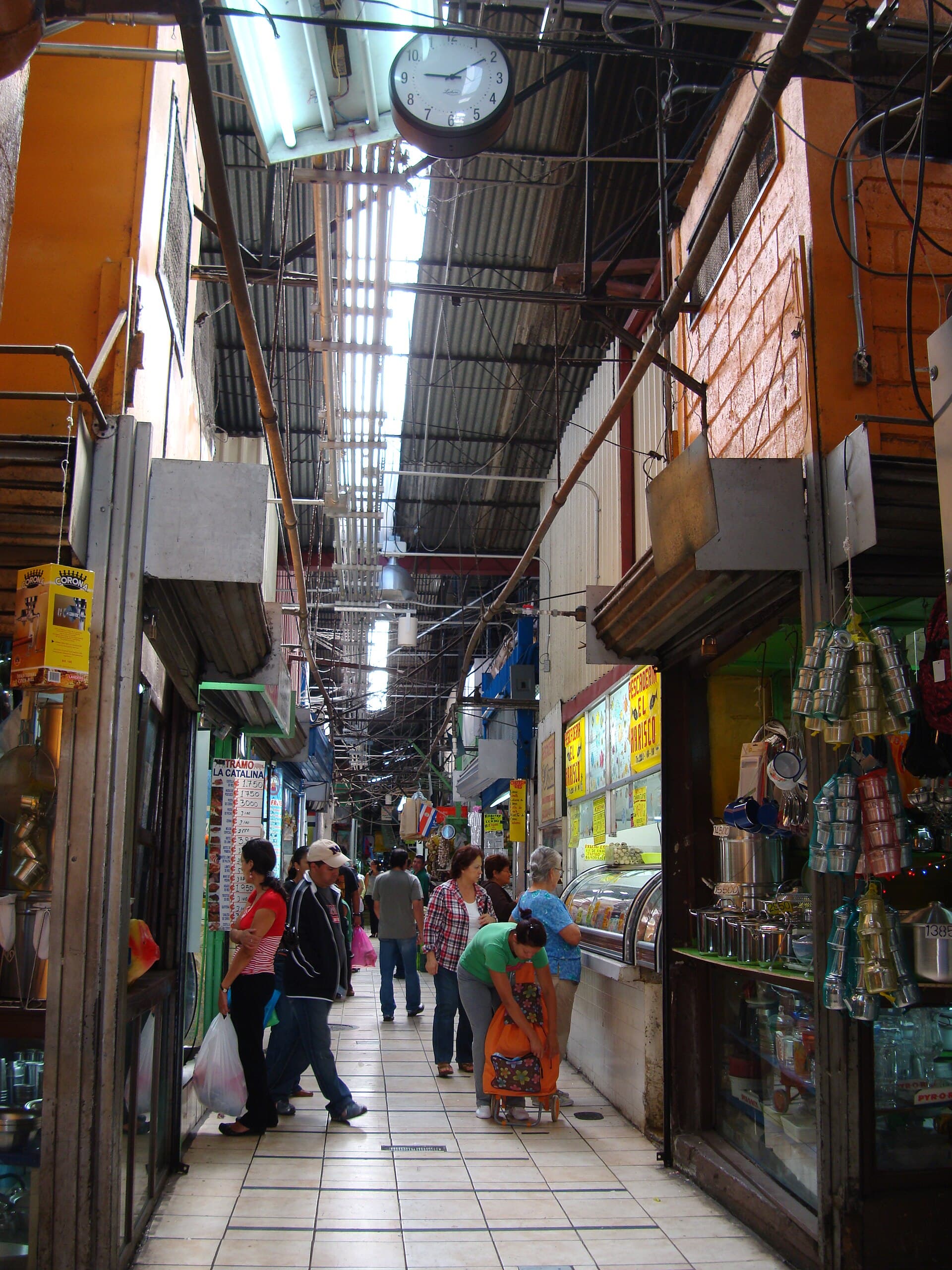 Central MarketA covered market founded in 1880, one of Costa Rica's oldest and liveliest, its 8 minutes walk4.3
About one to two hours, usually combined with the National Theatre across the Plaza de la Cultura.