
The towers
1948 bullet marks.
Mariordo (Mario Roberto Durán Ortiz) — CC BY-SA 4.0 · Antonio Solera — CC BY 3.0 · Mariordo (Mario Roberto Durán Ortiz) — CC BY-SA 4.0 · Antonio Solera — CC BY 3.0
A yellow fortress with round towers and battlements on a hill in central San José, built in 1917 as the Bellavista army barracks and home of the National Museum since 1950, with a unique story: Costa Rica abolished its army in 1948, becoming one of the few countries in the world without one, and the barracks became a museum. Bullet marks from the brief 1948 civil war still show on the tower walls. Inside, halls tell the country's history: the native peoples with their tools and pottery, colonial times, independence and modern Costa Rica. At the entrance a covered tropical butterfly garden flutters with butterflies among the plants, and the outdoor garden holds huge polished stone spheres of the ancient Diquís culture, UNESCO World Heritage since 2014, whose making still puzzles researchers. The ramparts look out over the city and the surrounding mountains. San José has petty theft in crowded places, so watch your belongings and use registered taxis at night.
1948 bullet marks.
At the entrance.
Diquís culture.
Cuesta de Moras, Calle 17, central San José
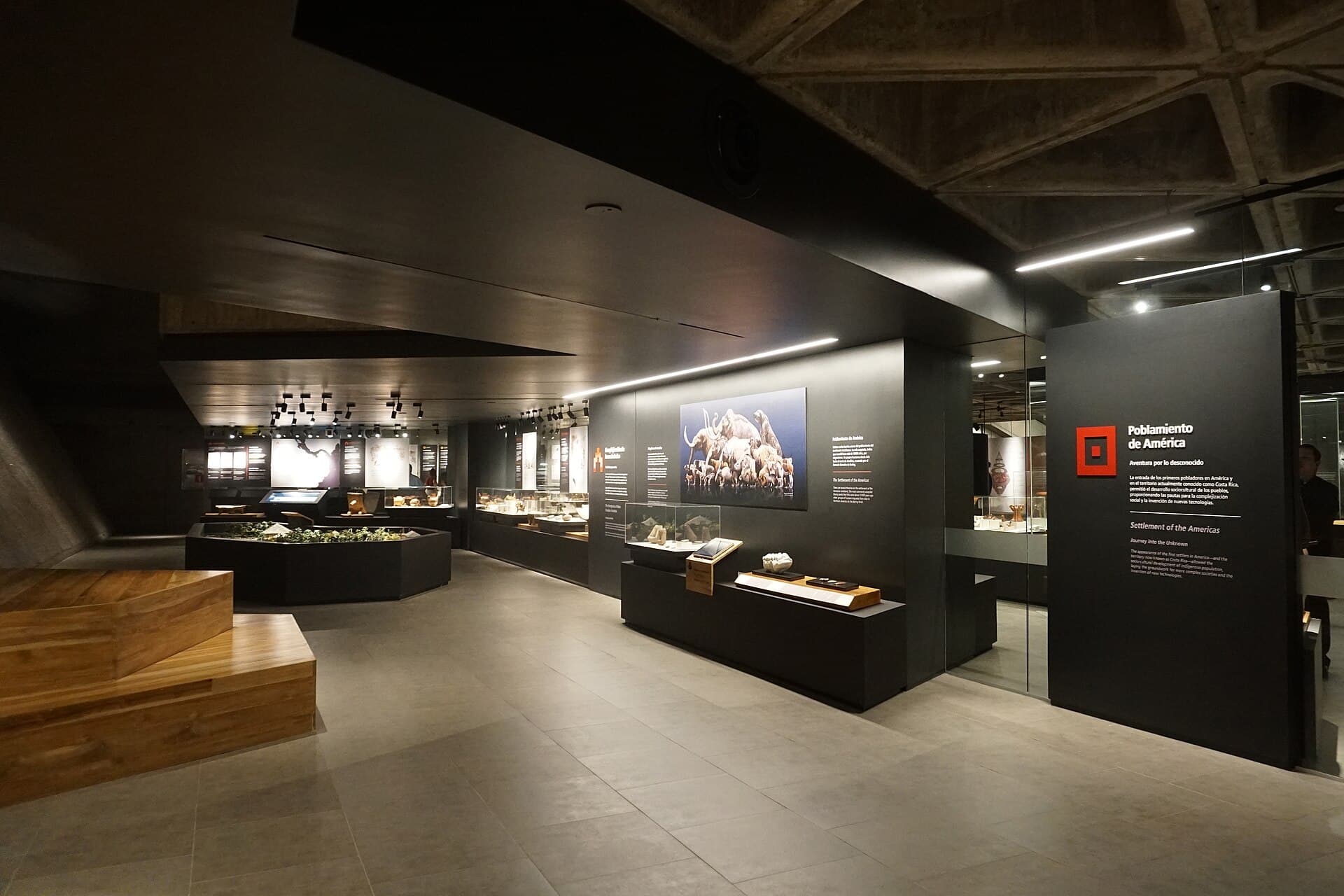 Pre-Columbian Gold MuseumA modern museum in underground halls below the Plaza de la Cultura, owned by the7 minutes walk4.4
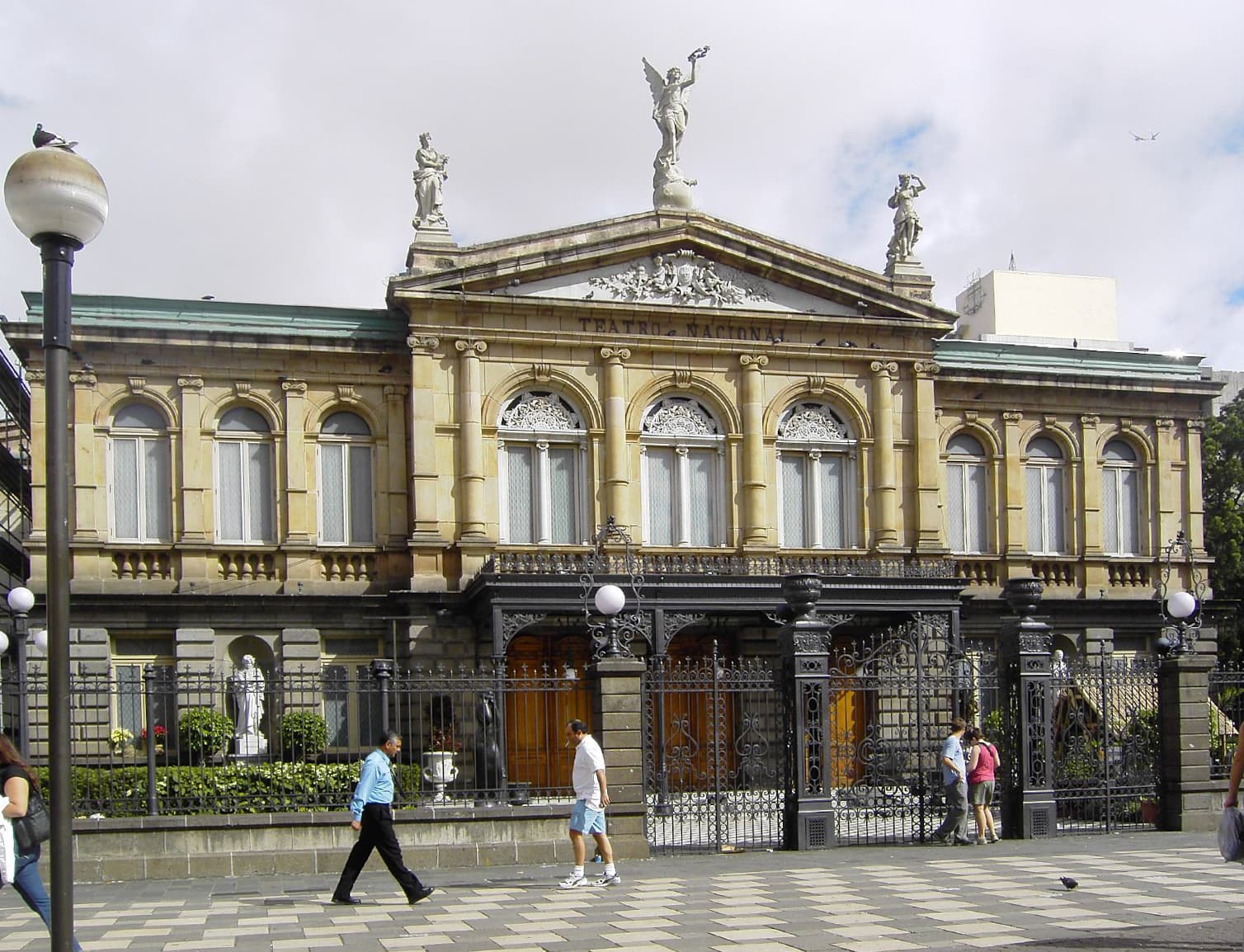 National Theatre of Costa RicaSan José's most beautiful building, a grand neoclassical theatre that opened on 7 minutes walk4.9
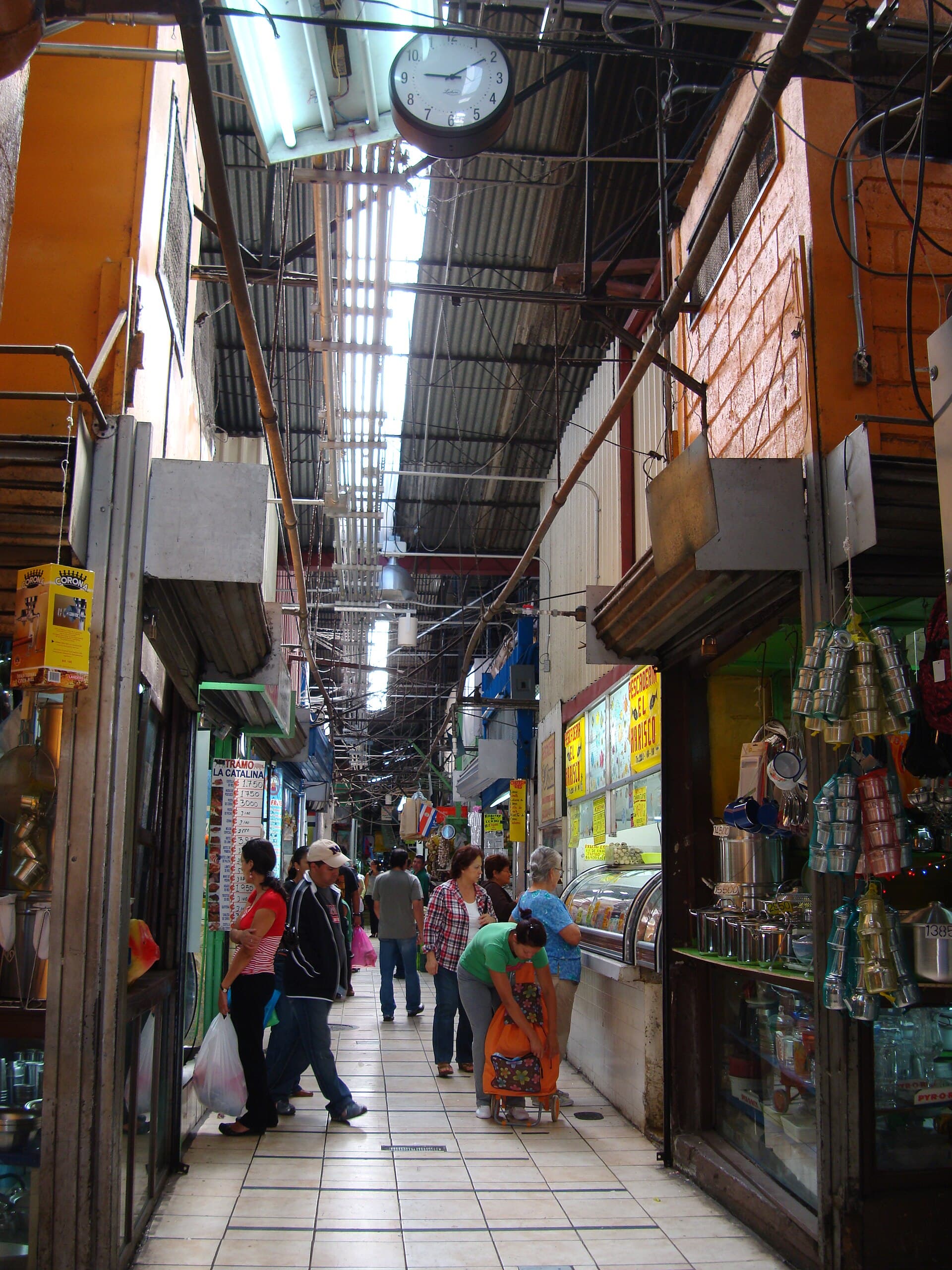 Central MarketA covered market founded in 1880, one of Costa Rica's oldest and liveliest, its 14 minutes walk4.3
Costa Rica abolished its army in 1948, and in 1950 the barracks became the National Museum.