
The Doom painting
Over the chancel arch a faded Christ sits on a rainbow amid the Last Judgement, re-exposed in 1928 from under more than three centuries of limewash.
Bin im Garten — CC BY-SA 3.0 · Vauxford — CC BY-SA 4.0 · Rijksmuseum — CC0 · Colin Smith — CC BY-SA 2.0
In the Stratford corporation accounts for 1563-64 there is a small entry paying workmen for 'defacing images' in this chapel, and the chamberlain who signed it off was John Shakespeare, William's father. The walls you stand in front of today are the ones his men limewashed. The whitewash then protected what lay beneath for more than three centuries until it was scraped back in stages: a first glimpse in 1804, described at the time by Robert Wheler and drawn by Thomas Fisher before the walls were covered again, then in 1928 the Last Judgement 'Doom' re-emerged over the chancel arch, and conservation of what survives is still going on. The building is far older than the whitewash story. It was raised by the Guild of the Holy Cross, the religious fraternity that effectively ran the town from the 13th century, and its nave and tower were rebuilt in the 1490s on the money of Hugh Clopton, the Stratford boy who became Lord Mayor of London and left more for the work in his will of 1496; he also built New Place across the road, the house Shakespeare would later buy. That explains why the chapel sits so squarely on the Shakespeare trail: New Place is opposite, the Guildhall and the schoolroom where the poet is believed to have been taught are next door, and the curfew bell cast in 1633 still hangs in the tower. Manage expectations. The paintings are faded, earth-toned and fragmentary; anyone expecting a bright fresco cycle will be back outside in two minutes. The pleasure is in the reading. The interpretation panels and the volunteers (usually on hand Monday to Saturday) turn patches of ochre and red into a full Doom scene and the remains of a Dance of Death along the nave. Give it fifteen to twenty minutes and take a volunteer's explanation if one is offered - it is what makes the stop worthwhile. Entry is free with donations welcome, and the doors are open every day from 10:00 to 16:00, though it can close for King Edward VI School services or for a concert. The entrance is ramped, so pushchairs and wheelchairs are fine, and the space is small and quiet enough that young children are no trouble. In the Gulf-family high season the Shakespeare trail gets busy but this chapel almost never has a queue; on a wet winter afternoon it is a warm, free pause between the ticketed Shakespeare houses.
Over the chancel arch a faded Christ sits on a rainbow amid the Last Judgement, re-exposed in 1928 from under more than three centuries of limewash.
William's father was the chamberlain who signed off the 1563-64 payment to whitewash these walls, the family's best-documented Reformation footnote.
Nave and tower were rebuilt in the 1490s on the money of the Stratford-born Lord Mayor of London, and the curfew bell cast in 1633 still hangs in the tower.
Chapel Lane, corner of Church Street, Stratford-upon-Avon CV37 6EP
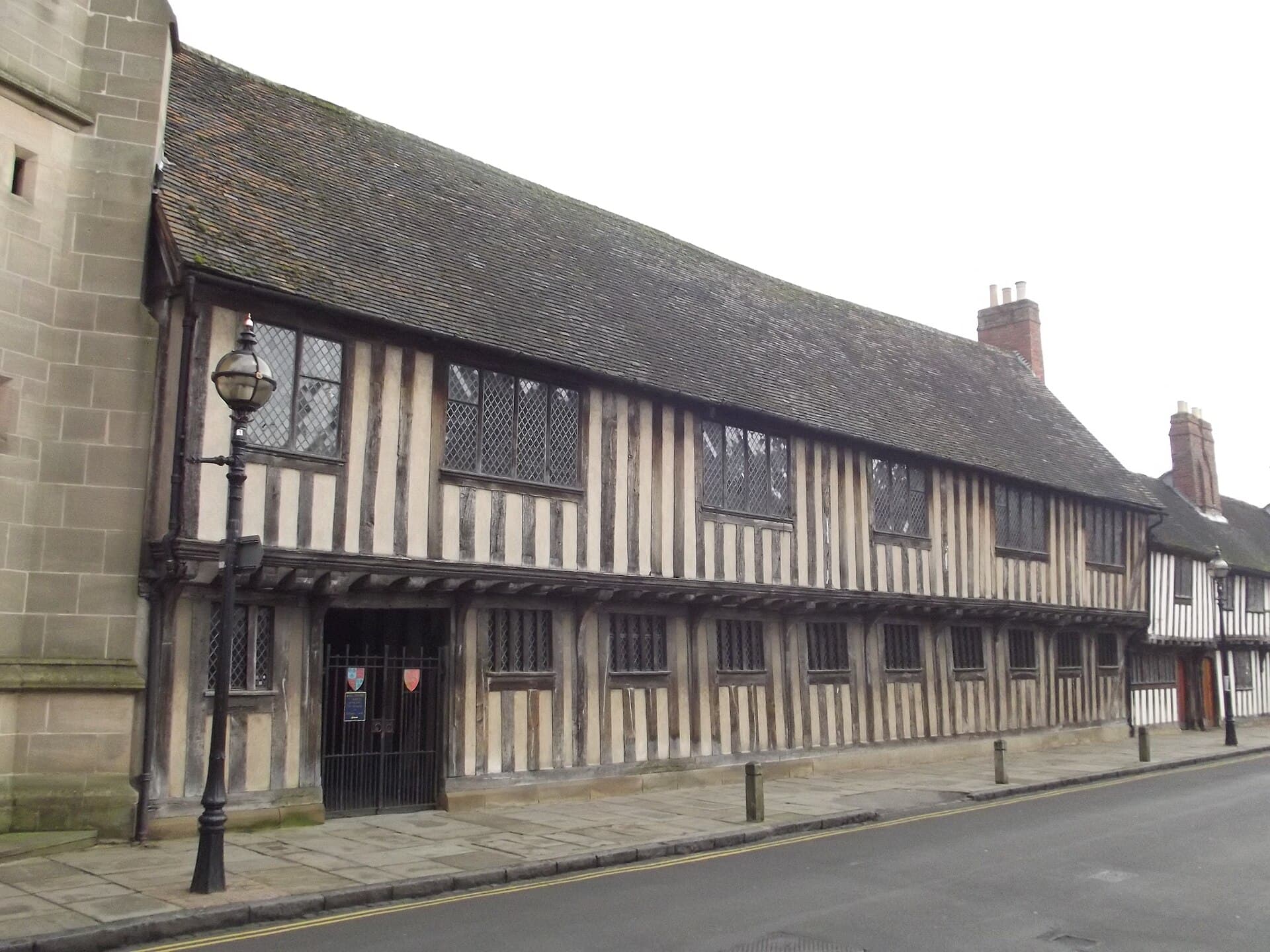 Shakespeare's Schoolroom & GuildhallThis building does not admit visitors before eleven in the morning on any day of1 minute walk4.8
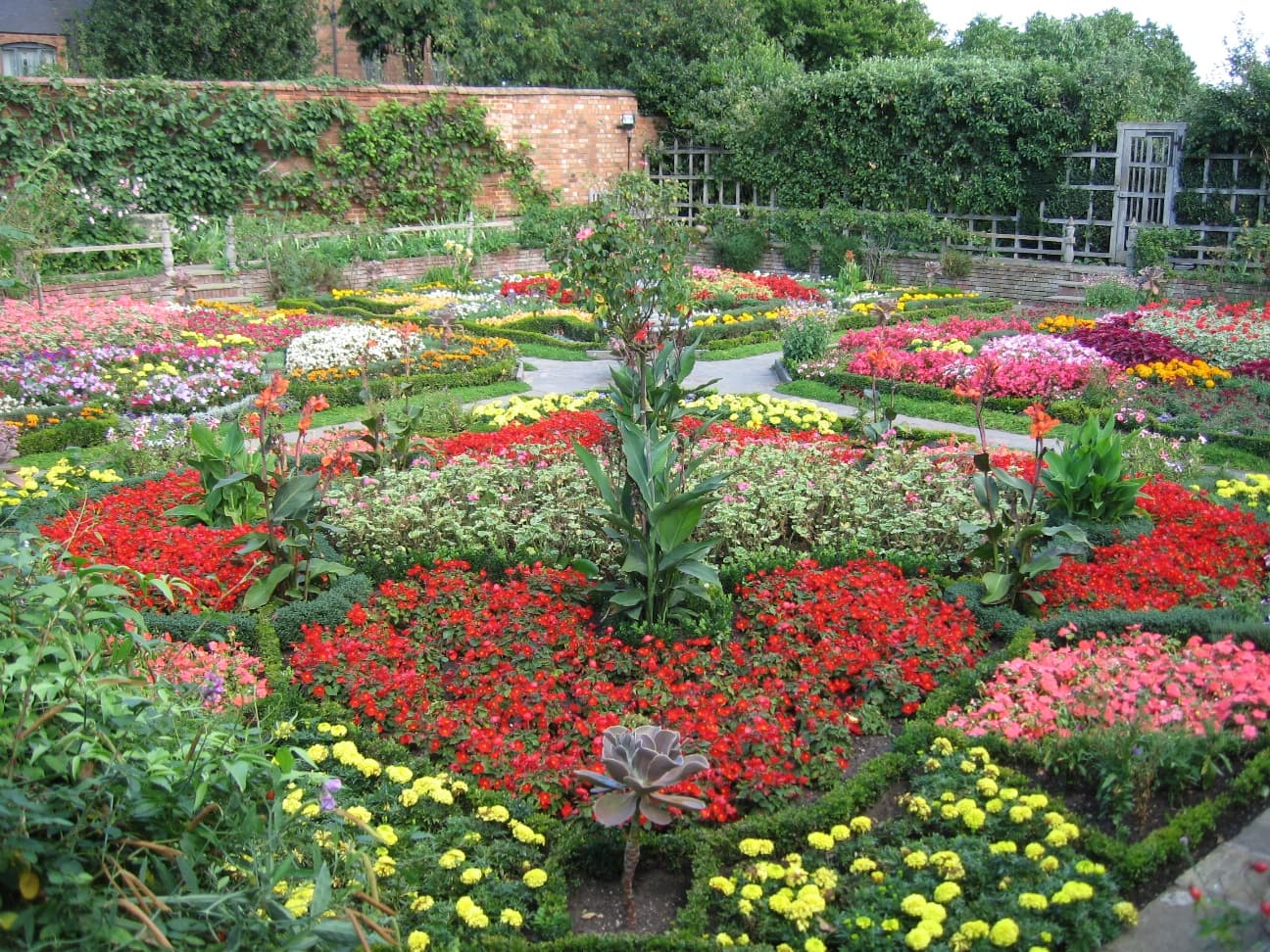 Shakespeare's New PlaceThere is no house. Know that before you walk down Chapel Street: the home Shakes1 minute walk4.4
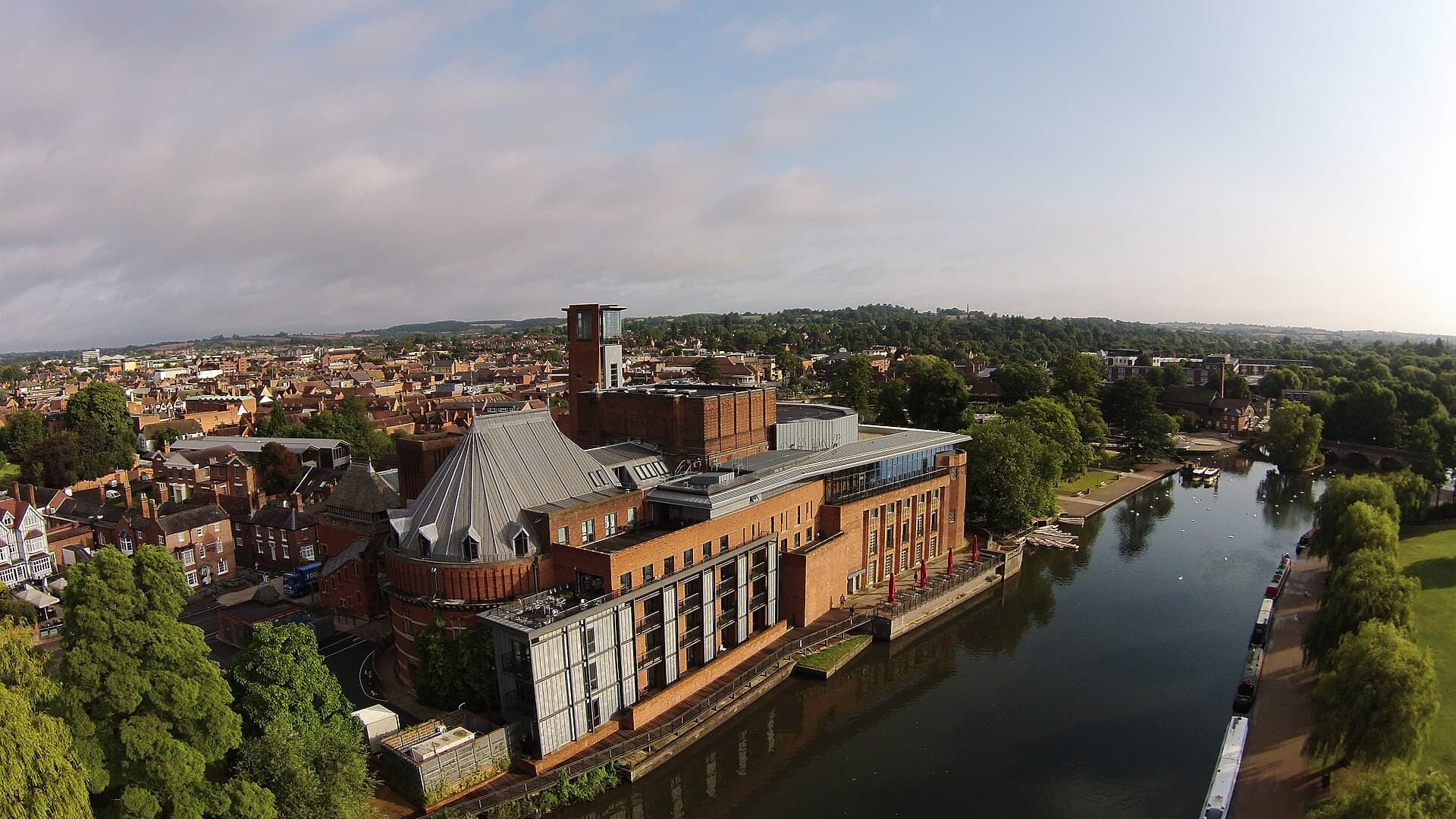 Royal Shakespeare TheatreOne of the best views of Stratford is not from the riverbank but above it: 32 me3 minutes walk4.6
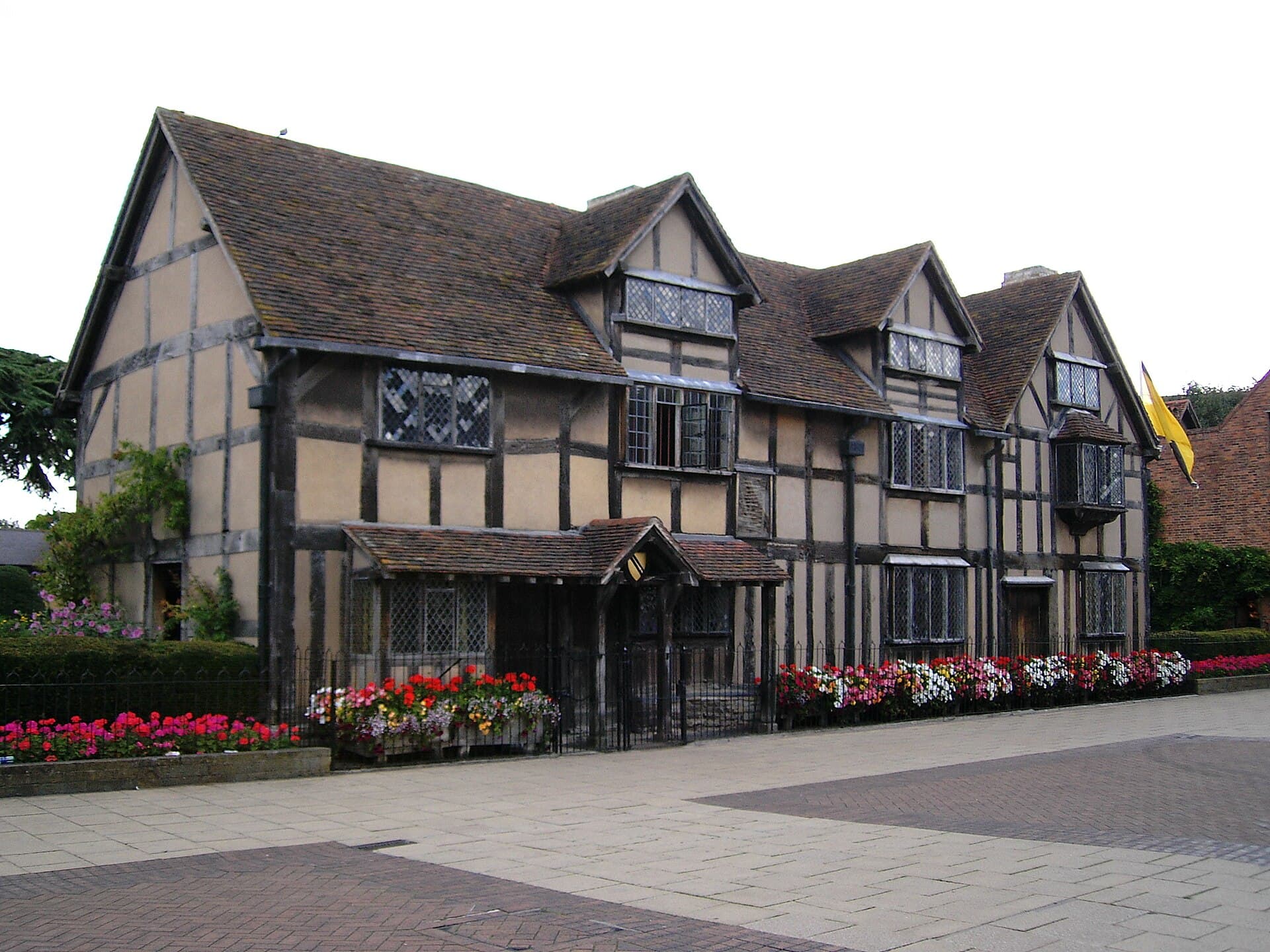 Shakespeare's BirthplaceIn 1847 the American showman P. T. Barnum threatened to buy this house, take it 5 minutes walk4.6
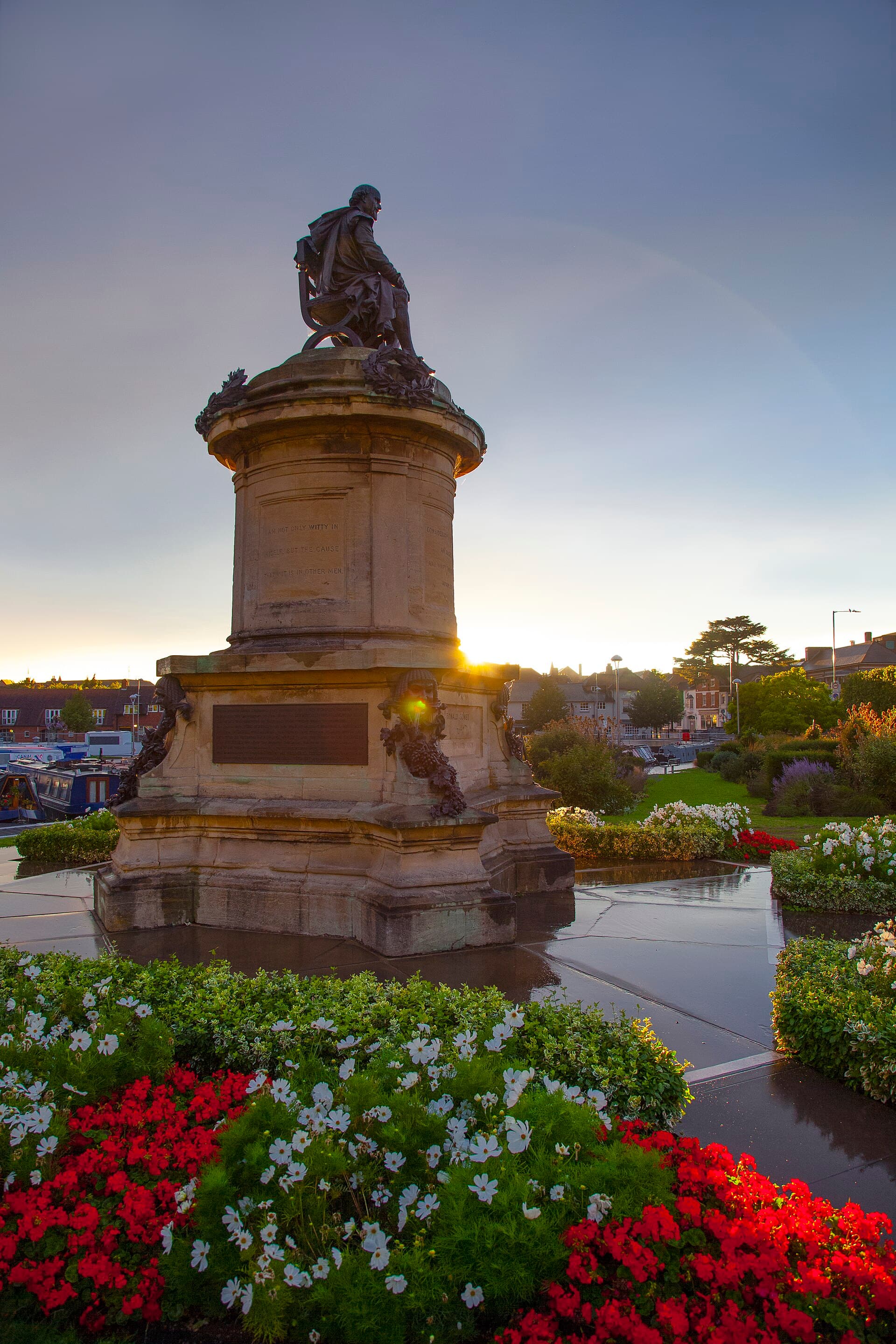 Bancroft Gardens & Gower MemorialShakespeare does not stand on a plinth here; he sits, at ease, on a tall pedesta5 minutes walk4.5
Yes, because it is free and literally on the way between New Place and the schoolroom, but budget no more than twenty minutes. The paintings are faint and only come alive with a volunteer's explanation; if Reformation history leaves you cold, a look from the doorway will do.
The entrance is ramped and the floor is level, so a pushchair goes straight in. The content, though, is faded paintings of the Last Judgement, and young children lose interest within minutes; let the adults take a quick look and carry on to the river.