
Iron arch
Over the Liffey.
psyberartist — CC BY 2.0 · Sean MacEntee from Monaghan, Ireland — CC BY 2.0 · EHRENBERG Kommunikation — CC BY-SA 2.0 · Giorgio Galeotti — CC BY 4.0 · N Chadwick — CC BY-SA 2.0 · Corey Leopold — CC BY 2.0 · Zairon — CC BY 4.0 · Olliebailie — CC BY-SA 4.0
An elegant cast-iron footbridge over the River Liffey, built in May 1816 with its parts cast in Shropshire, England, and now one of Dublin's best-known and most photographed symbols. It was first called the Wellington Bridge and became officially the Liffey Bridge after the War of Independence, but people have always known it as the Ha'penny Bridge, after the halfpenny toll once charged to cross it. The bridge spans the river in a single graceful arch trimmed with iron railings and lamps, joining the south bank and the cobbled lanes of Temple Bar to the north bank and the main shopping streets. Crossing is free at any time. The best photo is from the neighbouring bridges, especially at sunset or after dark when its lamps light up and reflect in the water.
Over the Liffey.
Reflected at night.
Behind the name.
Over the River Liffey, between Temple Bar and Liffey Street
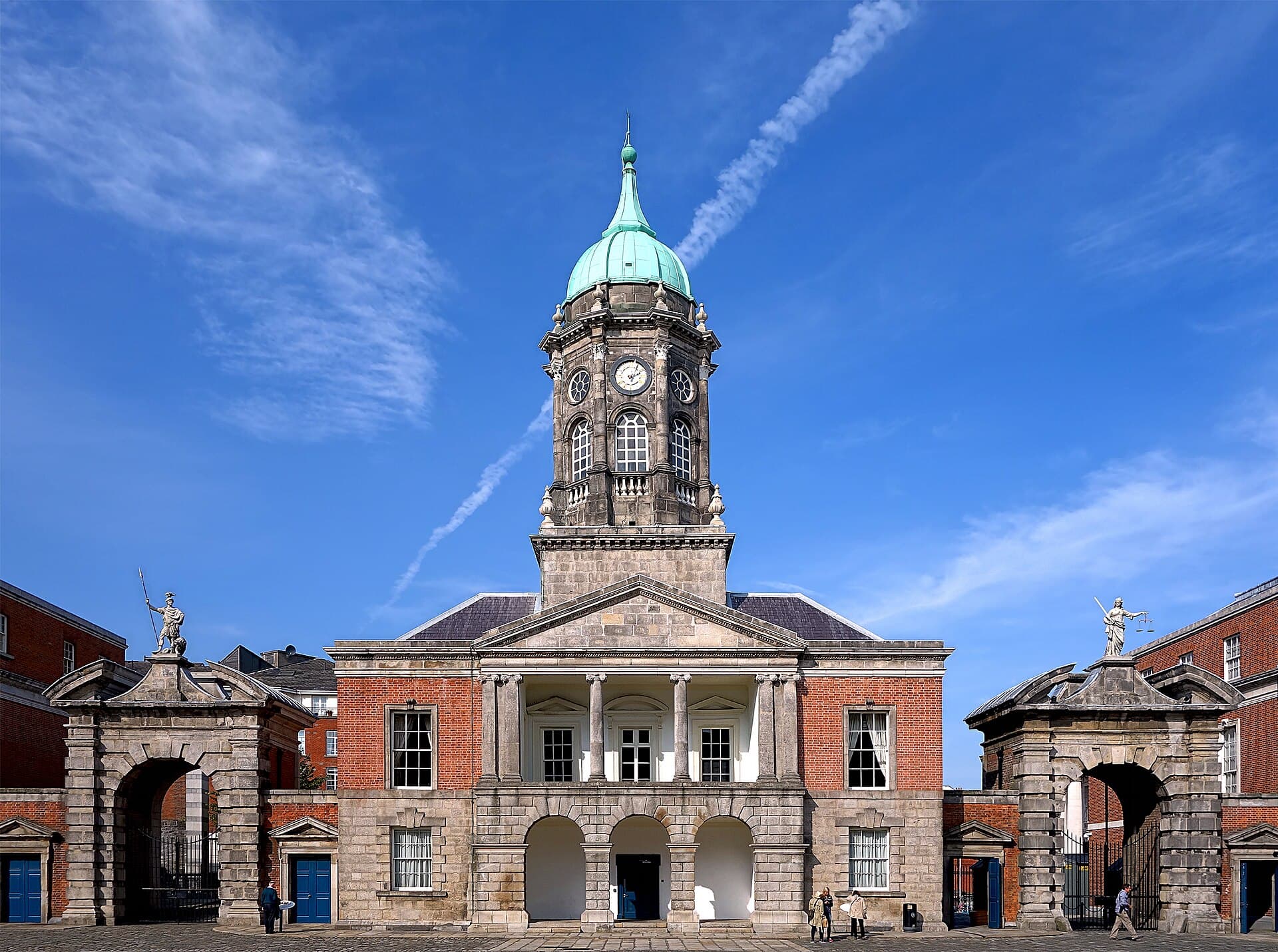 Dublin CastleA historic complex in the heart of Dublin, built on the site of a Norman castle 6 minutes walk4.2
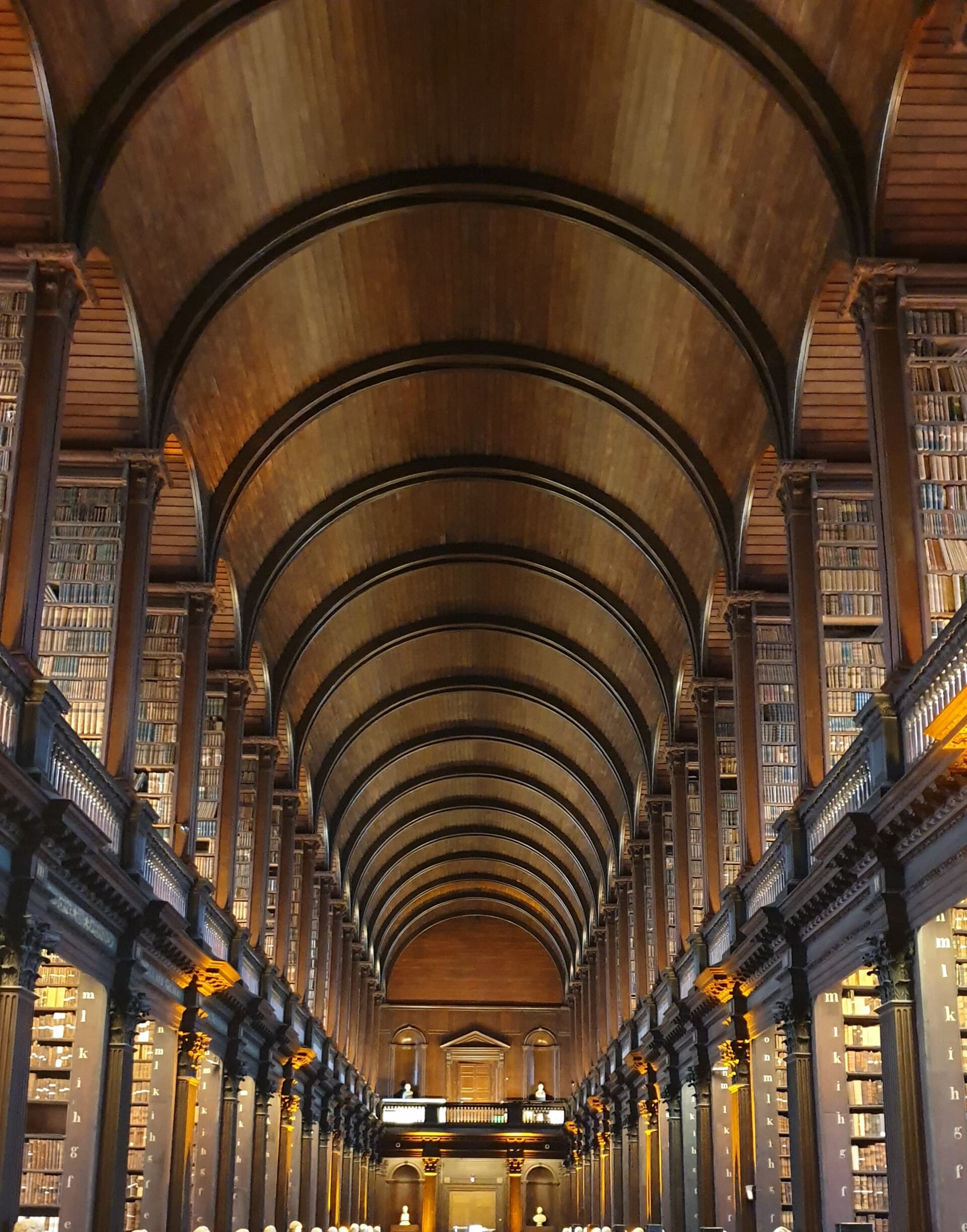 Book of Kells and Trinity College LibraryDublin's best-known cultural sight, inside the historic campus of Trinity Colleg6 minutes walk4.5
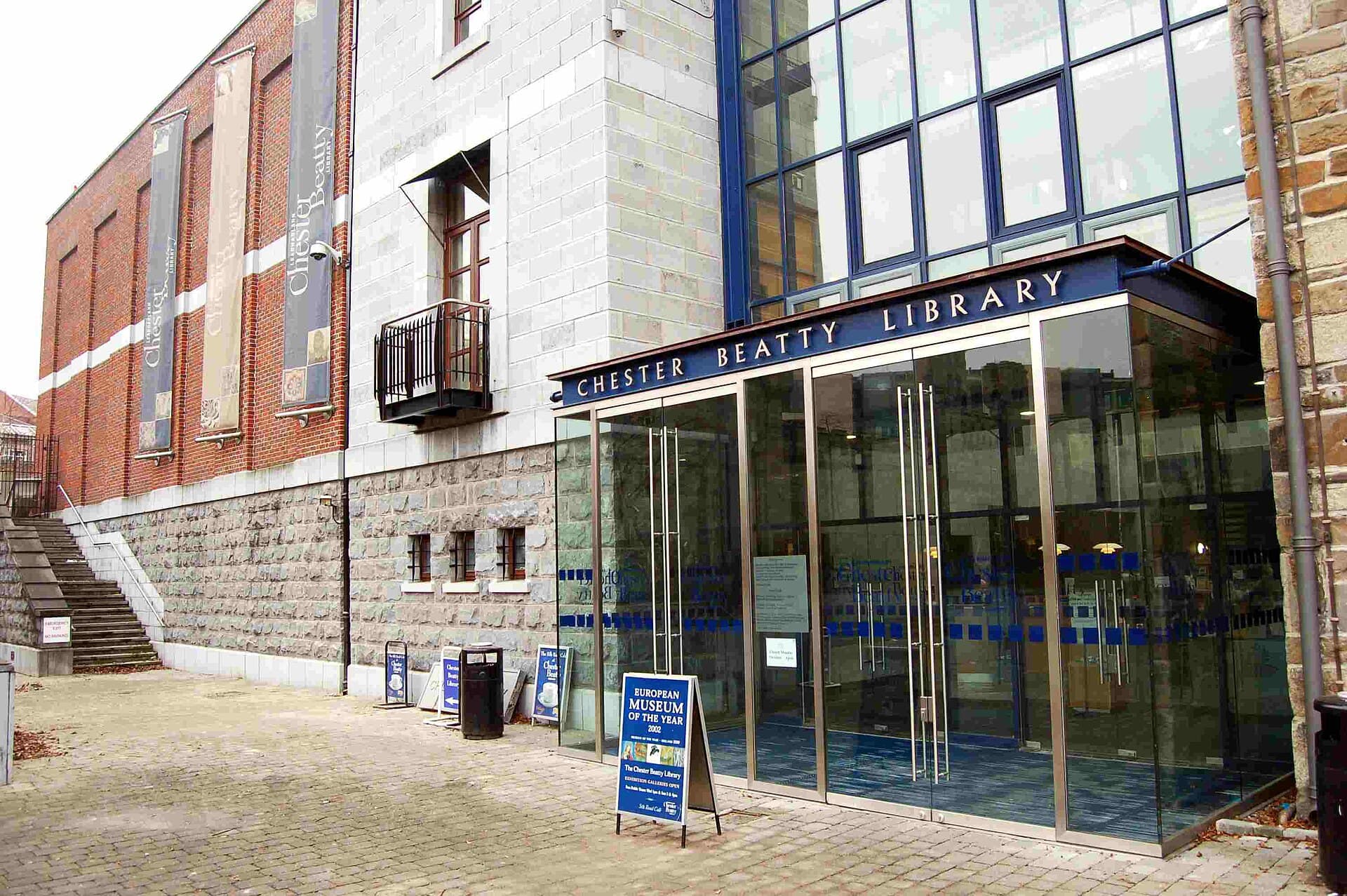 Chester BeattyA museum and library in the grounds of Dublin Castle holding the collections tha7 minutes walk4.6
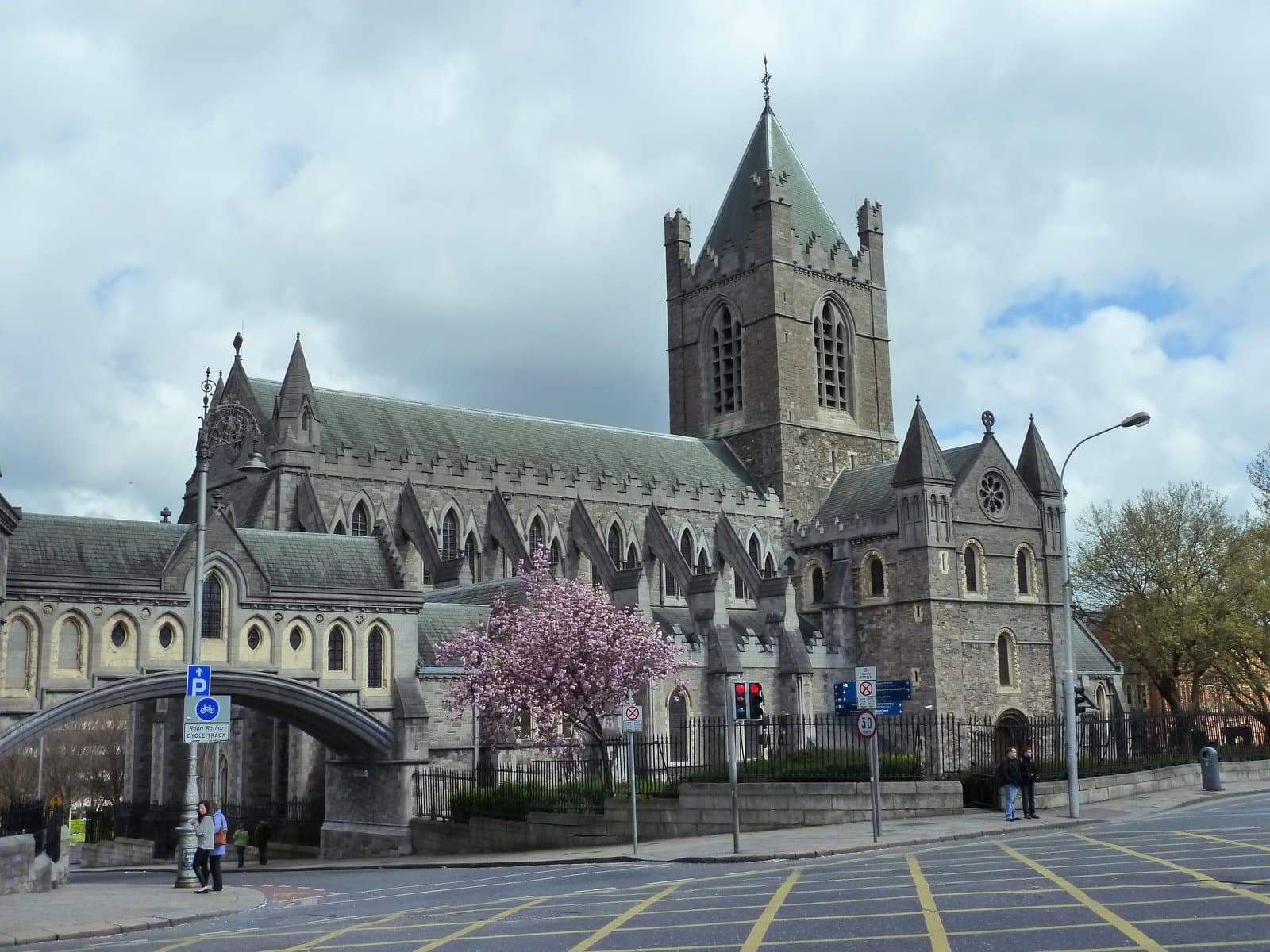 Christ Church CathedralThe older of Dublin's two medieval cathedrals, founded in the early eleventh cen8 minutes walk4.6
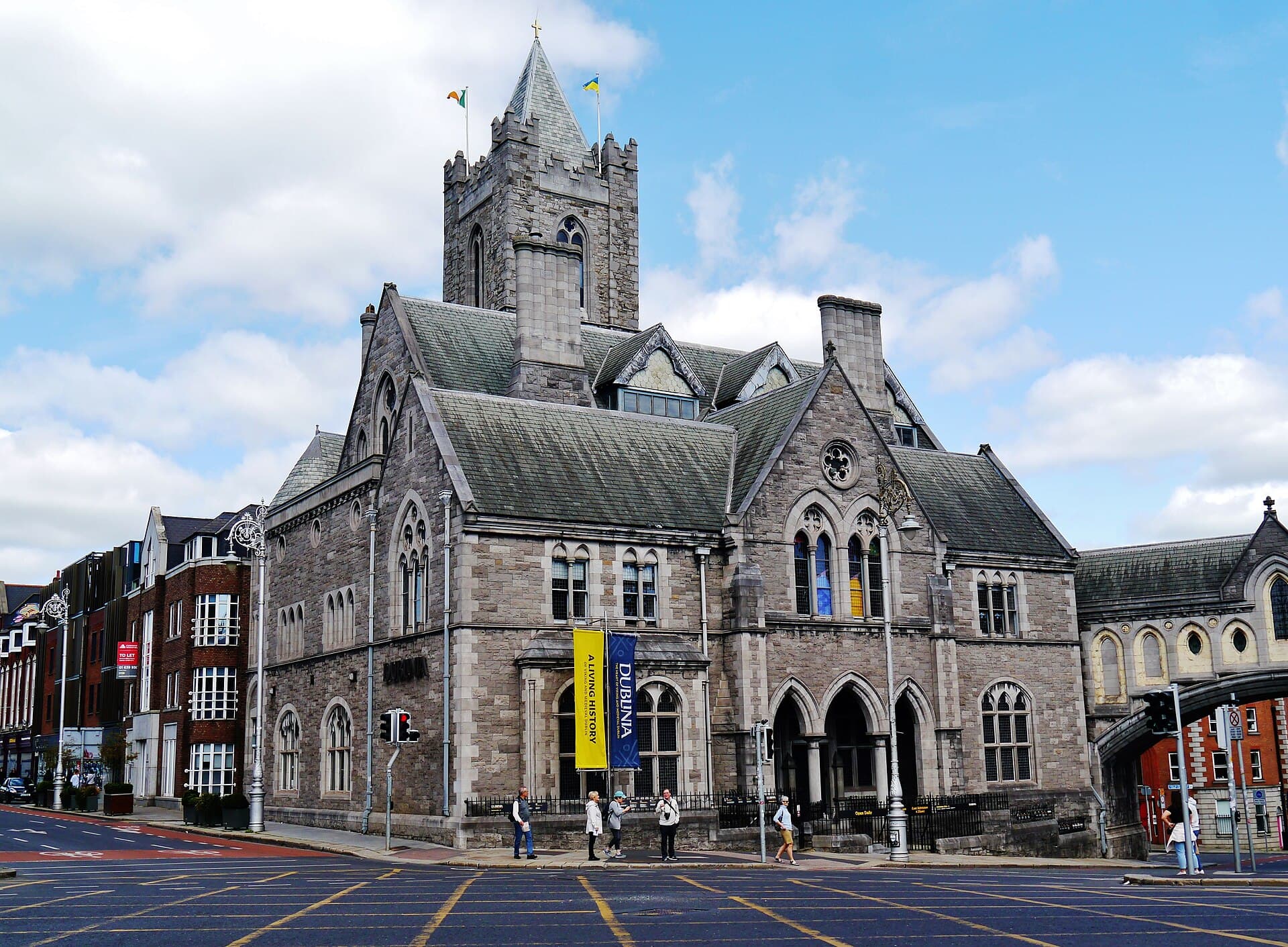 DubliniaA living history museum of Viking and medieval Dublin in the historic Synod Hall9 minutes walk4.6
Because crossing it once cost a halfpenny toll; its official name today is the Liffey Bridge.