
Domed halls
With skylights.
Nassima Chahboun — CC BY-SA 4.0 · Nassima Chahboun — CC BY-SA 4.0 · Nassima Chahboun — CC BY-SA 4.0 · Nassima Chahboun — CC BY-SA 4.0
Public baths built in the late nineteenth century by Sultan Barghash bin Said in the Persian style, among the first public baths in Zanzibar. The whole quarter takes its name from them: Hamamni, the place of the bath. Inside, a sequence of domed halls with high ceilings and skylights runs from the changing room to the warm and hot rooms and the water basins, as in traditional Islamic bathhouses. The water was heated and carried in channels through the walls and floors. The baths stopped working long ago and are now dry, but their simple, elegant architecture still speaks of the town's daily life under the sultans, when the bathhouse was a place both to wash and to meet. The visit is short, and you sometimes have to find the caretaker who holds the key, for a small fee. The building sits in the heart of town, so make it a stop on a walk through the lanes.
With skylights.
And water basins.
Named after the baths.
Hamamni quarter, central Stone Town
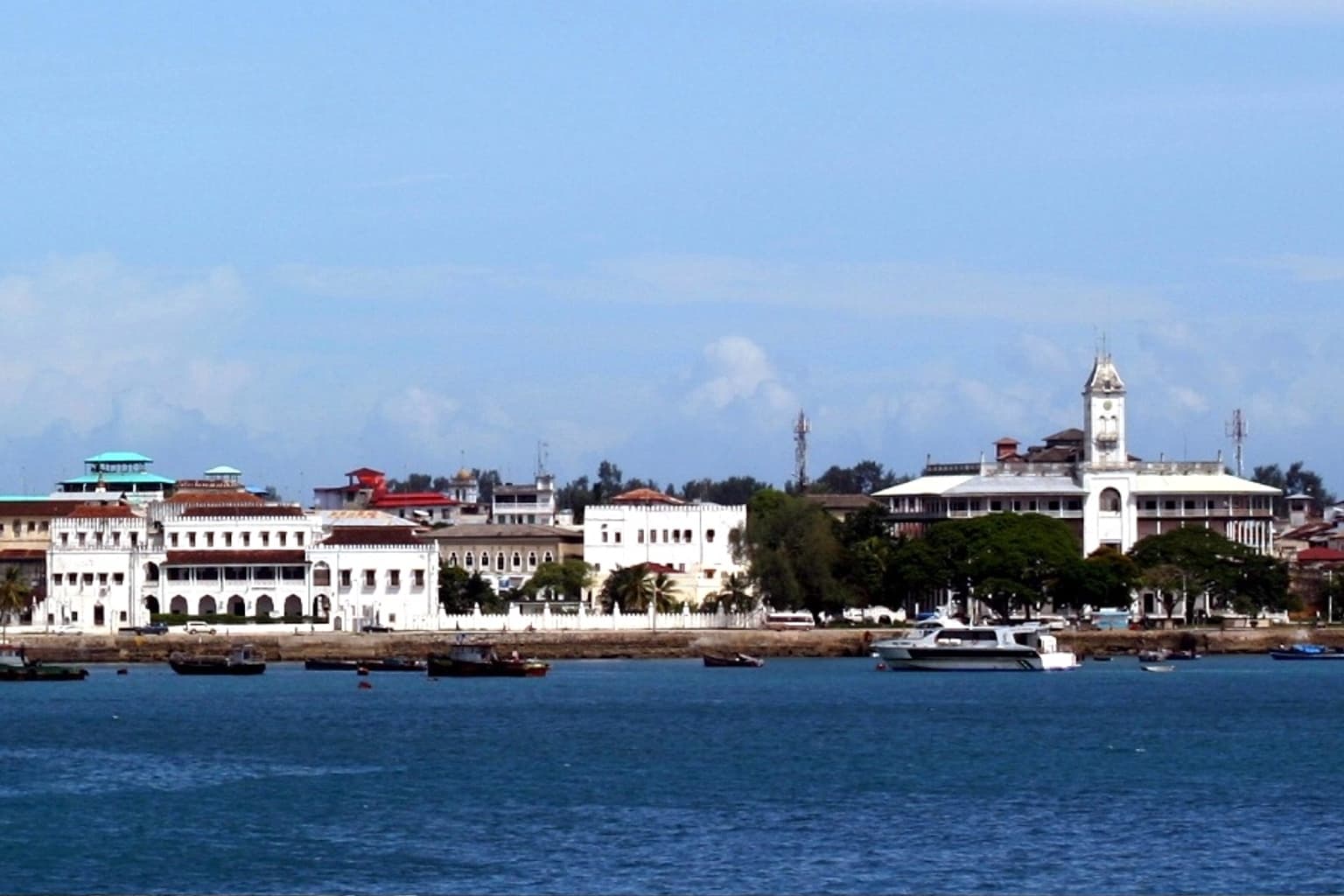 Stone TownZanzibar's old town, a maze of narrow lanes and coral-stone houses blending Oman2 minutes walk
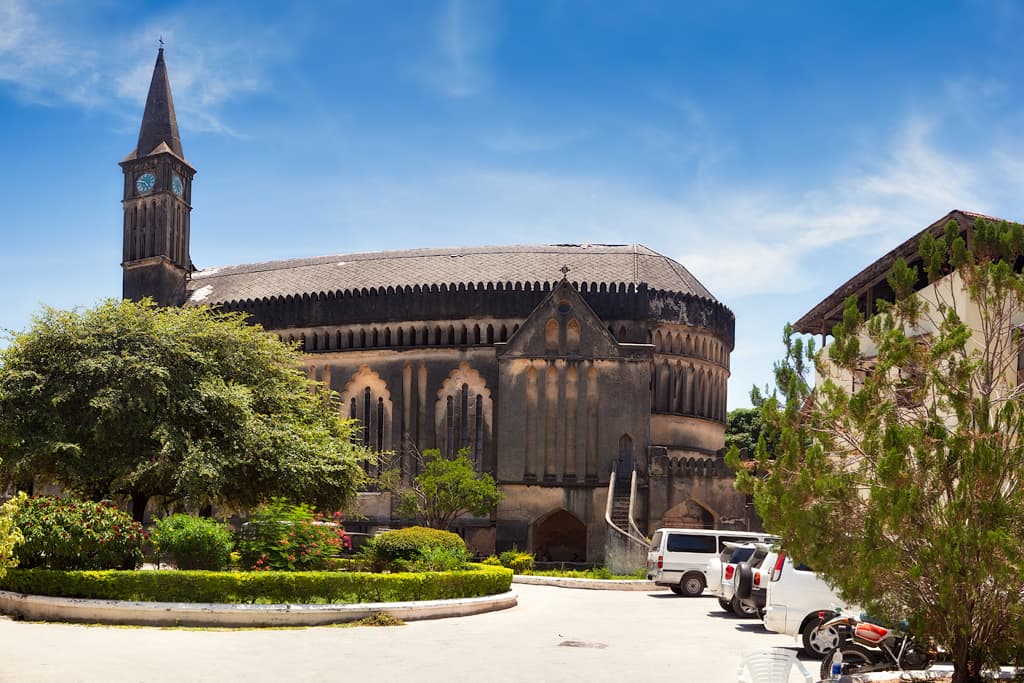 Old Slave Market and MemorialThe site of the last open slave market in East Africa, closed in 1873 when Sulta3 minutes walk4.3
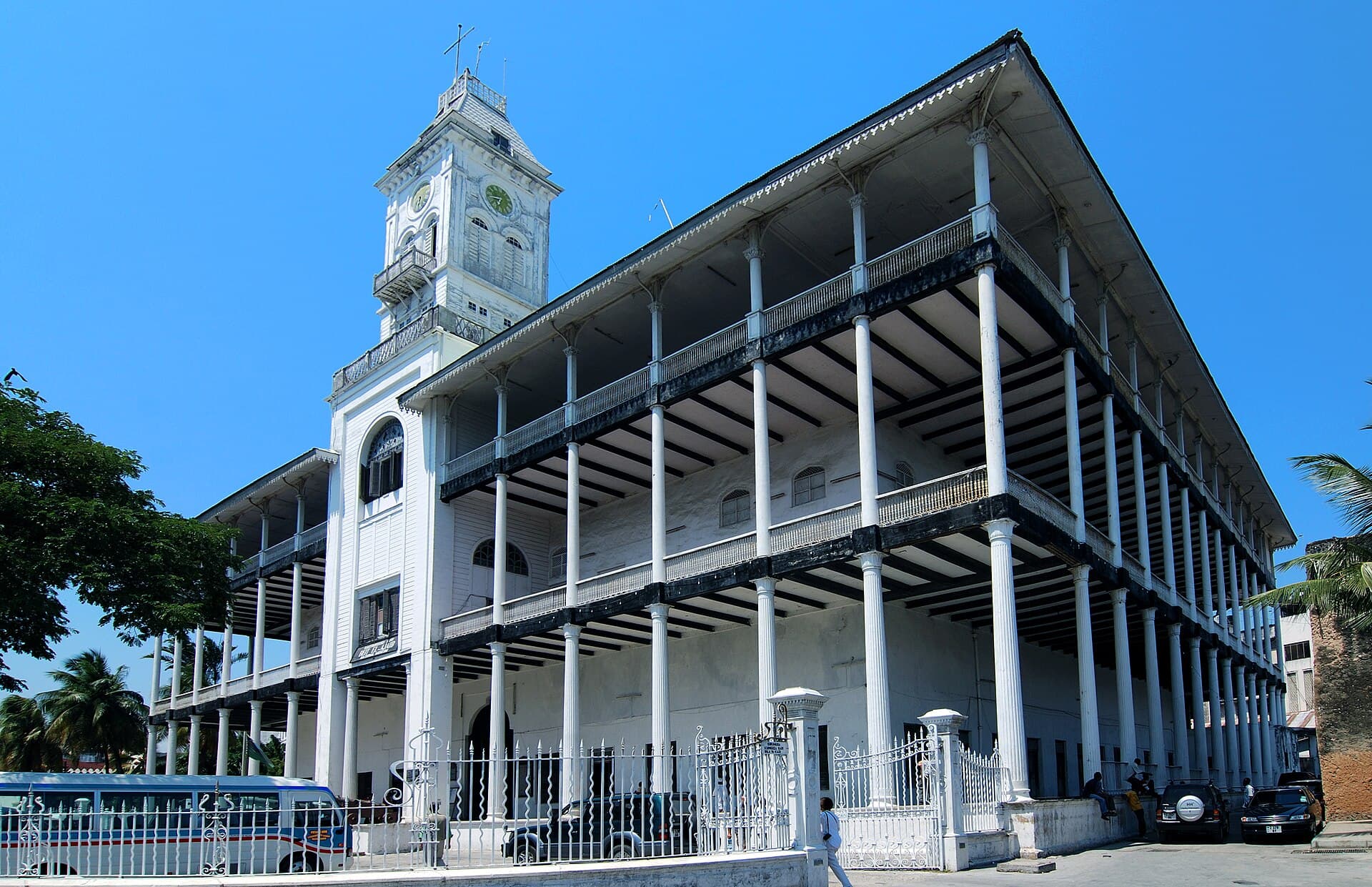 House of Wonders (Beit al-Ajaib)Stone Town's most famous and tallest building, a ceremonial palace built by Sult3 minutes walk3.8
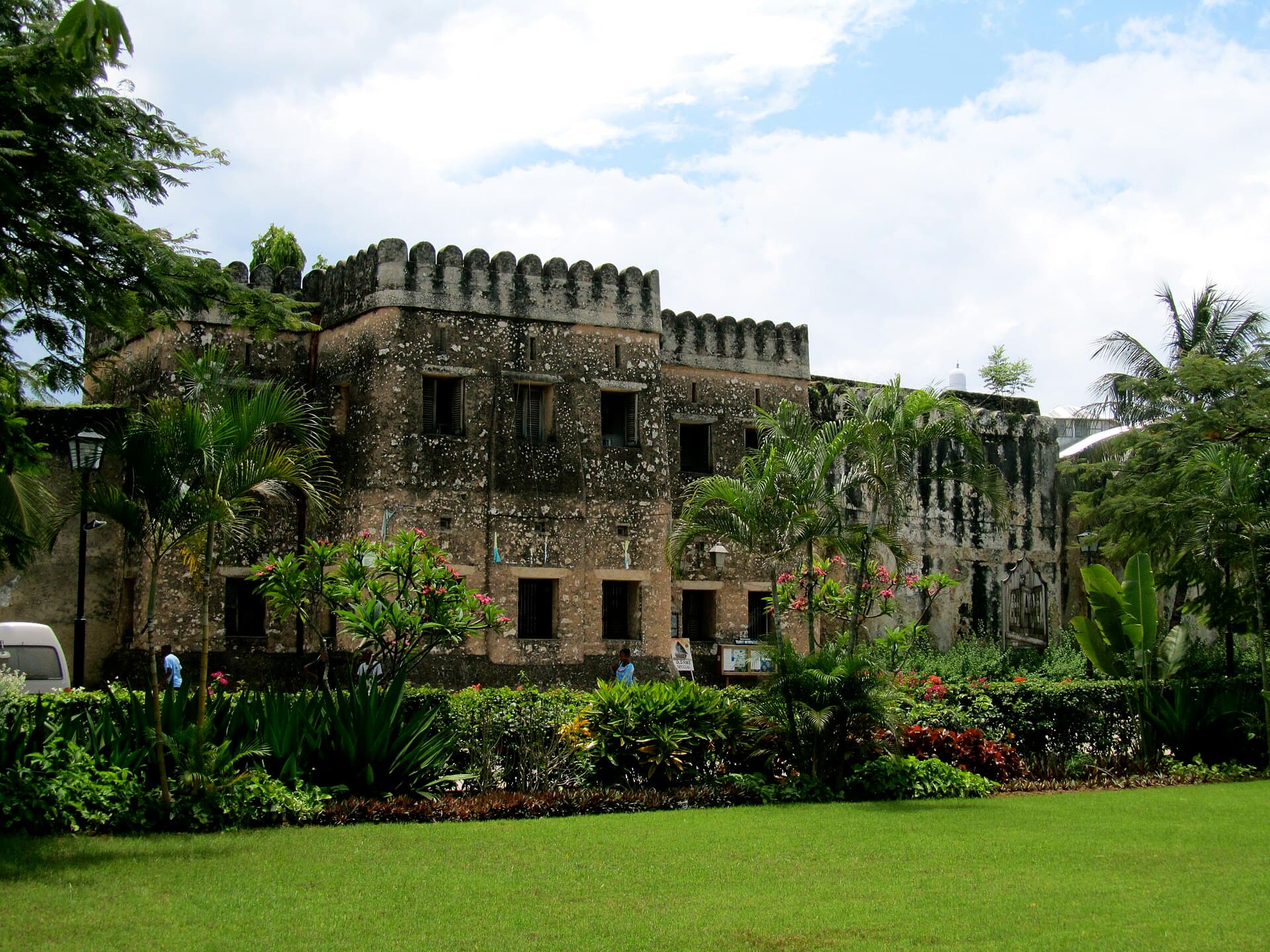 Old Fort of ZanzibarThe oldest standing building in Stone Town, a fort with high walls and crenellat3 minutes walk3.9
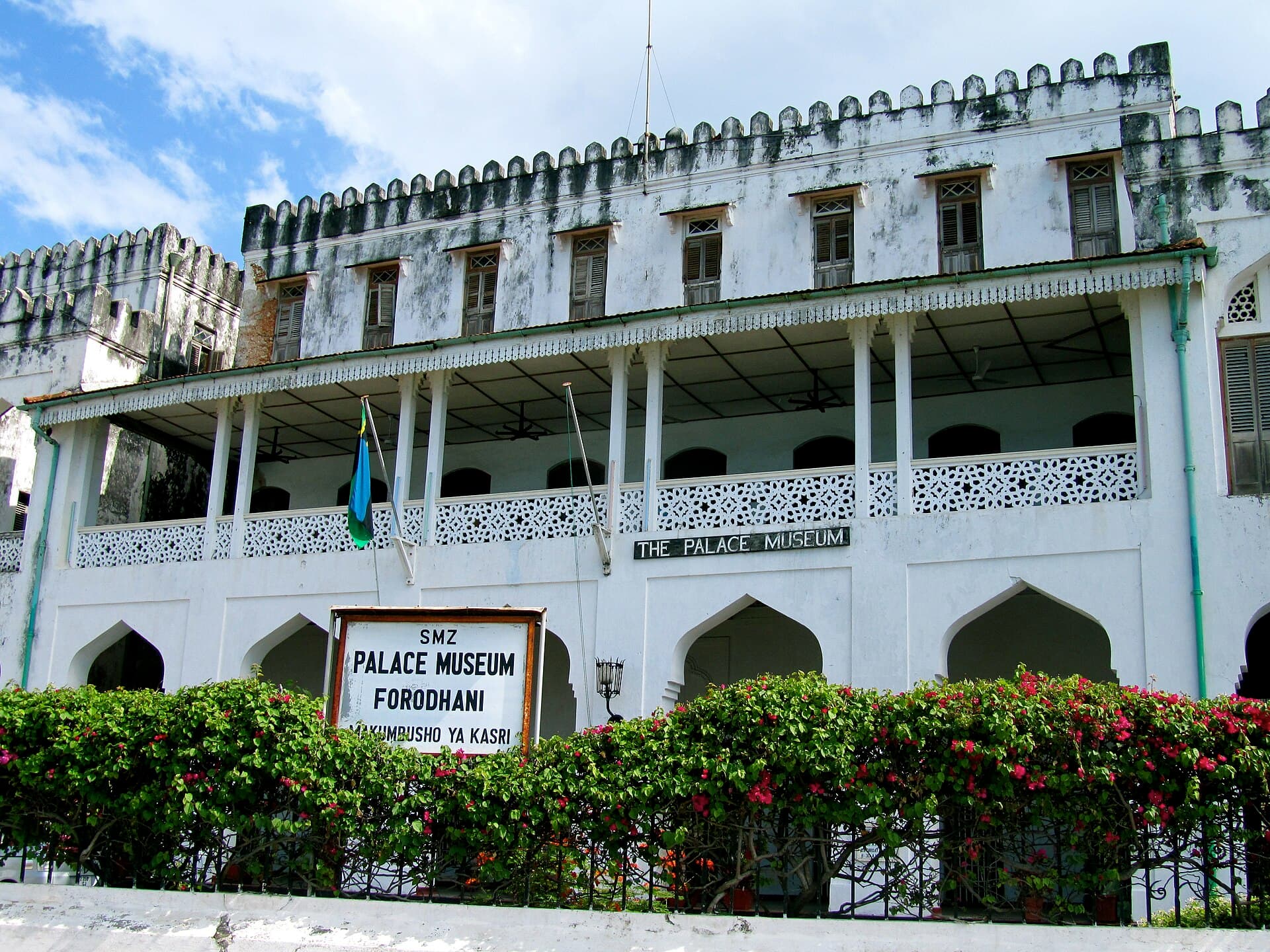 Palace Museum (Beit al-Sahel)A white palace with crenellated walls on the Stone Town waterfront, home to the 4 minutes walk3.9
No, they stopped working long ago and are dry; today they are visited as a historic monument.