
The memorial
Chained figures.
This photo was taken by Anton Zelenov. Please credit this with : Photo : Anton Zelenov in the immediate vicinity of the image. If you use one of my photos, please email me (account needed) or leave me — CC BY-SA 3.0 · Luganosamwel — CC BY-SA 4.0 · Bärbel Miemietz — CC BY-SA 4.0 · Charles Forster Hayward (1830-1905) — Public domain
The site of the last open slave market in East Africa, closed in 1873 when Sultan Barghash bin Said, under British pressure, signed an end to the seaborne slave trade in Zanzibar. Today it commemorates the hundreds of thousands of East Africans sold through the island over centuries. After the market closed, Christ Church Cathedral was built on its site between 1873 and 1880. Beside it, the East Africa Slave Trade Exhibition traces the caravan routes from the interior to the coast, the lives and suffering of the enslaved, and the long road to abolition. The site has two cramped underground rooms with low ceilings where, tradition says, captives were held before sale. In the square stands a moving memorial of chained figures in a pit, sculpted by the artist Clara Sörnäs in 1998. The visit is moving and worth taking slowly, and the ticket usually includes a guide who explains the history. Visitor guides say it opens daily from morning to evening.
Chained figures.
Low and cramped.
Routes and abolition.
Mkunazini Street, Stone Town
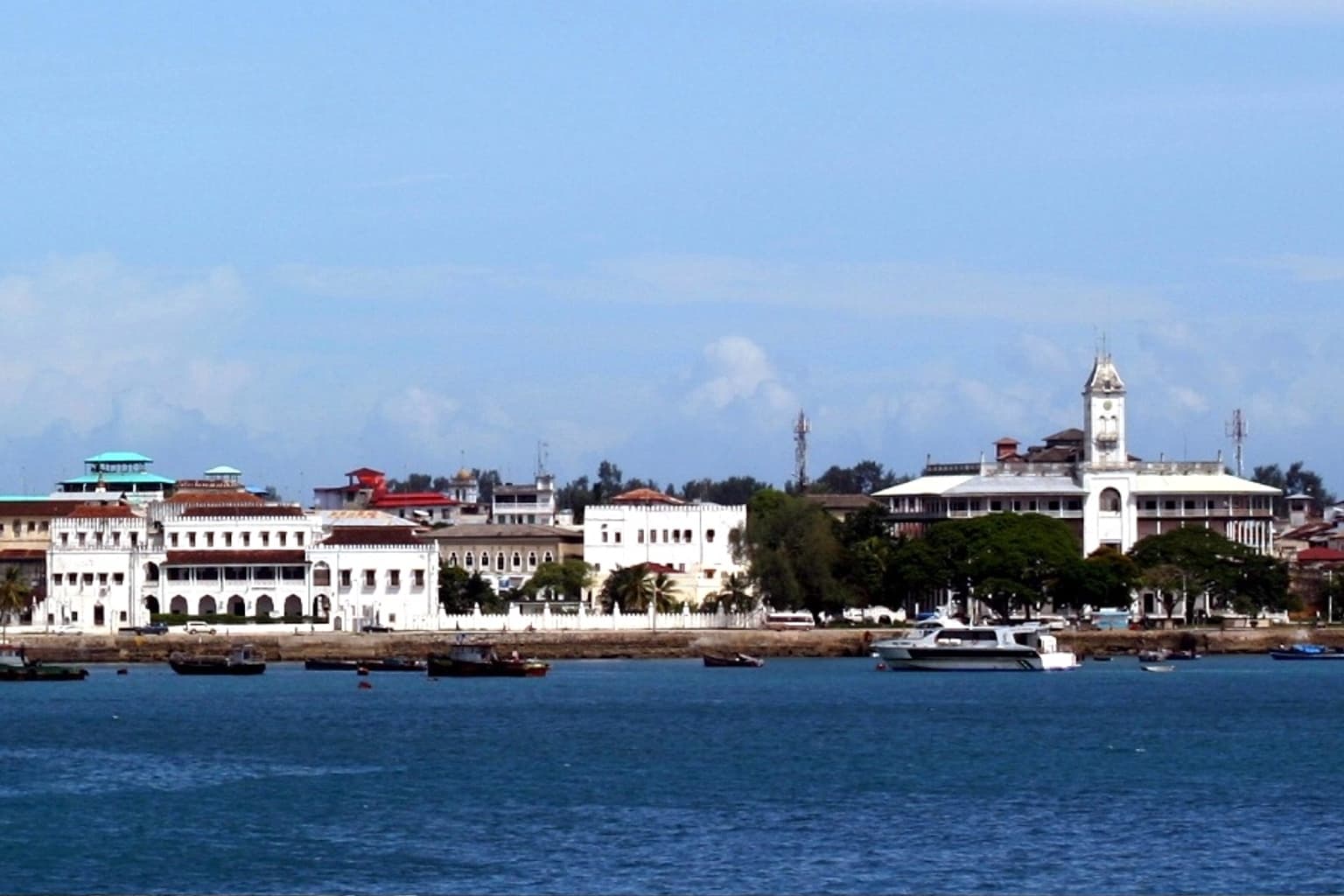 Stone TownZanzibar's old town, a maze of narrow lanes and coral-stone houses blending Oman2 minutes walk
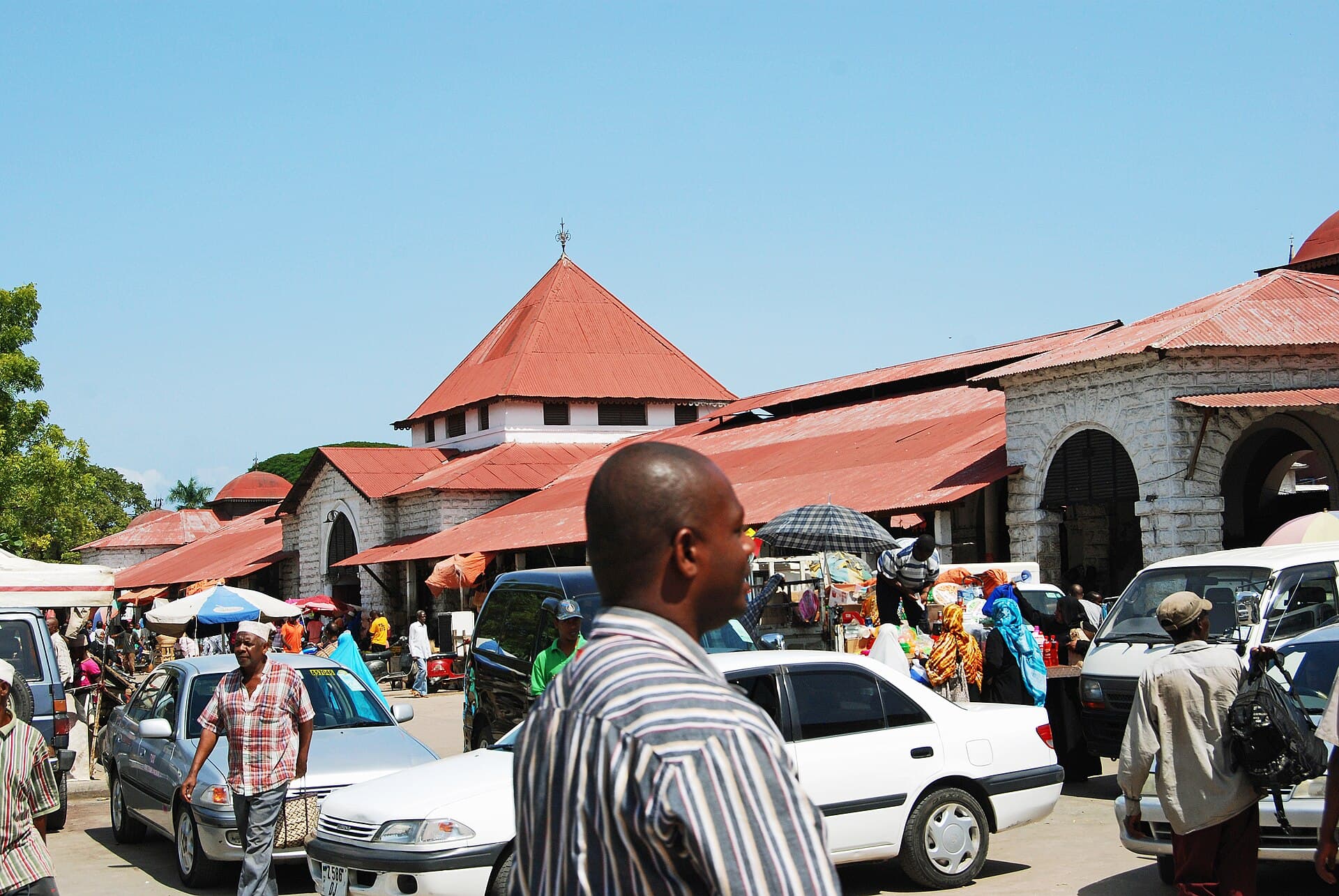 Darajani MarketZanzibar's main market and its liveliest place, at the eastern edge of Stone Tow2 minutes walk4.4
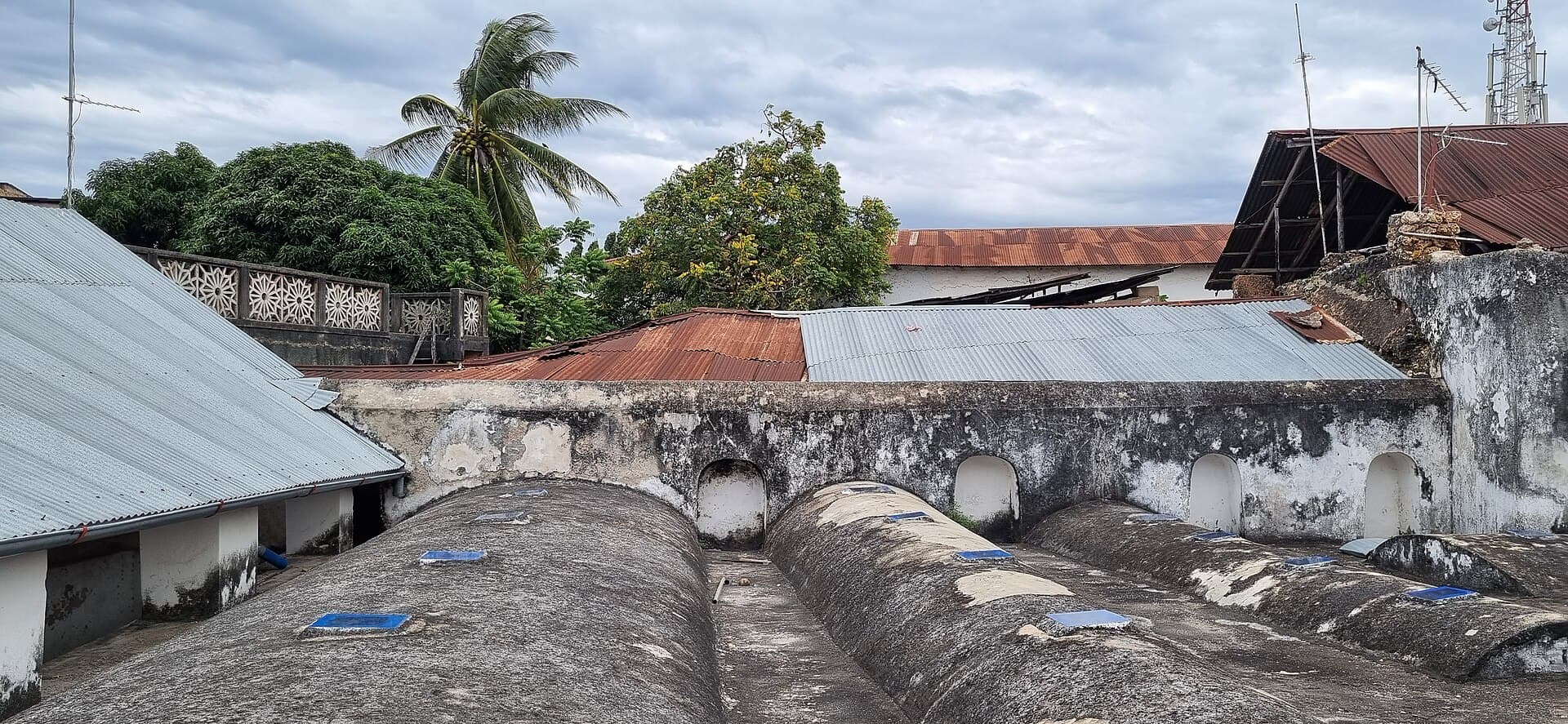 Hamamni Persian BathsPublic baths built in the late nineteenth century by Sultan Barghash bin Said in3 minutes walk3.5
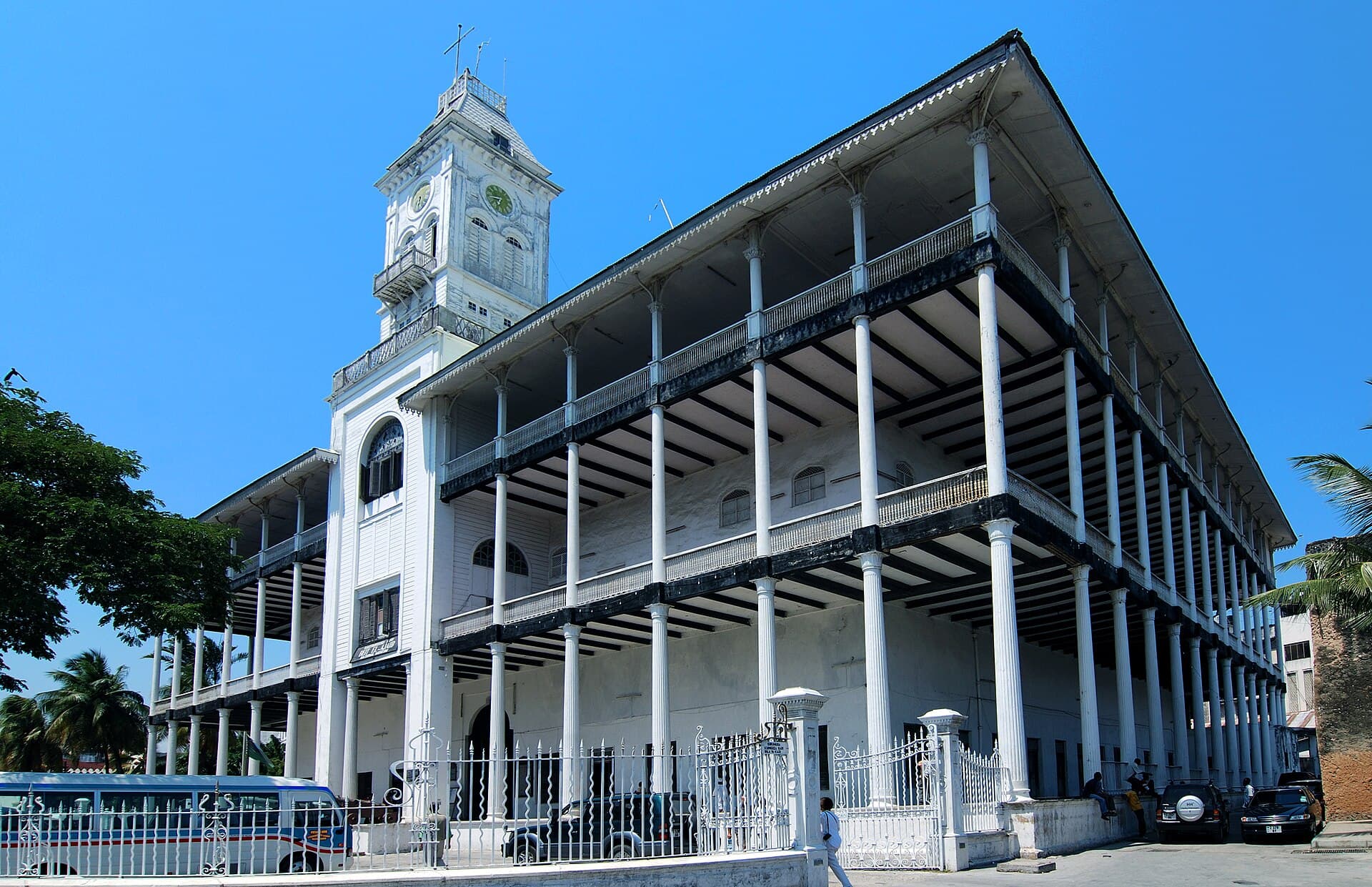 House of Wonders (Beit al-Ajaib)Stone Town's most famous and tallest building, a ceremonial palace built by Sult5 minutes walk3.8
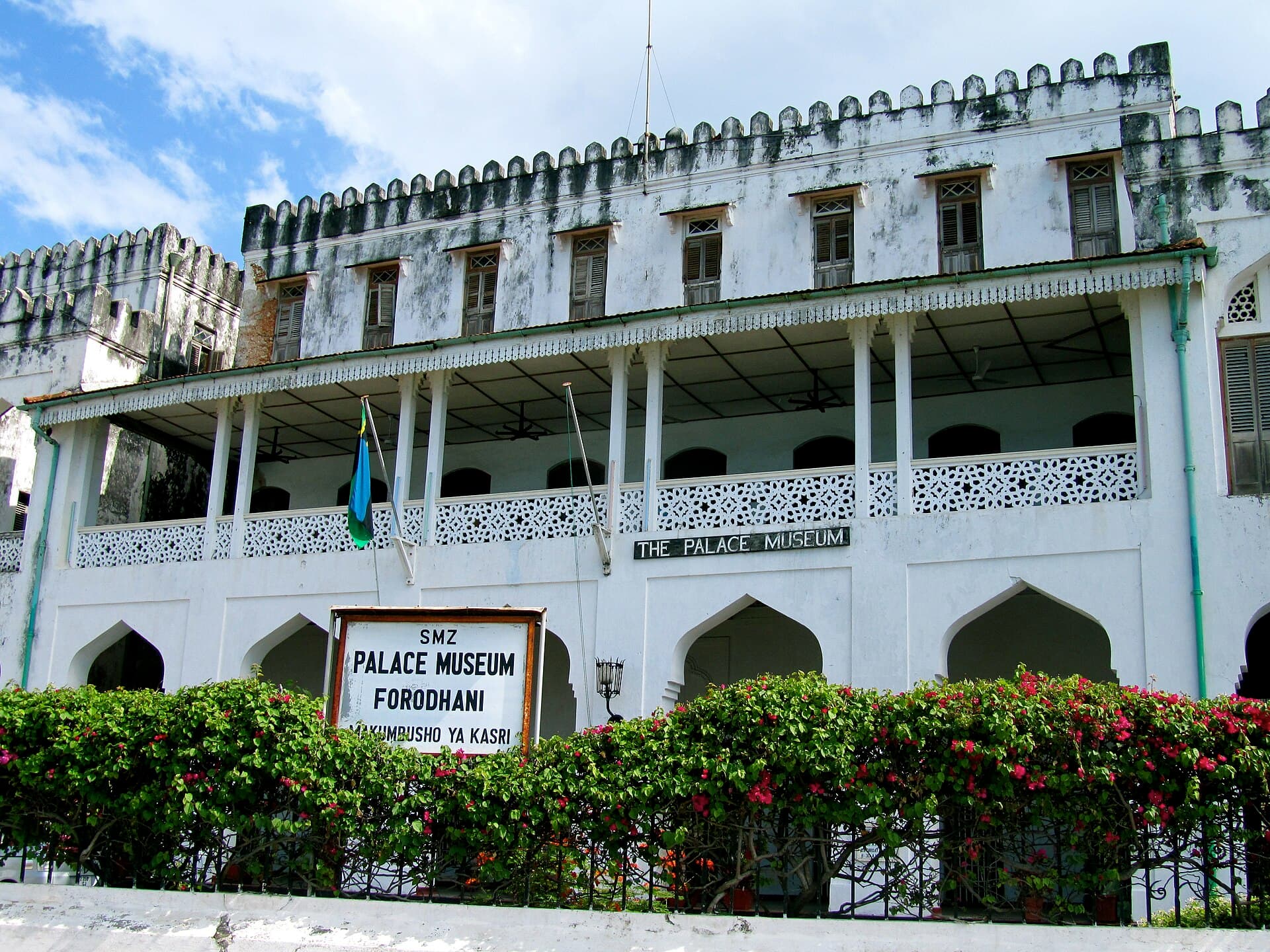 Palace Museum (Beit al-Sahel)A white palace with crenellated walls on the Stone Town waterfront, home to the 5 minutes walk3.9
In 1873, when Sultan Barghash signed an end to the seaborne slave trade under British pressure.