Hatta Fort
An 11-metre tower.
Bjoertvedt — CC BY-SA 3.0 · Hattawe — CC BY-SA 3.0 · Jwendsche — CC BY-SA 4.0 · Bjoertvedt — CC BY-SA 3.0 · Bjoertvedt — CC BY-SA 3.0 · SUNILKUMAR NAIR — CC BY-SA 4.0 · Bjoertvedt — CC BY-SA 3.0 · K4urram — CC BY-SA 4.0
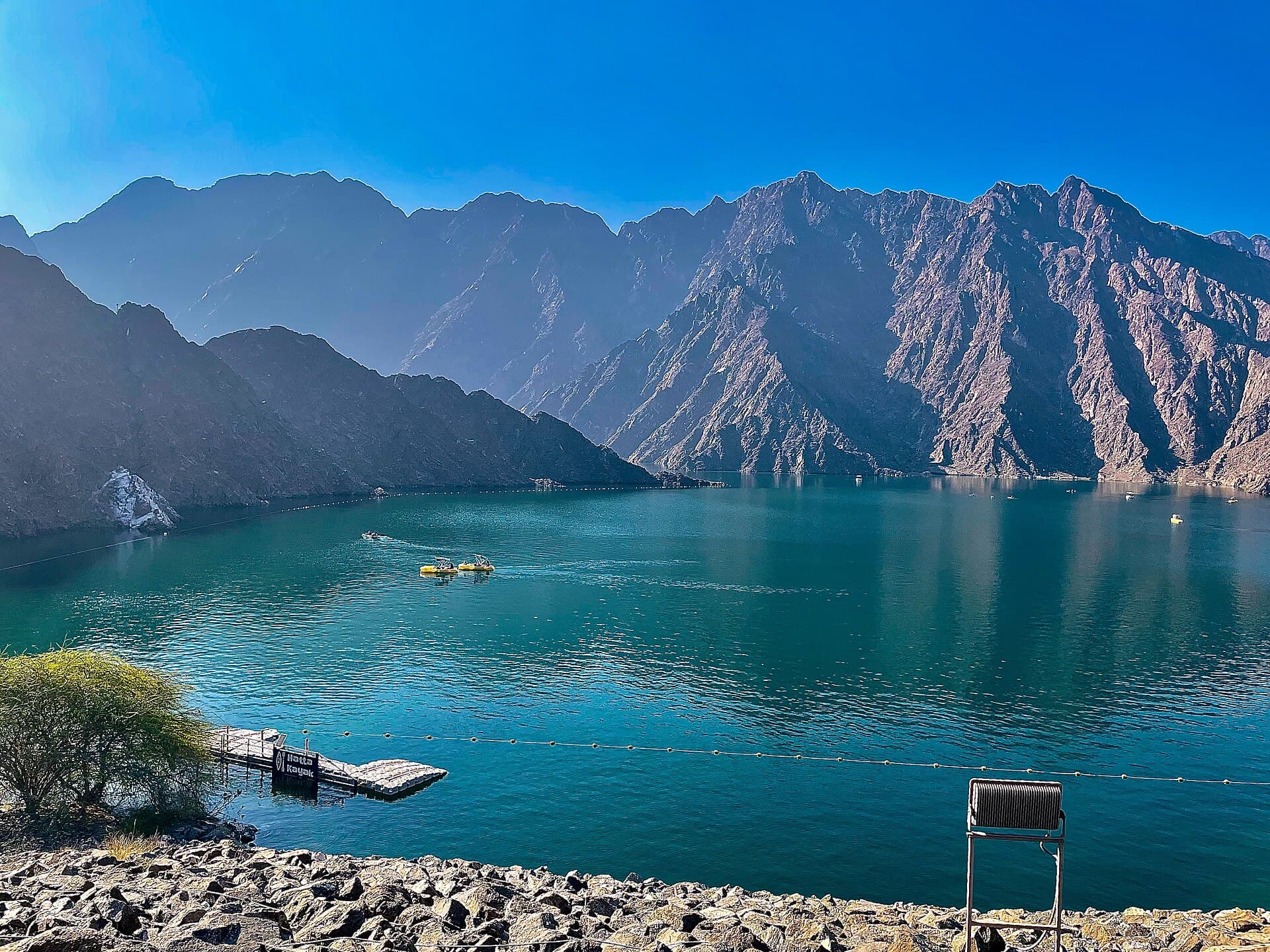
A traditional mountain village in Hatta, about 130 kilometres from Dubai city, among the rugged slopes and wadis of the Hajar Mountains. It has some thirty buildings of mud, palm trunks and fronds, reeds and stone, furnished as homes were before the changes that began in the 1960s. Its centrepiece is Hatta Fort, built in 1896 by Sheikh Mohammed bin Khalifa Al Maidi as both a defensive and a residential building, of mud brick and mountain stone under a roof of palm trunks and fronds, around an inner courtyard with an 11-metre tower. On the hill stand two round watchtowers from the 1880s, which guards once climbed by rope. The fort holds a small museum of old swords, daggers and firearms, with photographs of how it once looked. Date palms were the villagers' livelihood, and farms still surround the village. The village opened to the public in February 2001 after a full restoration and is run by Dubai Culture & Arts Authority. Check opening times locally; it pairs well with nearby Hatta Dam.
An 11-metre tower.
From the 1880s.
Some thirty buildings.
Hatta, in the Hajar Mountains, about 130 km from Dubai city
Sheikh Mohammed bin Khalifa Al Maidi built it in 1896; the village's two watchtowers date from the 1880s, and it opened to the public in 2001 after restoration.