
Conducting the orchestra
You conduct the Philharmonic on a big screen, and lose the beat and the players stop and complain — the funniest moment in any Vienna museum.
Joseolgon — CC BY-SA 4.0 · Joseolgon — CC BY-SA 4.0 · Joseolgon — CC BY-SA 4.0
A museum about sound more than about music: four floors explaining how hearing works at all, and how vibration becomes a note, before you reach the composers who made Vienna the capital of music. Most of it is fully interactive, and that is what sets it apart: you play with pre-birth sounds, generate a random composition by throwing dice — a game genuinely attributed to Mozart — and conduct the Vienna Philharmonic on a large screen, where losing the beat makes the players stop and complain at you. Visitors remember that moment for years. The upper floors belong to Haydn, Mozart, Beethoven, Schubert, Strauss and Mahler, with original items and short texts. The museum stays open until about ten at night — one of Vienna's best evening options once the other museums have closed.
You conduct the Philharmonic on a big screen, and lose the beat and the players stop and complain — the funniest moment in any Vienna museum.
Experiments on hearing, vibration and noise — music explained from its physics rather than its history.
A composing game genuinely attributed to him — you throw, and out comes a short piece nobody has played before.
Seilerstätte, Vienna
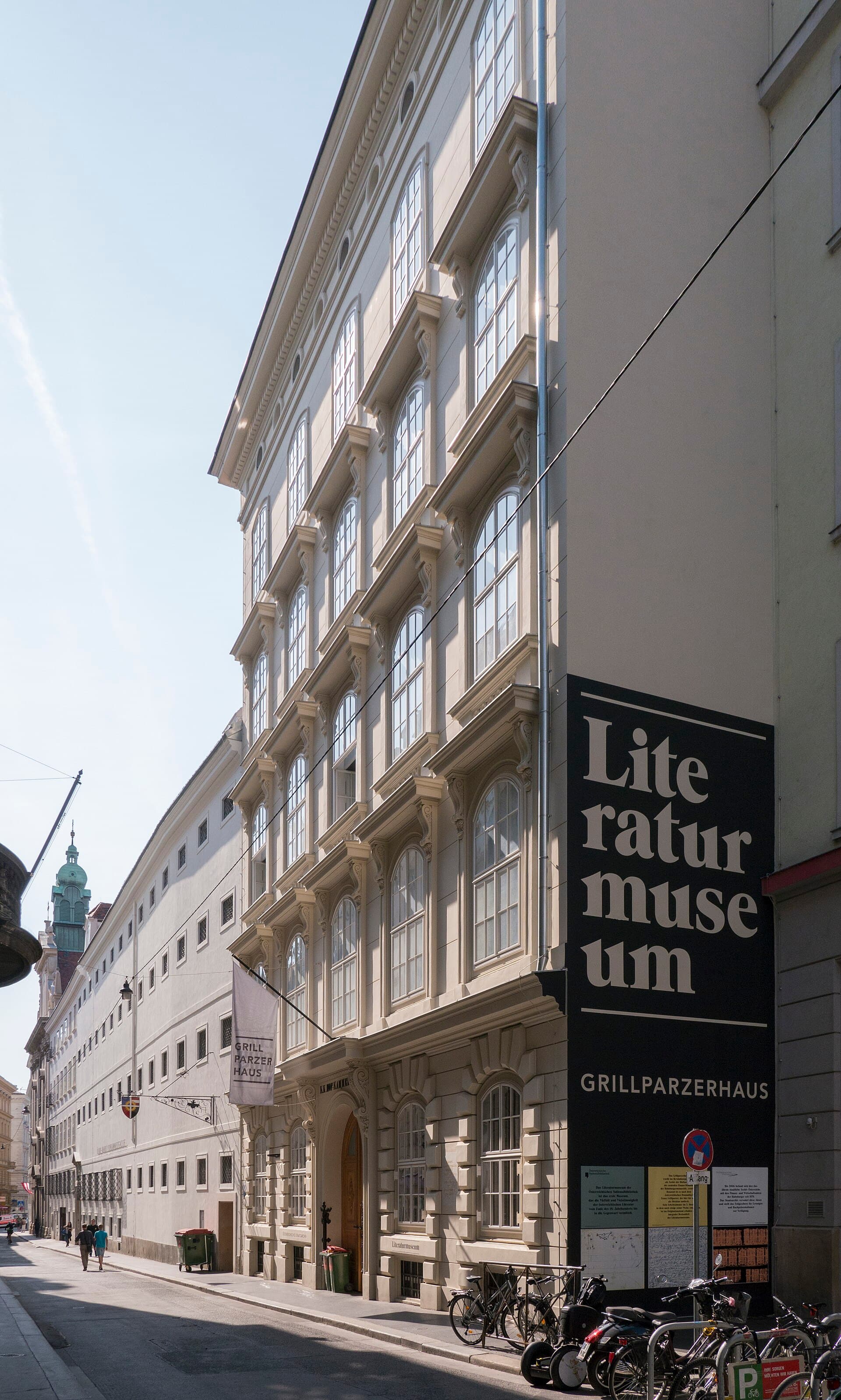 Austrian Literature MuseumA museum of the Austrian National Library, opened in 2015 in a historic building1 minute walk4.4
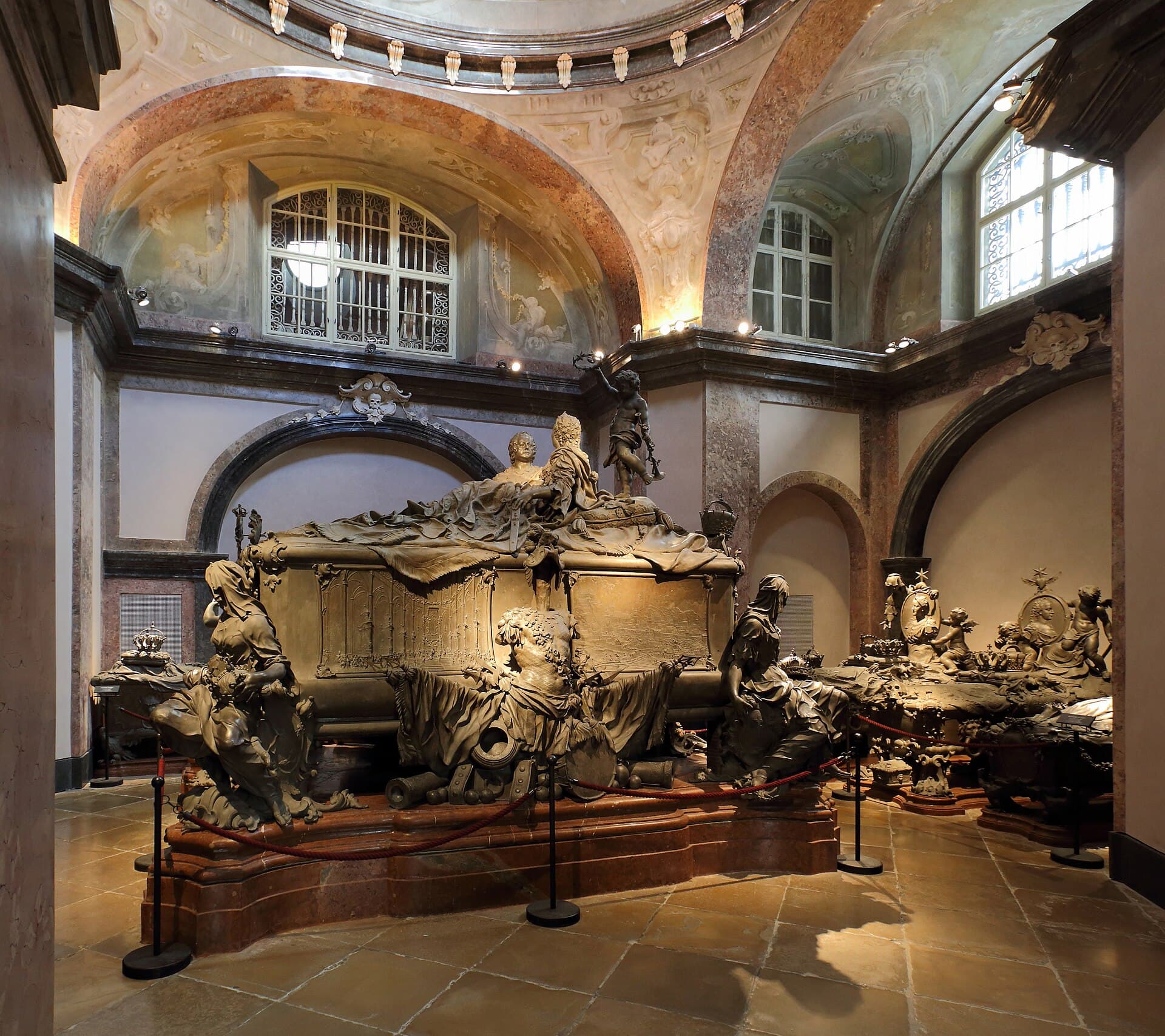 Imperial CryptBeneath the plain Capuchin church in central Vienna lie some hundred and fifty H4 minutes walk4.7
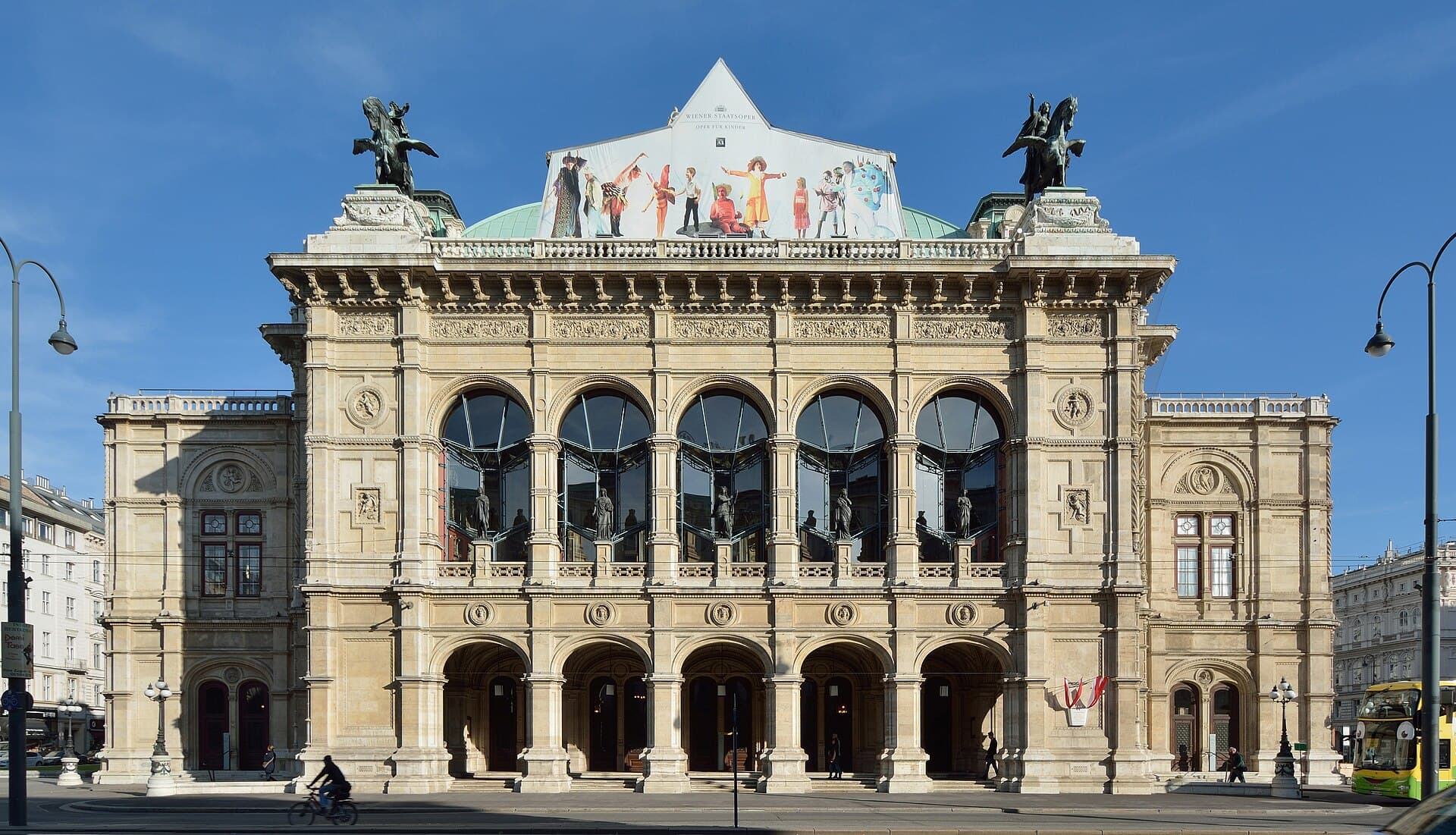 Vienna State Opera houseThe world's most famous opera house, and its most productive: some fifty differe4 minutes walk4.6
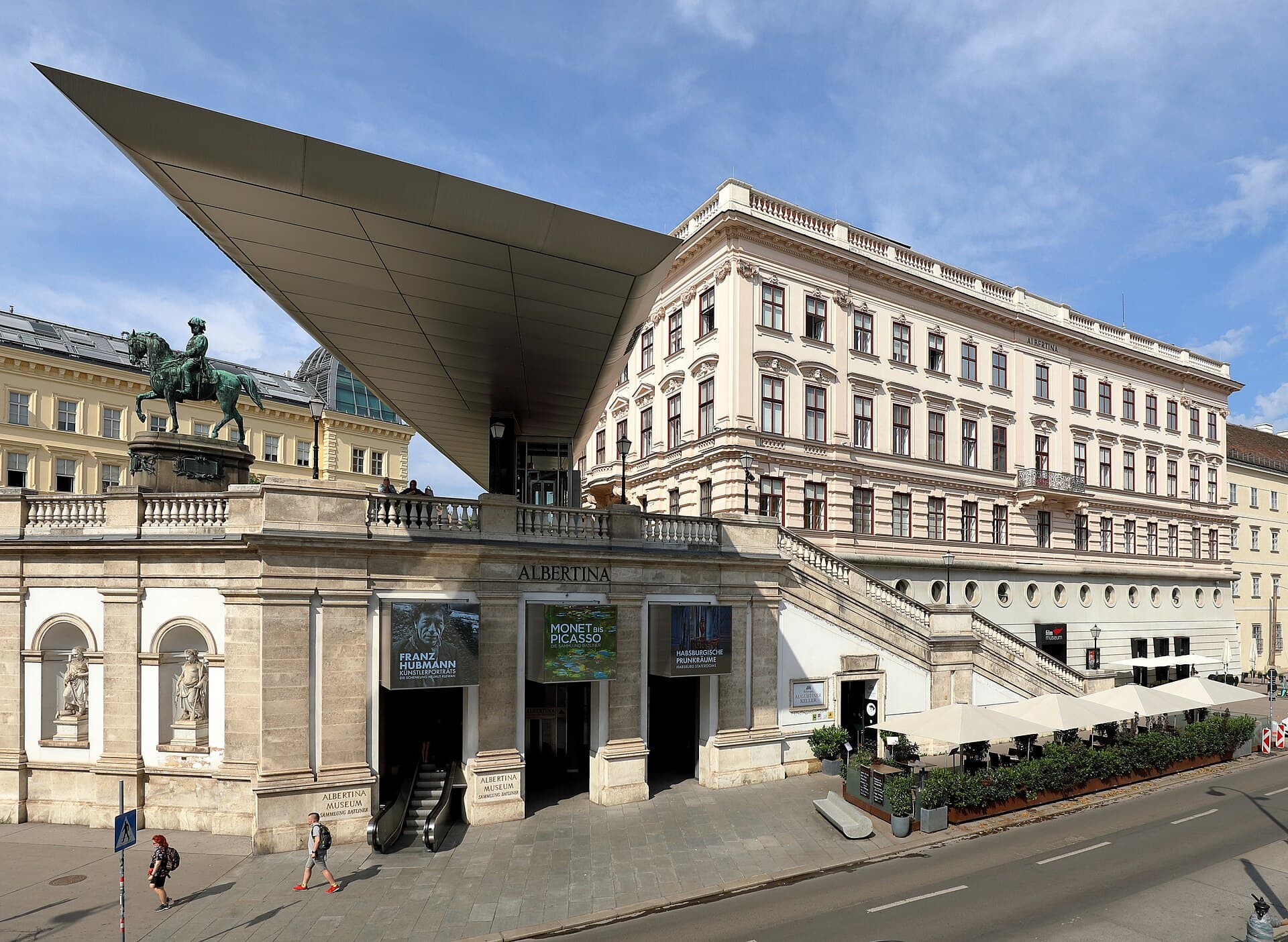 AlbertinaA Habsburg palace standing on the last surviving fragment of Vienna's old city w5 minutes walk4.6
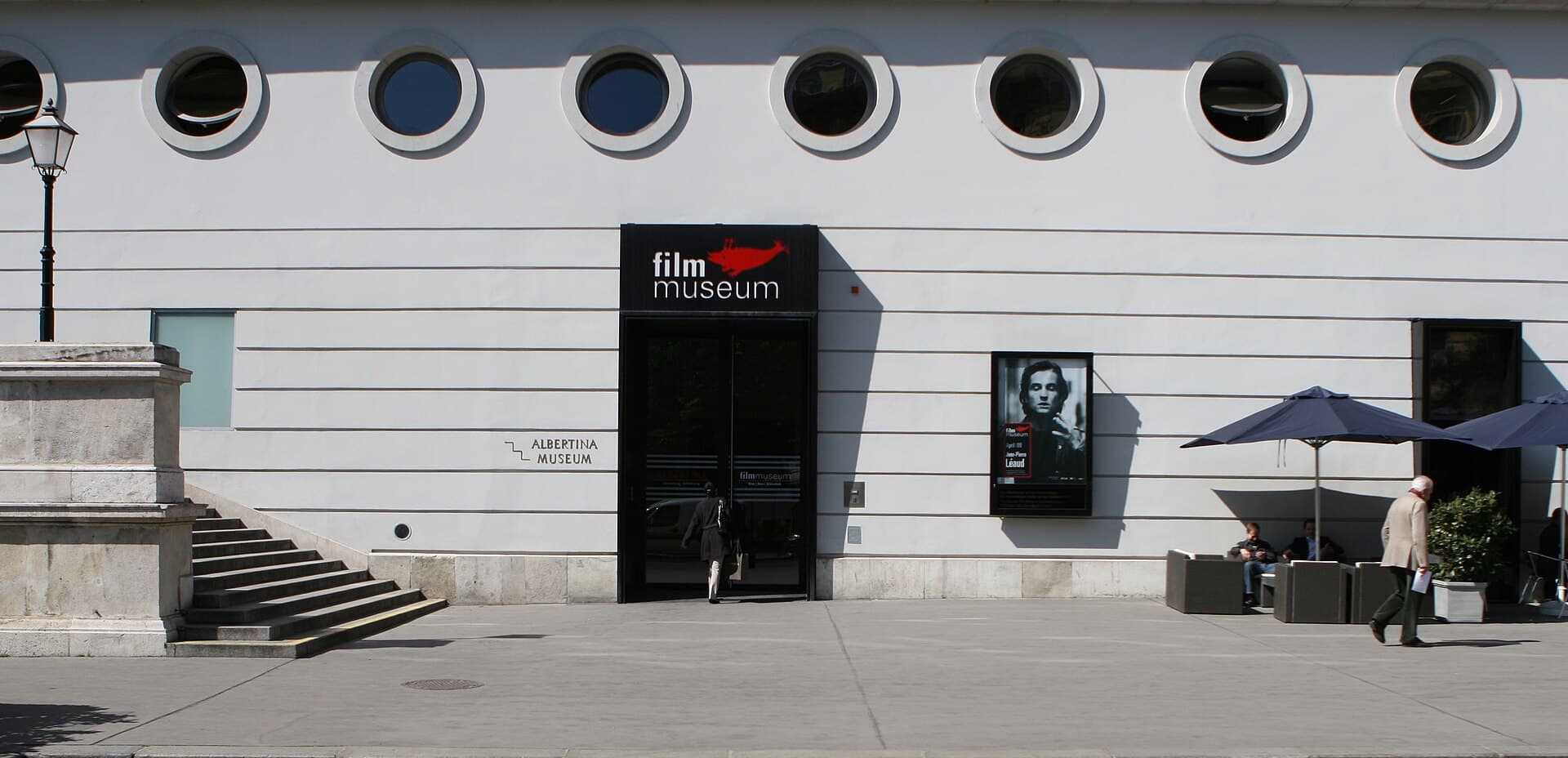 Austrian Film MuseumA film archive and cinema inside the Albertina building in central Vienna, found5 minutes walk4.7
Yes — one of Vienna's best for them, because almost everything is touched and tried. Ages six and up get the full benefit.
This is broader, livelier and interactive; Mozarthaus is narrower and historical, resting on the fact that you stand in a flat he actually lived in. For families: this. For Mozart specifically: that.