
Vienna 1900
Kraus, Schnitzler, Zweig — the era that made the city a literary centre.
Thomas Ledl — CC BY-SA 3.0 at · P e z i — CC BY-SA 3.0 at · GuentherZ — CC BY-SA 4.0 · GuentherZ — CC BY-SA 4.0
A museum of the Austrian National Library, opened in 2015 in a historic building where the playwright Franz Grillparzer once lived, showing the history of Austrian literature from the eighteenth century to the present. The displays are manuscripts, letters, drafts, notebooks, typewriters and writers' personal objects, with an emphasis on the period that made Vienna a literary centre: the turn of the twentieth century, when Karl Kraus, Arthur Schnitzler, Stefan Zweig and others were writing here. The museum also deals with what happened after 1938: the writers forced into exile or killed, and the literature that was banned. That section is not a footnote but central to how the museum presents its own history. An important practical point: this is a museum of text. The exhibits are papers handwritten in German, and English content exists but is thinner. Anyone who does not read German will get considerably less from it, and anyone unfamiliar with Austrian literature will find it hard to enter. Be honest with yourself before buying the ticket.
Kraus, Schnitzler, Zweig — the era that made the city a literary centre.
Exile, murder and banning, presented as central rather than as a footnote.
Letters, notebooks and handwritten corrections — the work before it became a book.
Johannesgasse, central Vienna
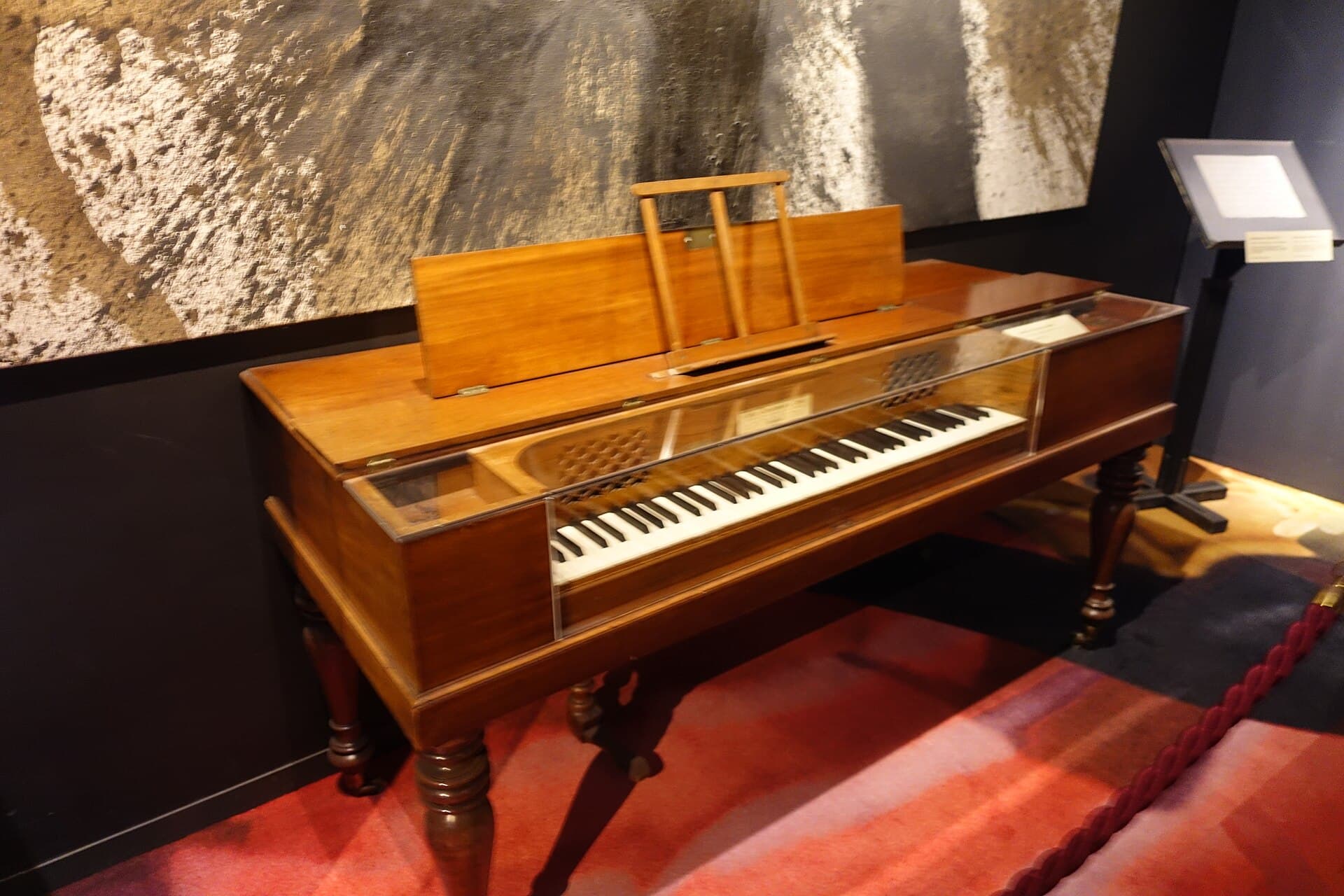 Haus der MusikA museum about sound more than about music: four floors explaining how hearing w1 minute walk4.7
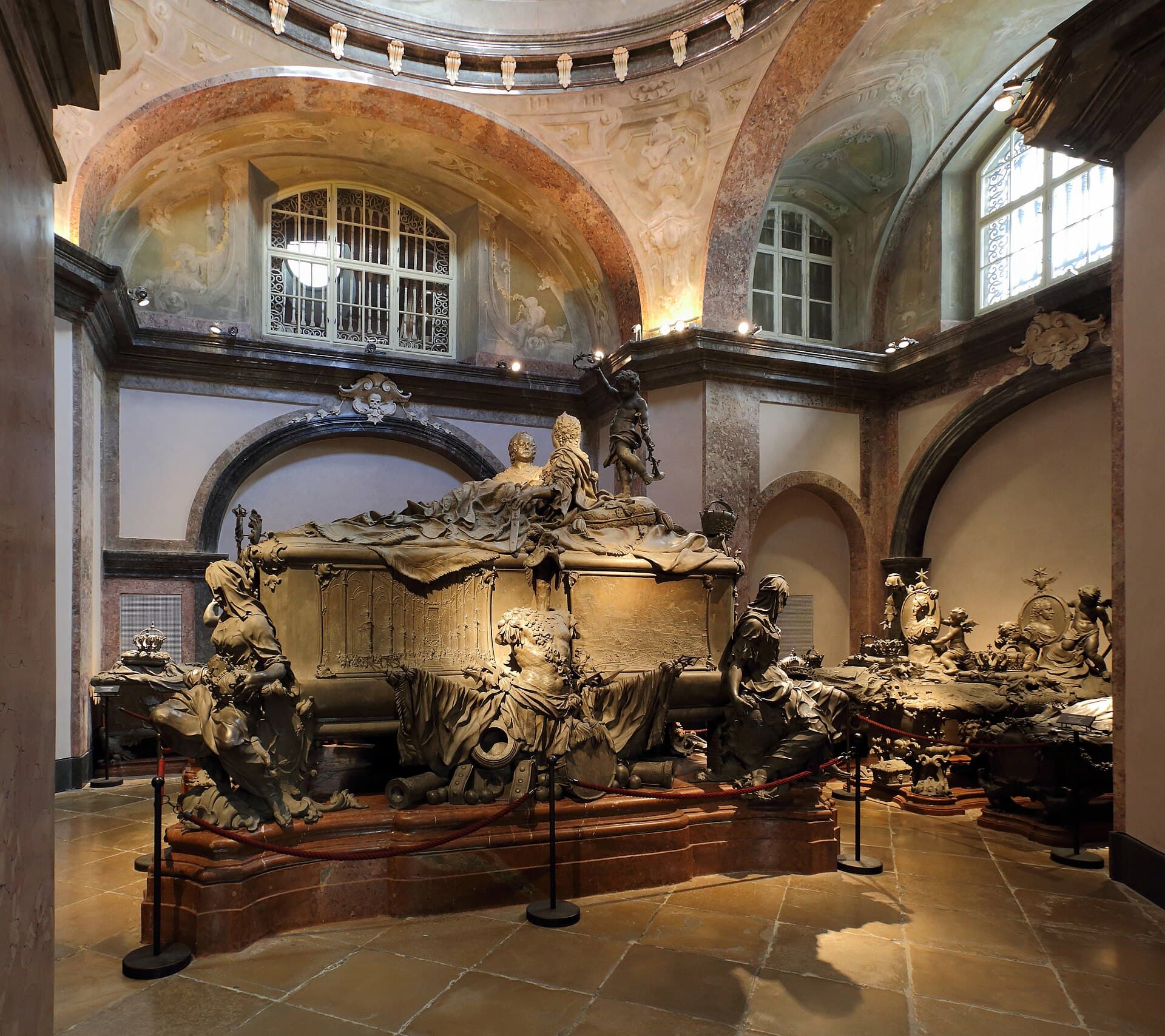 Imperial CryptBeneath the plain Capuchin church in central Vienna lie some hundred and fifty H3 minutes walk4.7
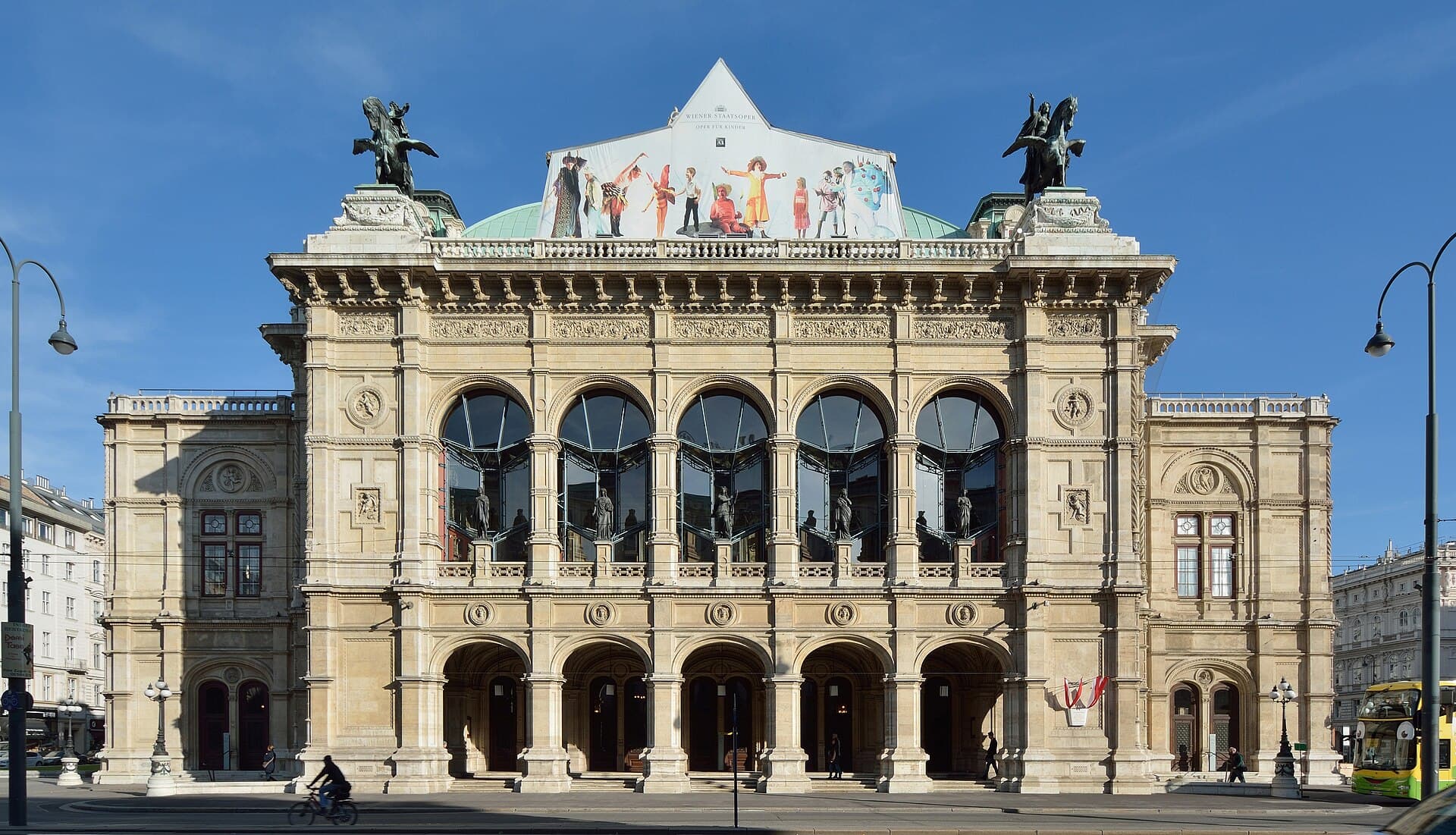 Vienna State Opera houseThe world's most famous opera house, and its most productive: some fifty differe4 minutes walk4.6
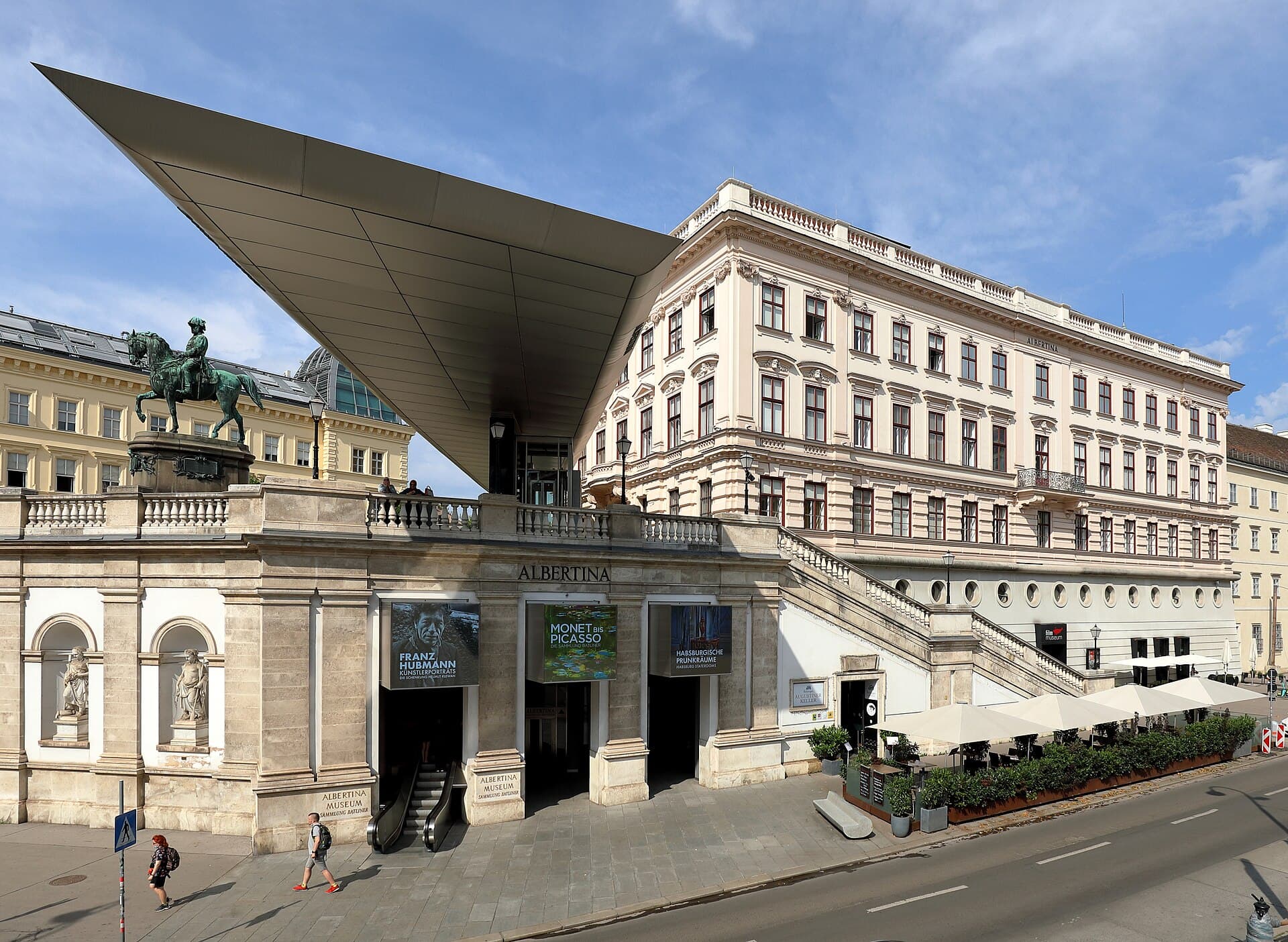 AlbertinaA Habsburg palace standing on the last surviving fragment of Vienna's old city w4 minutes walk4.6
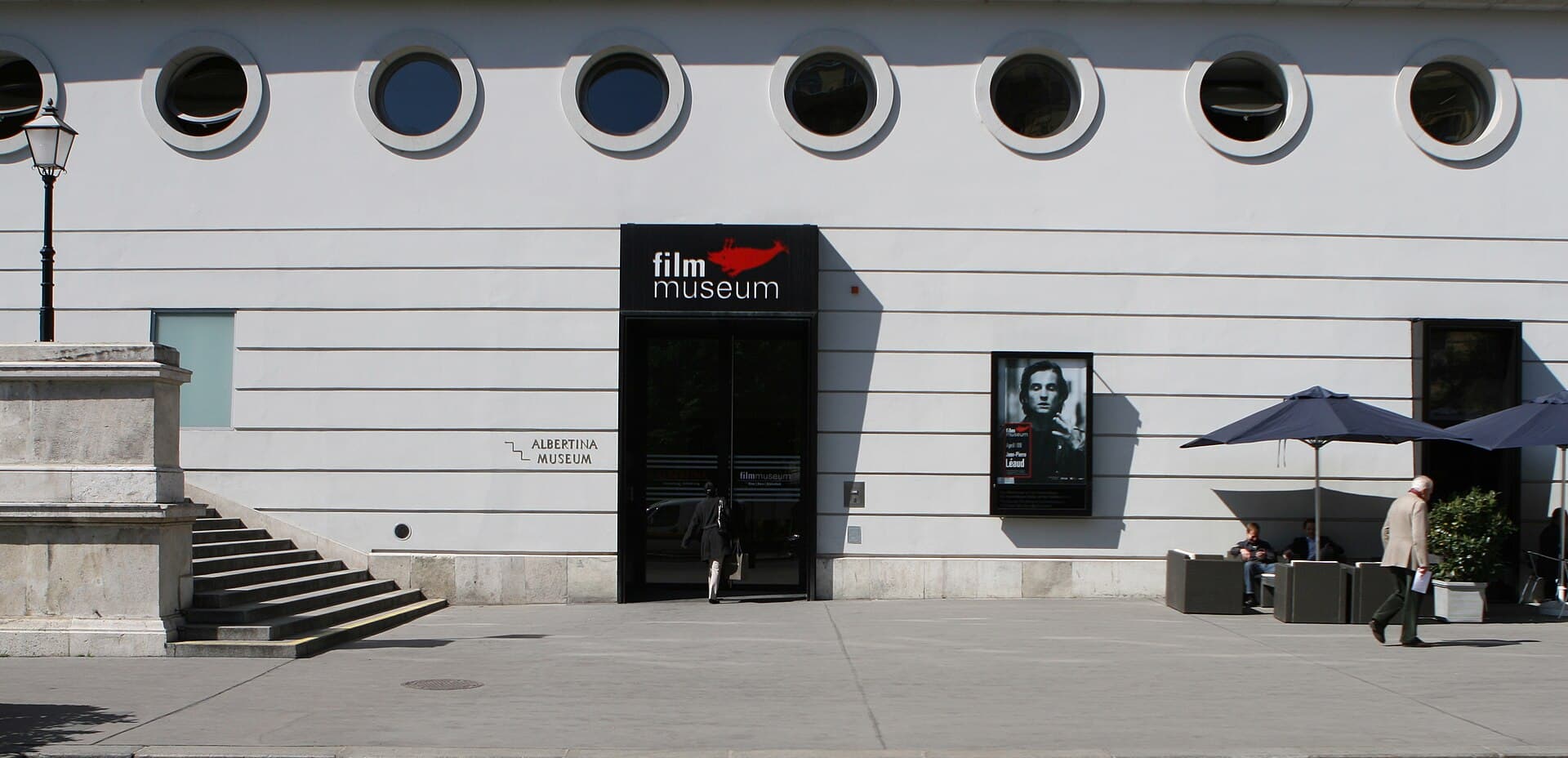 Austrian Film MuseumA film archive and cinema inside the Albertina building in central Vienna, found4 minutes walk4.7
Honestly, considerably less. The heart of the display is handwritten German text, and the English translation covers the interpretive panels rather than the documents themselves. If literature interests you generally you may enjoy the atmosphere and the personal objects, but do not expect the deeper layer.
The National Library's Baroque State Hall, minutes away and one of the most beautiful library rooms in the world, often on a combined ticket. The pairing makes sense: one institution, and a visually overwhelming room to offset a dense museum of text.