
A line a century early
Where they burn books, they will burn people — written in 1821.
[[User:Ad Meskens|Ad Meskens You are free to use this picture for any purpose as long as you credit its author, Ad Meskens. Example: © Ad Meskens / Wikimedia Commons If you use this work outside of th — CC BY-SA 4.0 · [[User:Ad Meskens|Ad Meskens You are free to use this picture for any purpose as long as you credit its author, Ad Meskens. Example: © Ad Meskens / Wikimedia Commons If you use this work outside of th — CC BY-SA 4.0 · Ajepbah — CC BY-SA 3.0 · Ajepbah — CC BY-SA 3.0
A monument to the German poet Heinrich Heine in central Hamburg, whose history matters more than its form: this is the third monument to the poet in the city, because the two before it were removed. Heine is among the most important German-language poets of the nineteenth century, and he was Jewish, a mordant political critic, and spent his last years exiled in Paris. That combination made him a target: the first monument was raised in Hamburg in 1926 and removed by the Nazi authorities in 1933. A replacement was raised after the war, then superseded by the present one. The historical irony always cited with his name is a line he wrote in a play in 1821: where they burn books, they will in the end burn people also. It was written more than a hundred years before the Nazi book burnings of 1933, in which his own books were among those burned. The monument today stands in a public square, with a plaque explaining the history of its removal and return. Practical points: free and always open. The visit is minutes on a walk through the centre.
Where they burn books, they will burn people — written in 1821.
The 1933 burnings included his own works.
The monument's own history records what happened to the poet.
Central Hamburg
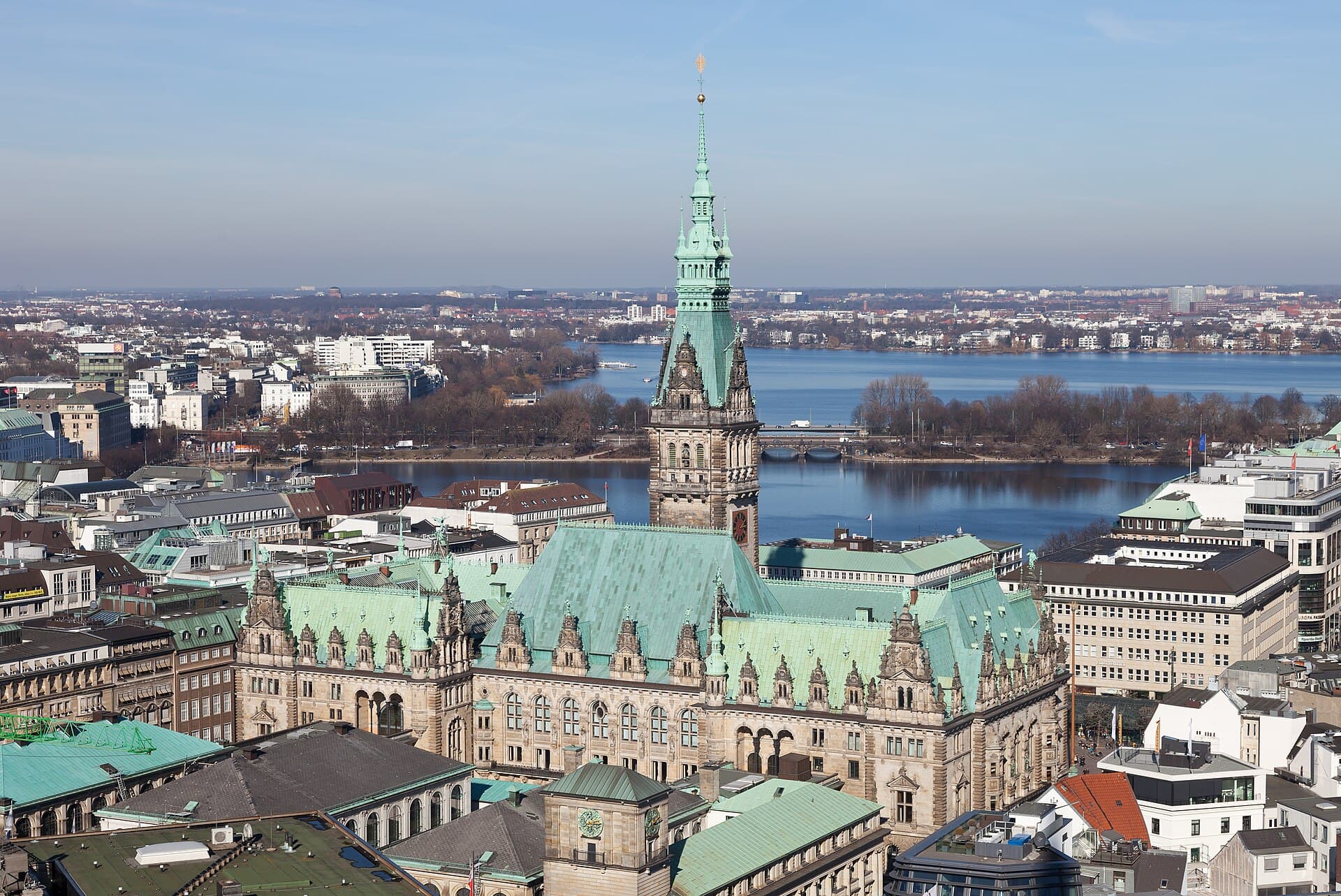 Hamburg City HallHamburg's Rathaus is among the grandest city halls in Europe, finished in 1897 w1 minute walk4.8
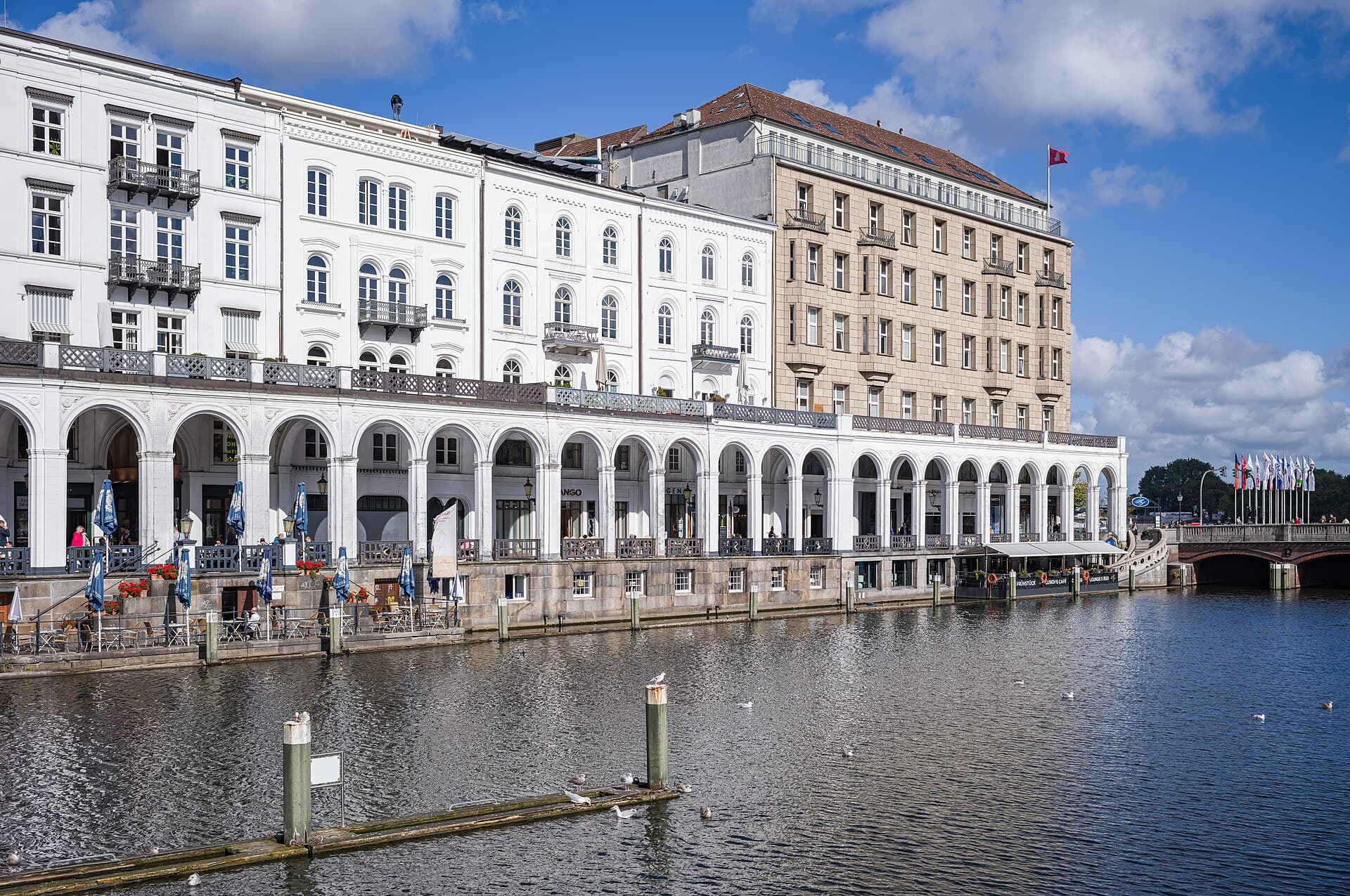 The Alster ArcadesThe Alster Arcades are a white arcaded walk running along the bank of a canal in2 minutes walk4.6
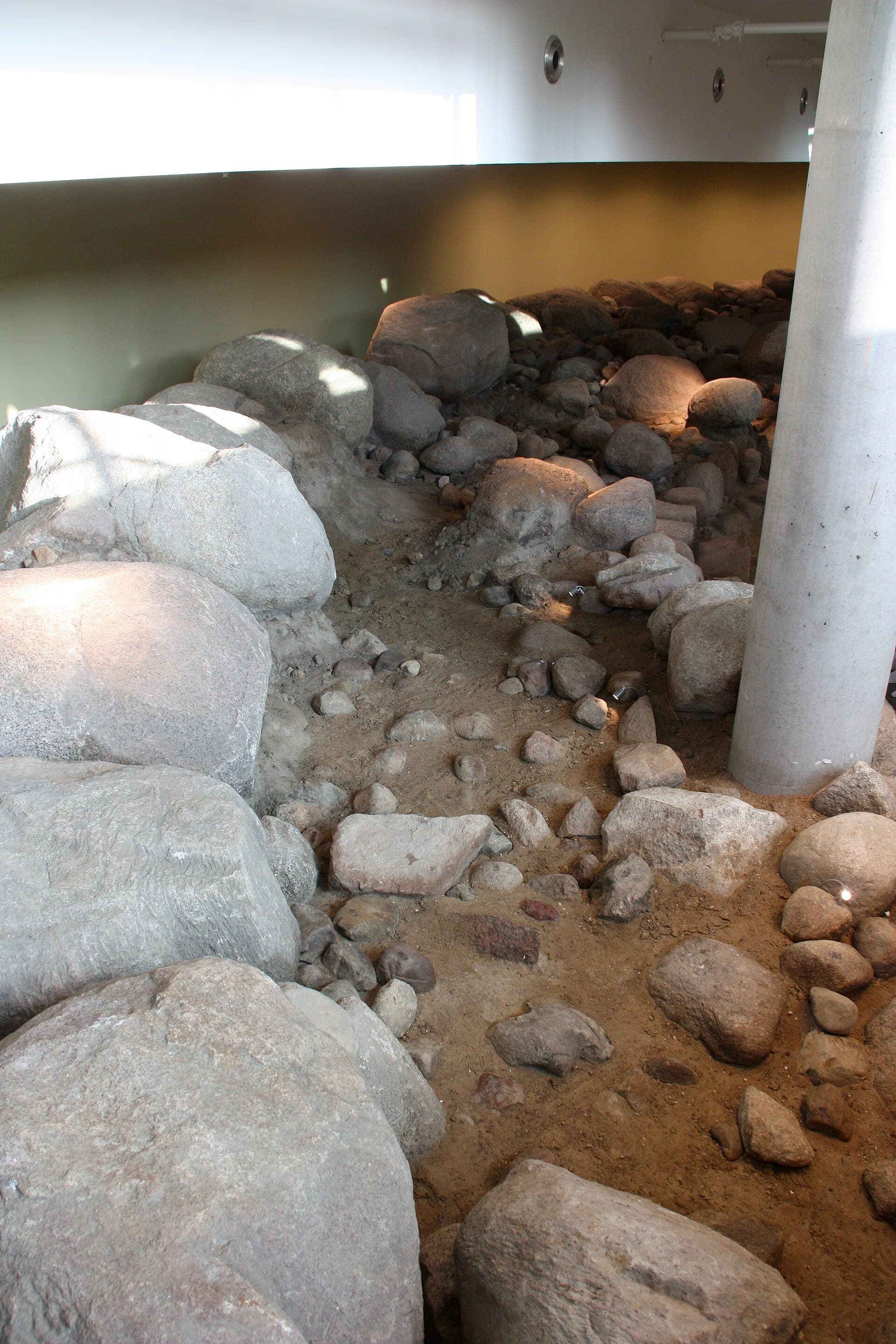 The Bishop's TowerThe foundations of an eleventh-century tower displayed beneath a modern office b4 minutes walk4.3
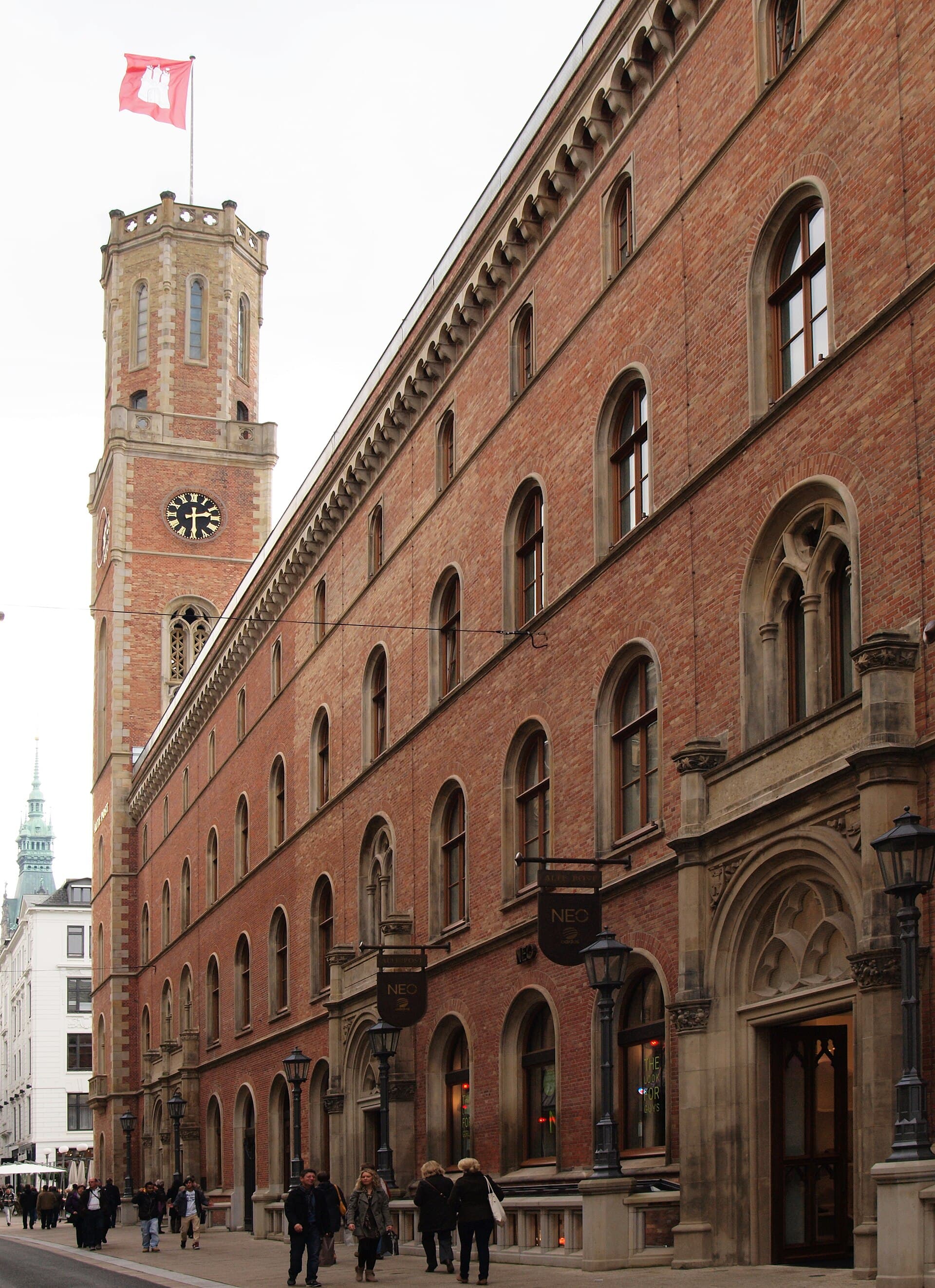 The Alte PostA building of 1847 in central Hamburg, built as the main post office, and among 4 minutes walk4.8
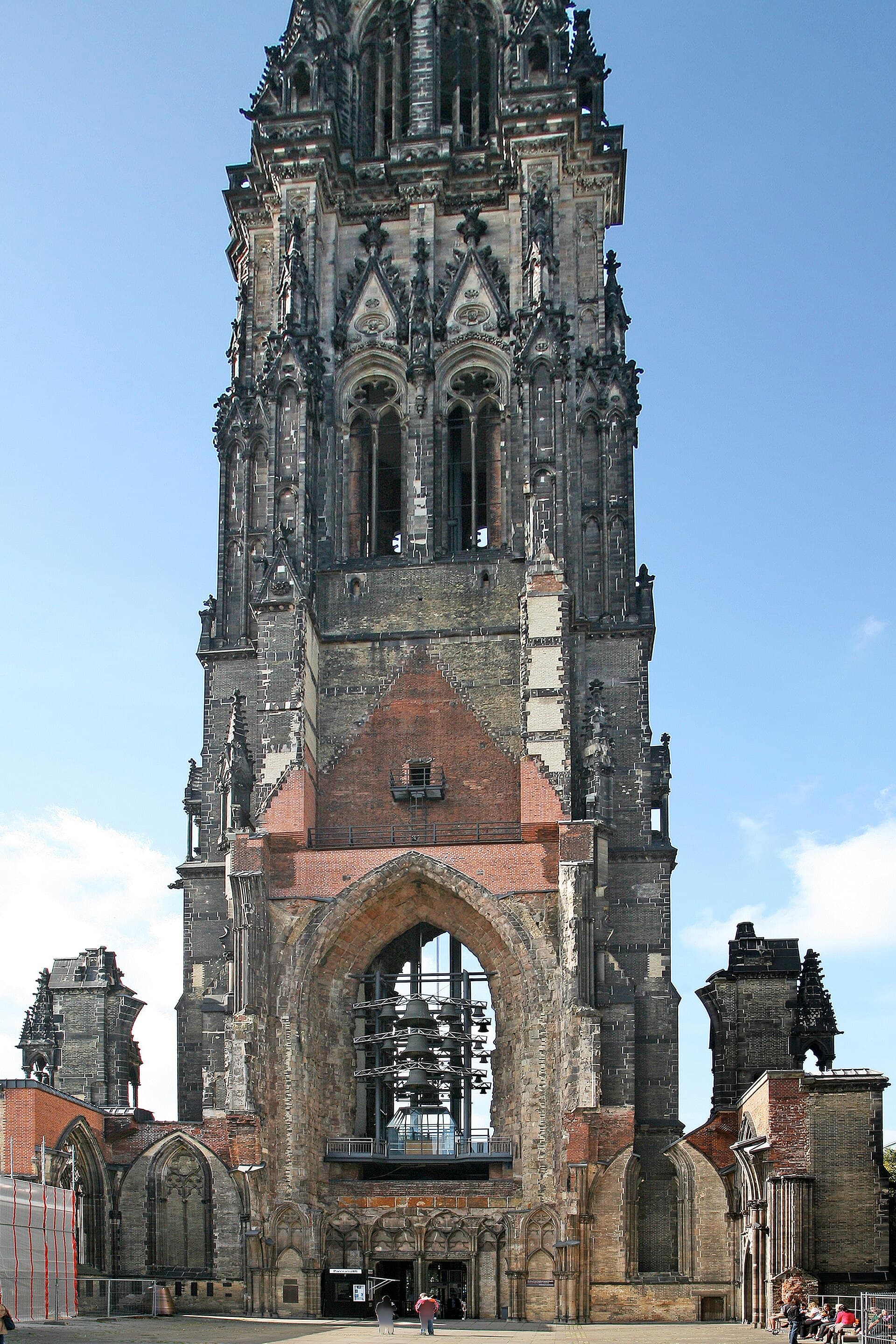 St. Nikolai MemorialSt. Nikolai was among the tallest buildings in the world when it was finished in5 minutes walk4.6
Because the Nazi regime classified Heine among proscribed writers for being Jewish and a critic of German nationalism. His monument in Hamburg was removed in 1933 and his works destroyed in the book burnings. The irony is that his poem Die Lorelei was so embedded in German consciousness that the regime could not suppress it, and it was printed in school books attributed to an unknown author.
The Elbphilharmonie, whose public plaza is free with a timed ticket; the Speicherstadt warehouse district, UNESCO-listed; and the BallinStadt emigration museum about the millions who left Europe through this port. Hamburg is a port city before anything else, and that explains most of what is in it.