The rawashin
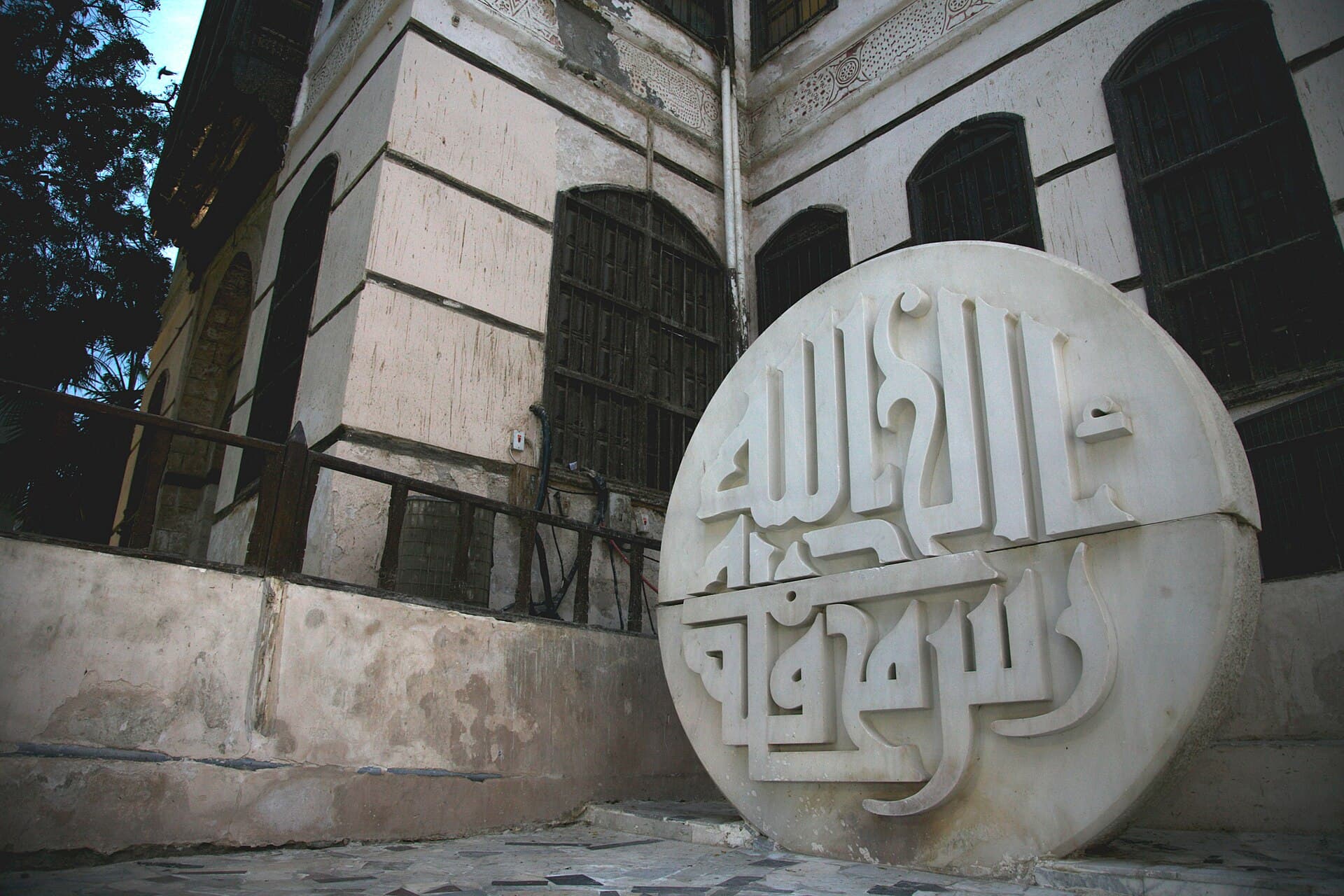
Projecting carved wooden screens that admit air and block the view inwards.
User:Jpatokal — CC BY-SA 4.0 · Diego Delso — CC BY-SA 4.0 · Diego Delso — CC BY-SA 4.0 · Diego Delso — CC BY-SA 4.0
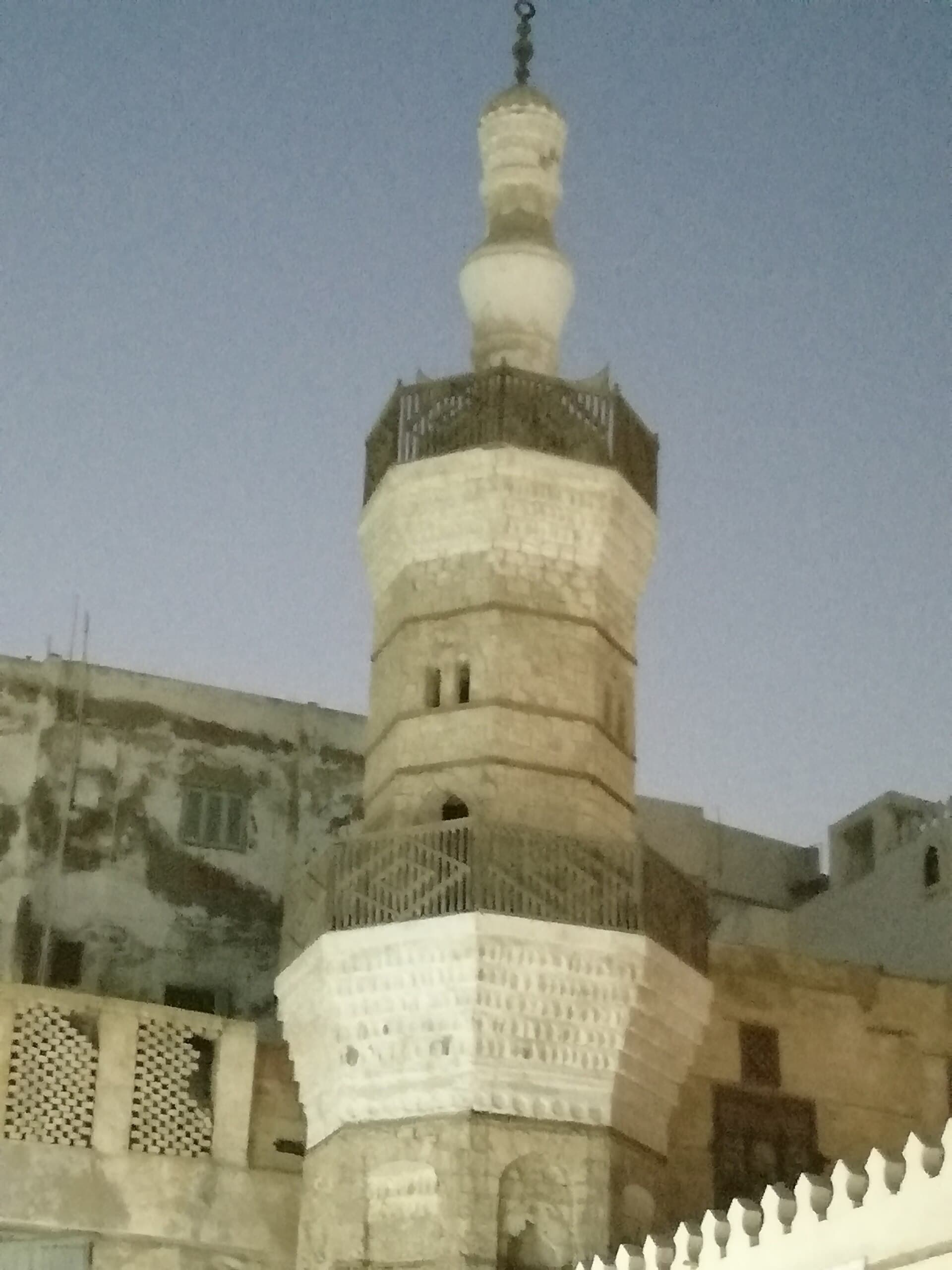
The historic quarter that was the entire walled city of Jeddah, on the UNESCO World Heritage list since 2014. Jeddah has been the gateway to Mecca since the caliphate of Uthman: every pilgrim arriving by sea passed through here, and that is what built the city and enriched its merchants. The houses you see were raised by those merchants over centuries. The architecture is nothing like that of Najd, and the reason is humidity and the sea: building stone was quarried coral from Lake Arbaeen and the reefs, and the timber was imported from India and Java because the Hijaz has no trees. The defining feature is the rawshan — large projecting wooden screens across the façades, carved and painted, which let air through and let those inside watch the street without being seen. The houses rise five and six storeys, unusually tall for Arabia. The best known is Naseef House — where King Abdulaziz stayed when he entered Jeddah, and whose neem tree was for decades the only tree in the city — along with the Matbouli, Jamjoom and Ba'eshen houses. The quarter has been under extensive restoration for years, so some houses stand behind scaffolding and some lanes are closed, and this changes continually. Walking is free, and there are working old markets — Souq Al-Alawi and Bab Makkah — along with recently opened cafés and galleries. It is liveliest after sunset when the rawashin are lit, and in Ramadan and the Jeddah season it fills until dawn.
Projecting carved wooden screens that admit air and block the view inwards.
Where King Abdulaziz stayed, its neem tree for decades the only one in Jeddah.
Working markets inside the quarter, not displays for visitors.
Al-Balad, central Jeddah
After sunset, without hesitation. Jeddah is humid and hot for most of the year and walking the lanes by day is genuinely draining. After dark the rawashin are lit, shops and cafés open, and the quarter becomes another place. The winter months are far better than summer.
It limits it rather than spoils it. The project is large and runs over years, which means some of the best-known houses may be behind scaffolding when you go. The lanes, markets and atmosphere remain regardless, and the quarter does not close. Ask on arrival which houses are open that week.