
A century-old question
Relocation plans were raised under every regime and never carried out.
Thomas Ledl — CC BY 4.0 · original photos: Sevela.p, Mark Ahsmann, Frettie, Dezidor, Sevela.p derivative work: Millenium187 (talk) — CC BY-SA 3.0 · GALAXY 2018 A7 — CC0 · Phil Richards from London, UK — CC BY-SA 2.0
Brno's main railway station, a late nineteenth-century building in historicist style, and among the most argued-over buildings in the city. The argument is not about its appearance but its position. For more than a hundred years the city has debated moving the station to another site further south, because its present location cuts the centre off from the southern districts and limits how the network can grow. Relocation plans were put forward under Austria-Hungary, then in the First Republic, then under communism, then after 1989 — and none was carried out for decades. A local referendum in 2004 saw residents vote against the move, then the plans returned and the project was later approved. The station question in Brno has become a standing example of an urban decision a city postpones for over a century. The building itself rewards looking at: a hall roofed in iron columns and glass, with a facade of imperial-era ornament. Practical points: a public building, open and free to enter. The surrounding area is shabbier than the city centre — mind your belongings as at any major station.
Relocation plans were raised under every regime and never carried out.
Residents voted against the move, and the plans returned anyway.
The station roof is imperial-era and rewards looking at.
South of central Brno
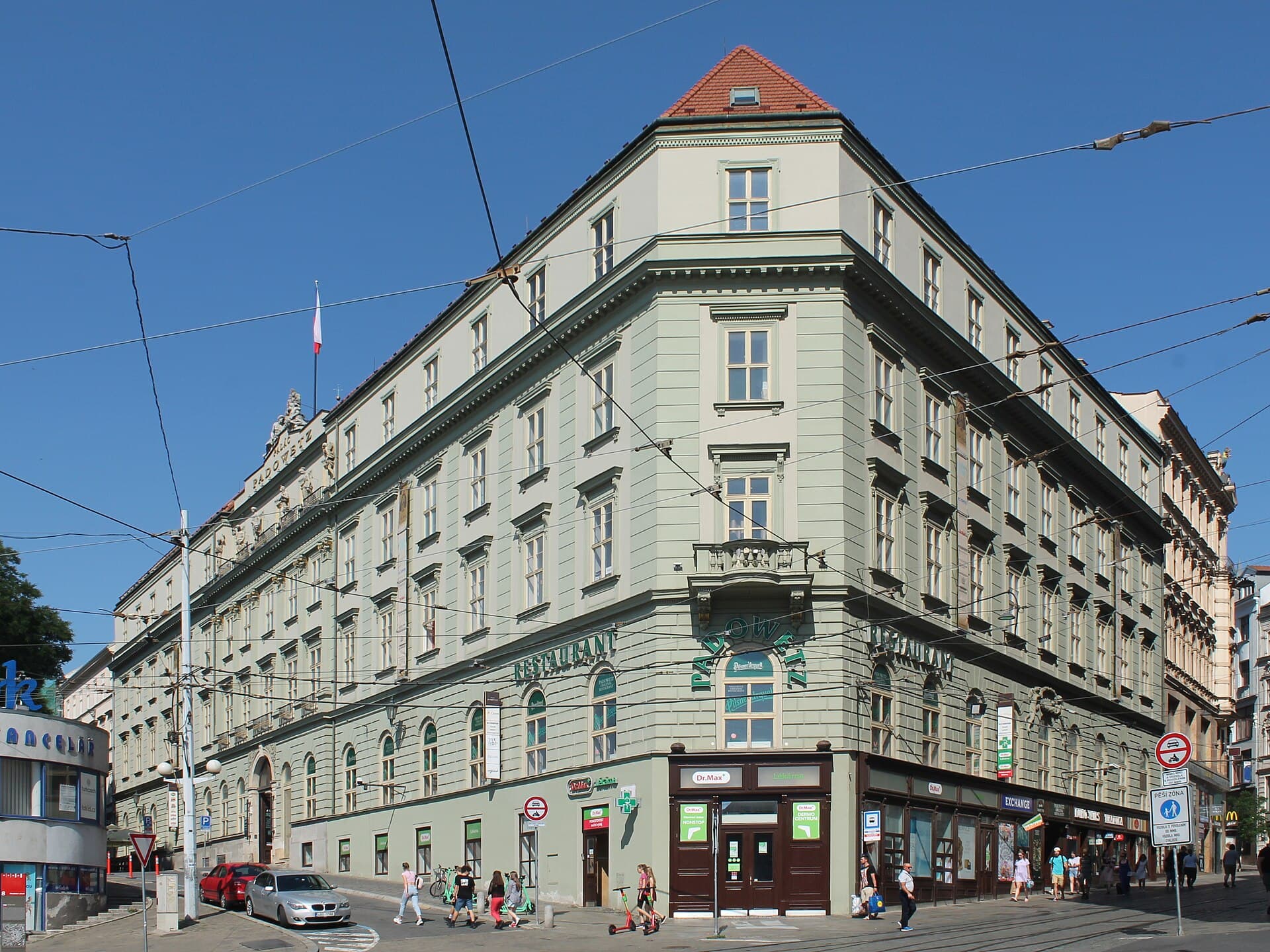 Padowetz PalaceA mid-nineteenth-century building in central Brno that was the city's first mode2 minutes walk4.1
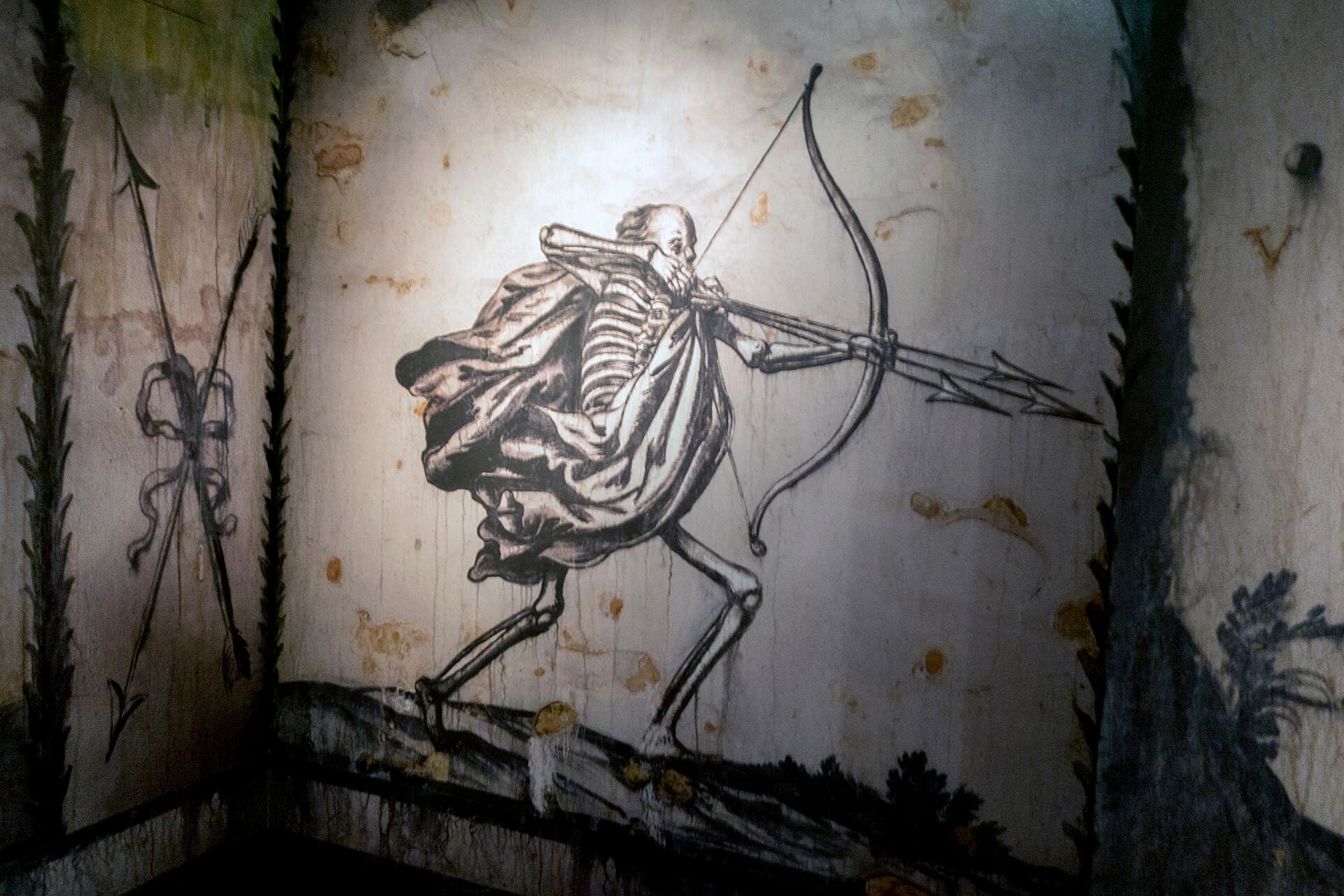 The Capuchin Crypt'As you are, we were — as we are, you will be': the crypt's famous greeting at i3 minutes walk4.7
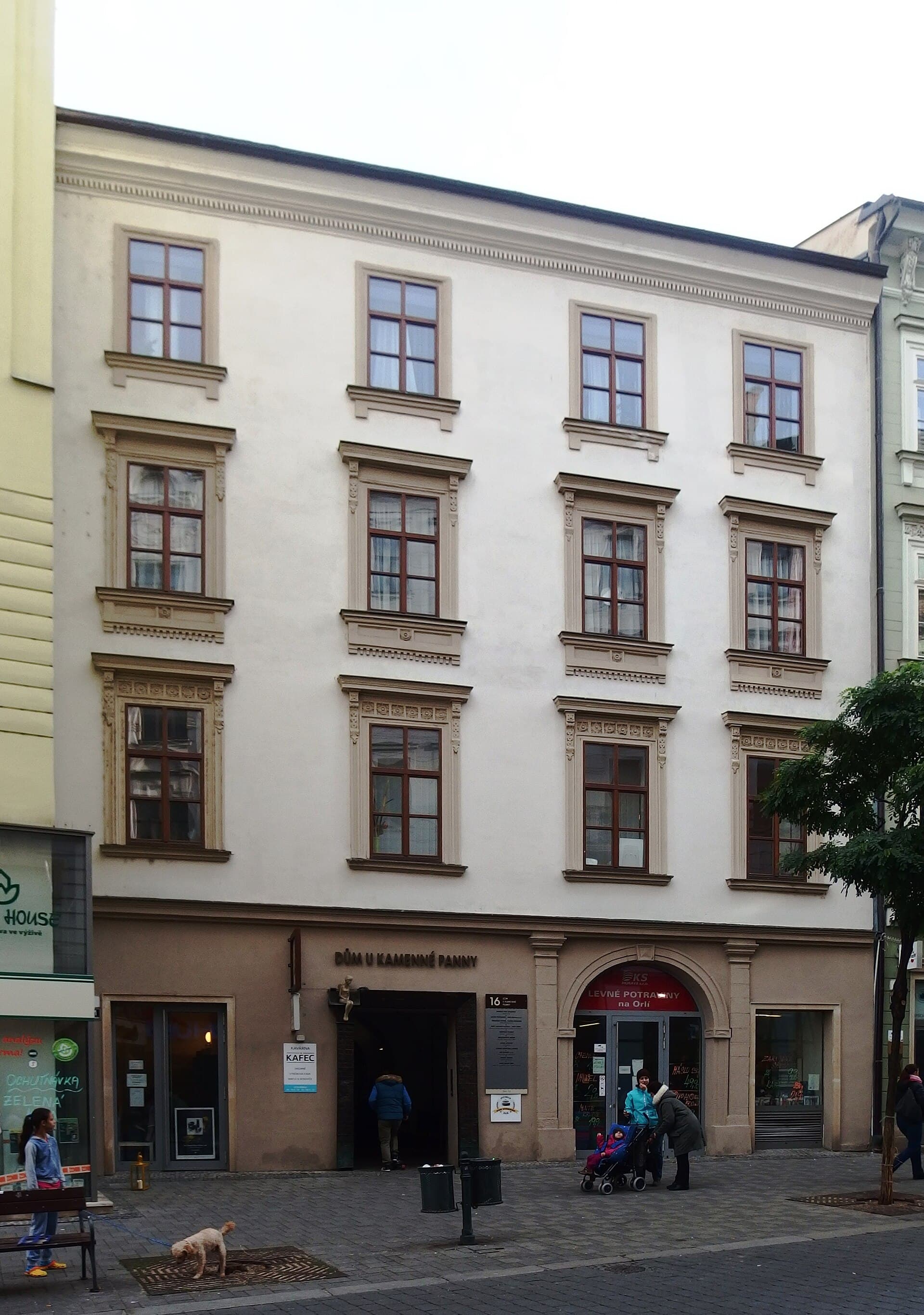 House of the Stone MaidenA historic house in central Brno that takes its name from a stone figure of a wo4 minutes walk4.5
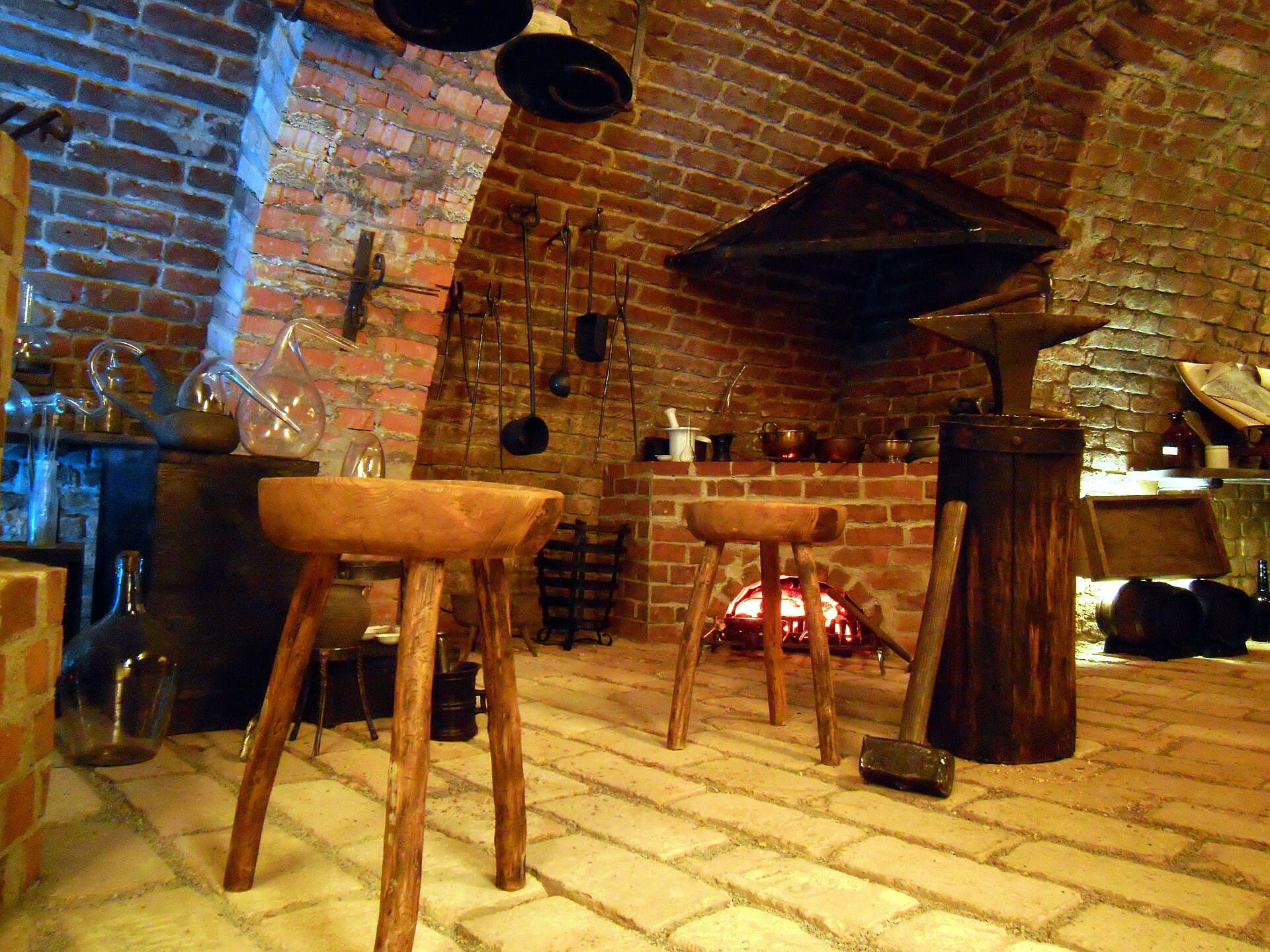 The Labyrinth under the Vegetable MarketA city beneath the city: the Vegetable Market, trading since the thirteenth cent4 minutes walk4.3
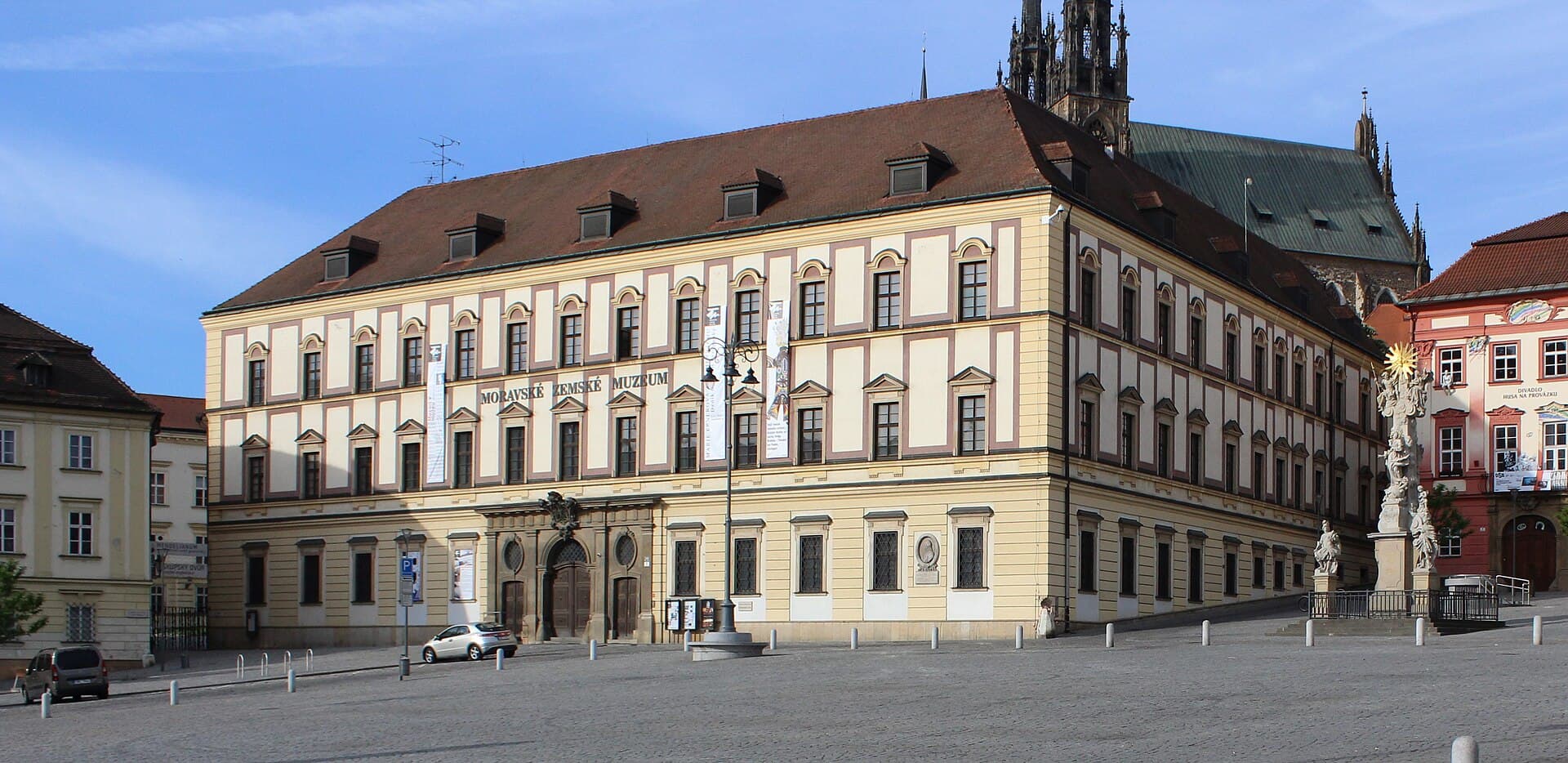 The Moravian MuseumCzechia's second museum in age and size (1817): the Moravian Museum in the Dietr4 minutes walk4.6
Because its position determines the shape of the city. The present station and its tracks separate the centre from the south with a barrier of rails, and any expansion of the network is constrained by it. Moving it opens vast areas for development but takes the station further from the centre and costs billions. This is the kind of decision with no clear answer, which is why it gets postponed — and Brno has postponed it longer than almost any European city.
Villa Tugendhat, among the most important works of modernist architecture in the world, UNESCO-listed and requiring advance booking; the Špilberk fortress; the cathedral of St Peter and Paul; and the Capuchin crypt with its mummies. Brno is far less crowded than Prague and cheaper, and it is a lively university city.