
Brno's first modern hotel
Built for the merchants of a rising industrial city with too few decent inns.
Harold — CC BY-SA 4.0 · Paul Korecky — CC BY-SA 2.0 · Paul Korecky — CC BY-SA 2.0 · Paul Korecky — CC BY-SA 2.0
A mid-nineteenth-century building in central Brno that was the city's first modern hotel in the sense we would recognise today. It was built when Brno was a rising industrial city receiving merchants and travellers with too few decent inns to house them. The palace filled that gap and was among the grandest things in the city in its day. The front is classical, with columns, a projecting cornice and carved detail, one of the surviving examples of Brno's architecture from that period, when the city was rebuilding itself after its walls came down. The building today is in commercial and residential use and is not visited inside. What you do here is look at the façade from the street, and that takes a few minutes. It stands in the centre on the natural walking route between the station and the main square, so it costs you no detour and does not merit one.
Built for the merchants of a rising industrial city with too few decent inns.
Columns, a projecting cornice and carved detail from the city's rebuilding era.
A witness to the city reshaping itself once its fortifications came down.
Bašty street, central Brno
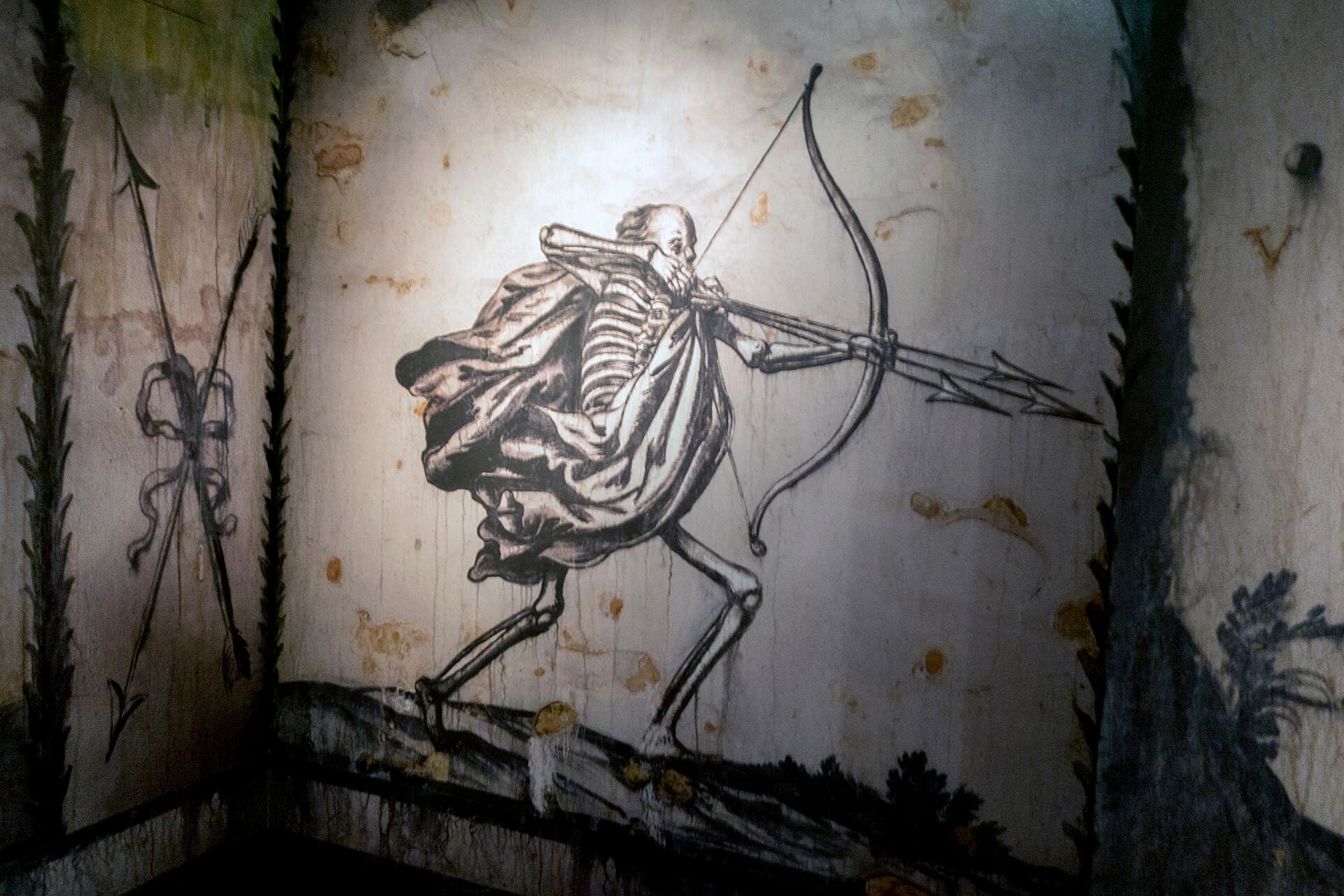 The Capuchin Crypt'As you are, we were — as we are, you will be': the crypt's famous greeting at i1 minute walk4.7
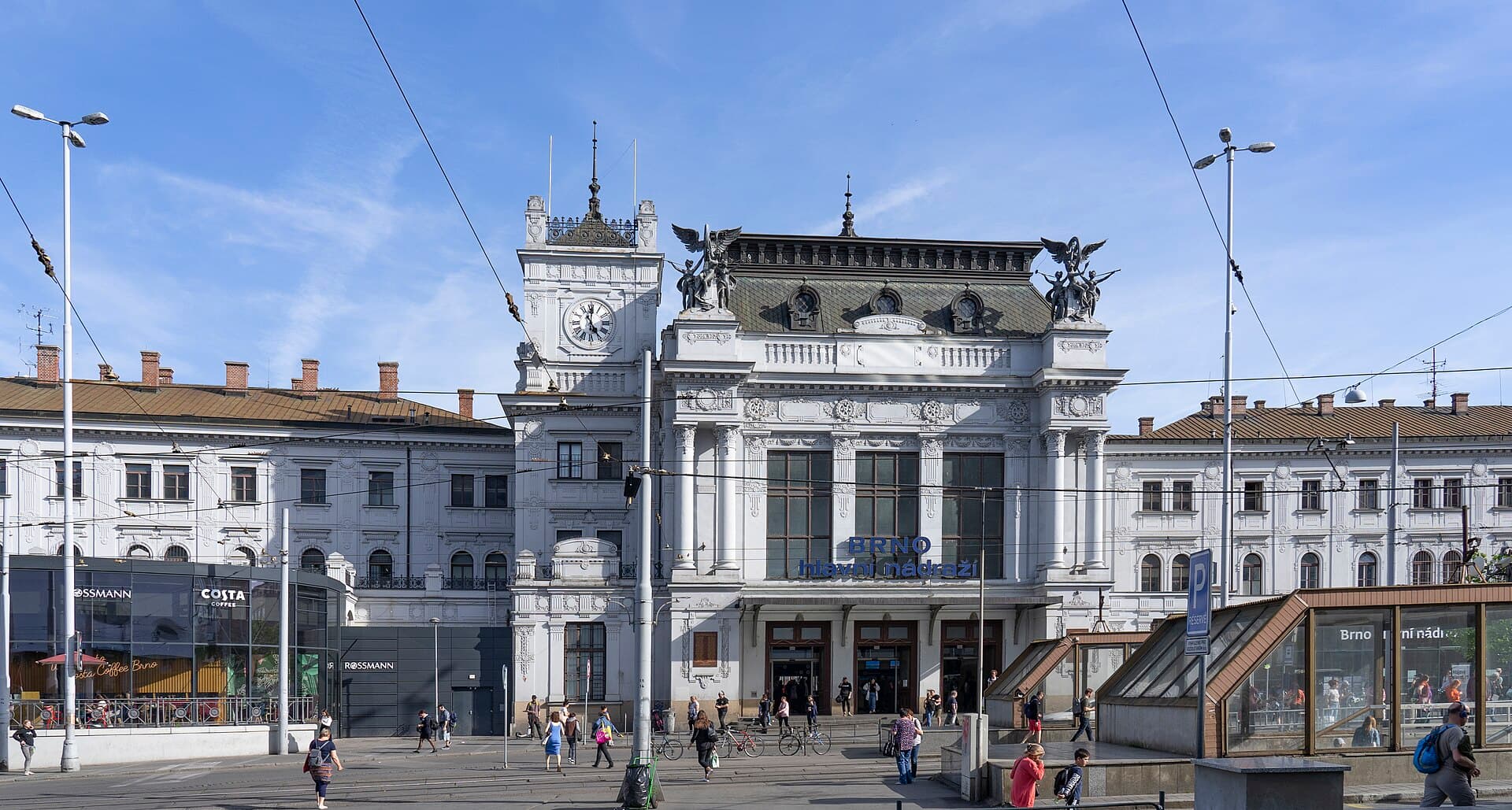 Brno Main Railway StationBrno's main railway station, a late nineteenth-century building in historicist s2 minutes walk3.6
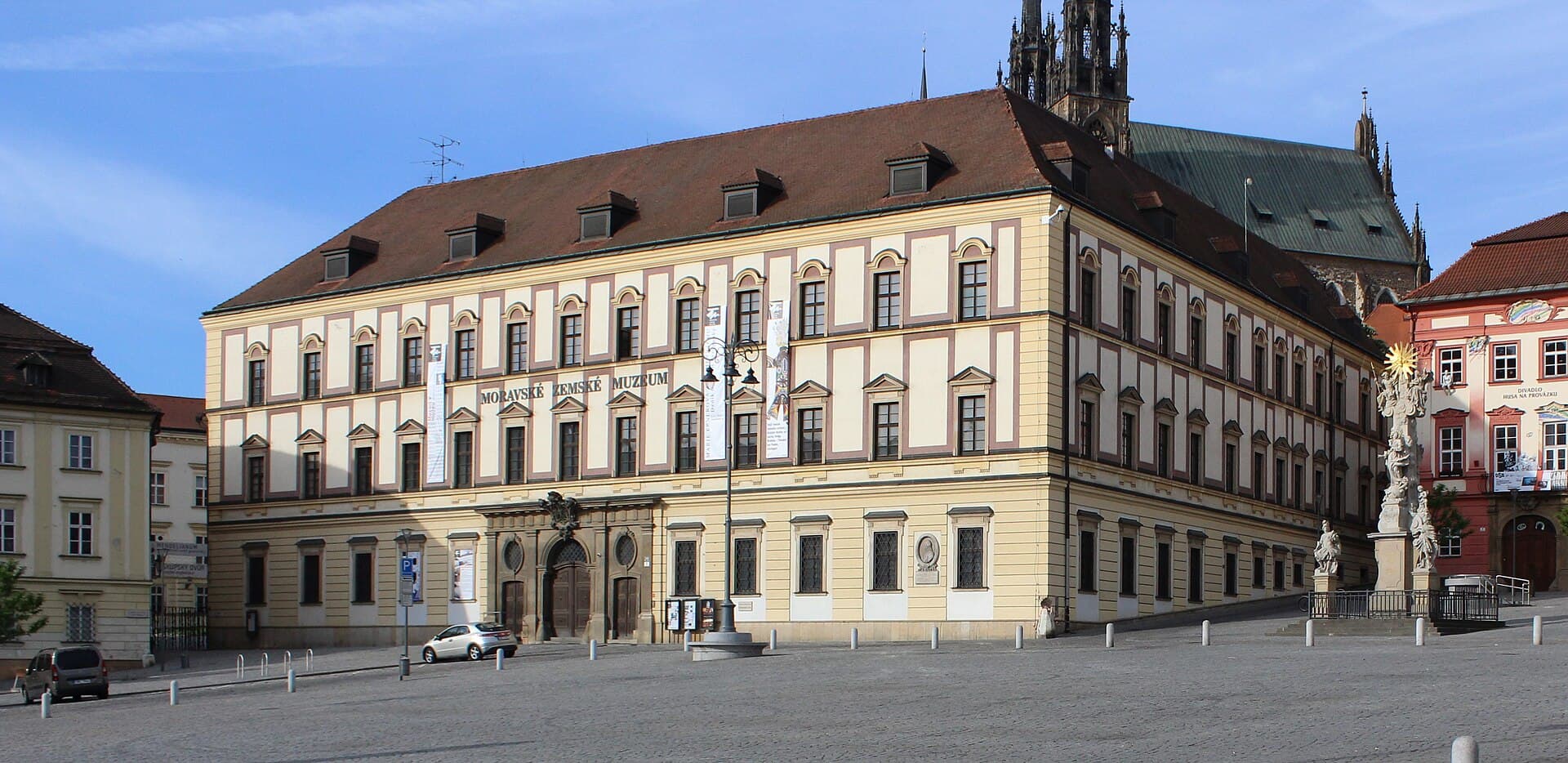 The Moravian MuseumCzechia's second museum in age and size (1817): the Moravian Museum in the Dietr2 minutes walk4.6
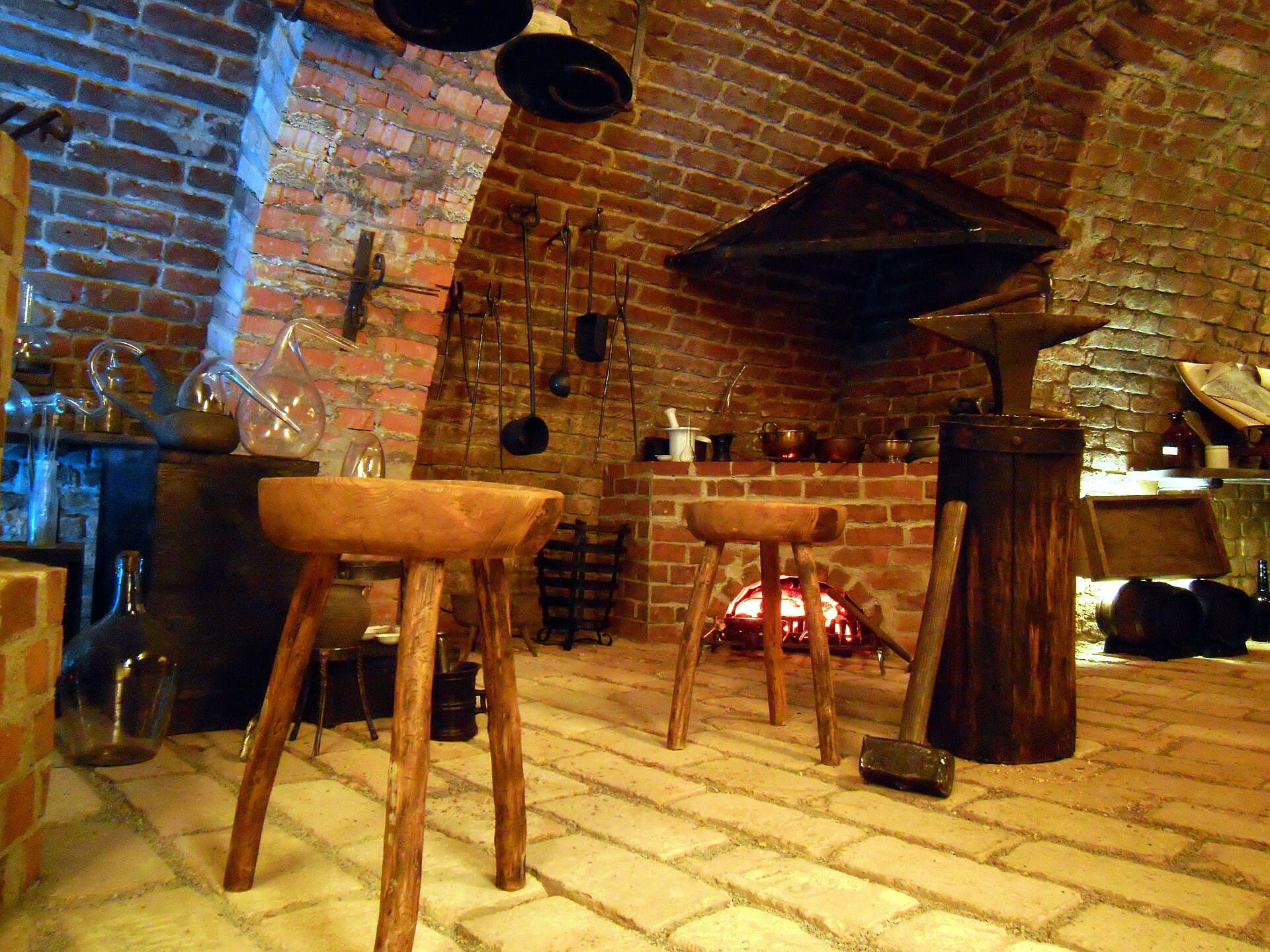 The Labyrinth under the Vegetable MarketA city beneath the city: the Vegetable Market, trading since the thirteenth cent2 minutes walk4.3
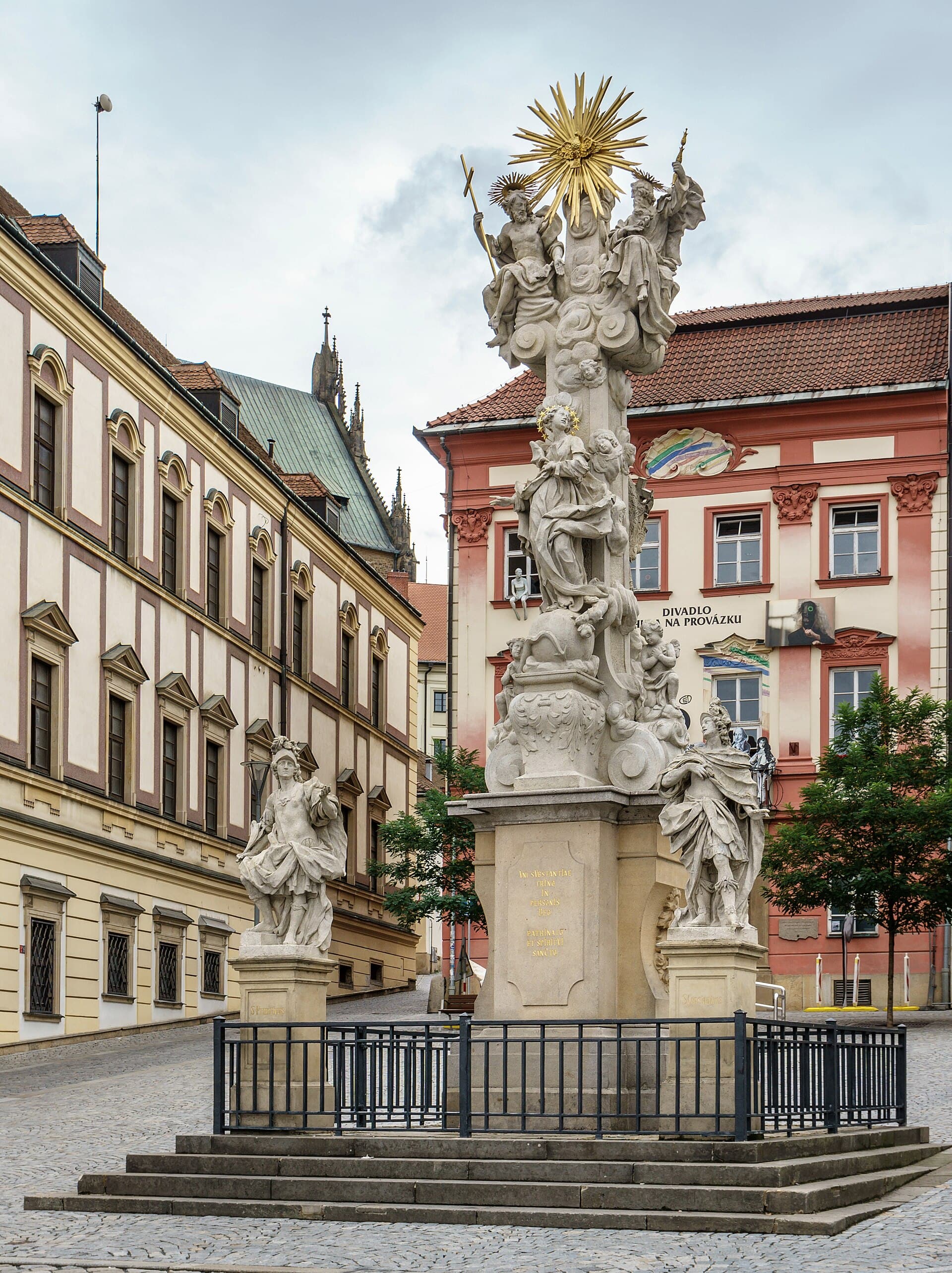 Holy Trinity Column, BrnoA baroque column on the vegetable market in old central Brno, raised in the earl3 minutes walk4.6
Two minutes as you pass, no more. It is not a destination but a detail that explains something about nineteenth-century Brno. If the city's architecture interests you, combine it with the functionalist Alfa Palace and the iron-fronted Klein Palace — the three tell three eras.
The UNESCO-listed Villa Tugendhat, which needs early booking; the Špilberk fortress; the cathedral of Peter and Paul; and the Capuchin crypt beneath its church. The main square with its black astronomical clock is the natural starting point.