
How the court worked
Thousands of pieces numbered and catalogued, moved between palaces on demand.
CC BY-SA 4.0 · CC BY-SA 4.0 · Gryffindor — CC BY-SA 3.0 · Jebulon — CC0
A museum in the depot that once held the furniture of the Habsburg court, an institution in place since the eighteenth century whose task was storing, moving and maintaining the furnishings of the imperial palaces. The idea reveals something about how the court worked: the imperial family moved between several palaces, and the furniture moved with them. Not every palace stood permanently furnished; it was fitted out as needed from this depot. Thousands of pieces were numbered, catalogued and transported on demand. The collection today is vast: thrones, beds, cabinets, chairs and desks, along with personal items such as a wheelchair used by the Empress Maria Theresa and coffins from the court. Other sections show Austrian furniture design of the nineteenth and twentieth centuries, including Biedermeier pieces. This is a large and relatively unknown museum, far quieter than Schönbrunn and the Hofburg although its content complements both. Anyone who has seen the palaces and wants to understand how they were run will find here the side those do not explain.
Thousands of pieces numbered and catalogued, moved between palaces on demand.
Maria Theresa's wheelchair and court coffins alongside thrones and beds.
Sections on Austrian furniture of the nineteenth and twentieth centuries.
Andreasgasse, 7th district, Vienna
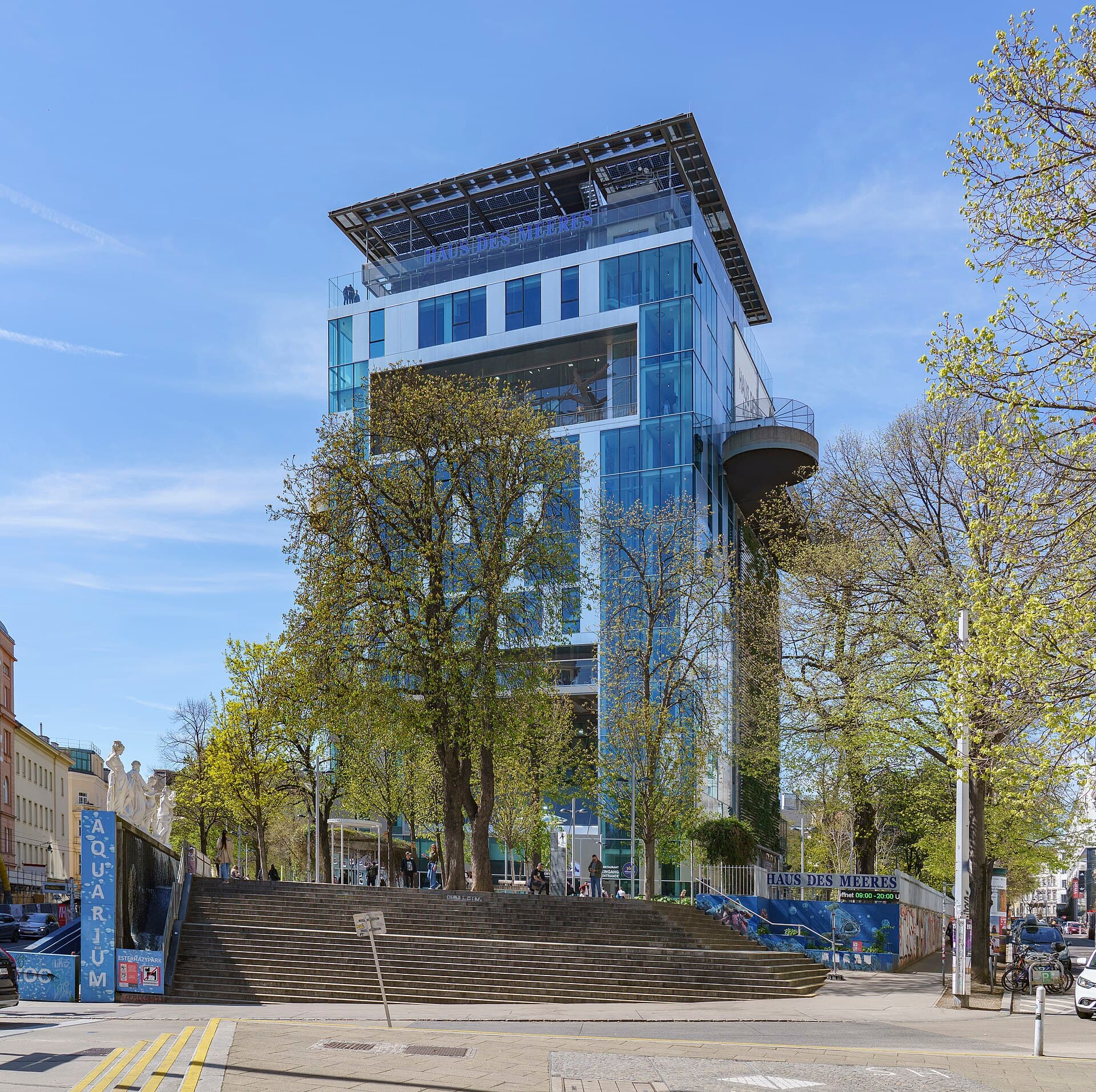 Haus des MeeresEurope's strangest setting for an aquarium: a colossal concrete tower built by t6 minutes walk4.7
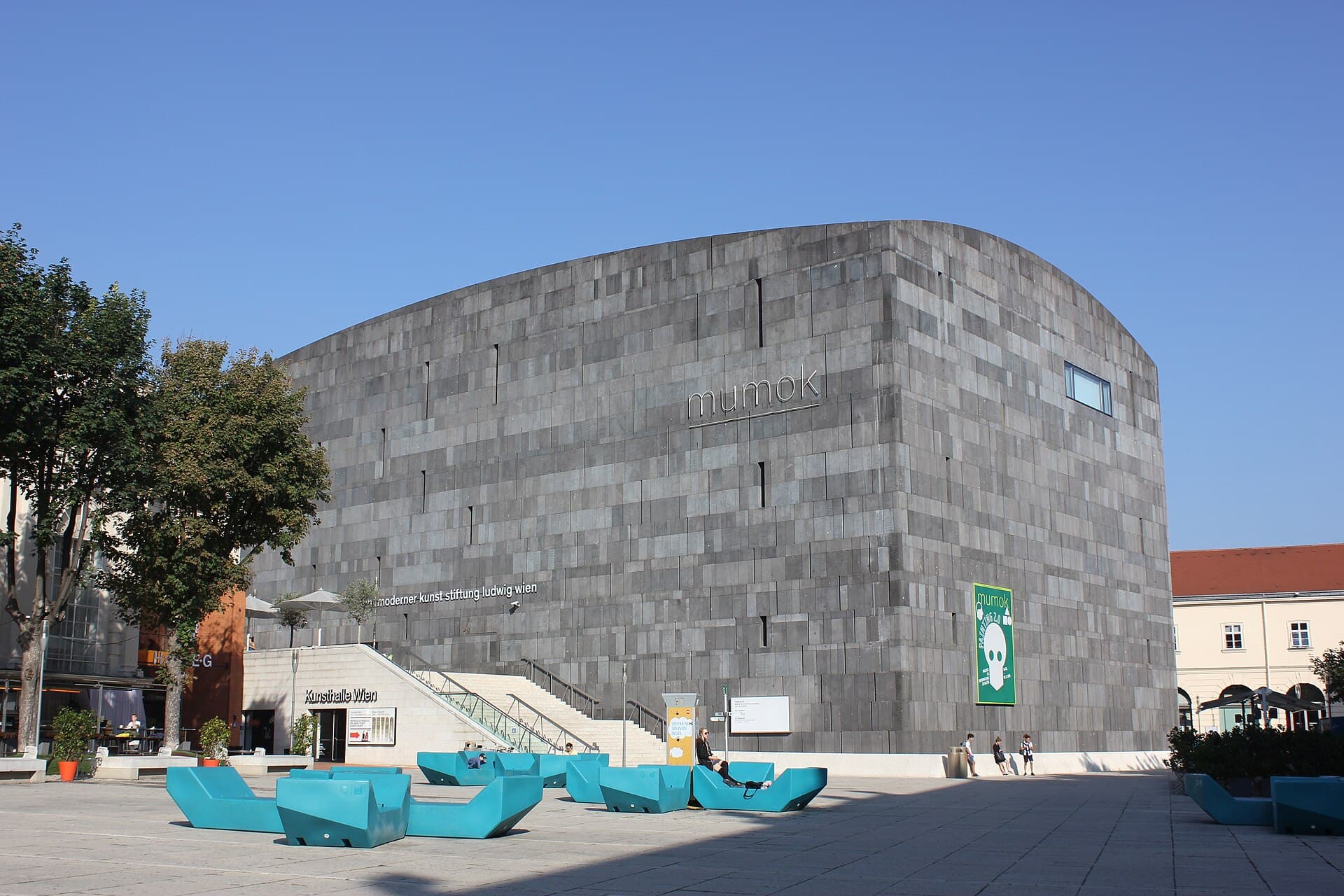 MumokThe dark stone block in the middle of the MuseumsQuartier: the Museum of Modern 12 minutes walk3.9
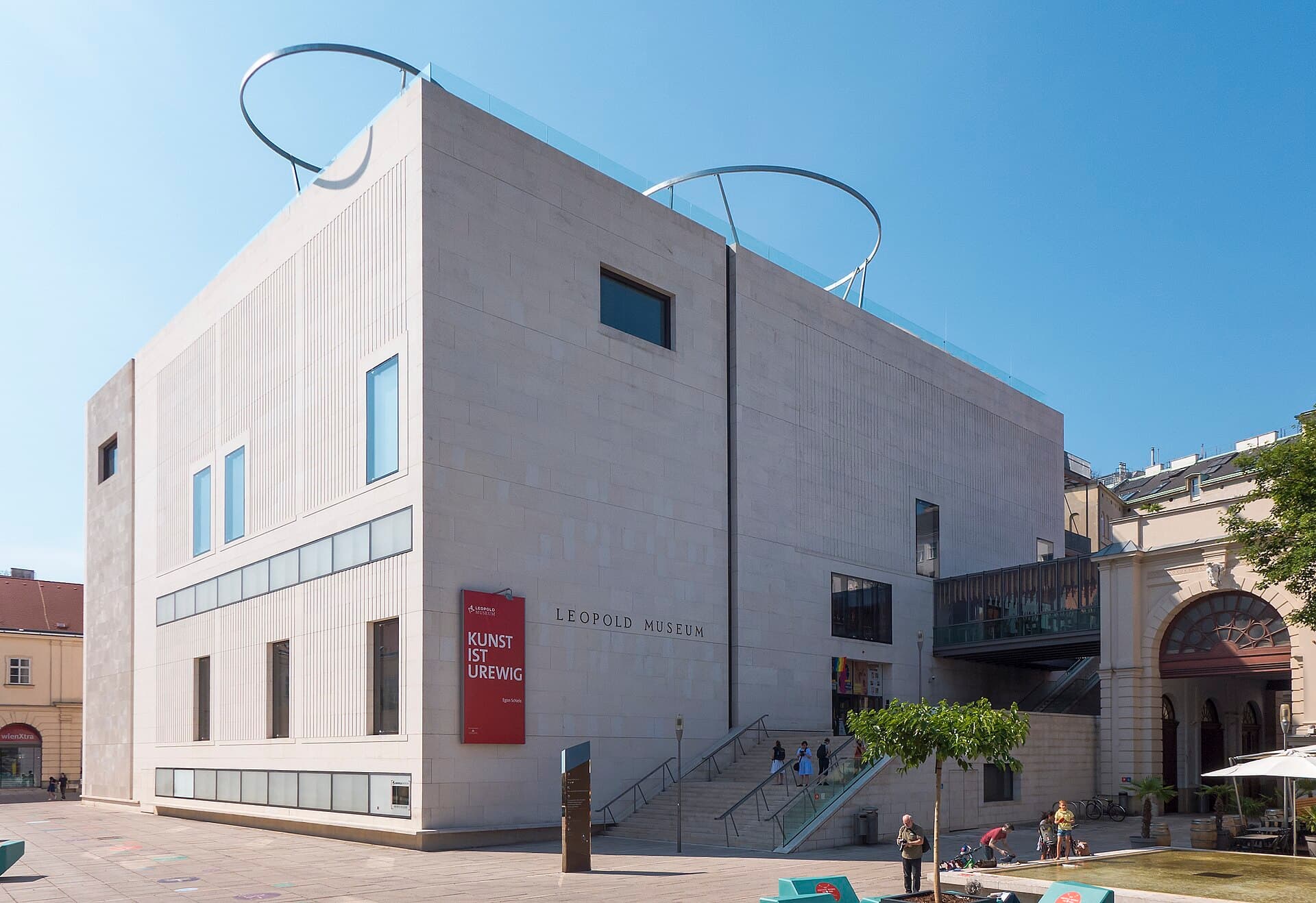 Leopold MuseumA collection built over half a century by a Viennese eye doctor, Rudolf Leopold,13 minutes walk4.8
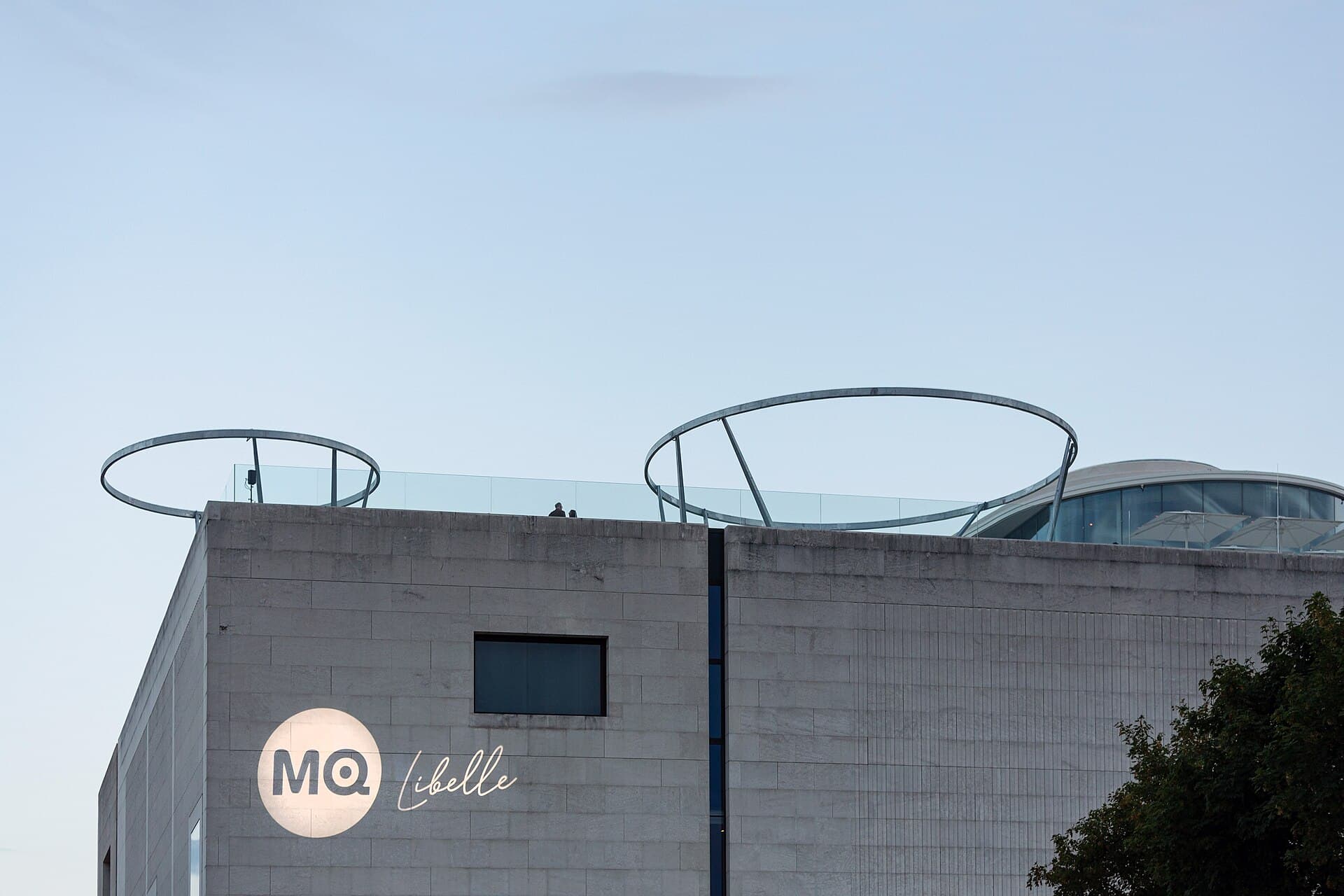 MQ LibelleA viewing platform on the roof of the Leopold Museum in Vienna's MuseumsQuartier13 minutes walk4.5
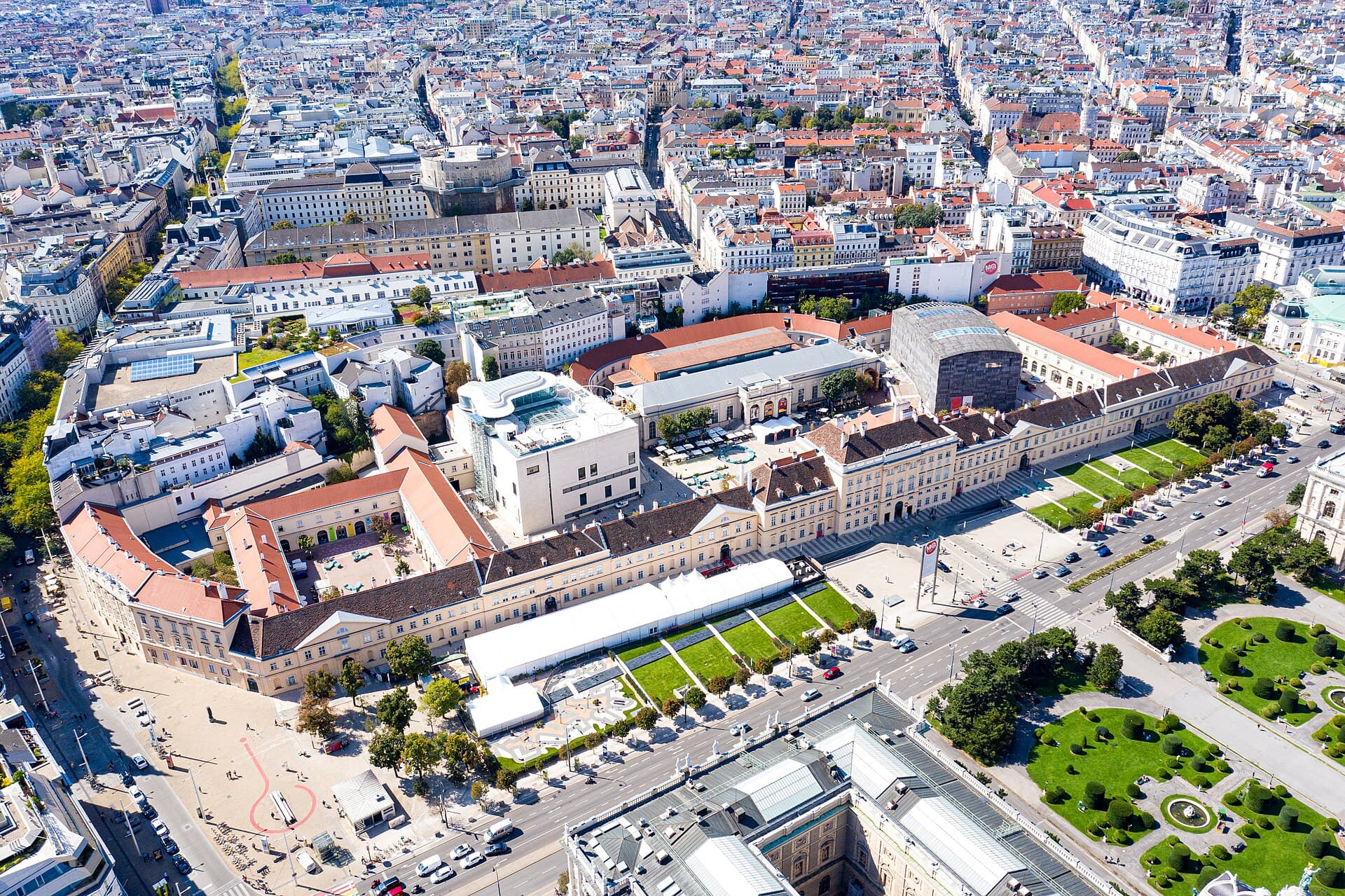 MuseumsQuartierThese were baroque imperial stables with room for thousands of horses, converted13 minutes walk4.5
After. The palaces give you the furnished rooms as presented to visitors, and this museum explains where that furniture came from and how it was managed. The reverse order works but is less logical.
Usually yes, in tickets grouping Schönbrunn, the Hofburg imperial apartments and this museum. If you plan more than one, ask about it when buying the first, as it is clearly better value.