
The Schiele floor
The work of a man dead at twenty-eight — harsh and honest enough to be the hardest, strongest thing you see in Vienna.
Gugerell — CC0 · Hubertl — CC BY-SA 4.0 · MuseumsQuartier Wien, Foto: Thomas Meyer Photography — CC BY-SA 4.0 · Prof. Mortel — CC BY 2.0
A collection built over half a century by a Viennese eye doctor, Rudolf Leopold, at a time when modern Austrian art was cheap and neglected — he bought what he could until his holdings outweighed any official museum in the field. The state bought it in 1994 and raised this white stone building for it. The heart of it is Egon Schiele: the largest collection of his work anywhere. Twisted bodies and hard faces painted by a young man who died at twenty-eight in the 1918 epidemic, weeks after his mentor Klimt died in the same one. The whole floor tells the story of a generation cut off mid-sentence. Alongside Schiele hang Klimt and Kokoschka, Viennese modernist furniture and Wiener Werkstätte design. The building is bright, spacious and relatively quiet next to the Ring museums, which makes it the best place to understand Vienna in 1900 without the crush.
The work of a man dead at twenty-eight — harsh and honest enough to be the hardest, strongest thing you see in Vienna.
Landscapes and studies far from the famous gilded canvases — an entirely different side of the painter.
Furniture, objects and severe geometric lines devised in Vienna a century ago — and still looking modern.
Museumsplatz, MuseumsQuartier, Vienna
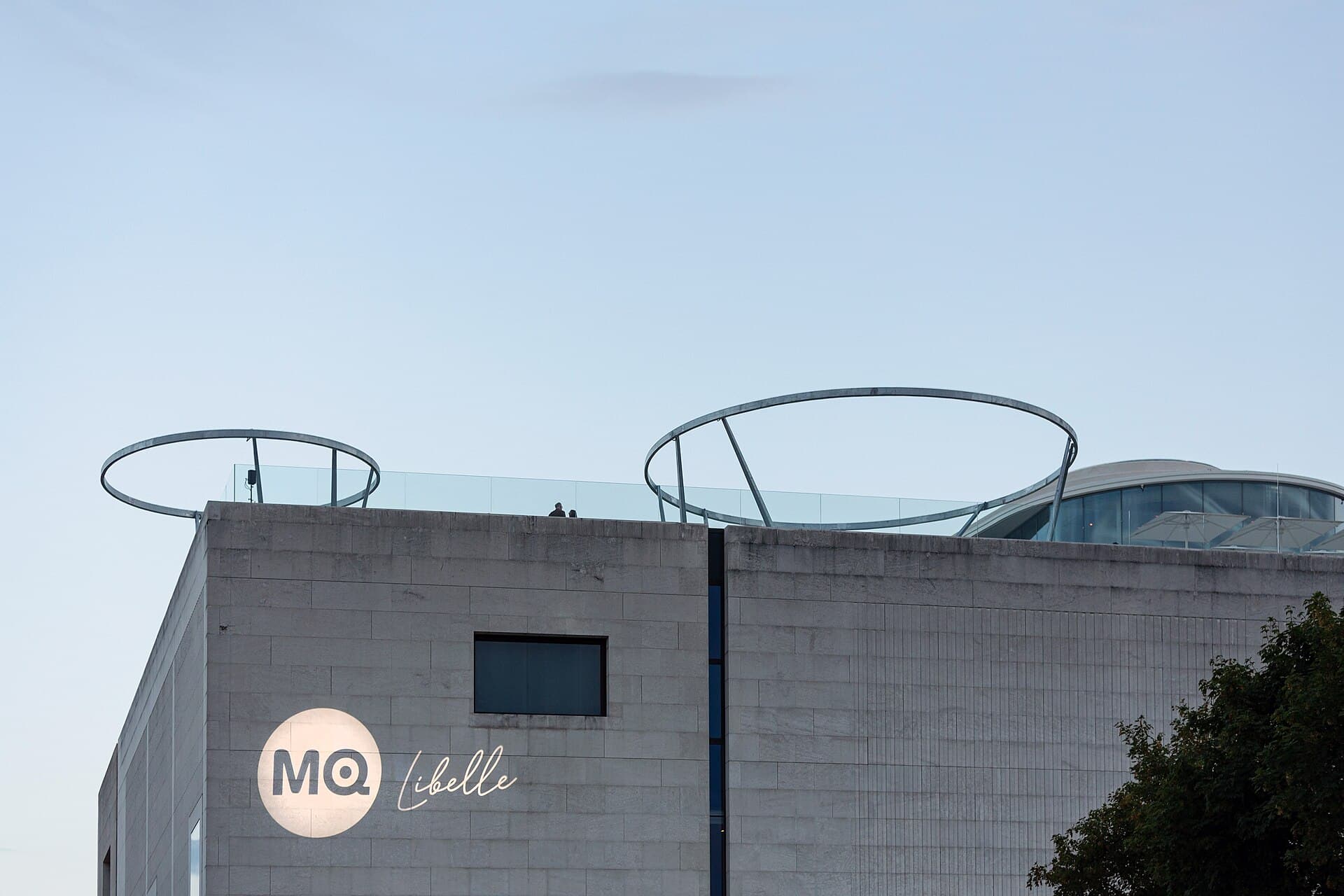 MQ LibelleA viewing platform on the roof of the Leopold Museum in Vienna's MuseumsQuartier1 minute walk4.5
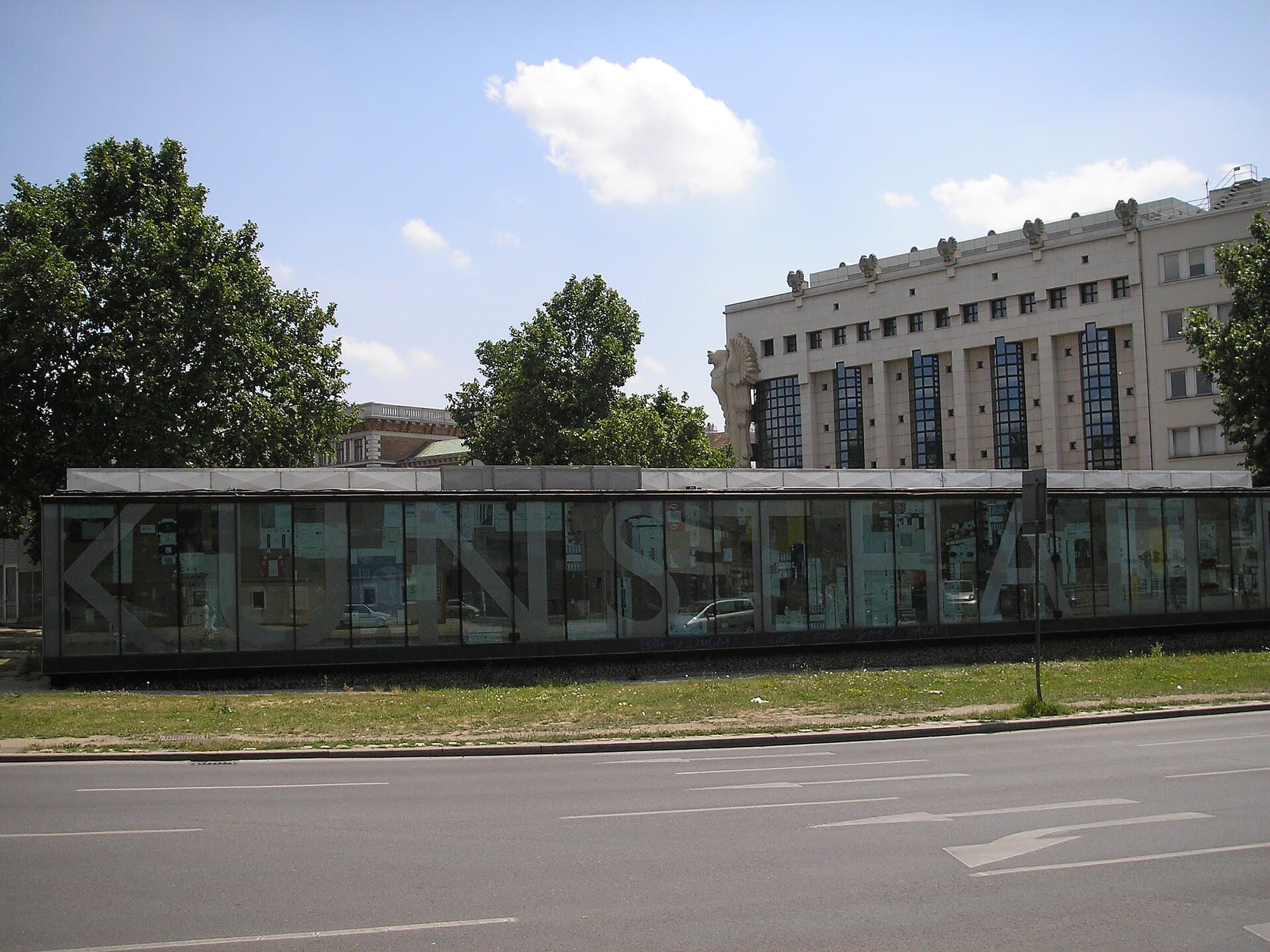 Kunsthalle WienA contemporary art institution inside Vienna's MuseumsQuartier complex, and a Ku1 minute walk4.3
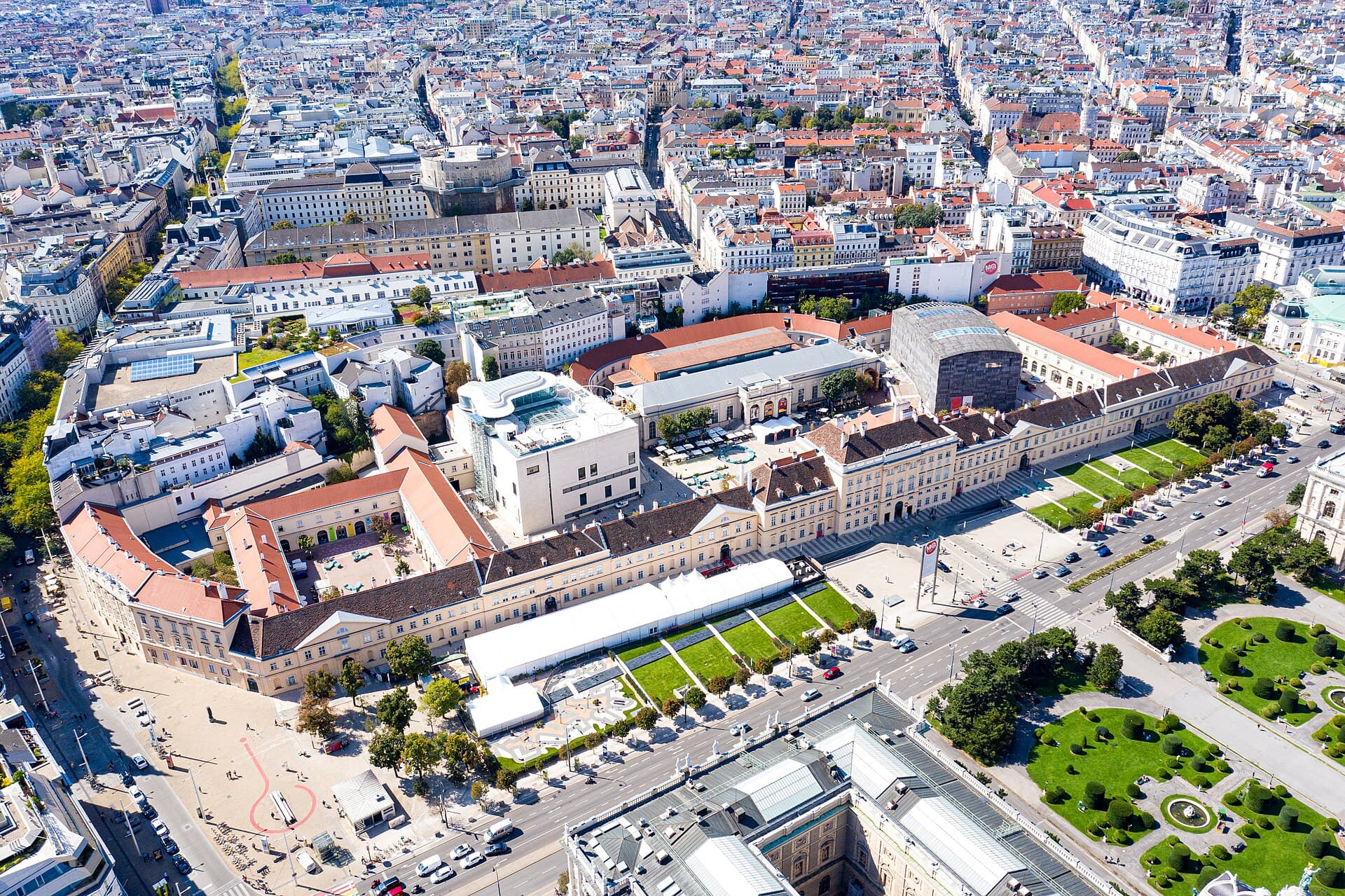 MuseumsQuartierThese were baroque imperial stables with room for thousands of horses, converted1 minute walk4.5
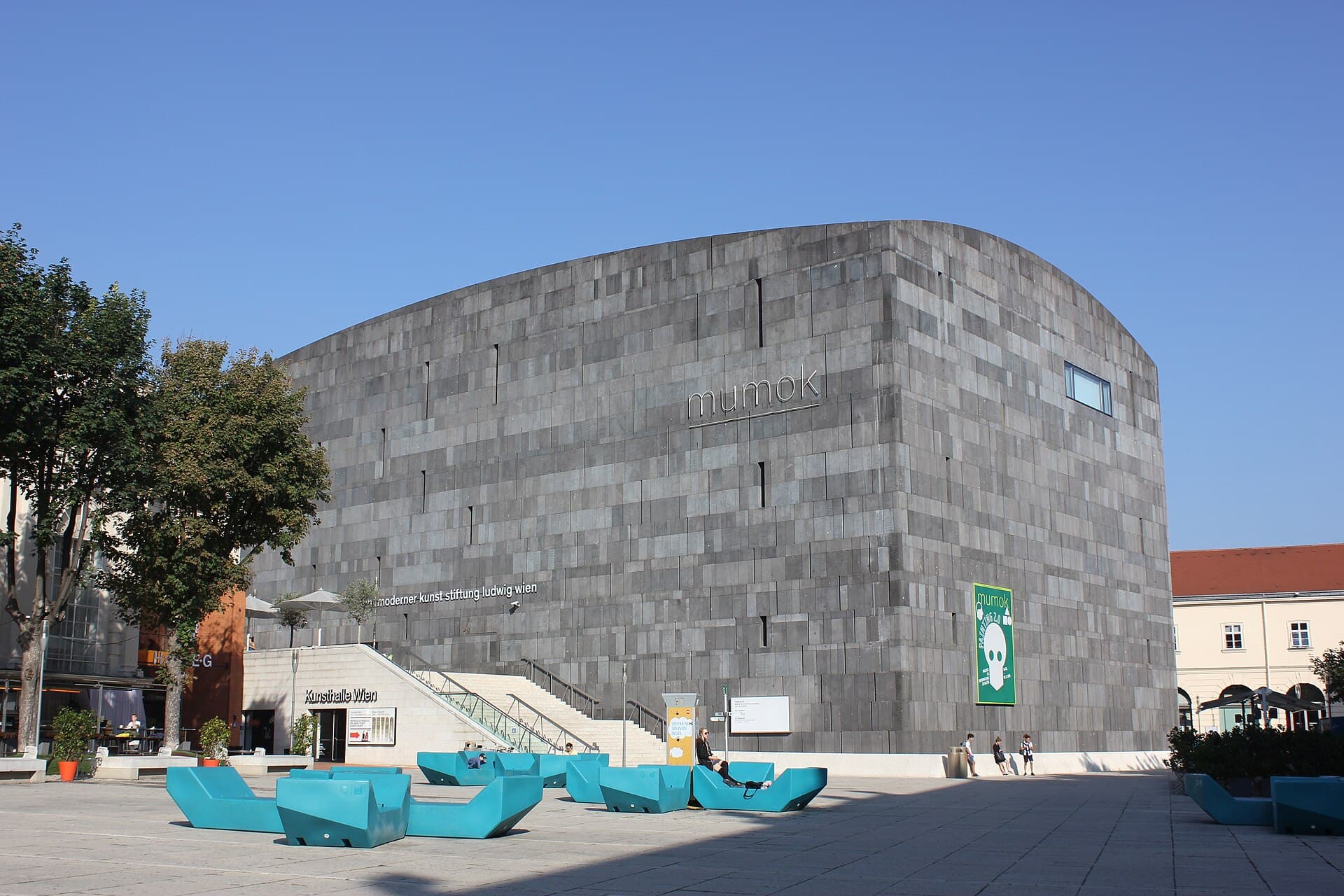 MumokThe dark stone block in the middle of the MuseumsQuartier: the Museum of Modern 2 minutes walk3.9
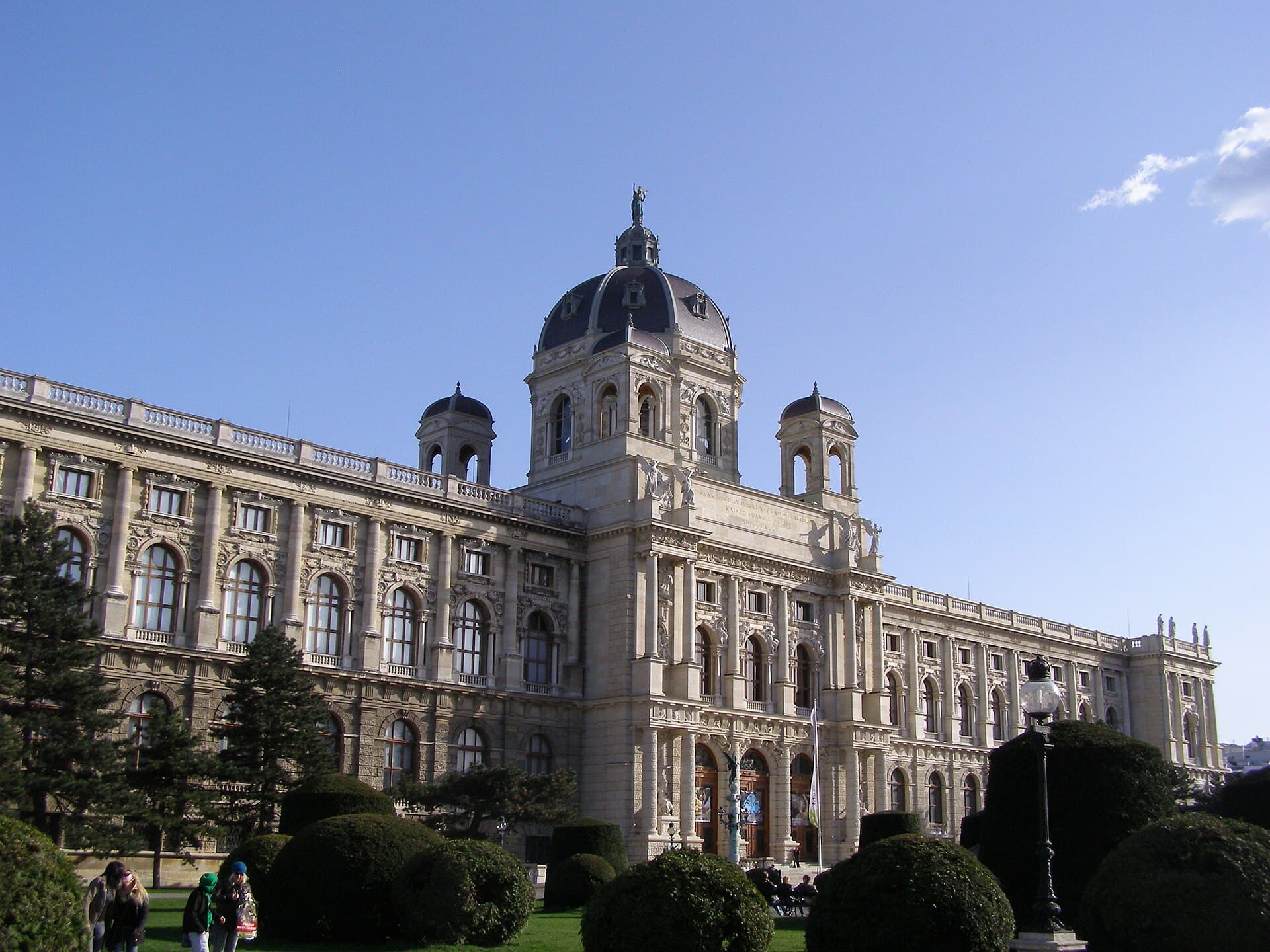 Kunsthistorisches MuseumThe Museum of Art History: the Habsburgs' art hoard, assembled over centuries fr3 minutes walk4.7
The Belvedere if you specifically want The Kiss. The Leopold if you want to understand Austrian art around 1900 as a whole, and especially Schiele, where it outranks everyone.
Some Schiele works are explicitly nude, which is worth knowing with young children. The rest is entirely ordinary, and the children's museum in the same courtyard is a better fit for them.