
The wall of victims
Glass panels in the courtyard inscribed with the names of those who could be identified — names are still being added.
Mark Ahsmann — CC BY-SA 3.0 · Mark Ahsmann — CC BY-SA 3.0 · יעקב — CC0 · Takkk — CC BY-SA 3.0
The Holocaust Memorial Center is Hungary's official institution for documenting the destruction of the country's Jews and Roma, in a residential district south of central Pest, well off the tourist route. The building is part of the message: a synagogue of 1924, restored and enclosed by a canted concrete wall and tilted metal façades designed by the architect István Mányi — the architecture is deliberately off balance. The permanent exhibition follows the sequence step by step: the discriminatory laws of the 1930s, then the stripping of rights, then the mass deportation of 1944, carried out with exceptional speed — more than four hundred thousand Hungarian Jews were deported to Auschwitz in under two months — then Arrow Cross rule, the riverbank shootings and the Budapest ghetto. The exhibition concentrates on individual stories: names, photographs and documents of particular families that you follow through the rooms. In the courtyard is the wall of victims — glass panels inscribed with the names of those who could be identified, and names are still being added. Its ticket is among the cheapest in Budapest, and it is the least crowded of the city's memory sites — and perhaps the most serious and methodical of them.
Glass panels in the courtyard inscribed with the names of those who could be identified — names are still being added.
A 1924 synagogue at the heart of the complex, enclosed in contemporary concrete — the juxtaposition is itself the message.
The exhibition follows particular families by name and photograph through the rooms — history through people rather than numbers.
The destruction of Hungary's Roma — a part of the history rarely shown in other European museums.
Páva utca 39, Pest 1094
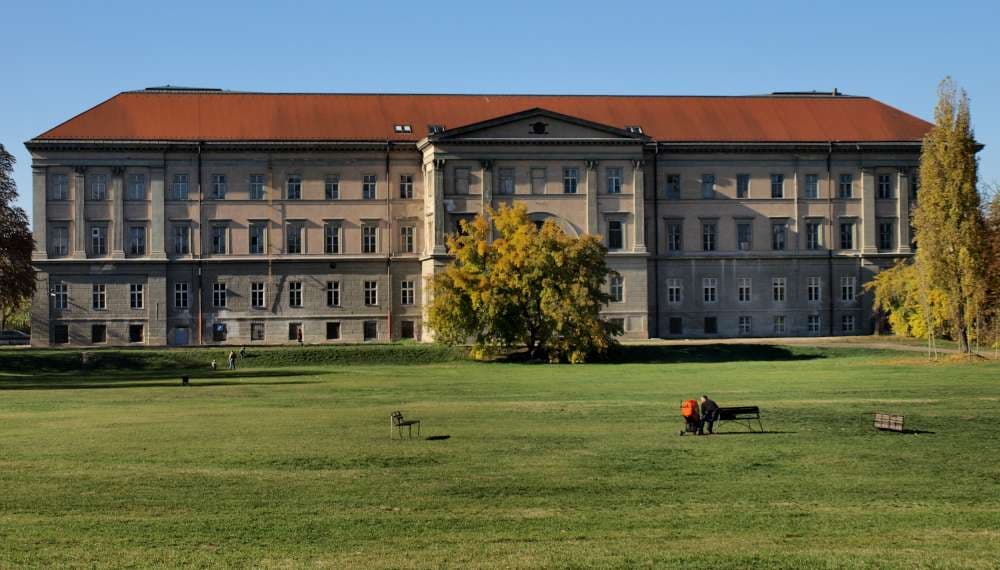 Hungarian Natural History MuseumThe Hungarian Natural History Museum is the best choice in Budapest for a wet da11 minutes walk4.3
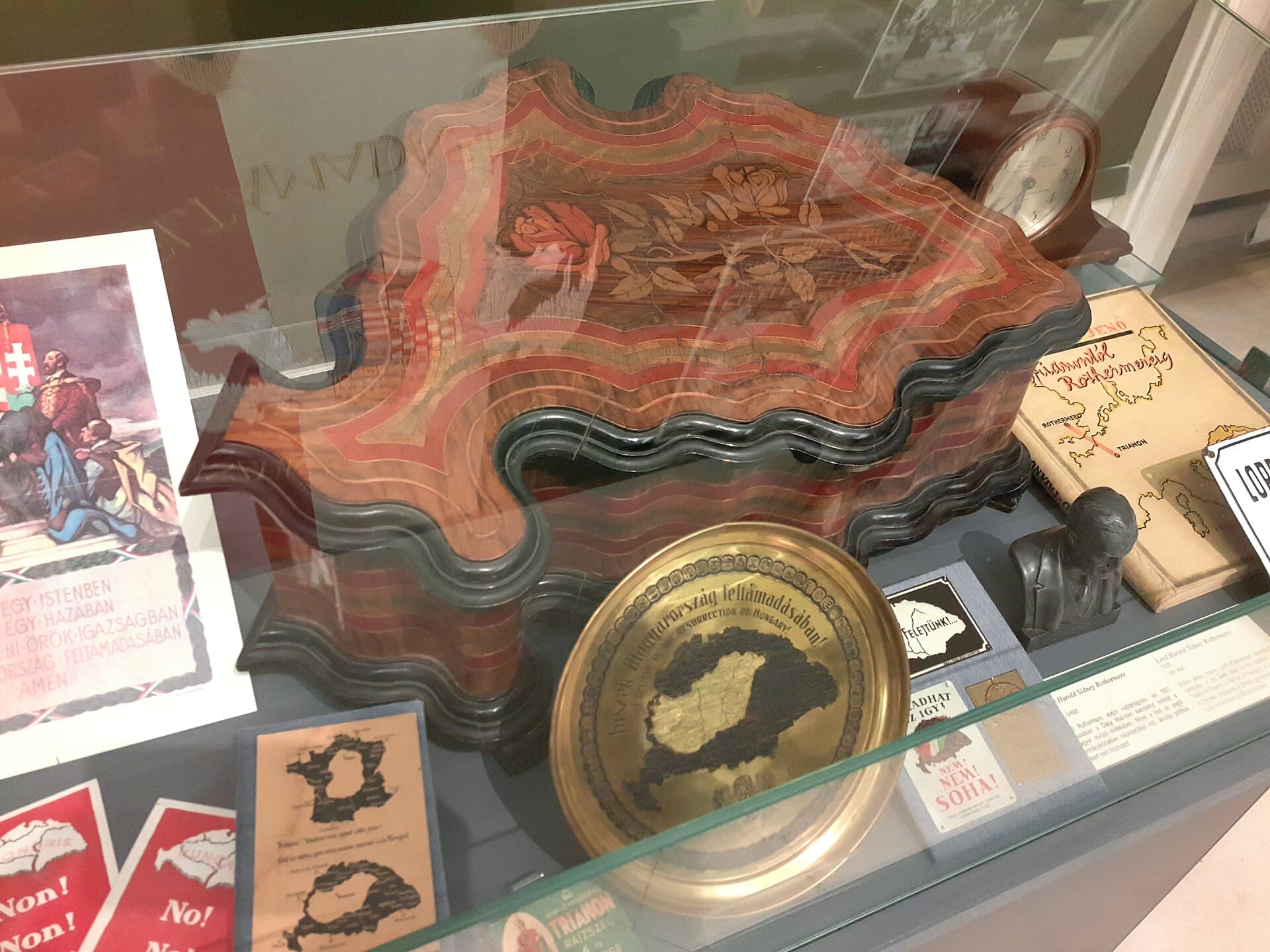 Hungarian National MuseumThe Hungarian National Museum is the country's oldest museum and the most import15 minutes walk4.6
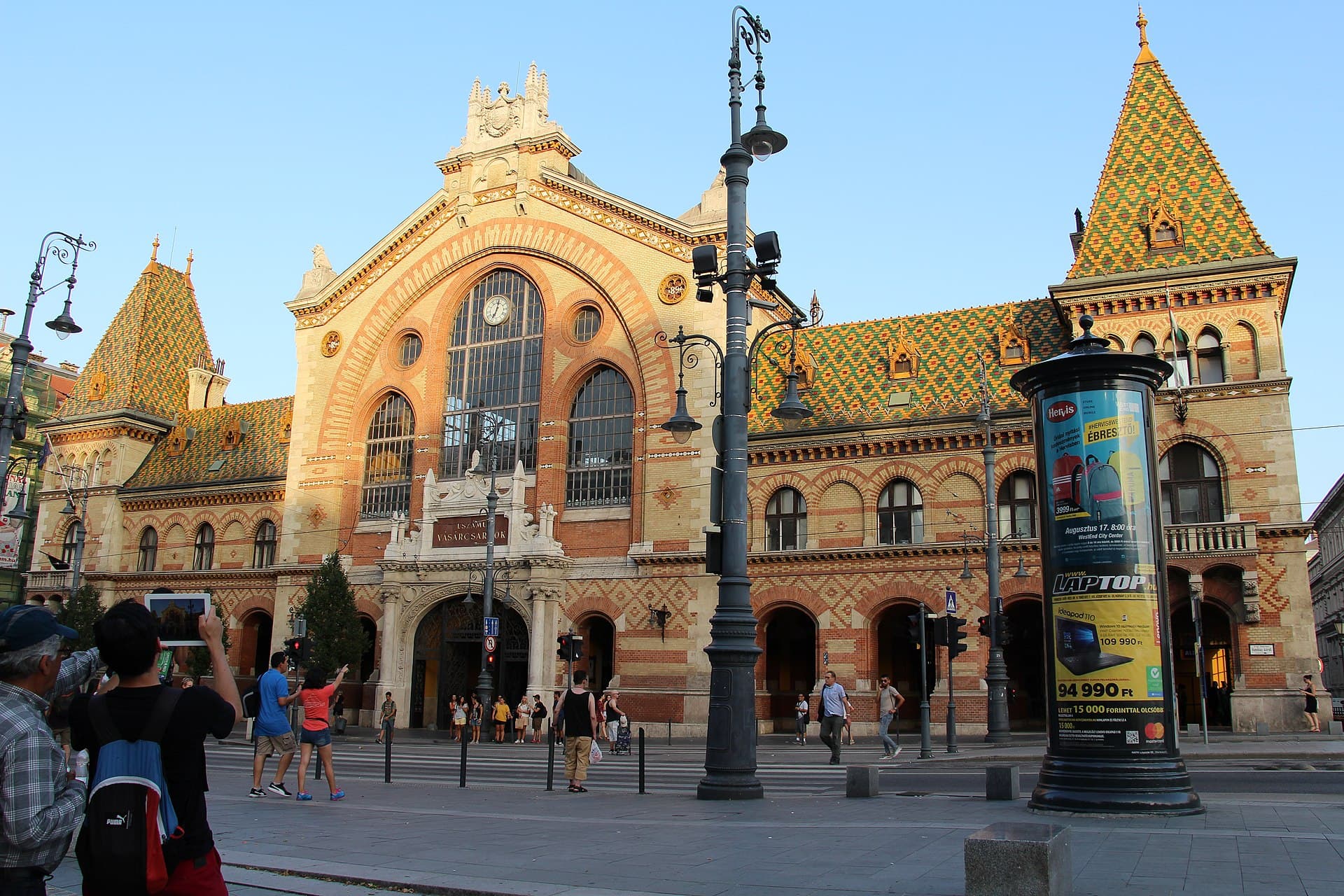 Great Market HallThe Great Market Hall is the largest and oldest covered market in Hungary, opene15 minutes walk4.2
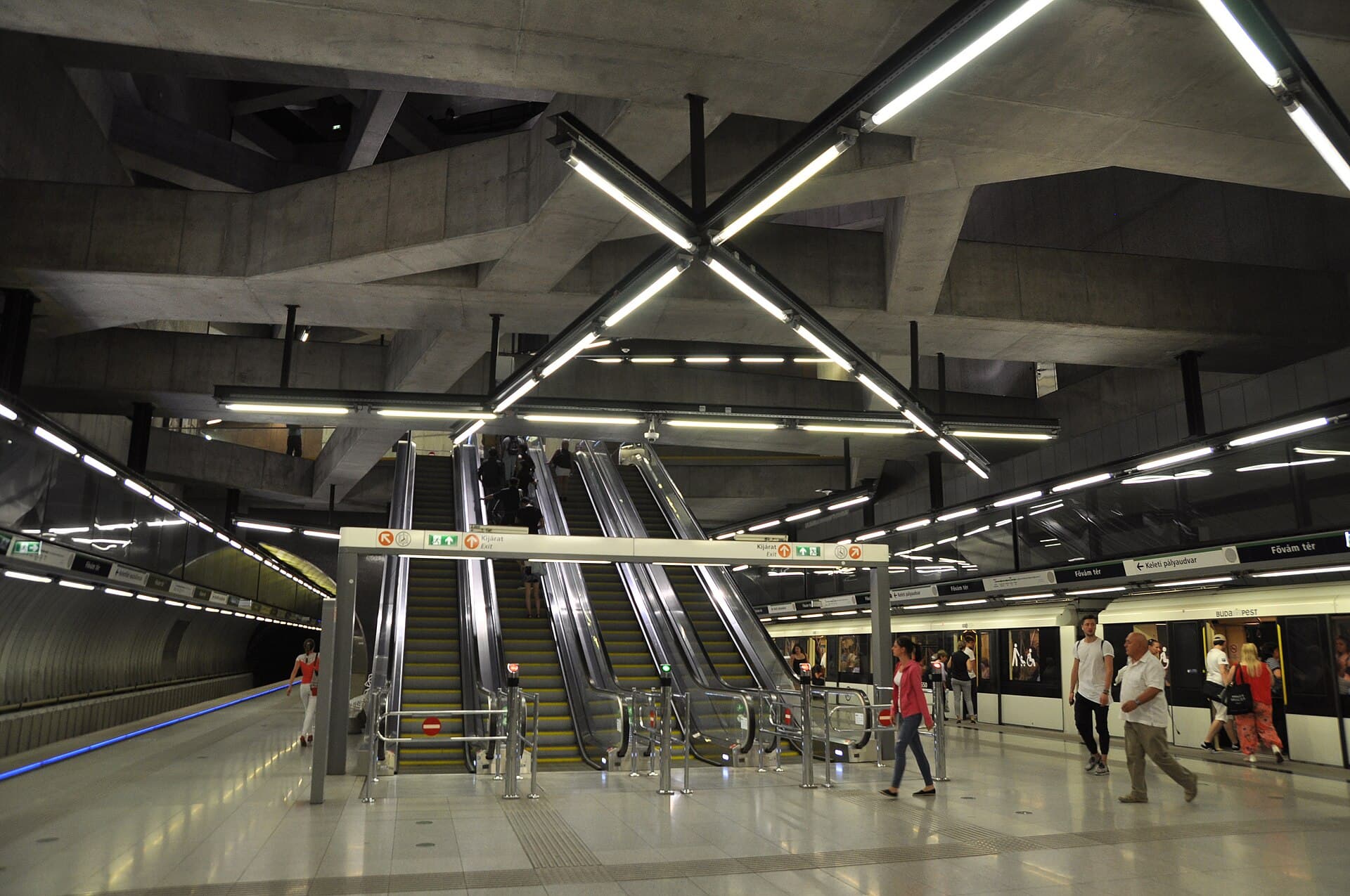 Fővám SquareA square at the Pest end of Liberty Bridge, one of the main meeting points in Bu16 minutes walk4.5
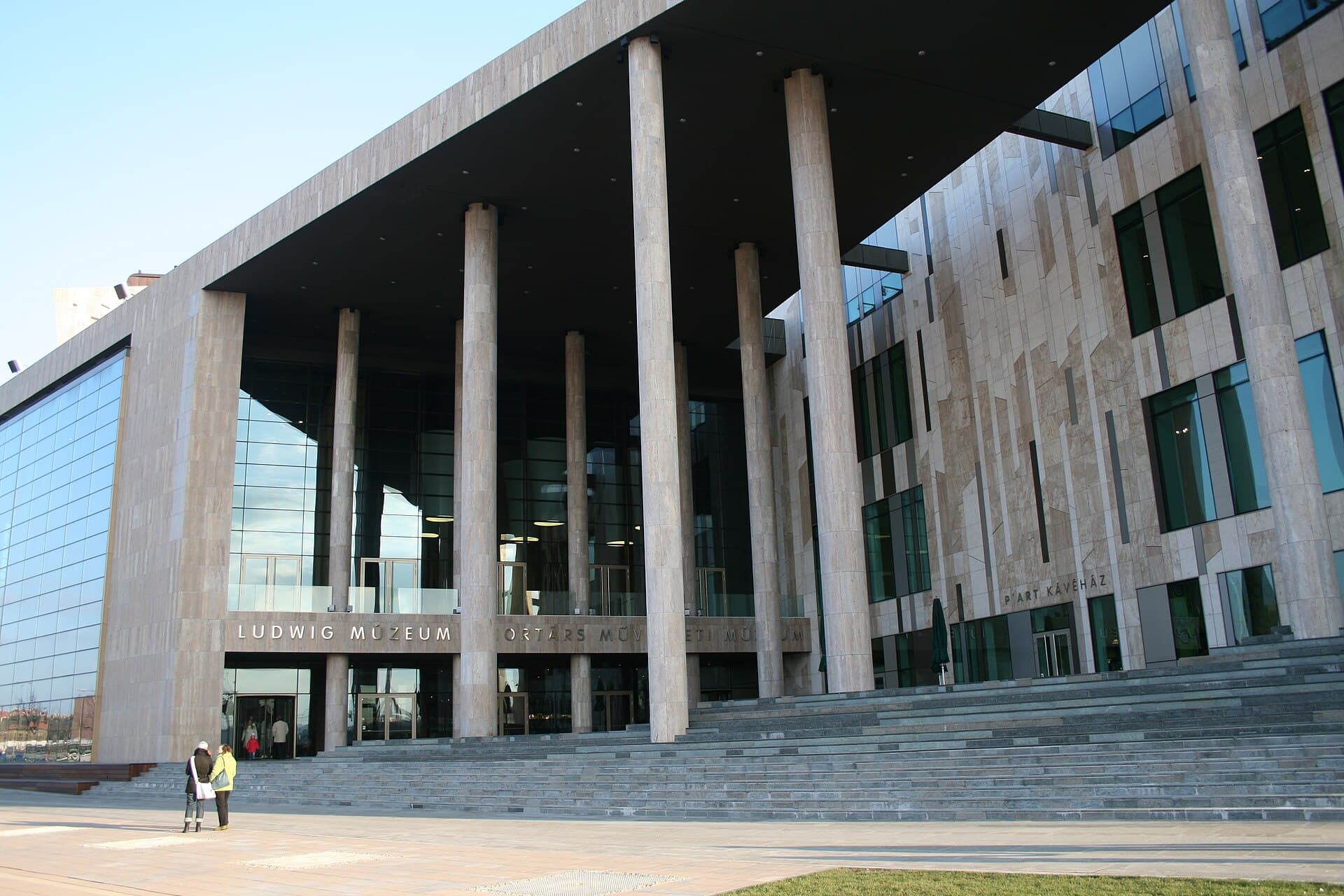 Ludwig Museum BudapestThe Ludwig Museum is Hungary's national museum of contemporary art, occupying th20 minutes walk4.4
This is a research and documentation centre specialising in the Holocaust, academic in method, fully captioned in English, and not seriously disputed in its balance. The House of Terror covers two eras — fascist and communist — and is contested in how it allocates space. For methodical historical understanding: this centre.
Because they began very late — in the spring of 1944, after the German occupation of Hungary — and were carried out with high administrative efficiency, with Hungarian authorities participating. More than four hundred thousand people were deported in under two months, among the fastest deportation operations of the entire war.
From about fourteen upwards. The material is documented and explicit, including difficult photographs, and the exhibition is designed for adults. With younger children, the Shoes on the Danube Bank with a simple explanation is enough.
If the subject matters to you, clearly yes: it is the fullest and most rigorous of Budapest's memory sites, the ticket is negligible, and it is entirely quiet. On a two-day trip, the Dohány synagogue and the Shoes on the Danube cover the essentials.