
The 1848 steps
The outdoor stairway tied in Hungarian memory to Petőfi's poem on the first day of the revolution — a national symbol, and free.
Christo — CC BY-SA 4.0 · Christo — CC BY-SA 4.0 · Christo — CC BY-SA 4.0 · Erik Cleves Kristensen — CC BY 2.0
The Hungarian National Museum is the country's oldest museum and the most important for understanding its history. It was founded in 1802 when Count Ferenc Széchényi gave his collection of books, coins and antiquities to the nation, and moved into its present building — a neo-Classical block with columns and a broad external stairway — in 1847. Those steps hold a particular place in Hungarian memory: on 15 March 1848 the poet Sándor Petőfi stood on them, by national tradition, and recited his National Song to the crowd on the first day of the Hungarian revolution against Austrian rule. History does not confirm the scene in detail, but the steps became a symbol, and national ceremonies are held there on that date every year. The permanent exhibition runs from prehistory to the end of the 20th century: Roman material from Pannonia, the swords and implements of the early Magyar tribes, objects from the Ottoman period, imperial furniture, painting and dress, and then the 20th-century rooms with the two wars, the 1956 revolution and the fall of communism. It is not as visually striking as the Museum of Fine Arts, but it is the better museum for anyone who wants to understand Hungary rather than simply look at it.
The outdoor stairway tied in Hungarian memory to Petőfi's poem on the first day of the revolution — a national symbol, and free.
Swords, tools and ornaments from the settlement of the Carpathian basin — the origin of the Hungarian nation on display.
A section documenting a century and a half of Ottoman rule in Hungary — context of particular use to an Arab visitor.
The two wars, the 1956 revolution and the fall of communism — the clearest continuous account of modern Hungary in one place.
Múzeum körút 14-16, Pest 1088
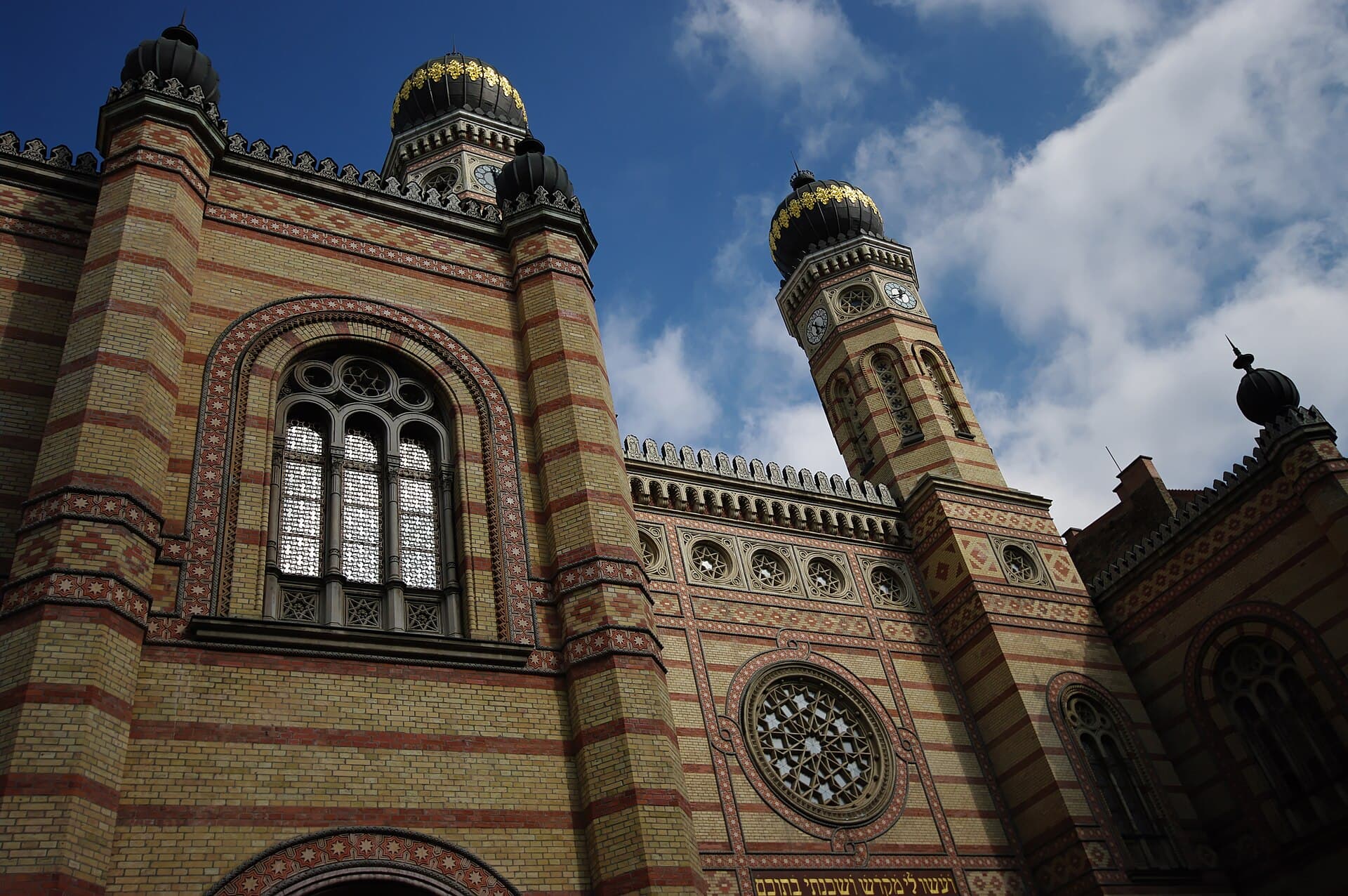 Dohány Street SynagogueThe Dohány Street Synagogue is the largest synagogue in Europe and the second la7 minutes walk4.2
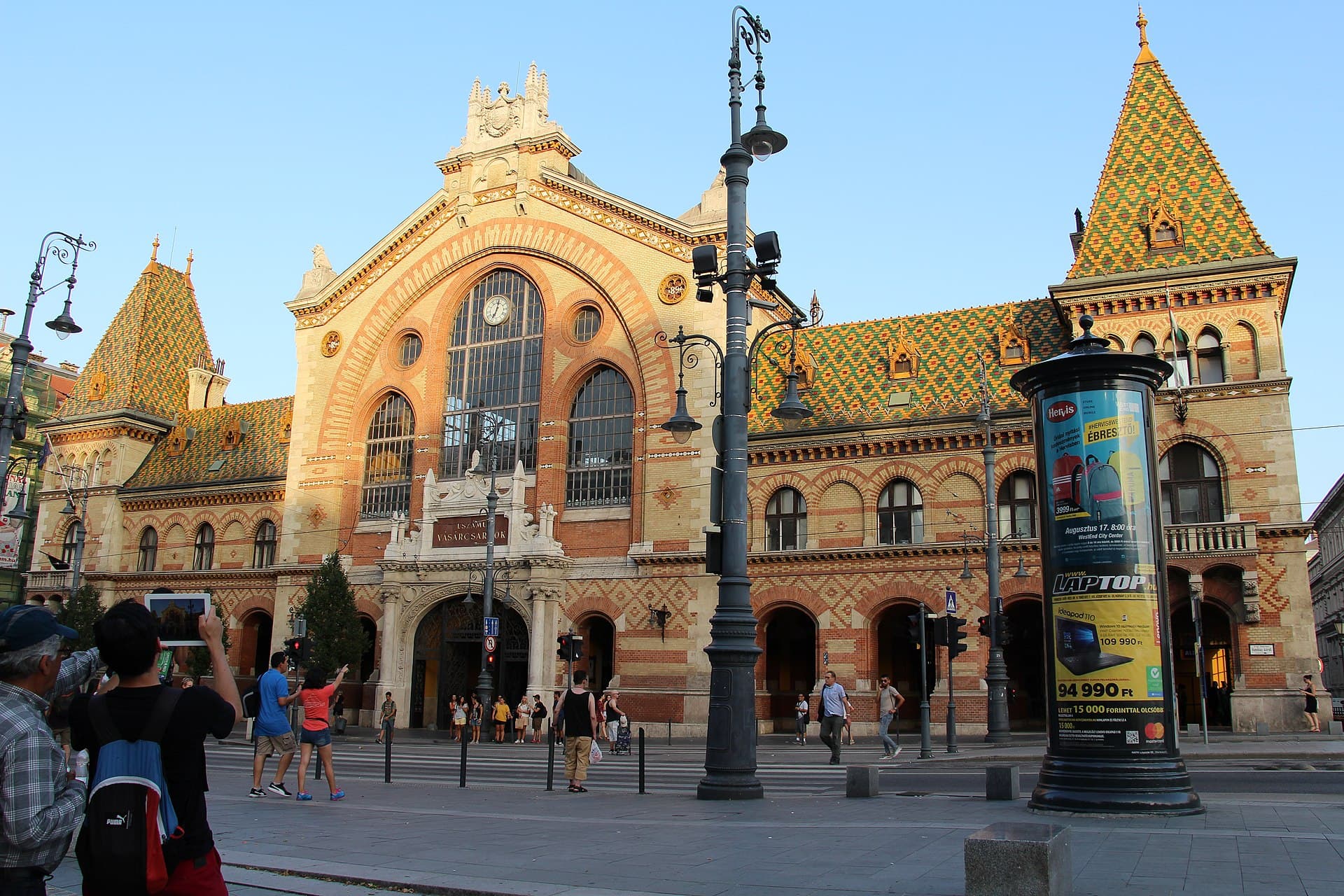 Great Market HallThe Great Market Hall is the largest and oldest covered market in Hungary, opene7 minutes walk4.2
 Raoul Wallenberg Memorial ParkA memorial garden behind Budapest's Great Synagogue, dedicated to the victims of7 minutes walk4.5
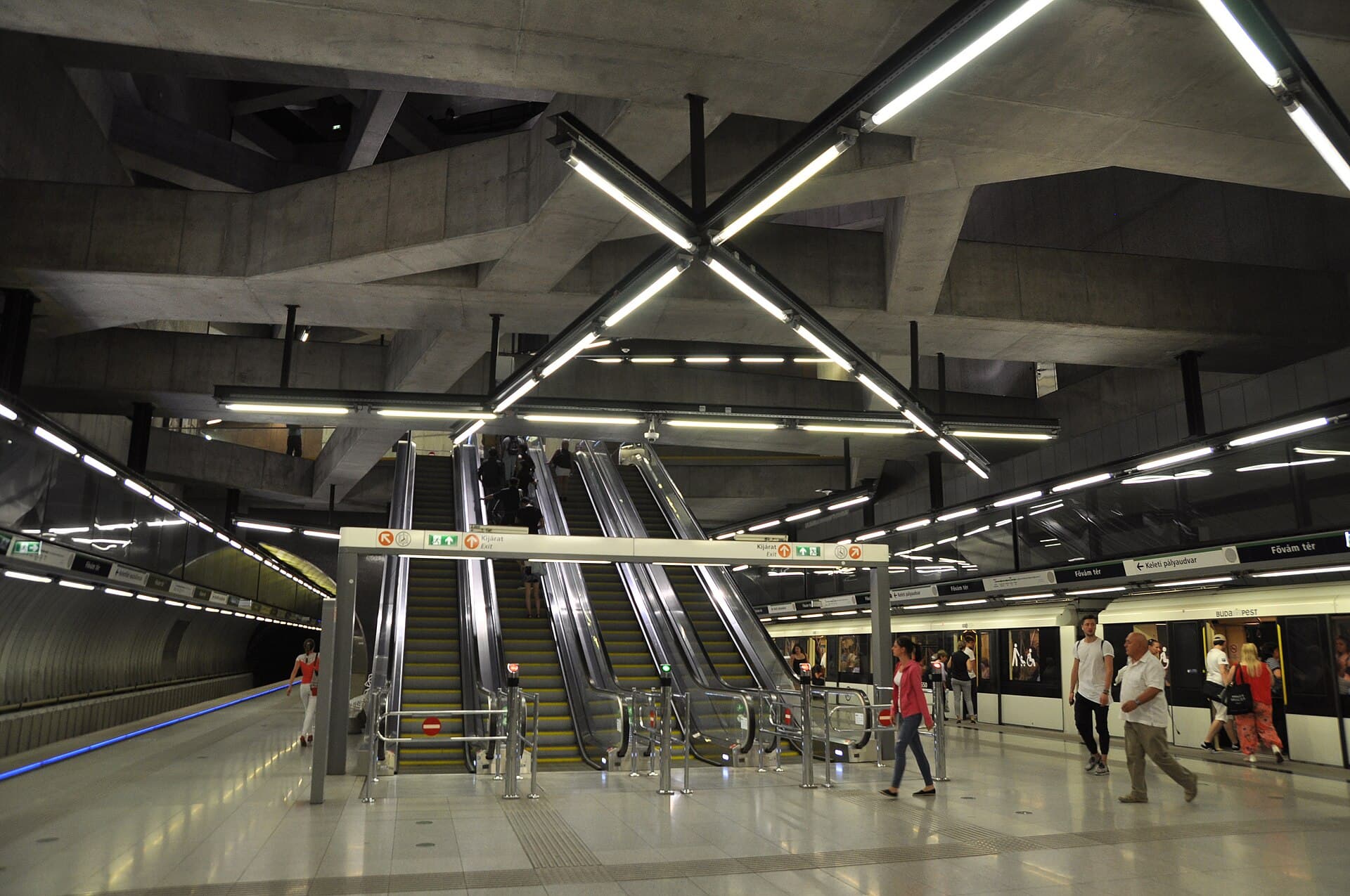 Fővám SquareA square at the Pest end of Liberty Bridge, one of the main meeting points in Bu7 minutes walk4.5
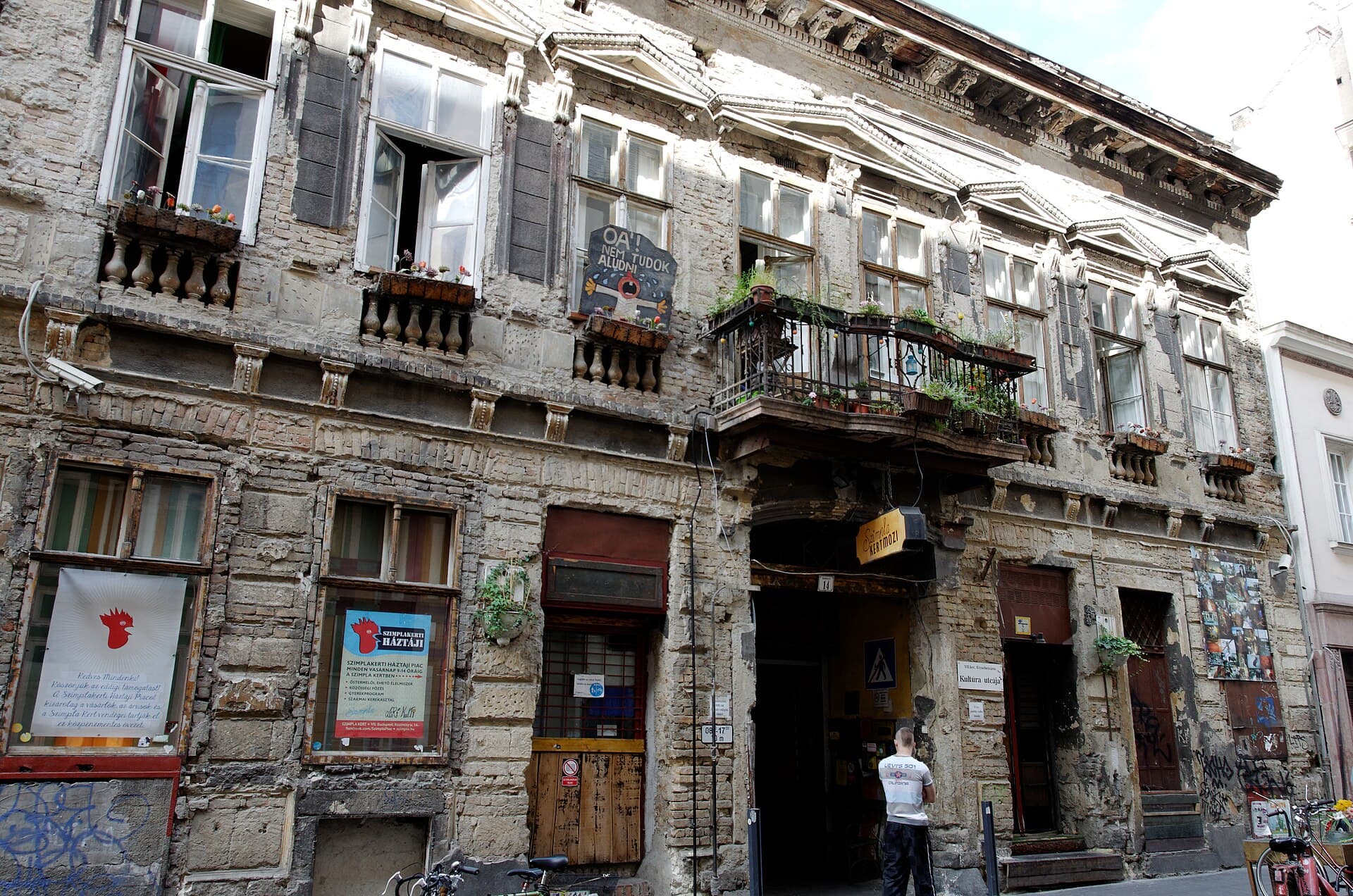 Szimpla Kert (Ruin Bar)The place that invented the "ruin bar": Szimpla Kert opened in 2002 in an abando8 minutes walk4.5
Honestly, less so than the Museum of Fine Arts or the Széchenyi Baths. But it is the best place in Budapest to understand why the city looks as it does — and why the dates 1848, 1956 and 1989 keep recurring at every other sight you visit.
On 15 March 1848 the Hungarian revolution against Austrian rule broke out, and national tradition has the poet Sándor Petőfi reciting his National Song on the museum steps before the crowd. Historians doubt the details of the scene, but it became a fixed symbol, and ceremonies are held there on that date each year.
Partly: the arms, armour and Roman material hold them, but much of the exhibition is text and documents. An hour with children is enough. For families, the Hungarian Natural History Museum is a much better option.
The Great Market Hall is ten minutes' walk south, the Dohány Street Synagogue eight minutes north, and Kálvin tér is directly outside — the whole of central Pest is walkable from here.