
The grave and its curse
A plain slab in the chancel carrying the verse traditionally credited to him against anyone who moves his bones, with wife Anne and daughter Susanna alongside.
DeFacto — CC BY-SA 4.0 · Vauxford — CC BY-SA 4.0 · J Scott — CC BY-SA 2.0 · Rept0n1x — CC BY-SA 3.0
Under a plain stone slab at the east end of this church, William Shakespeare has lain since 1616 beneath four lines of verse, traditionally credited to him, cursing anyone who dares move his bones. The curse seems to have held: the grave has never been opened. The building brackets his whole life. He was baptised here as an infant in 1564 and carried back fifty-two years later to be buried, and on the wall above the grave sits the painted bust, in place by 1623, quill and paper in hand, one of only two images his own contemporaries accepted as a likeness. His wife Anne and daughter Susanna lie in the same row, the family reassembled in stone. The church would deserve a look without him. Most of the fabric dates from the 13th to the 15th century, the stone spire replaced an older wooden one in 1763 and announces the place from far along the River Avon, and you approach down an avenue of lime trees that feels like walking into a novel. Inside, hunt out the 15th-century carved choir seats with their odd and mocking figures under the ledges, and the copy of the parish register displayed near the grave with his name entered twice, once arriving and once leaving. Entry to the church is free; the chancel where the grave sits costs £5 for adults and £1 for under-18s, with no booking and no organised tours at all. Hours shift with the season: April to August it opens Monday to Saturday 10:00 to 16:45 and Sunday afternoons only, 13:00 to 15:15; in September and October the hours shrink and Wednesday narrows to a short afternoon slot; from November to March visitors are admitted on Saturday and Sunday only, so a winter weekday trip finds the door shut. It is a working parish church that closes without notice for funerals and services, and quiet voices and modest dress are expected. The visit is short, half an hour to an hour at most, and the grave itself is an ordinary slab that may surprise anyone expecting a grand tomb. The real beauty is the approach and the green churchyard above the river, one of the calmest corners of the town. It is a flat ten-minute riverside walk from the Royal Shakespeare Theatre, easy with a pushchair, so fold it into a stroll along the bank with the boats and swans rather than making it the sole objective, especially with young children who have no idea whose grave it is.
A plain slab in the chancel carrying the verse traditionally credited to him against anyone who moves his bones, with wife Anne and daughter Susanna alongside.
In place above the grave by 1623, quill in hand, one of only two images his contemporaries accepted as a likeness.
The tree-lined approach and the green churchyard above the Avon are the calmest corner of town, and entirely free.
Old Town, Stratford-upon-Avon CV37 6BG
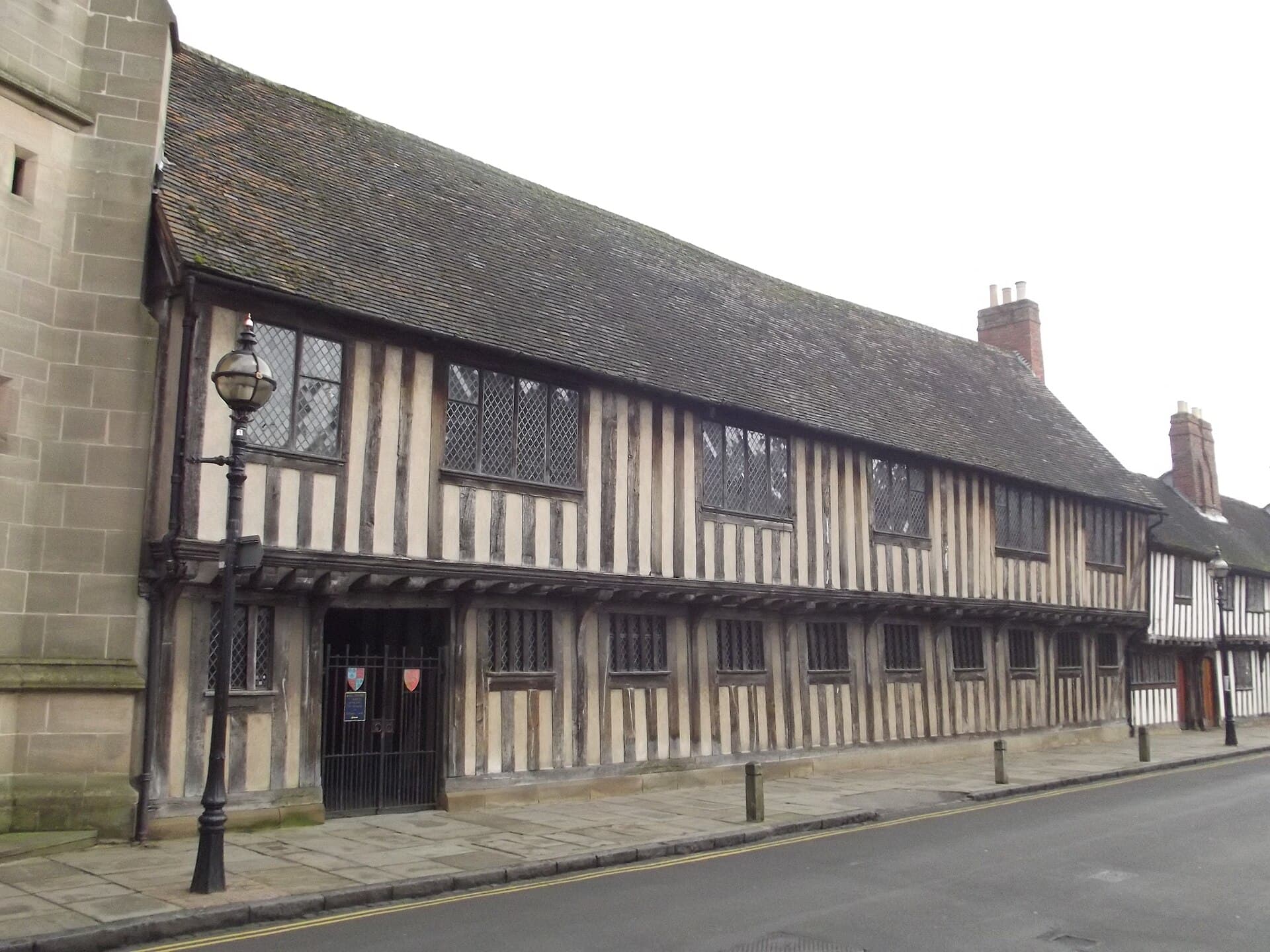 Shakespeare's Schoolroom & GuildhallThis building does not admit visitors before eleven in the morning on any day of6 minutes walk4.8
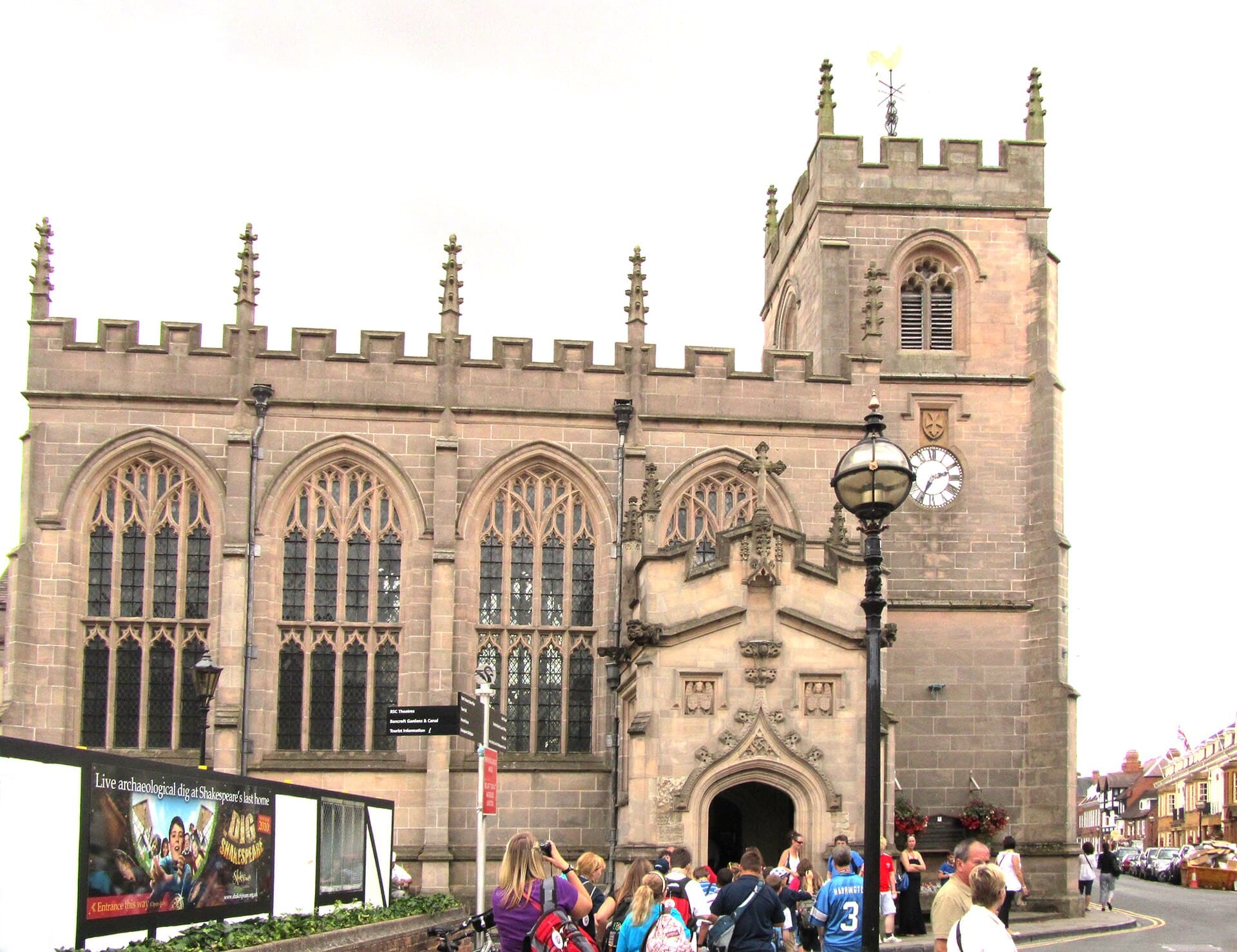 Guild ChapelIn the Stratford corporation accounts for 1563-64 there is a small entry paying 6 minutes walk4.8
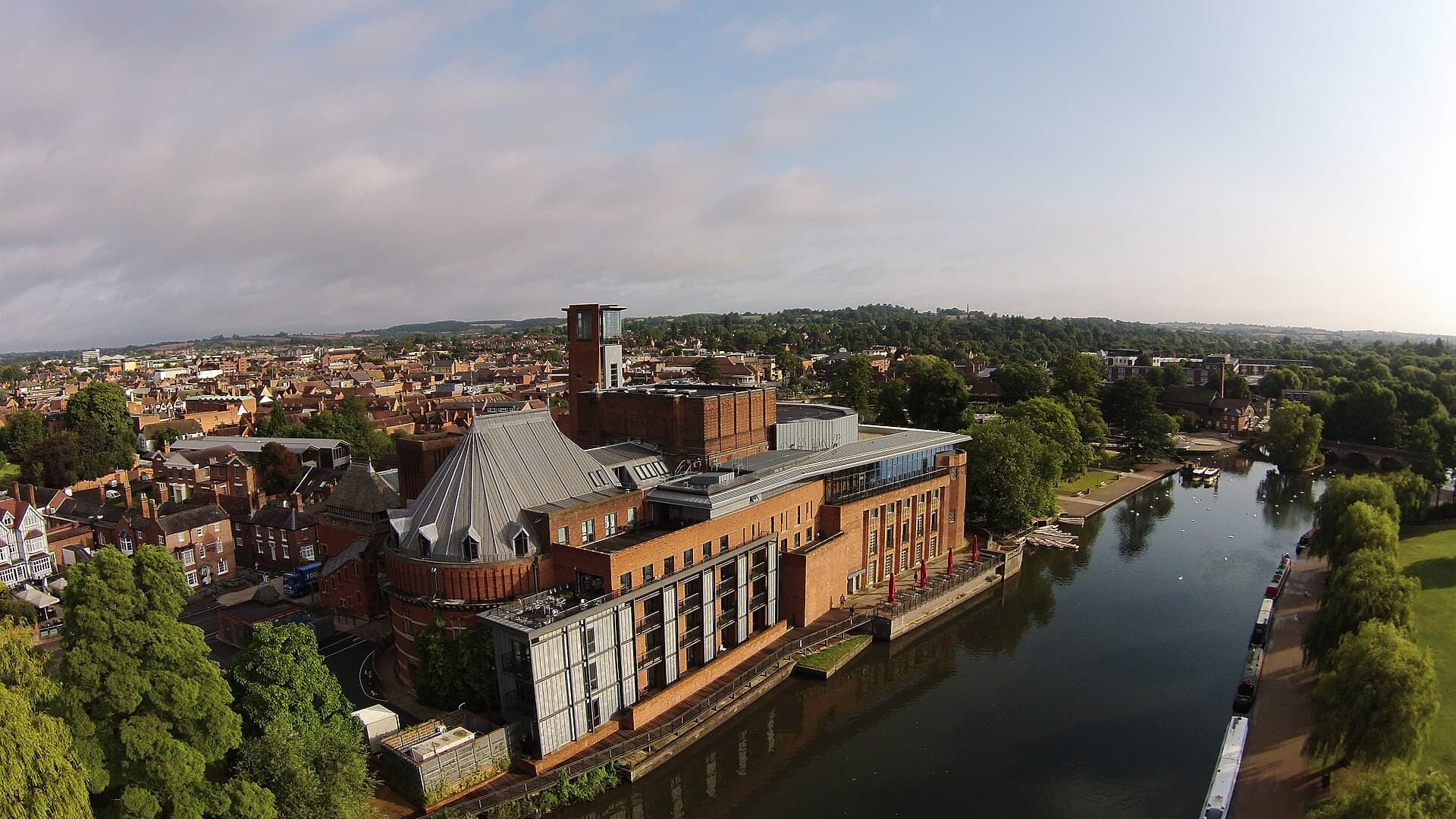 Royal Shakespeare TheatreOne of the best views of Stratford is not from the riverbank but above it: 32 me6 minutes walk4.6
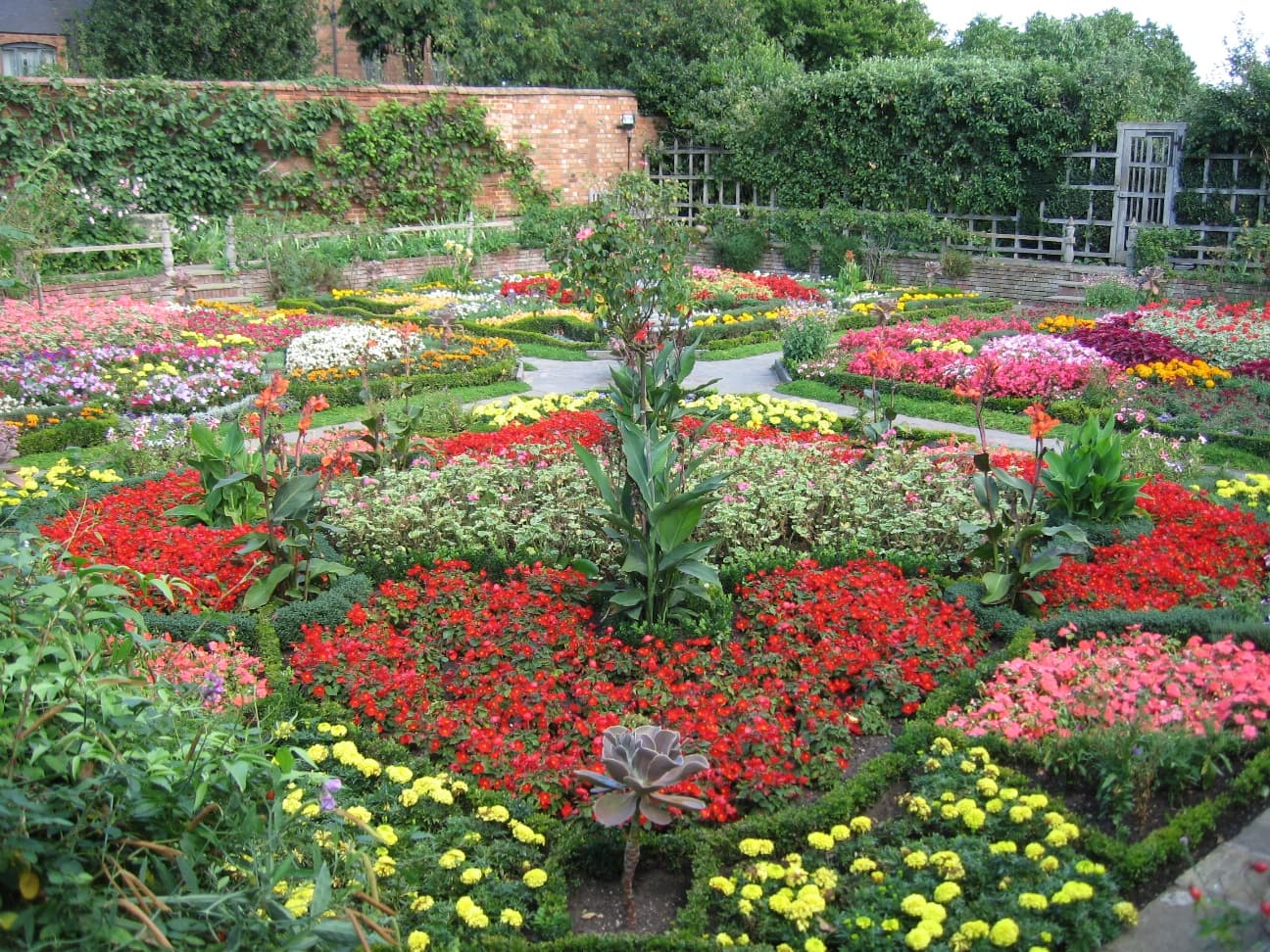 Shakespeare's New PlaceThere is no house. Know that before you walk down Chapel Street: the home Shakes7 minutes walk4.4
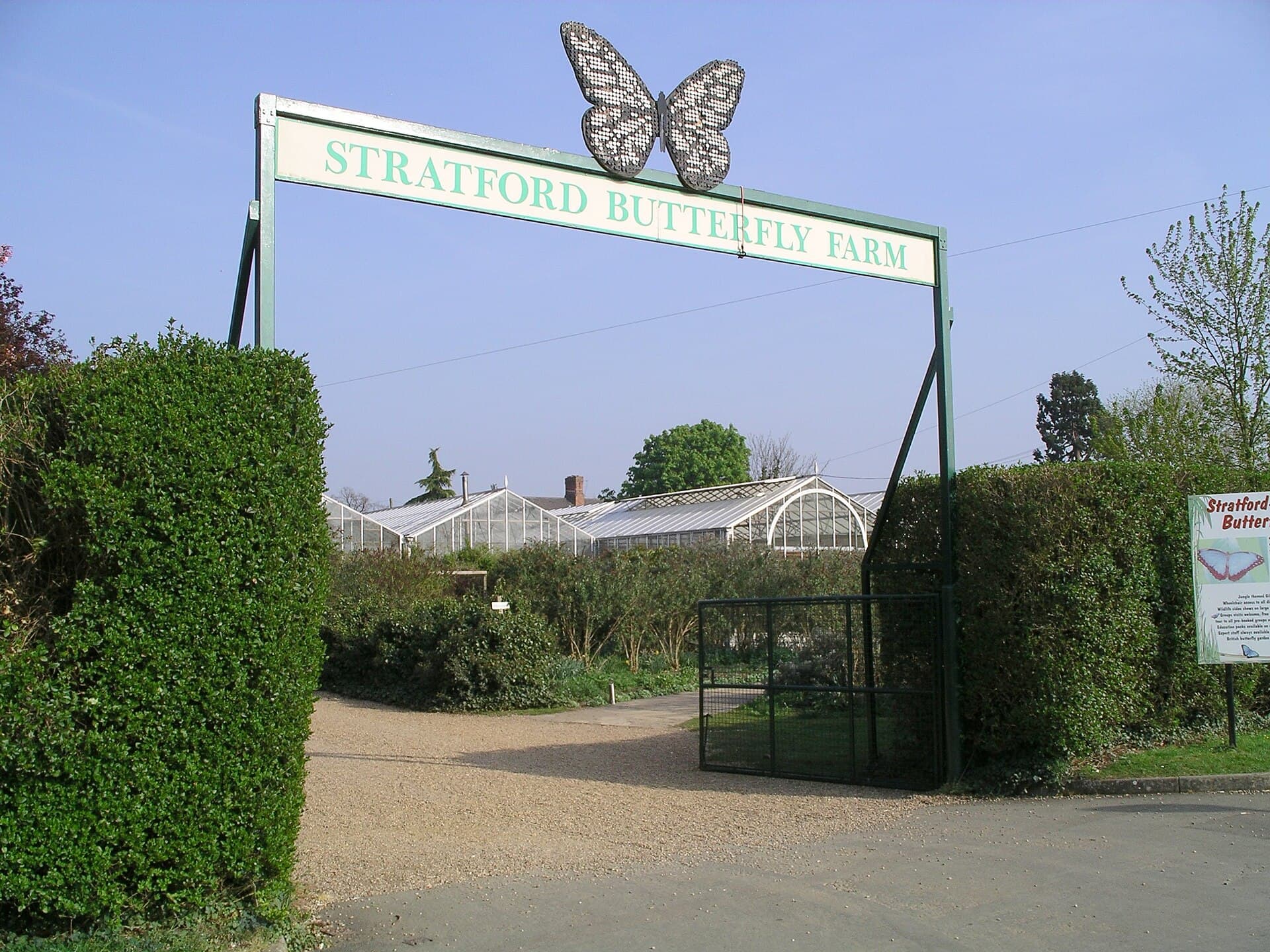 Stratford Butterfly FarmFive minutes from the Royal Shakespeare Theatre, you cross the footbridge over t8 minutes walk4.6
With two hours in Stratford, do the Birthplace first; it has far more to see. The church is a cheap half-hour on a lovely river walk, and the grave is a plain slab rather than a spectacle. Add it if you are strolling the bank anyway, but do not reshuffle the day for it alone.
No. From November to March visitors are admitted on Saturday and Sunday only, and Sunday is a short afternoon window, 13:00 to 15:15. The churchyard and river path are open any day, but seeing the grave needs a weekend, and even then a funeral can shut the church at short notice.