
Electromechanical exchanges
Relay cabinets that connected calls before computers — and they run.
A museum of the history of telecommunications, showing a collection of telephones, telegraph equipment and switching exchanges gathered over decades. The subject is broader than it appears: the displays cover the journey from the nineteenth-century telegraph to the mechanical telephone to vast automatic exchanges to the beginnings of the mobile phone. This is the history of how people became able to speak across distance, a change no less consequential than the railway. Its strongest material is the automatic exchanges: great cabinets of electromechanical relays that connected calls before computers, many of them still working, so you hear the switching and see the movement. A photograph cannot give you that. It should be clear that this is a small specialist museum run by volunteers, with very limited hours possibly restricted to a few days or by appointment, and labelling primarily in Dutch. It lies outside central Rotterdam and needs transport. Check before going.
Relay cabinets that connected calls before computers — and they run.
The whole journey in one place across a century and a half.
Speaking across distance changed the world just as much.
Rotterdam, outside the centre
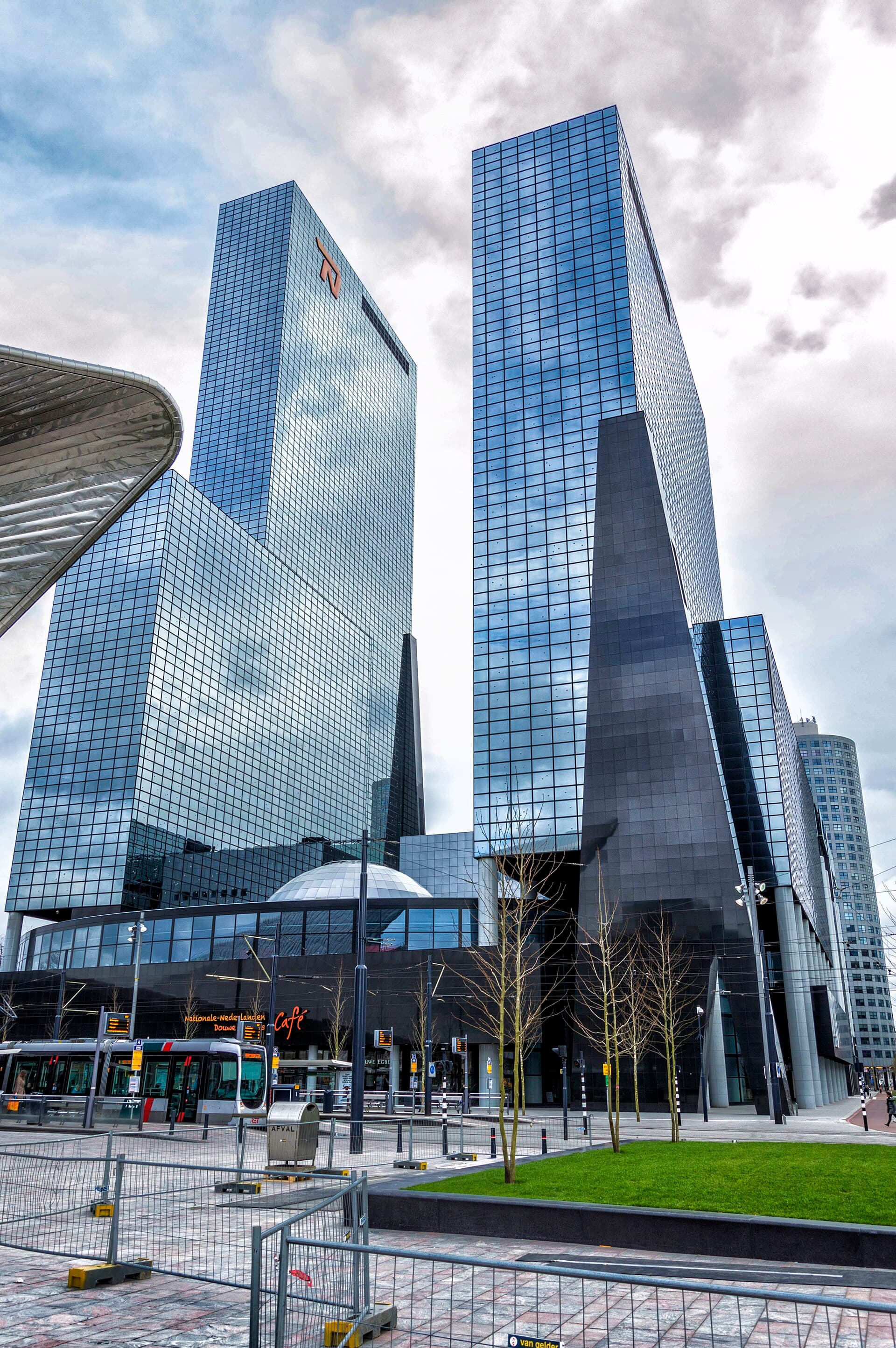 The Delftse Poort TowerAn office skyscraper beside Rotterdam Centraal station, completed in 1991, and f13 minutes walk4.3
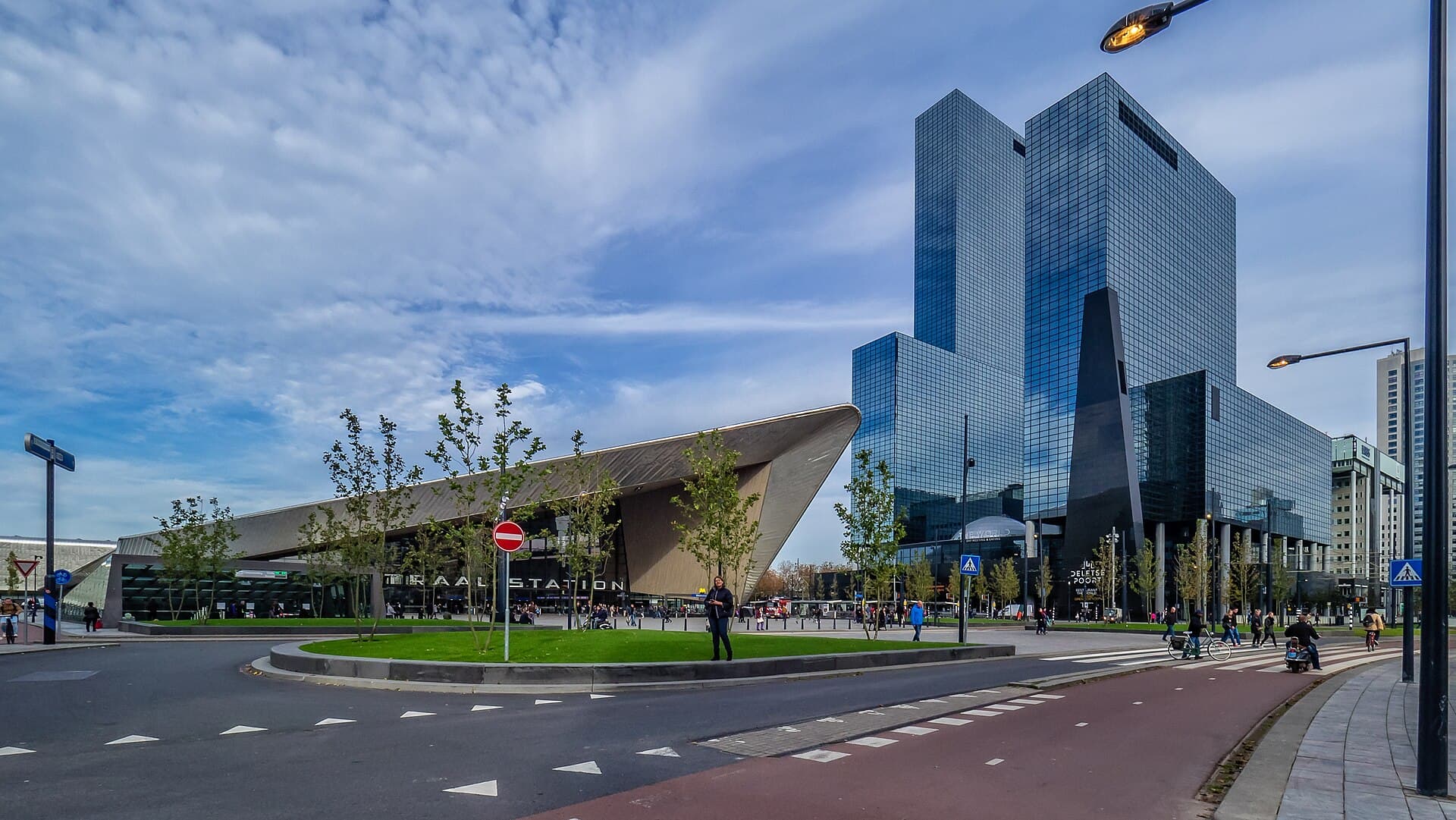 Stationsplein, RotterdamThe square in front of Rotterdam Centraal, the first thing an arriving visitor s13 minutes walk4.5
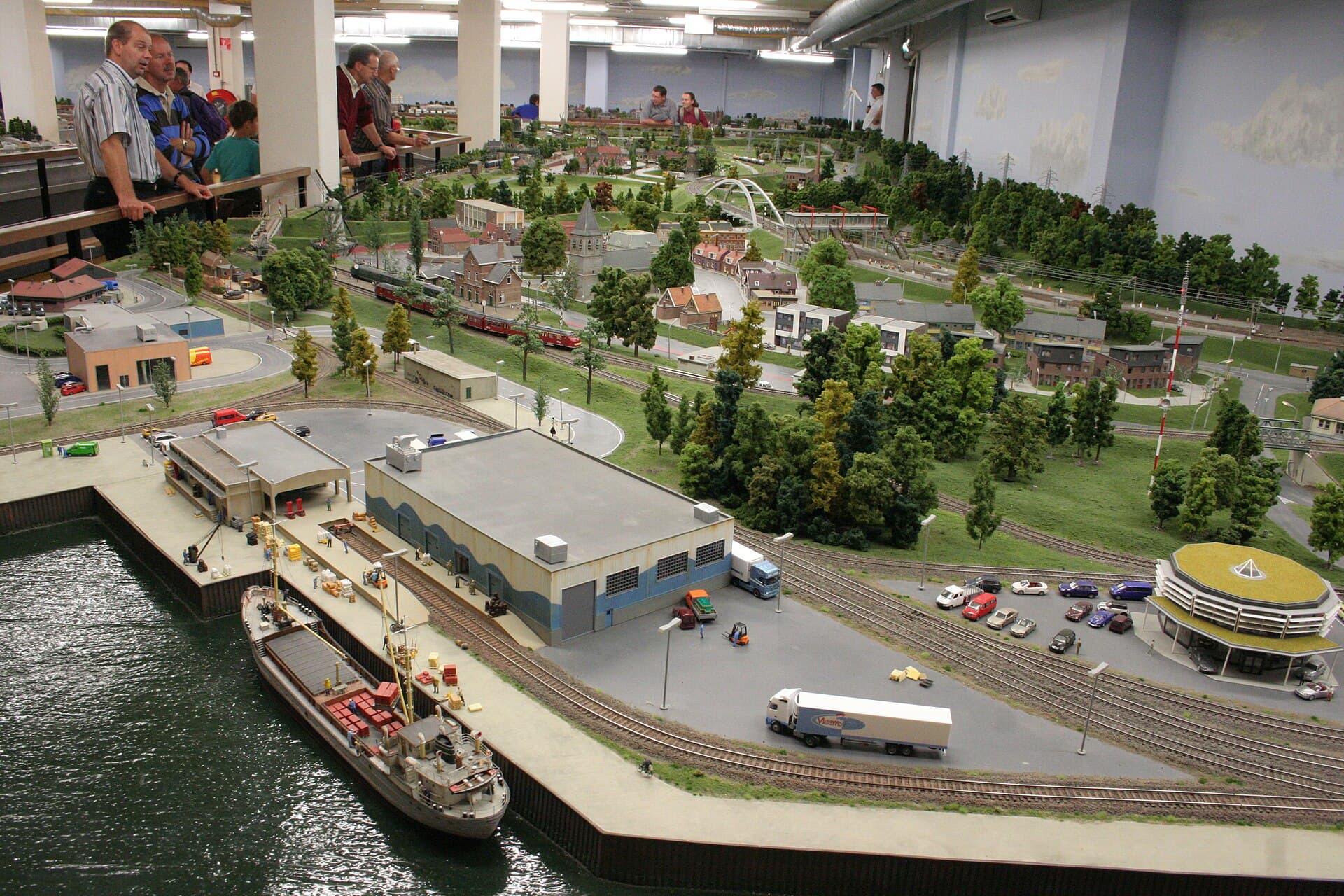 Miniworld RotterdamAll Holland at 1:87 under one roof: the Benelux's largest indoor miniature world14 minutes walk4.5
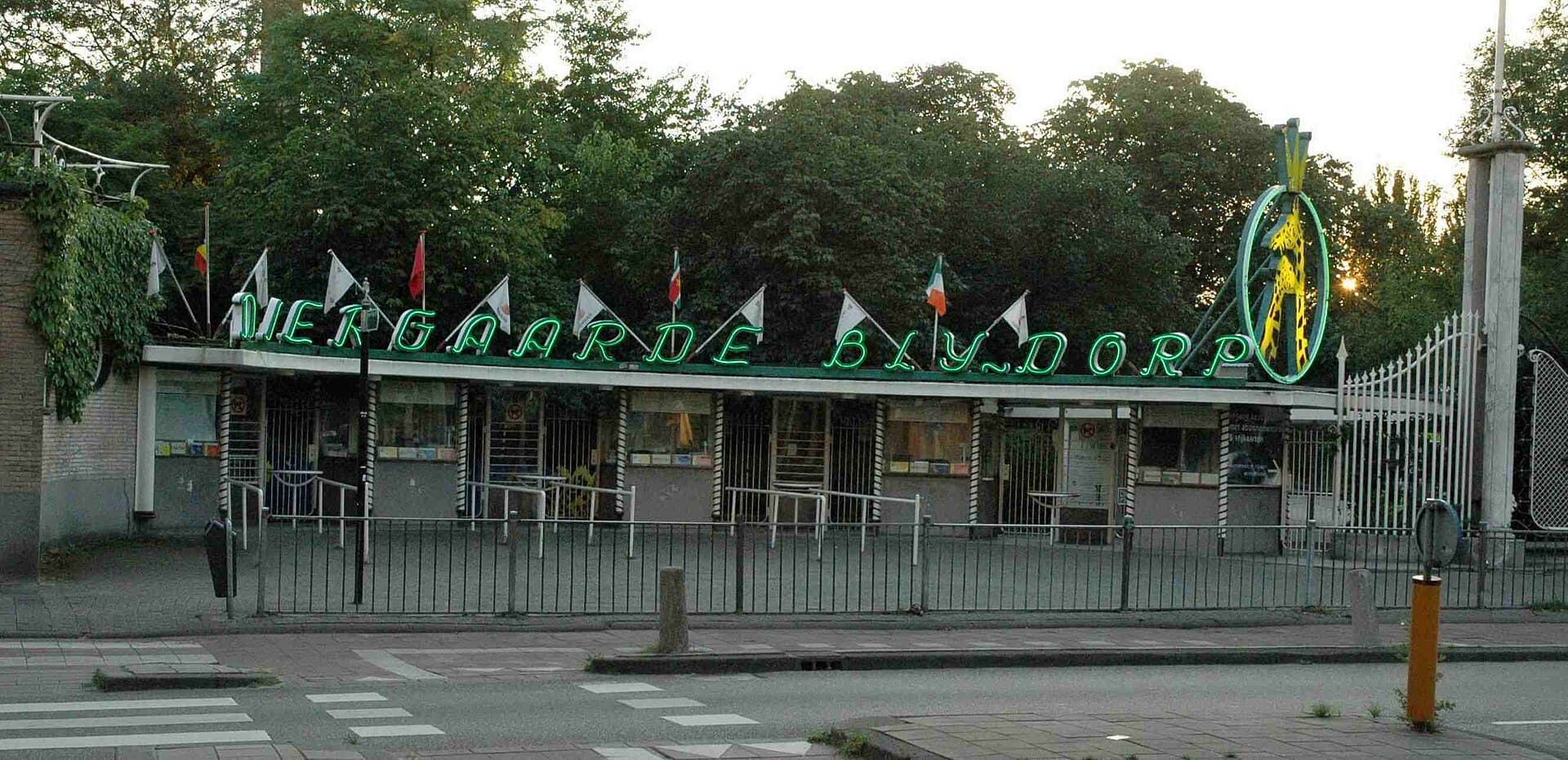 Blijdorp ZooRotterdam's venerable garden (1857) ranked among Europe's loveliest: Blijdorp is15 minutes walk4.5
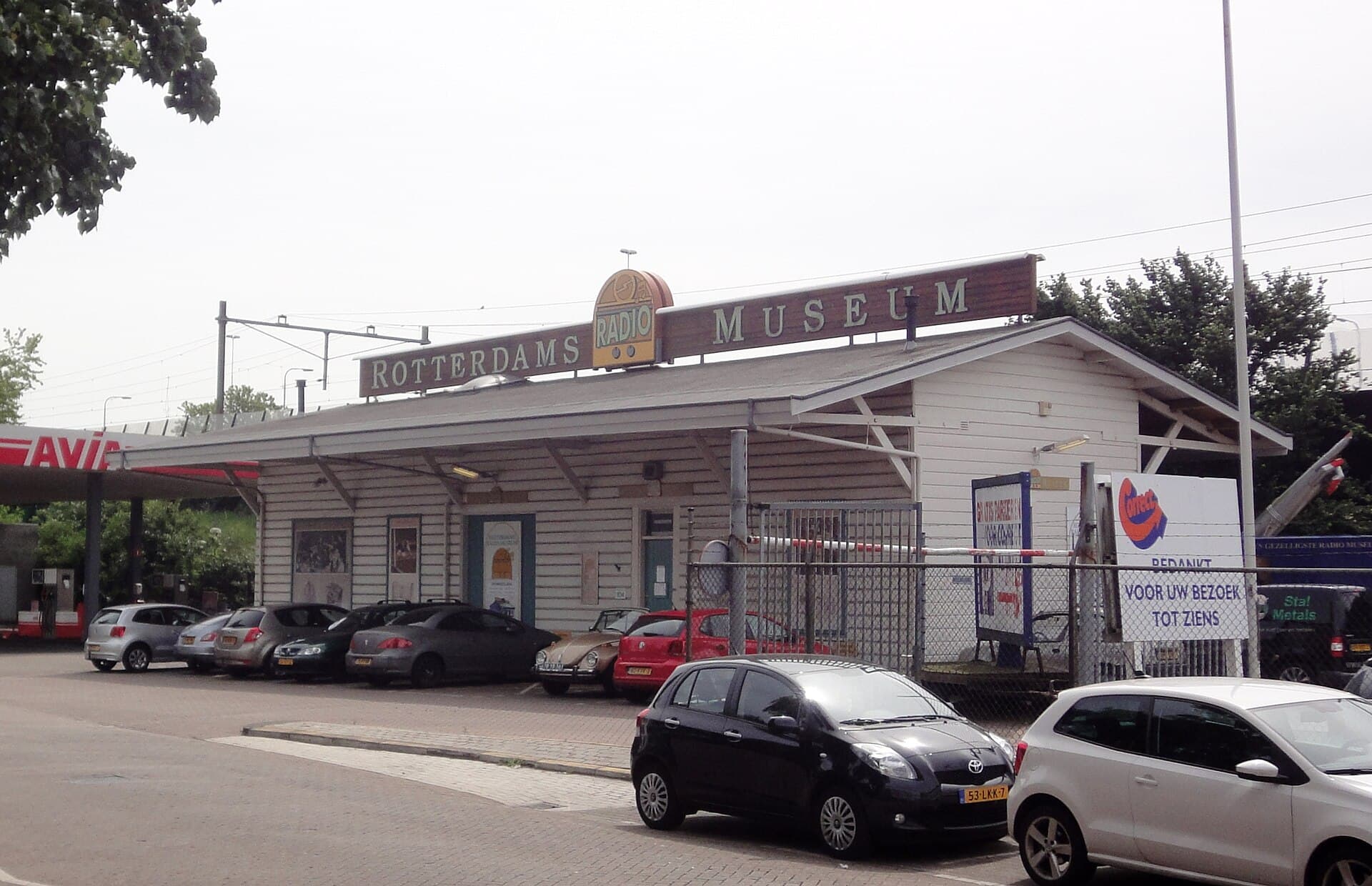 Rotterdam Radio MuseumA small museum devoted to the history of radio and broadcasting, showing hundred16 minutes walk4.5
Both are small volunteer-run technical museums in Rotterdam with complementary subjects: this one personal communication, the other broadcasting. If the field interests you, combine them — but check both sets of hours in advance, as they are narrow and may not align.
Technically minded teenagers yes, and the working machines hold attention. Young children less so, as the content depends on explanation and context. With a family in Rotterdam, the maritime museum or the working port itself are clearer choices.