
Working sets
Real reception from a ninety-year-old machine, not a silent exhibit.
Vera de Kok — CC BY-SA 4.0 · Nts2023 — CC0 · Stelaplex — CC BY-SA 3.0 · Stelaplex — CC BY-SA 3.0
A small museum devoted to the history of radio and broadcasting, showing hundreds of sets from the start of the twentieth century to recent decades. The subject matters more than it appears in the Netherlands specifically: Dutch companies were among the world's first radio manufacturers, and Europe's first regular broadcasting began in the Netherlands in the early 1920s. This is therefore not a hobbyist's museum but part of a national industrial history. The displays are large wooden receivers of the 1920s and 1930s, wartime equipment, transistor radios of the 1950s and 1960s, and studio gear. Many of the sets actually work, and that lifts the visit: you hear the real sound of a ninety-year-old machine rather than looking at it behind glass. This is a small volunteer-run specialist museum rather than a major institution. Its hours are very limited and it may open only a few days a week or by appointment. Check before going.
Real reception from a ninety-year-old machine, not a silent exhibit.
Europe's first regular broadcasting began in the Netherlands in the 1920s.
From huge 1920s wooden cabinets to pocket radios.
Rotterdam, outside the centre
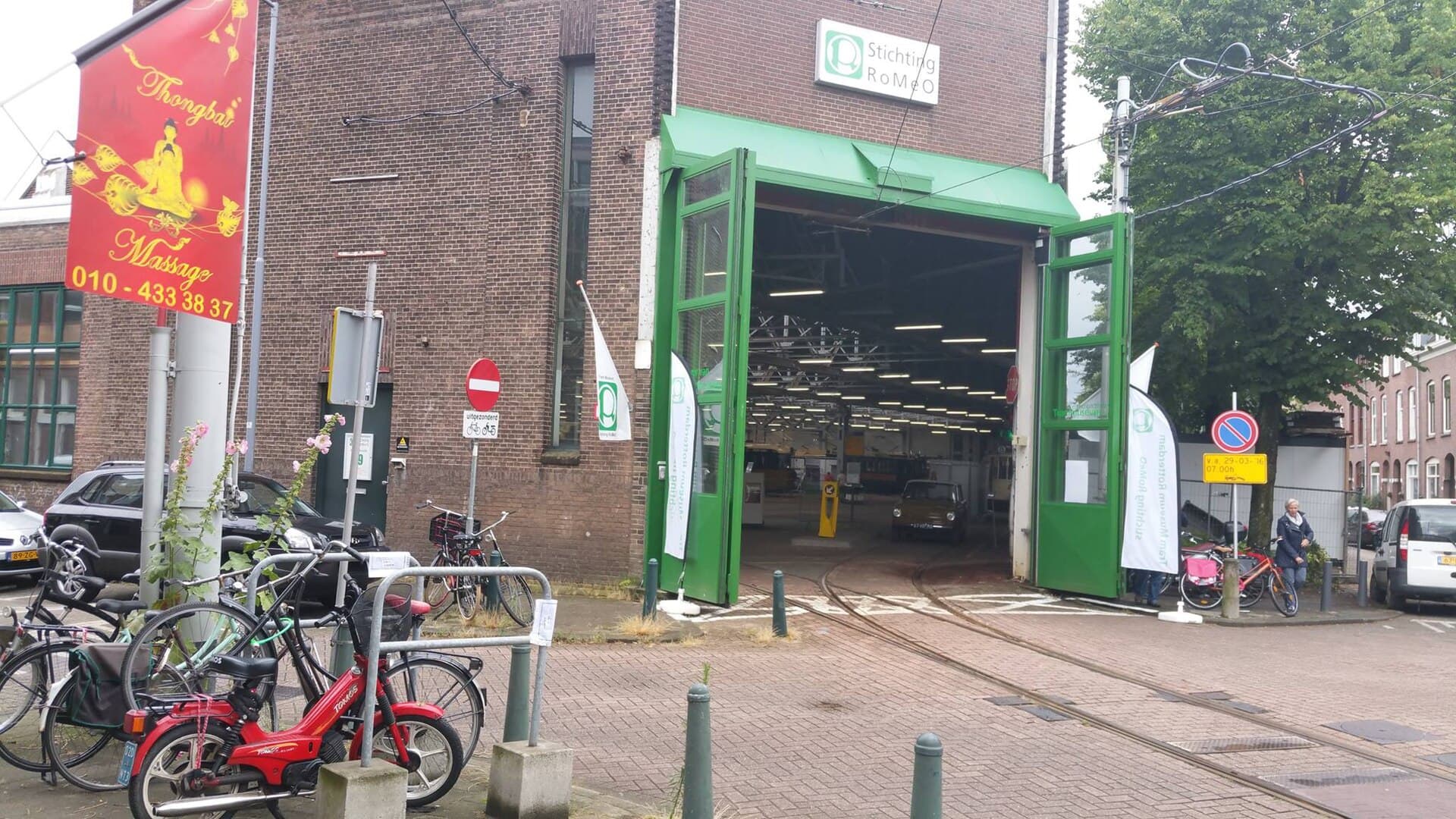 The Rotterdam Public Transport MuseumThe Rotterdam Public Transport Museum occupies a former tram depot north of the 5 minutes walk4.5
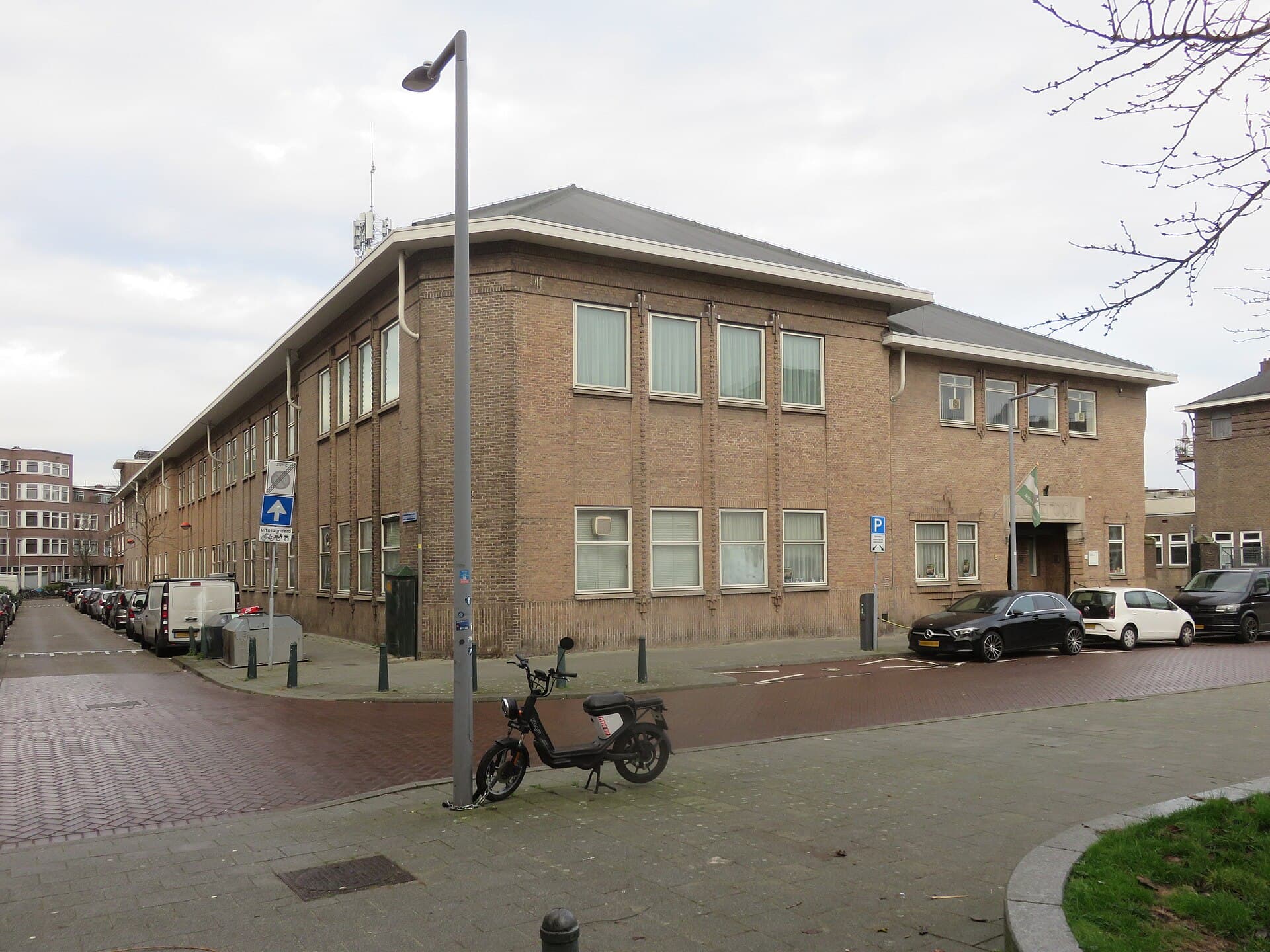 Houweling Telecom MuseumA museum of the history of telecommunications, showing a collection of telephone16 minutes walk4.6
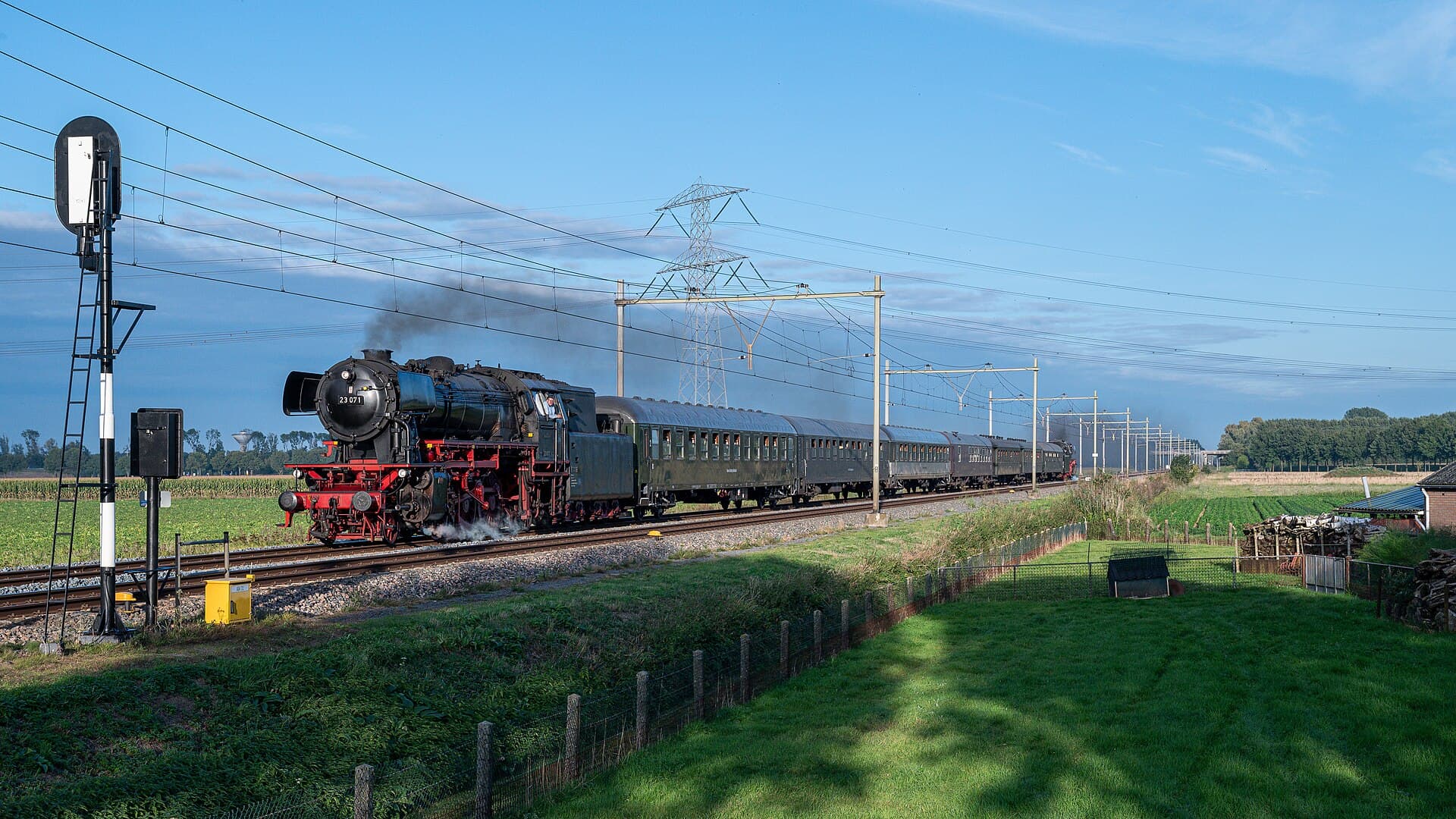 Stoom Stichting NederlandA volunteer society in Rotterdam that keeps steam locomotives and historic carri25 minutes walk4.5
For anyone interested in technology or industrial history yes, otherwise no. Rotterdam is a city of modern architecture and strong museums — Boijmans, the maritime museum, the cube houses — and those have the better claim on a short day. This is for a second visit or a specific interest.
Most likely yes. It is small and volunteer-run, and its hours may be limited to a few days or require a call. Do not rely on turning up unchecked, as the trip is wasted if you find it closed.