
Lotus ponds
In summer.
ScareCriterion12 — CC BY-SA 4.0 · そらみみ (Soramimi) — CC BY-SA 4.0 · Another Believer — CC BY-SA 4.0 · Accurimbono — CC BY-SA 4.0 · そらみみ (Soramimi) — CC BY-SA 4.0 · Zhangzhugang — CC BY-SA 4.0 · そらみみ (Soramimi) — CC BY-SA 4.0 · Zhangzhugang — CC BY-SA 4.0
Suzhou's largest and best-known garden, considered by many the finest in southern China, covering about 5.2 hectares in the heart of the old city; it is one of the Classical Gardens of Suzhou, a UNESCO World Heritage Site since 1997. It was created in 1513 by Wang Xianchen, an imperial envoy and poet of the Ming dynasty, who retired from office and gave it this modest name; it passed through many owners over the centuries, its parts changing and growing. The garden spreads over three sections around wide ponds covered with lotus in summer, crossed by zigzag bridges and dotted with pavilions, halls, covered walkways and sculpted rocks, so every window and turn reveals a new scene like a Chinese painting. Tickets are about CNY 80 from March to October and 70 the rest of the year, per visitor guides; daily numbers are capped, so book ahead with your passport. Come at opening time before the crowds; the Suzhou Museum is right next door.
In summer.
And pavilions.
Framing each view.
178 Northeast Street, Gusu District, Suzhou
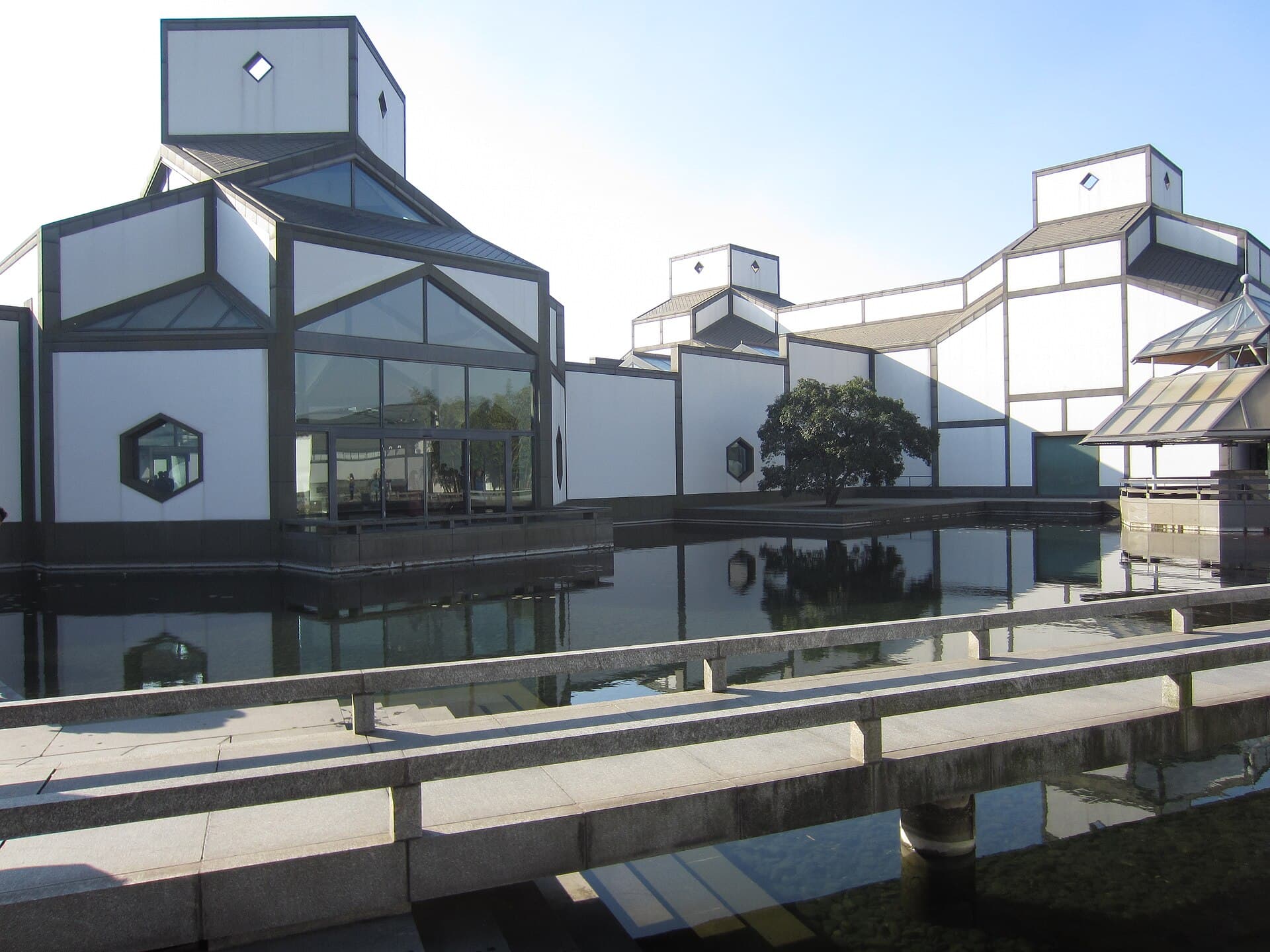 Suzhou MuseumOne of the world's most visited museums, with more than two million visitors in 2 minutes walk4.3
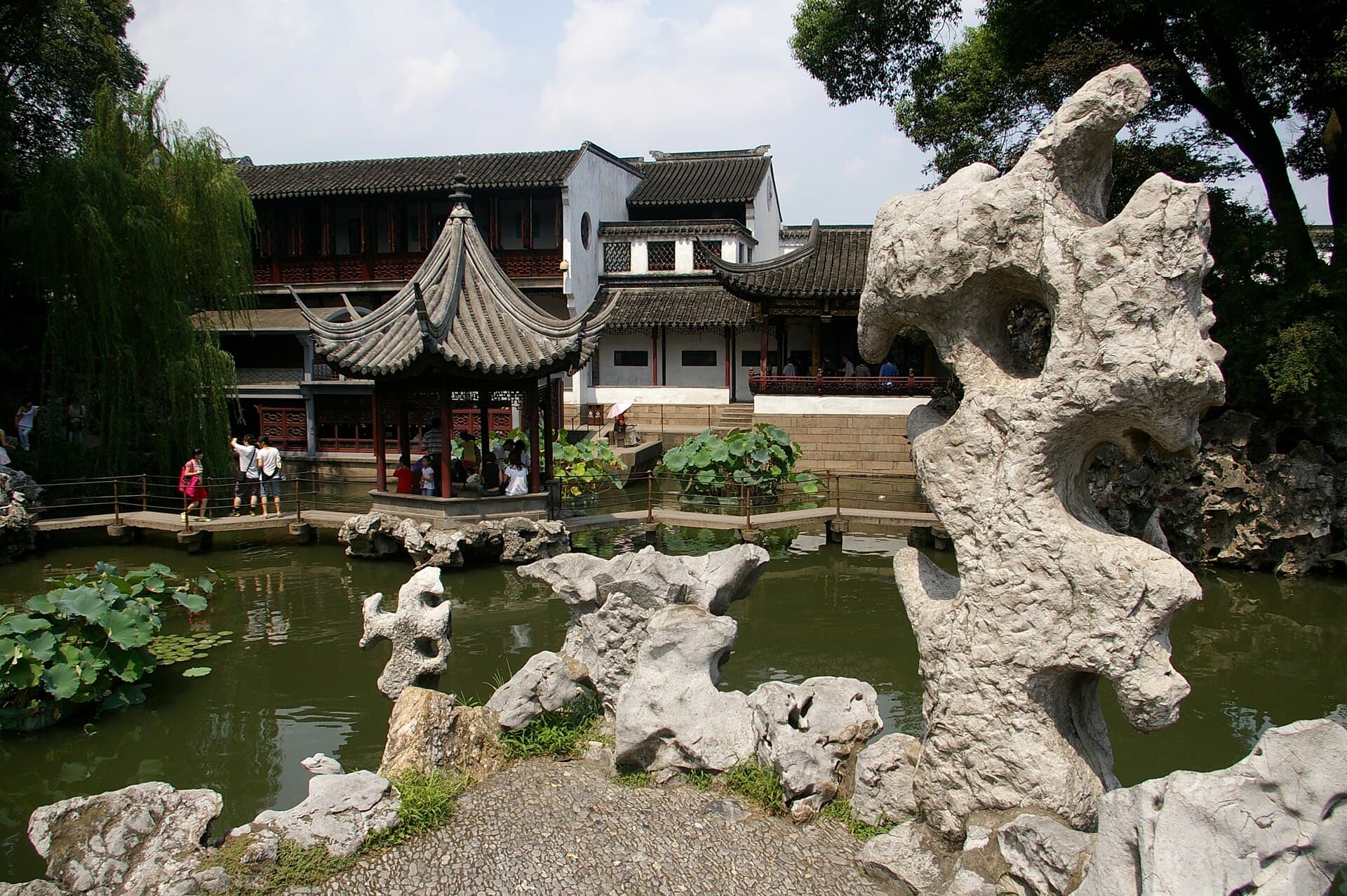 Lion Grove GardenA famous classical garden in old Suzhou, built in 1342 under the Yuan by a Buddh4 minutes walk4.4
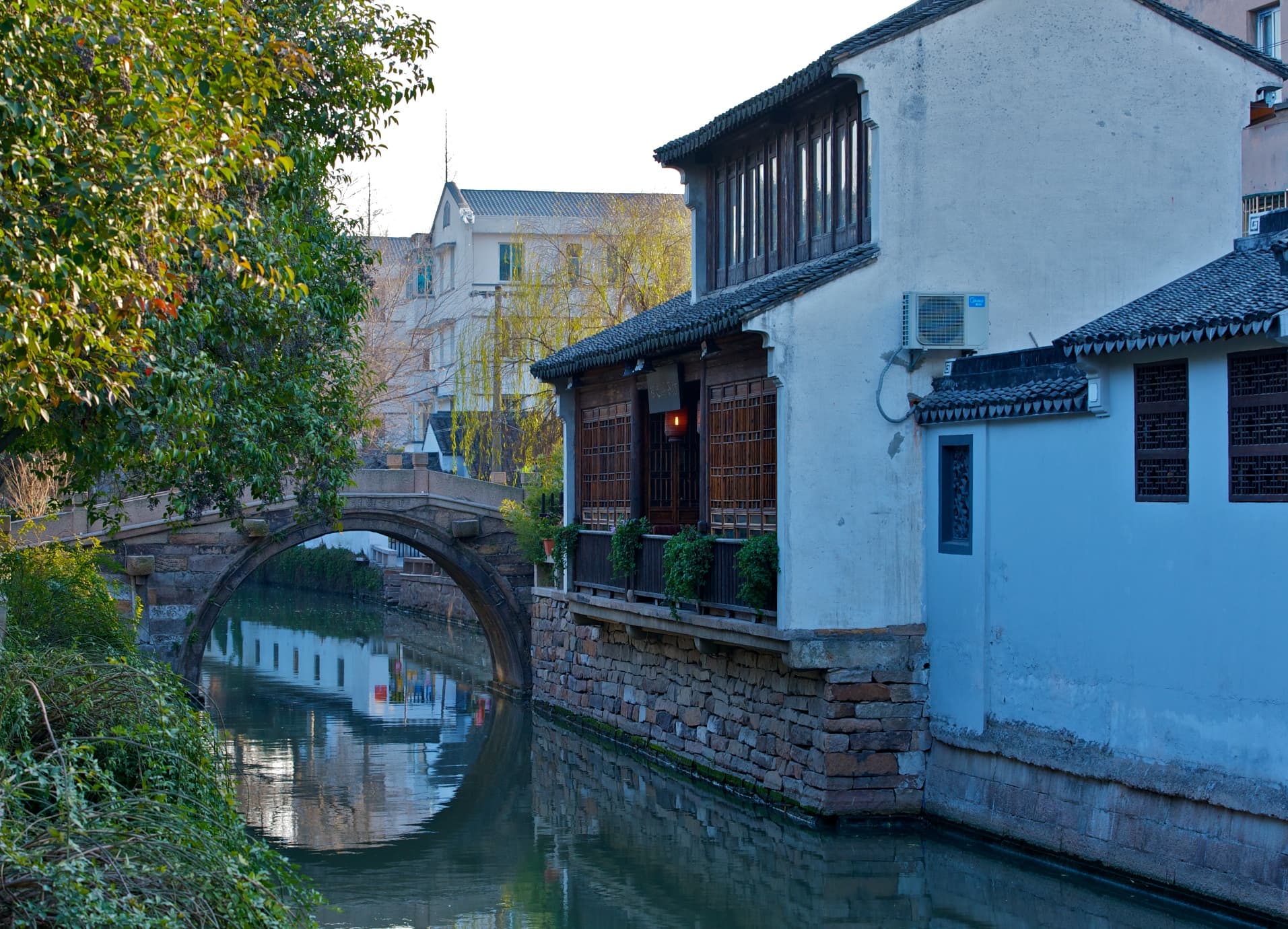 Pingjiang RoadOld Suzhou's loveliest street, running about 1,606 m along the Pingjiang canal t17 minutes walk4.4
About CNY 80 from March to October and 70 otherwise, per visitor guides; book ahead with your passport, as numbers are capped.