
Rock labyrinth
Paths and caves.
Jakub Hałun — CC BY-SA 4.0 · User:CatOnMars — CC BY-SA 4.0 · King of Hearts — CC BY-SA 4.0 · User:CatOnMars — CC BY-SA 4.0 · ykeiko — CC BY-SA 3.0 · 林高志 — CC BY-SA 4.0 · 林高志 — CC BY-SA 4.0 · User:CatOnMars — CC BY-SA 4.0
A famous classical garden in old Suzhou, built in 1342 under the Yuan by a Buddhist monk in honour of his teacher; it's known for the huge labyrinth of pitted Taihu rocks at its centre, said to look like lions, hence its name, and it's among the gardens on the World Heritage List. Narrow paths, small caves and steps up and down wind through the rock labyrinth, so visitors lose each other and meet again in a playful game; it's one of the finest surviving rock gardens in China. Around the labyrinth are a pond, pavilions, bridges and covered walkways, a pavilion shaped like a stone boat, and halls known for their coloured glass windows and fine decoration. Tickets are about CNY 40 in season and 30 off-season, per visitor guides. It's steps from the Humble Administrator's Garden and the Suzhou Museum, so take in all three on one walk.
Paths and caves.
On the pond.
In the halls.
23 Yuanlin Road, Gusu District, Suzhou
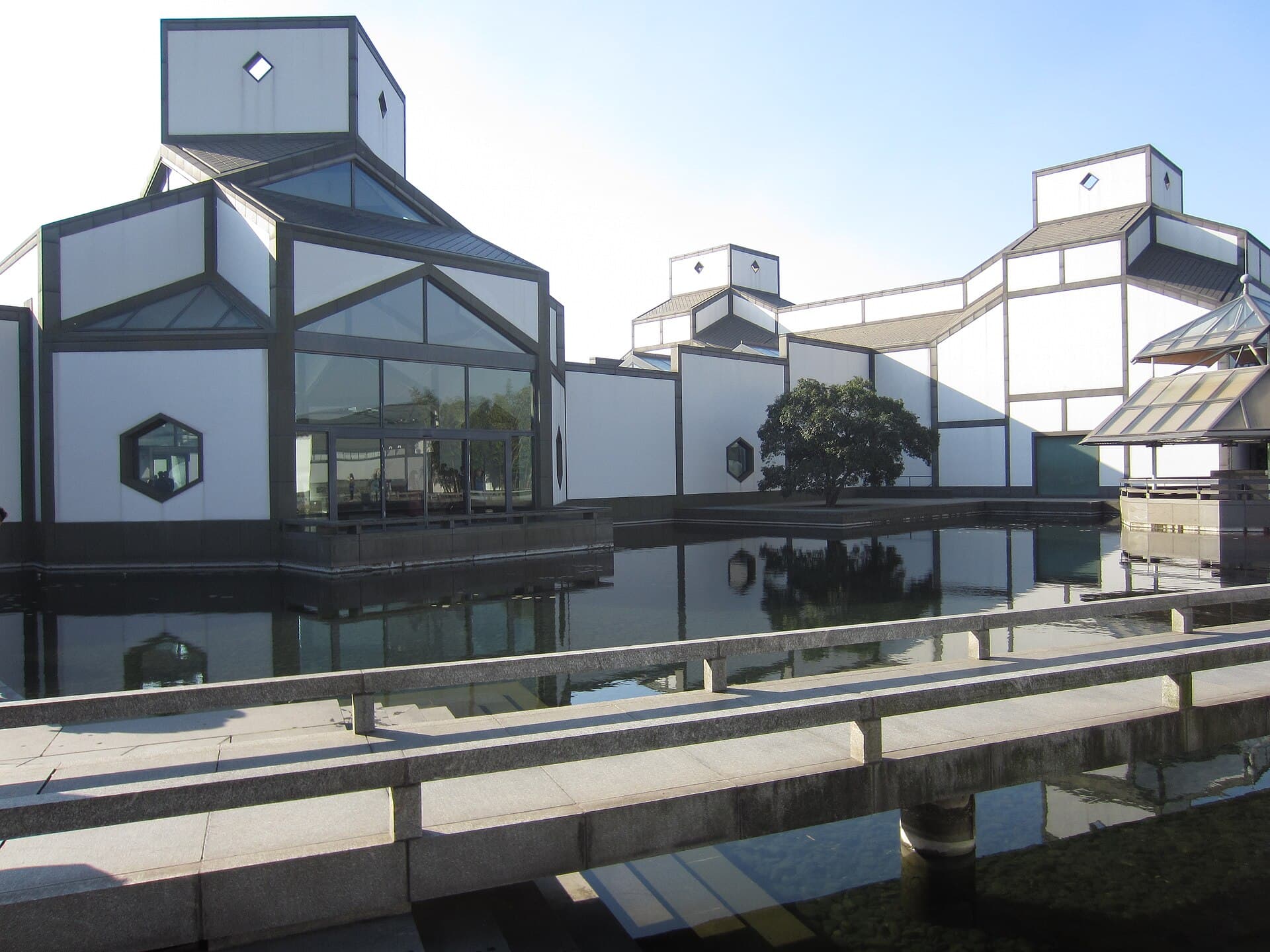 Suzhou MuseumOne of the world's most visited museums, with more than two million visitors in 3 minutes walk4.3
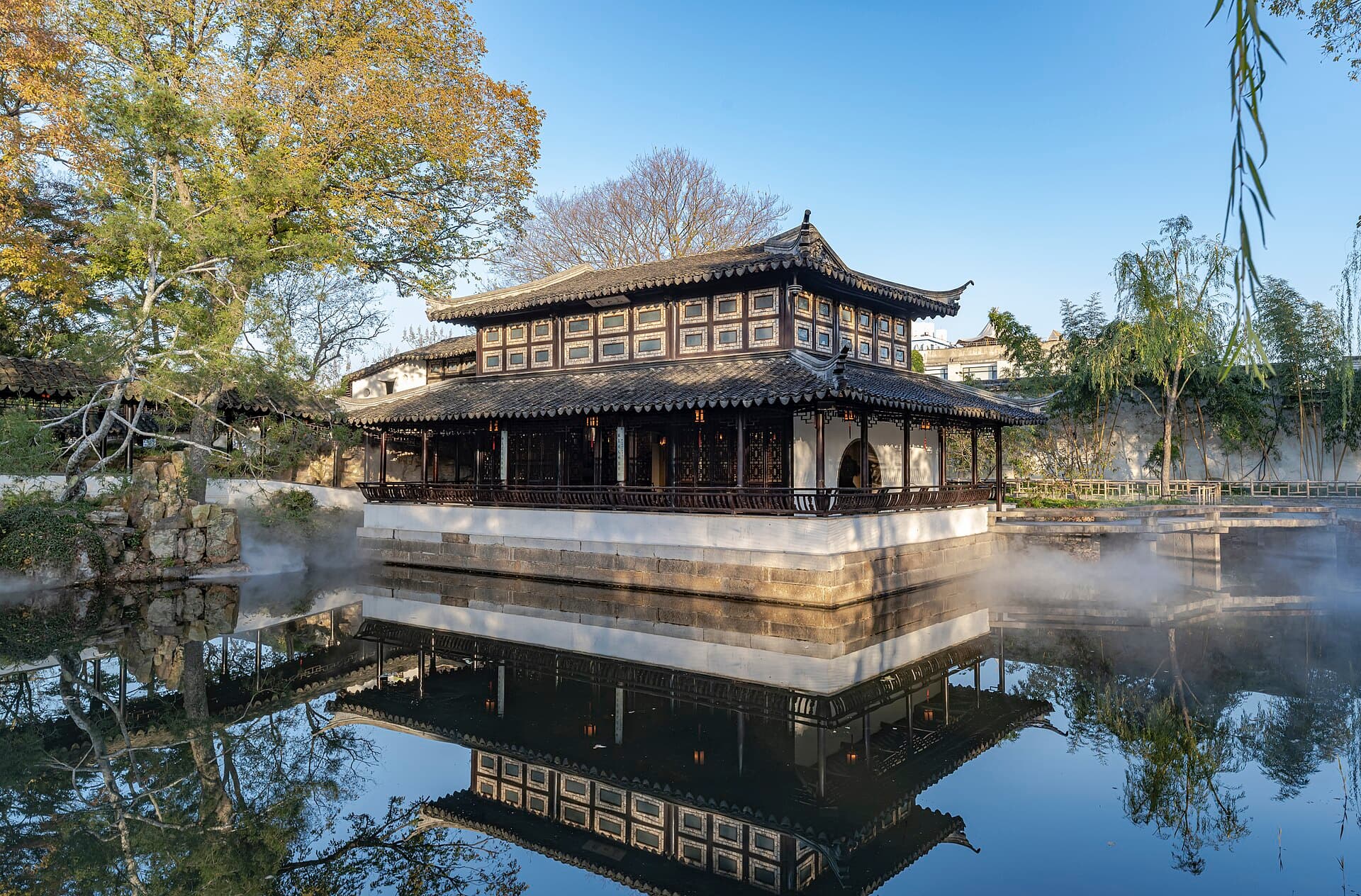 Humble Administrator's GardenSuzhou's largest and best-known garden, considered by many the finest in souther4 minutes walk4.3
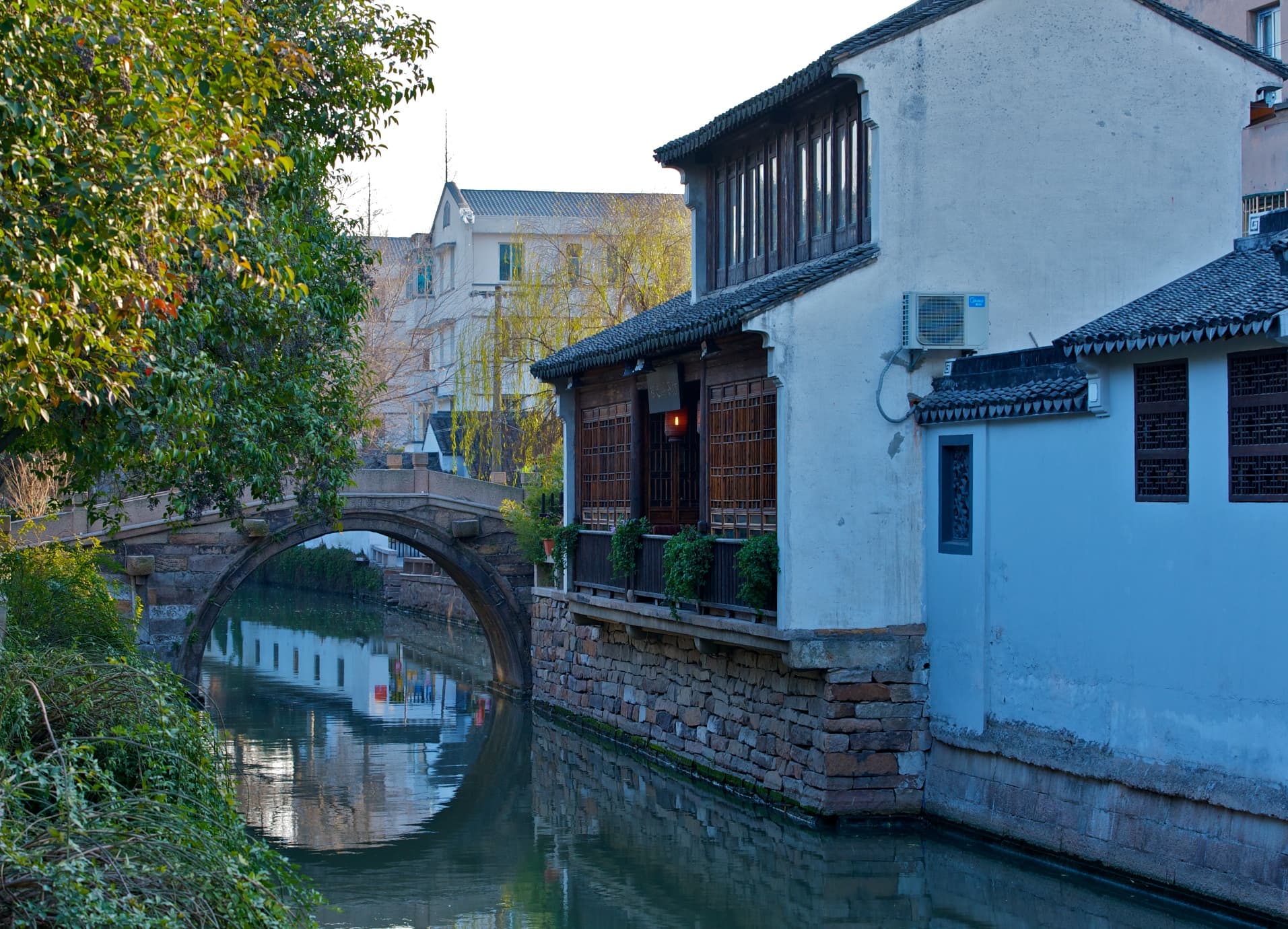 Pingjiang RoadOld Suzhou's loveliest street, running about 1,606 m along the Pingjiang canal t12 minutes walk4.4
Because the pitted Taihu rocks of its big labyrinth are said to look like lions; tickets are about CNY 40, per visitor guides.