
The mature trees
Limes and oaks among the city's oldest.
Øyvind Holmstad — CC BY-SA 4.0 · Arild Vagen — CC BY-SA 3.0 · acediscovery — CC BY 4.0
Humlegarden is a large public park in the affluent Ostermalm district, begun in the sixteenth century as a field for growing hops for the royal brewery — hence its name, the hop garden. It became a pleasure garden in the eighteenth century and opened to the public in 1869. Its distinction is its mature trees: rows of lime and huge oaks shading the walks, among the oldest in the city. At its centre stands a statue of Carl Linnaeus, the Swedish botanist who devised the system for naming living things still used worldwide — a logical placement, given the site began as a cultivated field. The Swedish National Library occupies a nineteenth-century building on its northern edge. The park is not a tourist sight but a residents' space: families, playgrounds, a summer cafe and lawns for sitting, and it is the best rest stop if you are shopping the surrounding Ostermalm streets.
Limes and oaks among the city's oldest.
The Swedish taxonomist at the park's centre.
Humlegarden, 114 46 Stockholm
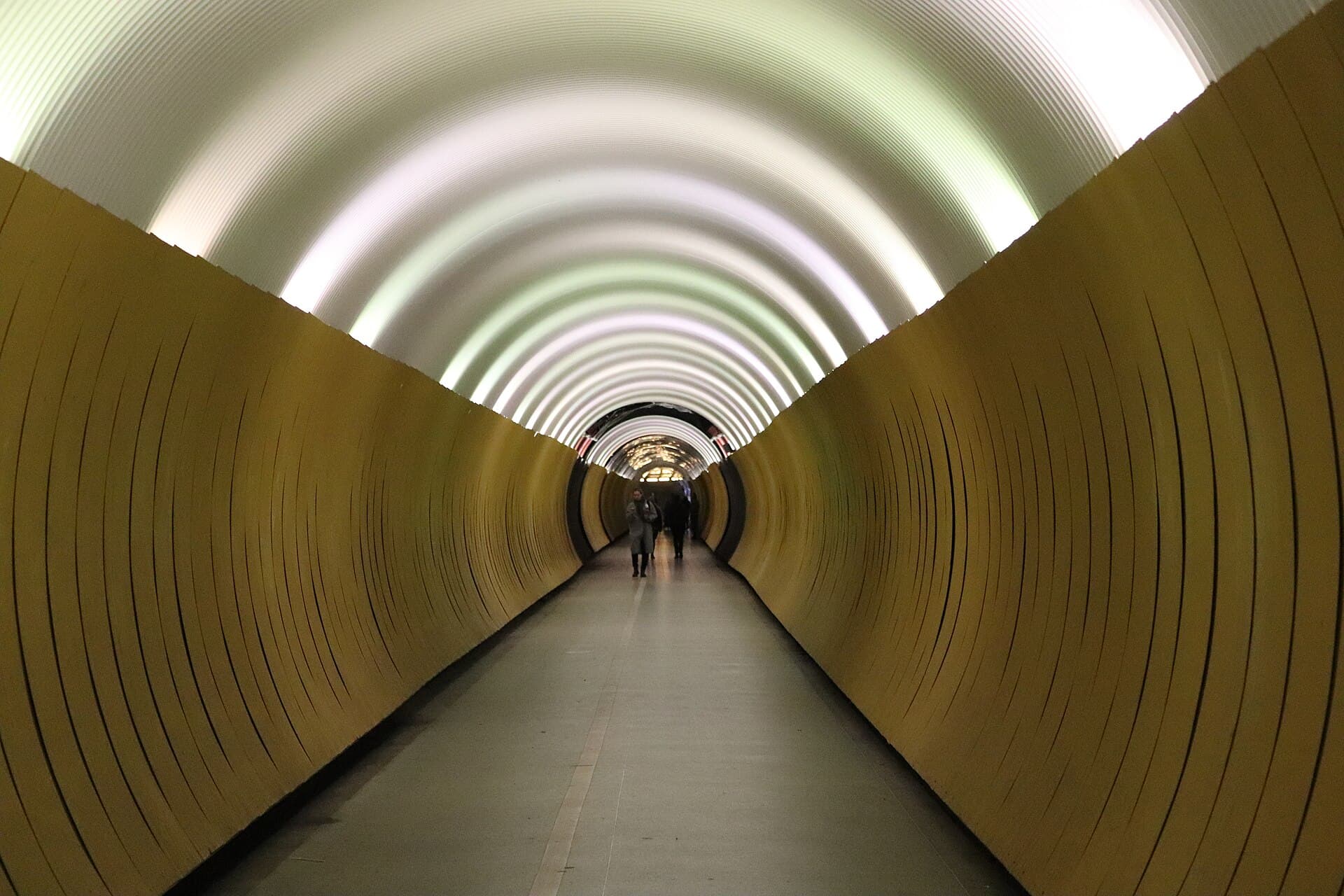 The Brunkeberg TunnelThe Brunkeberg Tunnel is a pedestrian passage cut beneath Brunkeberg ridge in ce7 minutes walk4.0
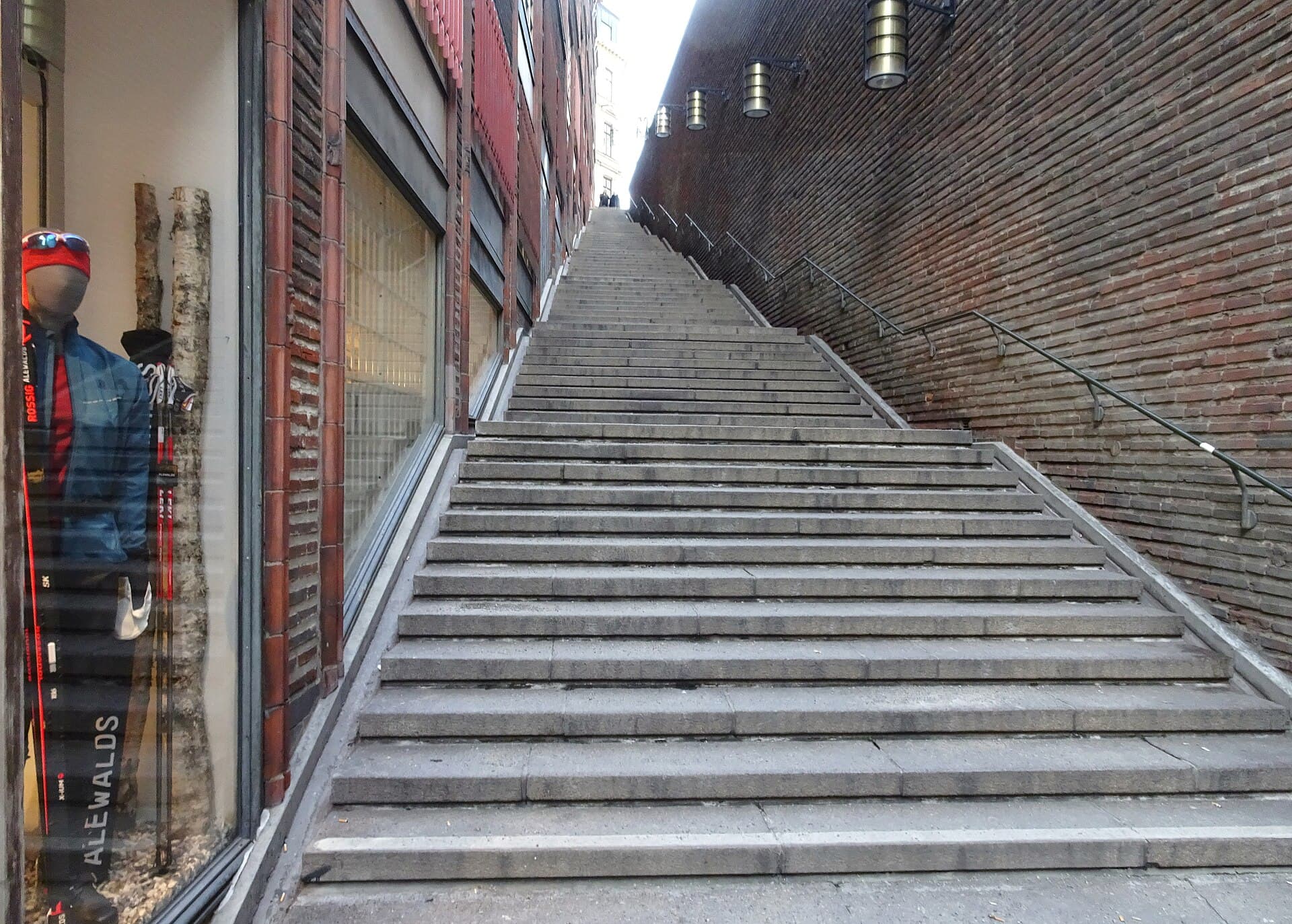 MalmskillnadstrappanA stone stairway in central Stockholm linking the elevated Malmskillnadsgatan wi7 minutes walk4.2
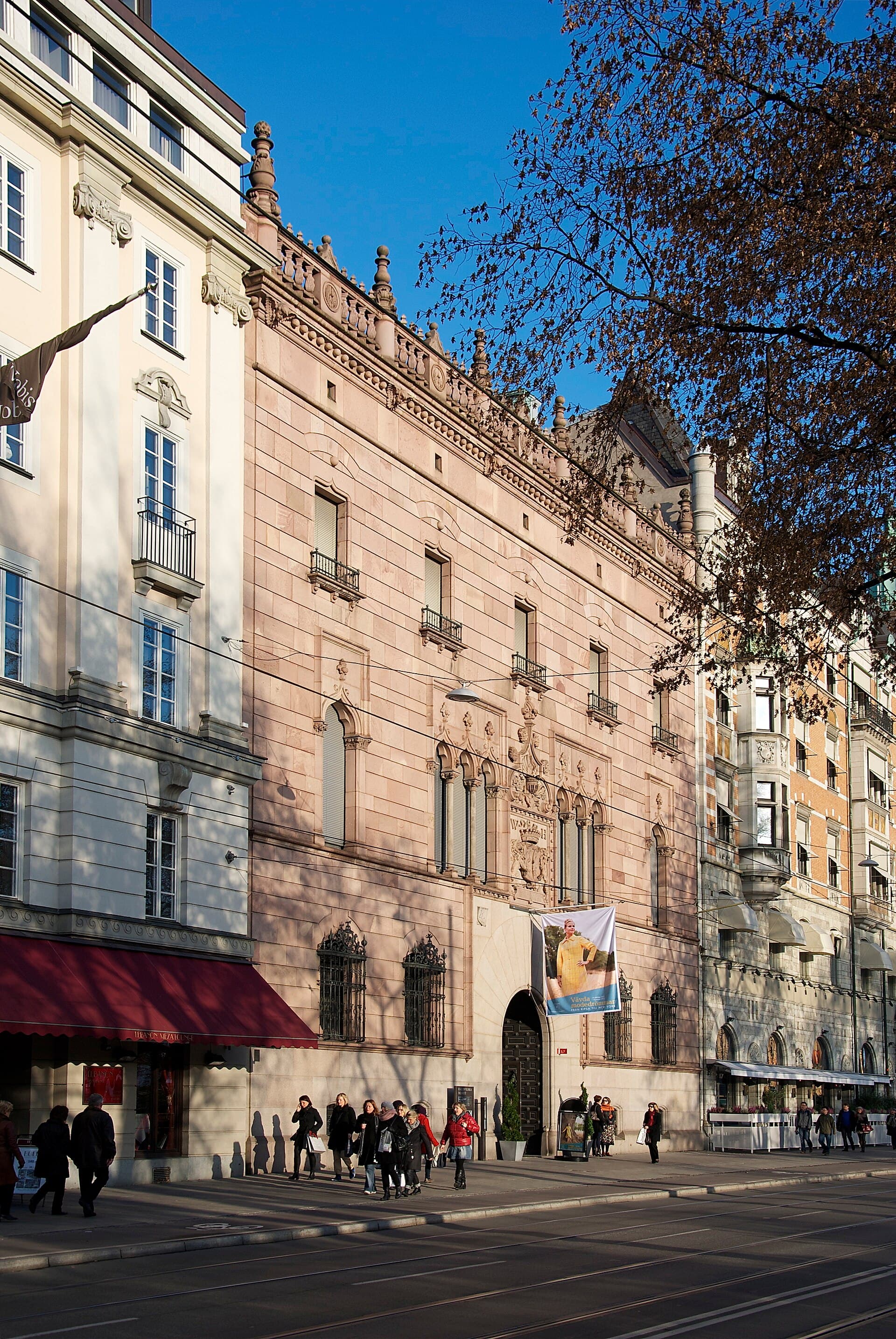 The Hallwyl MuseumThe Hallwyl Museum is a private late-nineteenth-century town palace left exactly9 minutes walk4.6
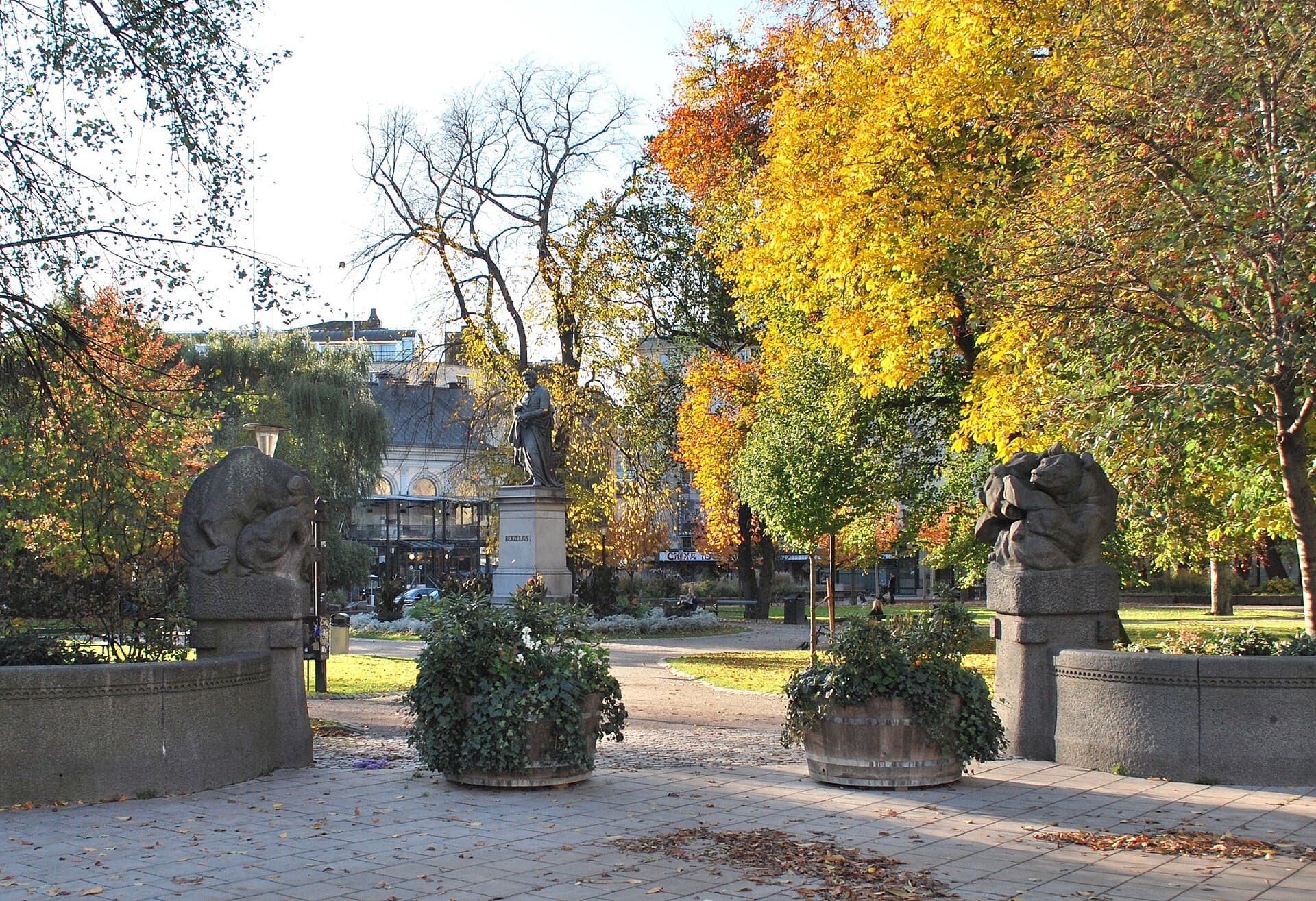 Berzelii ParkBerzelii Park is a small park in central Stockholm between Nybroplan and Hamngat10 minutes walk4.4
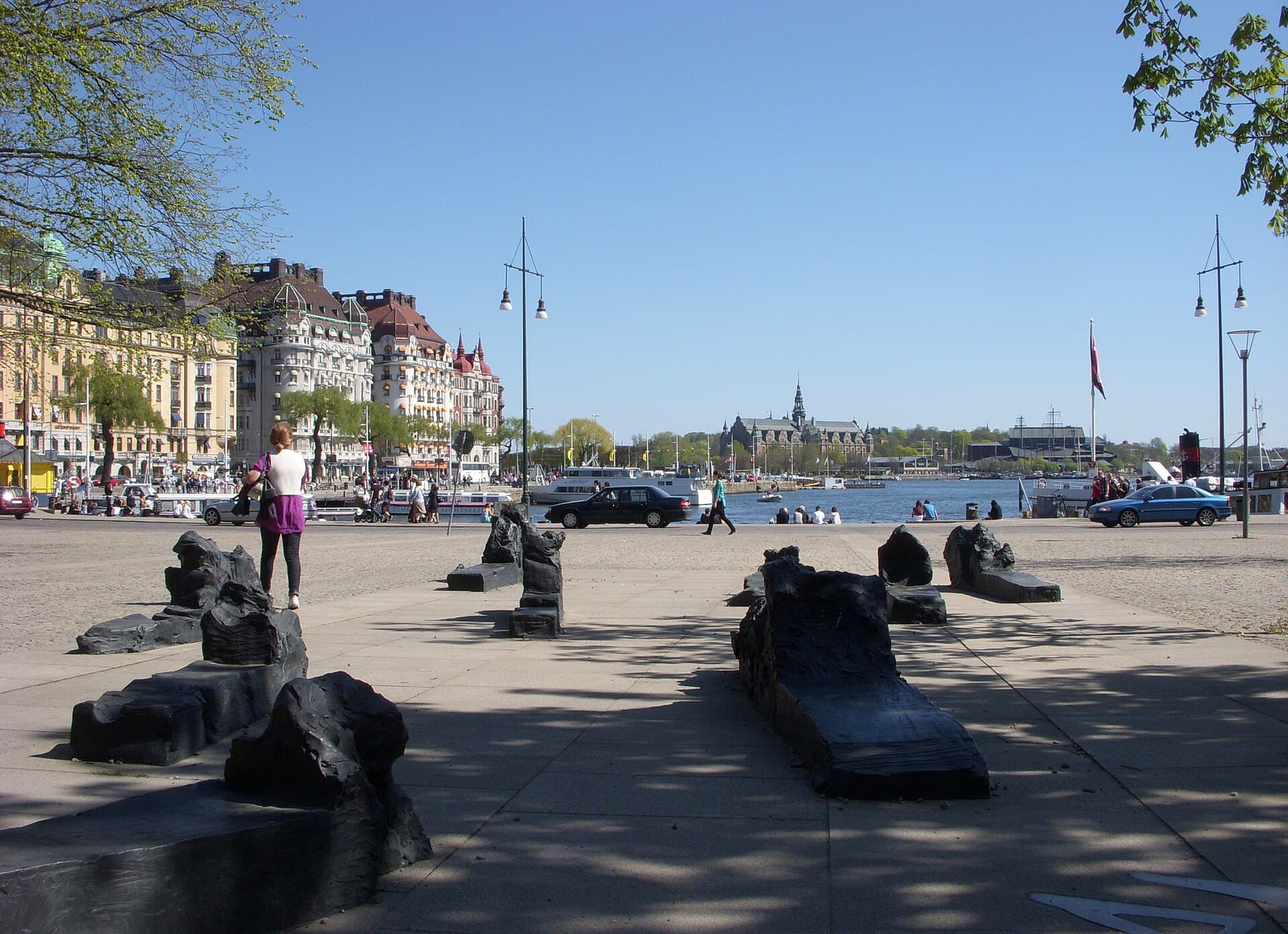 Raoul Wallenbergs torgA small square on the water in central Stockholm, named after Raoul Wallenberg a10 minutes walk4.3
Treat it as a break rather than a destination: it is minutes from Biblioteksgatan, the covered Ostermalm market hall and the district's shops, so it suits half an hour's sitting between activities. With children, the playground at its southern end is among central Stockholm's best and justifies the stop on its own.