
A city on levels
Stockholm is built on uneven rock — the stair explains its terrain.
Holger.Ellgaard — CC BY-SA 4.0 · Holger.Ellgaard — CC BY-SA 4.0 · Holger.Ellgaard — CC BY-SA 4.0 · Daniel from Glasgow, United Kingdom — CC BY 2.0
A stone stairway in central Stockholm linking the elevated Malmskillnadsgatan with Kungsgatan below it. Its existence explains something about the city's terrain: Stockholm is built on rock of uneven height and its streets do not all sit on one level. In the centre in particular one street runs above another, and stairs and bridges are what connect them. This is not the flat city it appears in photographs. The stair itself is plain: a stone route between walls taking a few minutes. There is nothing in it to visit. Its value is purely practical: if you are walking central Stockholm this is a genuine shortcut between two levels and saves you a long way round. From the top there is a brief view over Kungsgatan, one of the city's main shopping streets, which ends at the Kungstornen — twin 1920s towers that were Europe's first skyscrapers. Free and always open.
Stockholm is built on uneven rock — the stair explains its terrain.
It saves a long way round if you are walking the centre.
From the top you see Kungsgatan ending at Europe's first skyscrapers.
Between Malmskillnadsgatan and Kungsgatan, central Stockholm
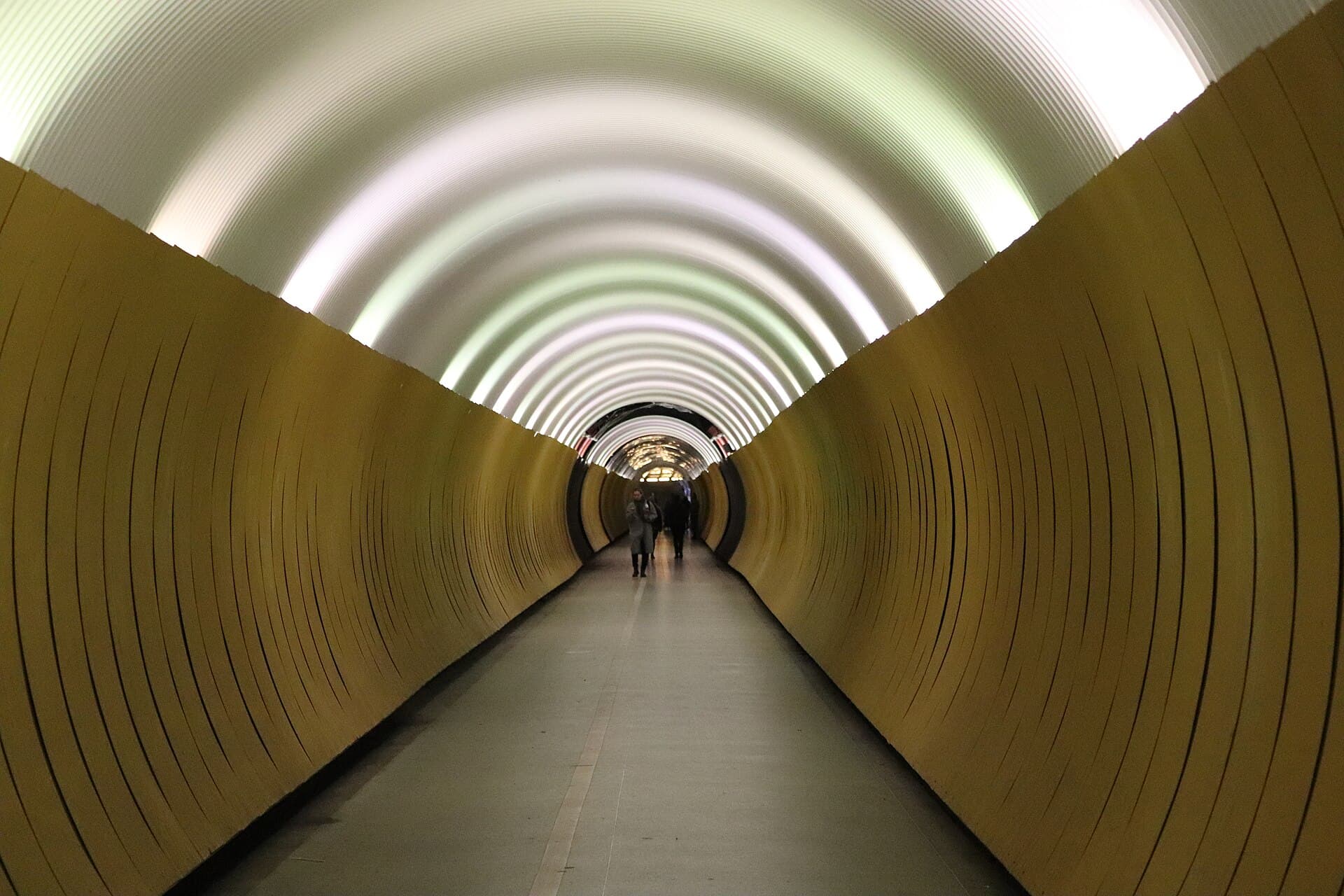 The Brunkeberg TunnelThe Brunkeberg Tunnel is a pedestrian passage cut beneath Brunkeberg ridge in ce1 minute walk4.0
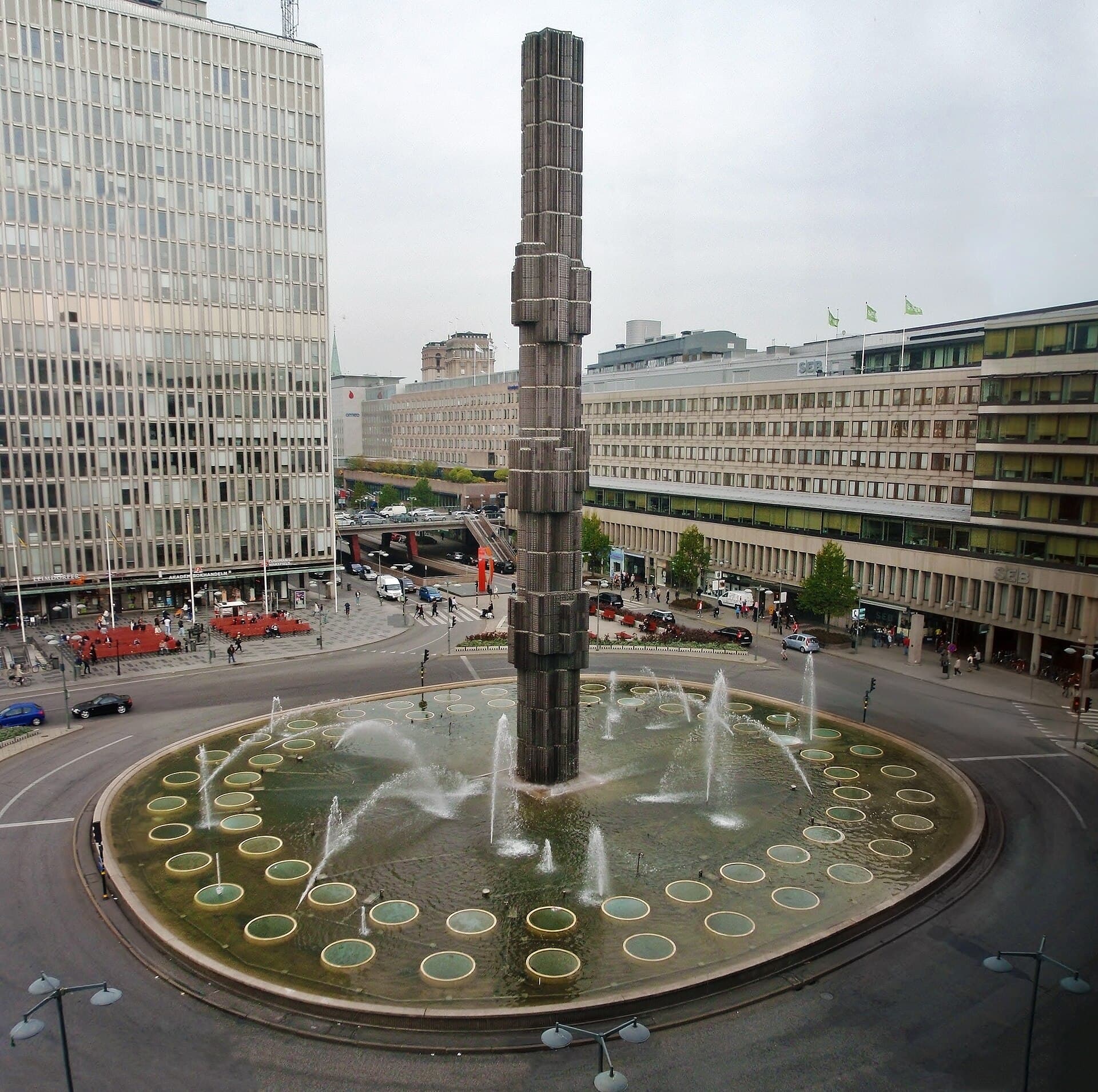 Sergels TorgSergels Torg is the heart of modern Stockholm and the exact opposite of Gamla St5 minutes walk4.2
 Kulturhuset StadsteaternA cultural centre and city theatre in a glass building on Sergels torg in centra5 minutes walk4.2
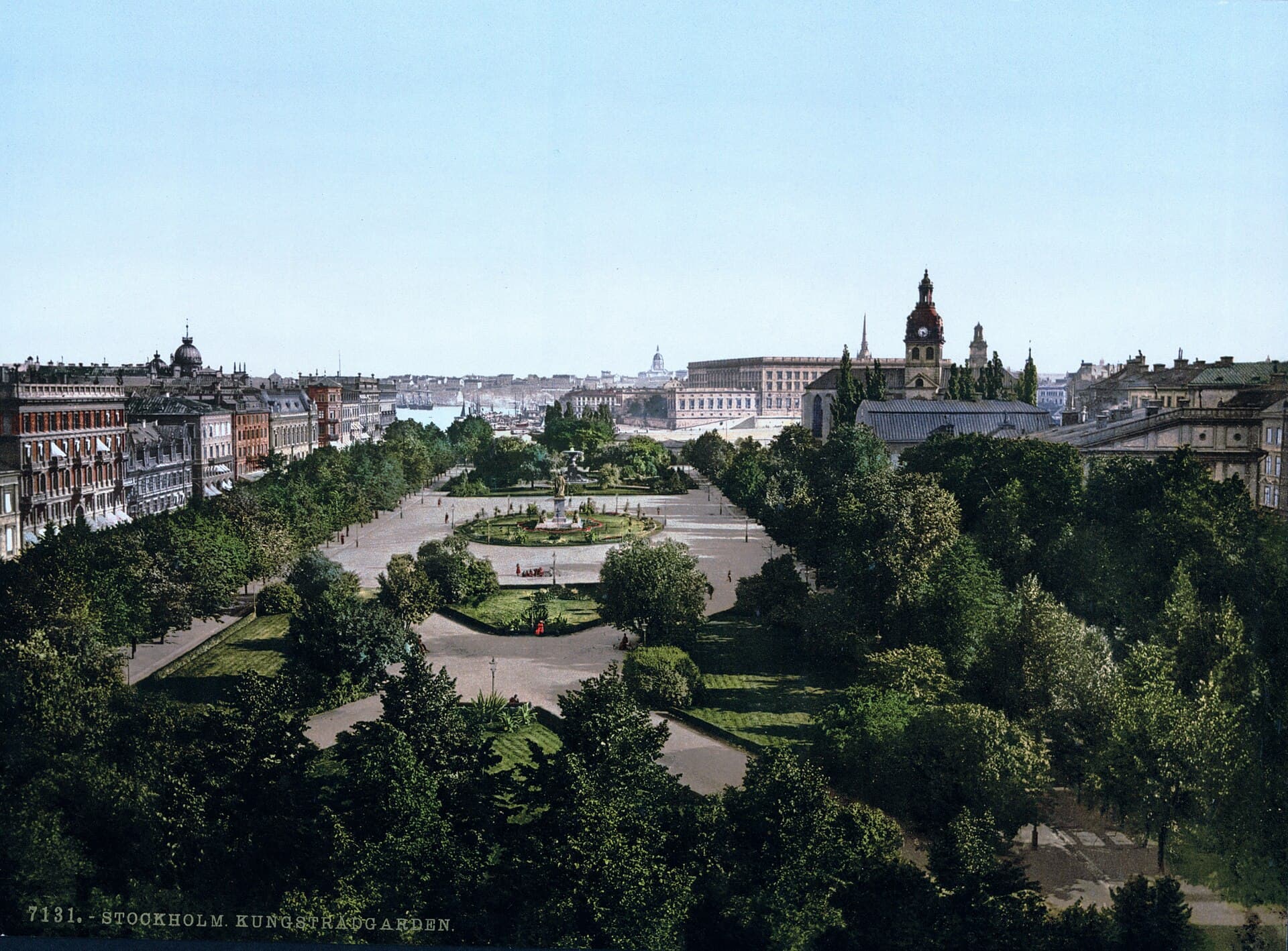 Kungstradgarden (The King's Garden)Kungstradgarden is a long rectangular square in the heart of commercial Stockhol7 minutes walk4.6
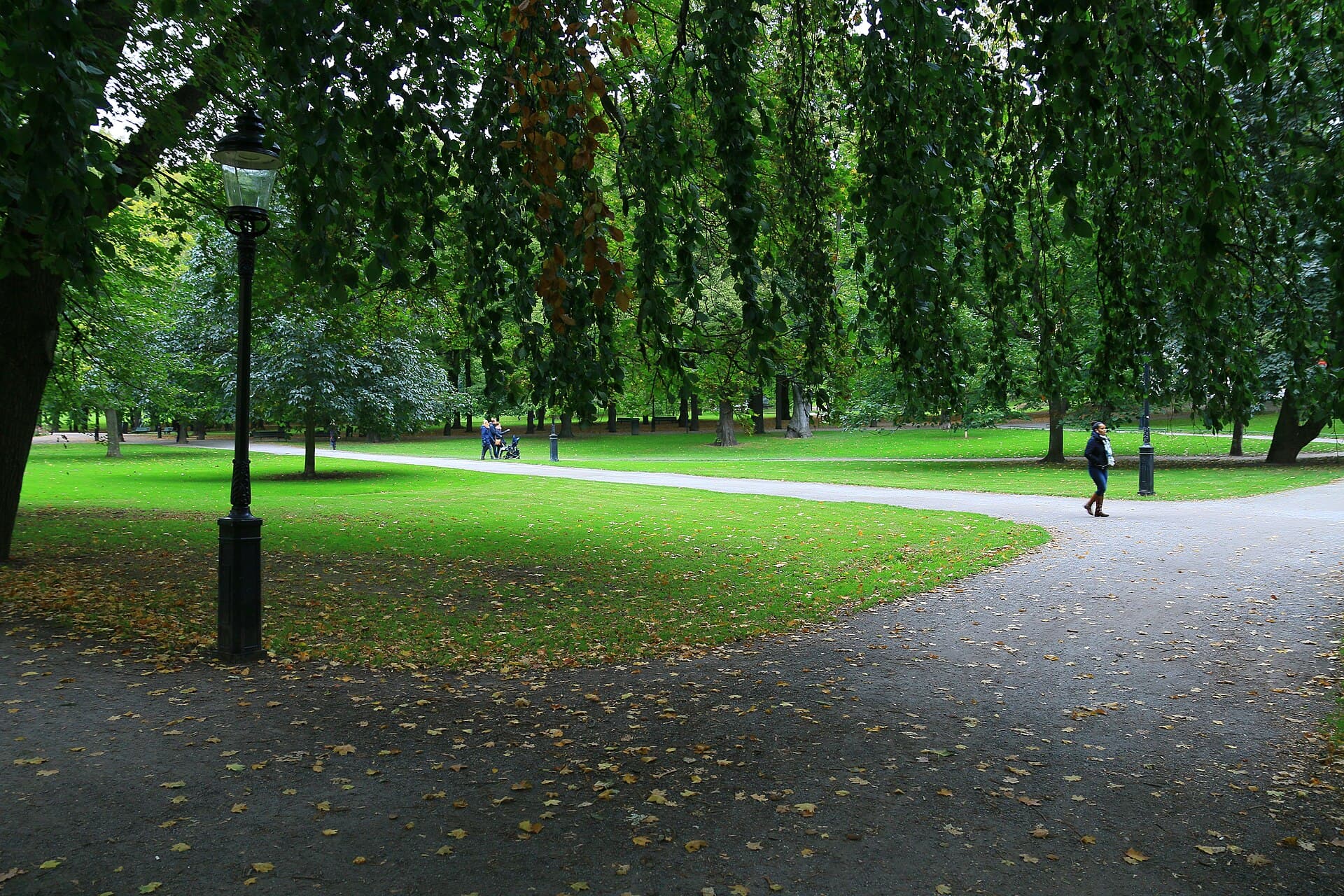 HumlegardenHumlegarden is a large public park in the affluent Ostermalm district, begun in 7 minutes walk4.4
Because much of what is searched for in Stockholm is a waypoint rather than a monument, and because the stair explains something real about the city: that it is built on levels and walking it is not flat. The page says plainly that it is not a destination — which is more useful than pretending otherwise.
Twin towers on Kungsgatan built in the 1920s, considered Europe's first skyscrapers in the American sense of the word. They stand on either side of the street linked by a bridge, and are emblems of modern Stockholm.