
The National Theatre
Neo-Renaissance with the Ganymede fountain.
FOTO:Fortepan — ID 96096: Adományozó/Donor: Schermann Ákos. — Public domain · FOTO:Fortepan — ID 96097: Adományozó/Donor: Schermann Ákos. — Public domain · FOTO:Fortepan — ID 96083: Adományozó/Donor: Schermann Ákos. archive copy at the Wayback Machine — Public domain · Wizzard — CC BY-SA 4.0
The elegant promenade between the old town and the river: Hviezdoslav Square is a long tree-lined rectangle that was once the city's moat, filled in during the nineteenth century and turned into a park — named for Slovakia's greatest poet, whose statue stands at its centre. At its eastern end is the Slovak National Theatre (1886) with its Neo-Renaissance front and the Ganymede fountain before it, and along its length run cafés, embassies and historic hotels — with a statue of Hans Christian Andersen, who visited and loved the city, and benches under the trees. This is where the city beats in the evening: street musicians, seasonal markets, summer festivals and a second Christmas market in December. From its western end the bridge and river are minutes away, from its eastern the Main Square.
Neo-Renaissance with the Ganymede fountain.
The Danish writer who loved the city.
Hviezdoslavovo námestie, Bratislava
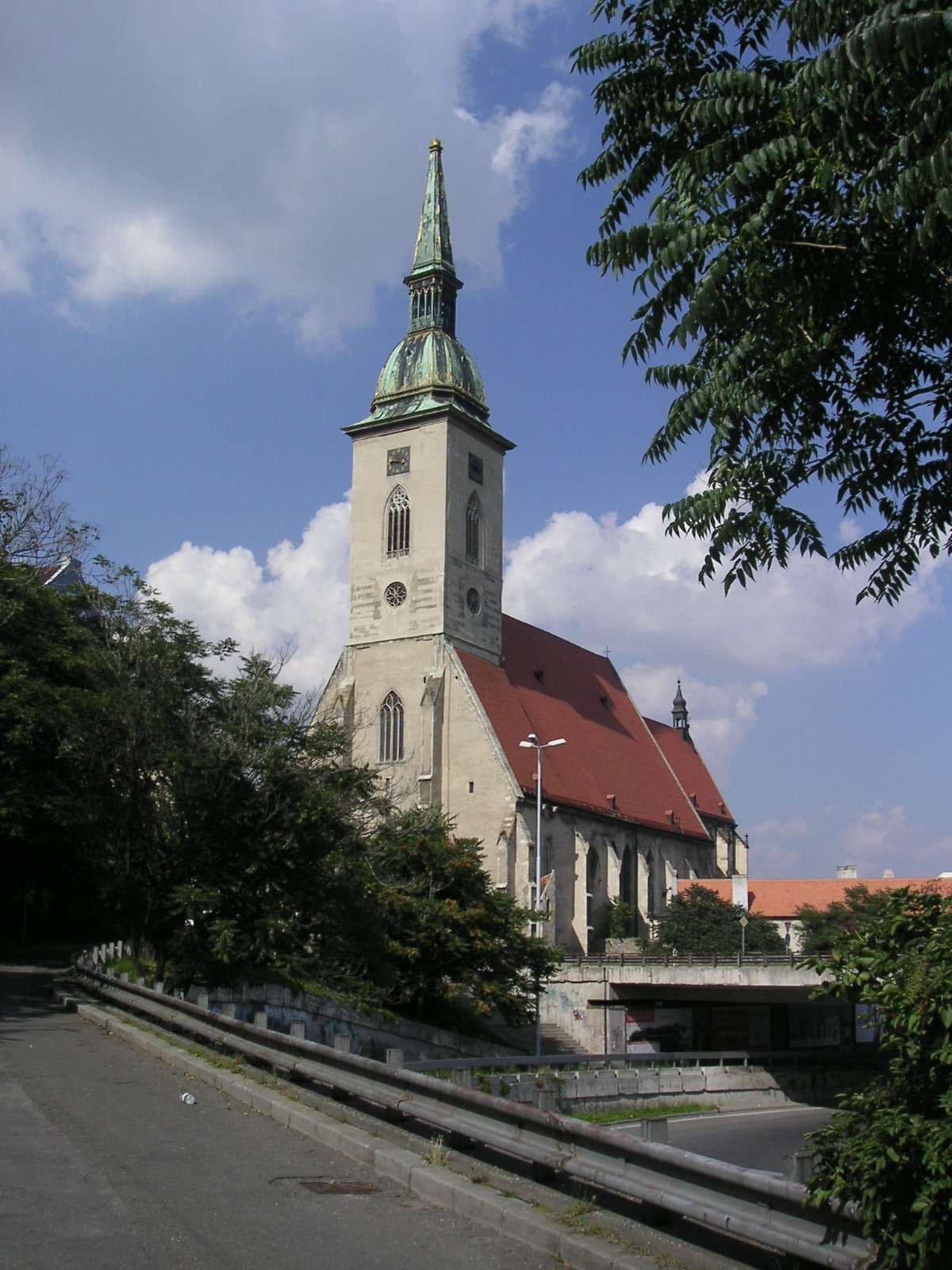 St Martin's CathedralThe coronation church of Hungary's kings for three centuries: the Gothic cathedr2 minutes walk4.7
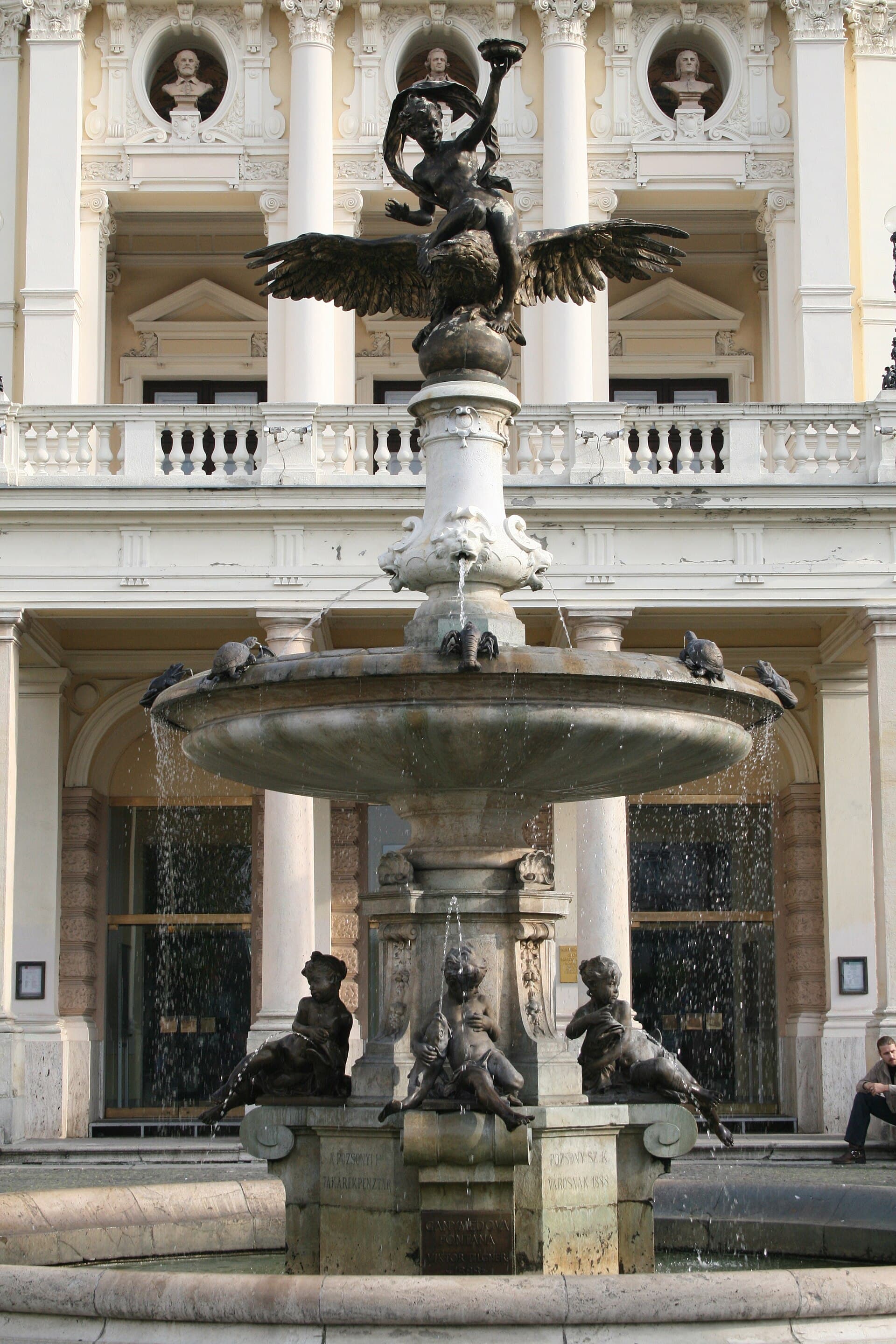 Ganymede's FountainA bronze fountain in front of Bratislava's **historic Opera House**, unveiled in3 minutes walk4.7
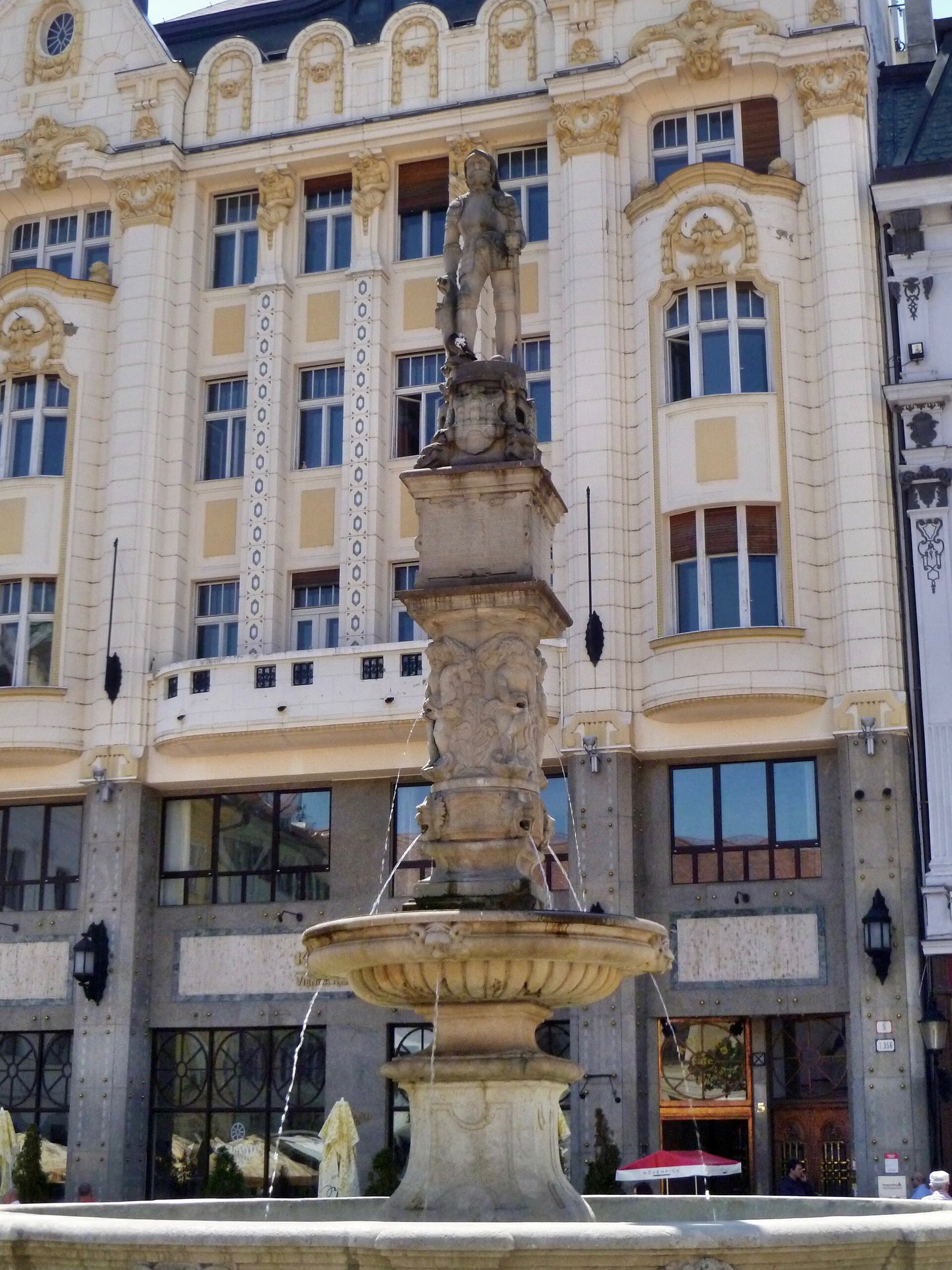 Roland's FountainThe oldest fountain in Bratislava, standing at the centre of the Main Square sin3 minutes walk4.7
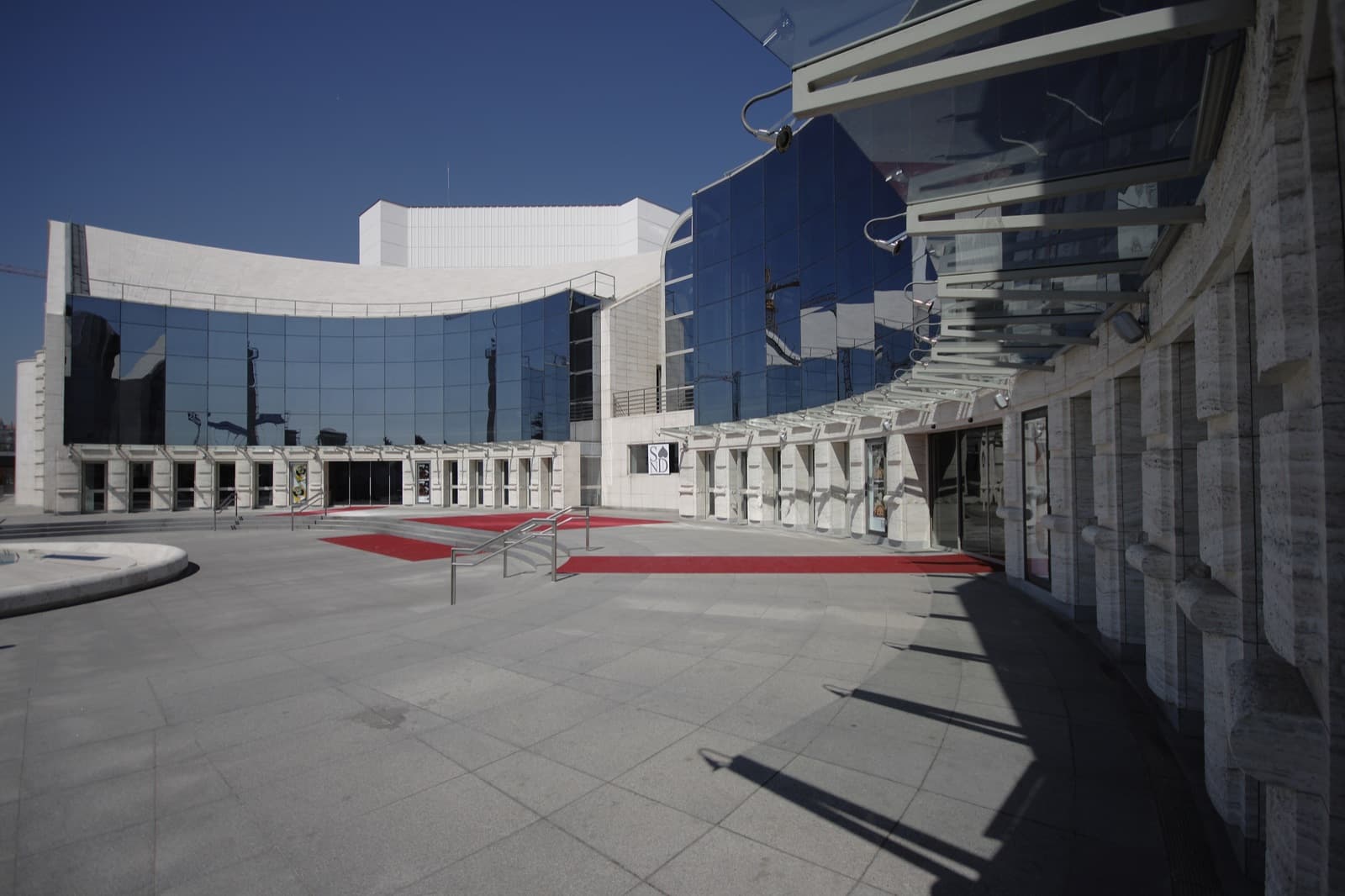 The Slovak National TheatreA Neo-Renaissance theatre at the head of the elegant promenade: the Austrian arc3 minutes walk4.6
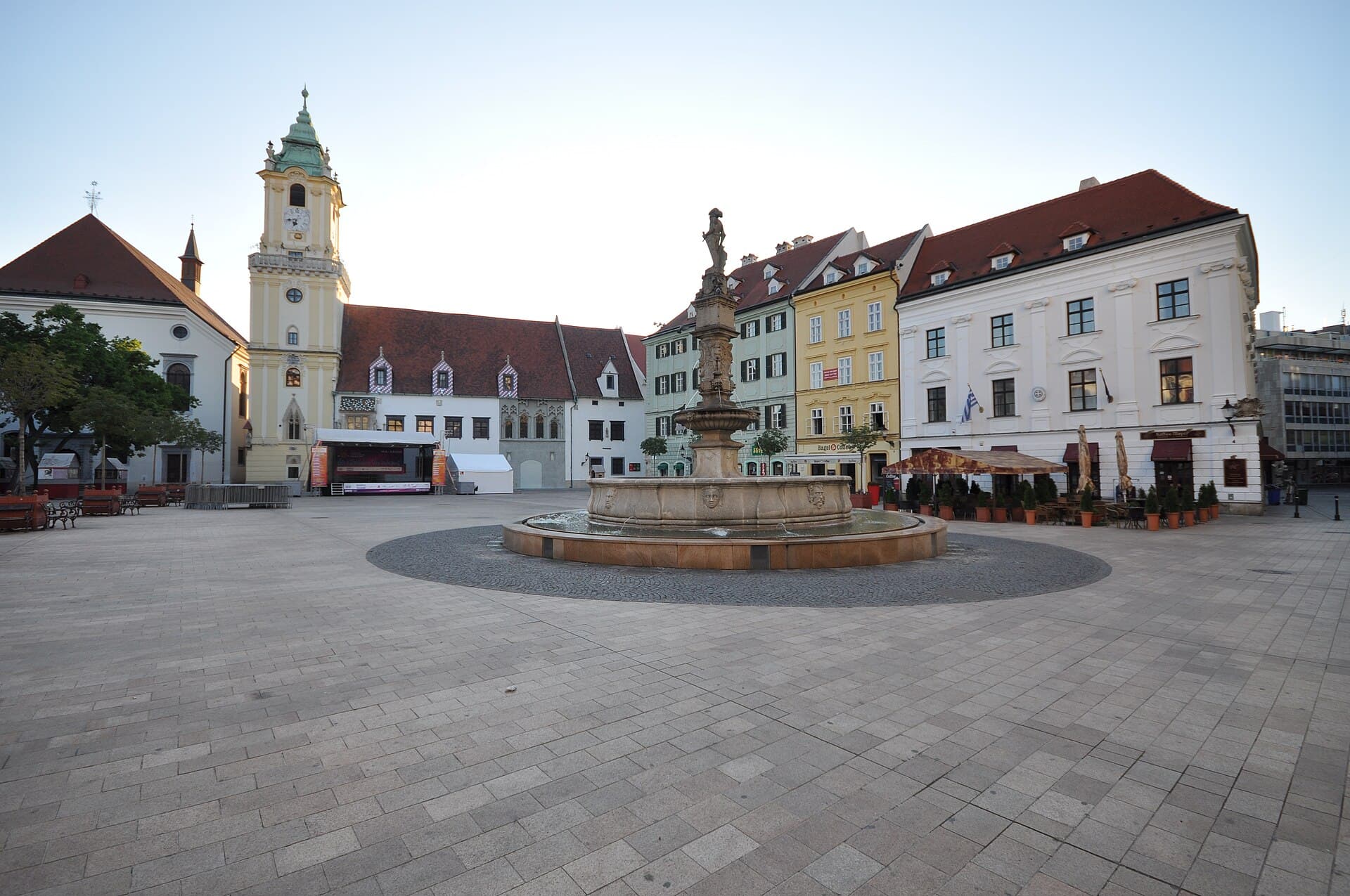 The Main SquareThe heart of the old town since the thirteenth century, and smaller than visitor3 minutes walk4.8
The promenade cafés for the view; the back streets (Laurinská, Panská) are far cheaper with genuinely Slovak food — try bryndzové halušky, the national dish.