
The knight
A symbol of the city's right to govern itself, with the king's face.
JoJan — CC BY 3.0 · Diego Delso — CC BY-SA 4.0 · Pedro J Pacheco — CC BY-SA 3.0 · Radler59 (talk) — CC BY-SA 4.0
The oldest fountain in Bratislava, standing at the centre of the Main Square since **1572**, and not built as decoration at all. King **Maximilian II** ordered it after a large fire damaged part of the city, and the purpose was purely practical: **a public water supply** the inhabitants could reach to fight fires and to drink from. It was the city's first organised water system. On top is a stone figure of an armoured knight with sword and shield, usually called **Roland** — the knight whose statue in central European towns signified a city's right to govern itself and administer justice. Local tradition says the face is Maximilian's own. Note: Bratislava's best-known legend attaches to it. On **New Year's Eve**, at midnight, Roland is said to step down from his pedestal and turn with his sword to guard the city, then return to his place. The fountain is small and needs no more than ten minutes, but it is the landmark everything else on the square is described in relation to.
A symbol of the city's right to govern itself, with the king's face.
He is said to step down at midnight to guard the city.
The square's centre, and the reference point for everything around it.
Centre of the Main Square, Bratislava
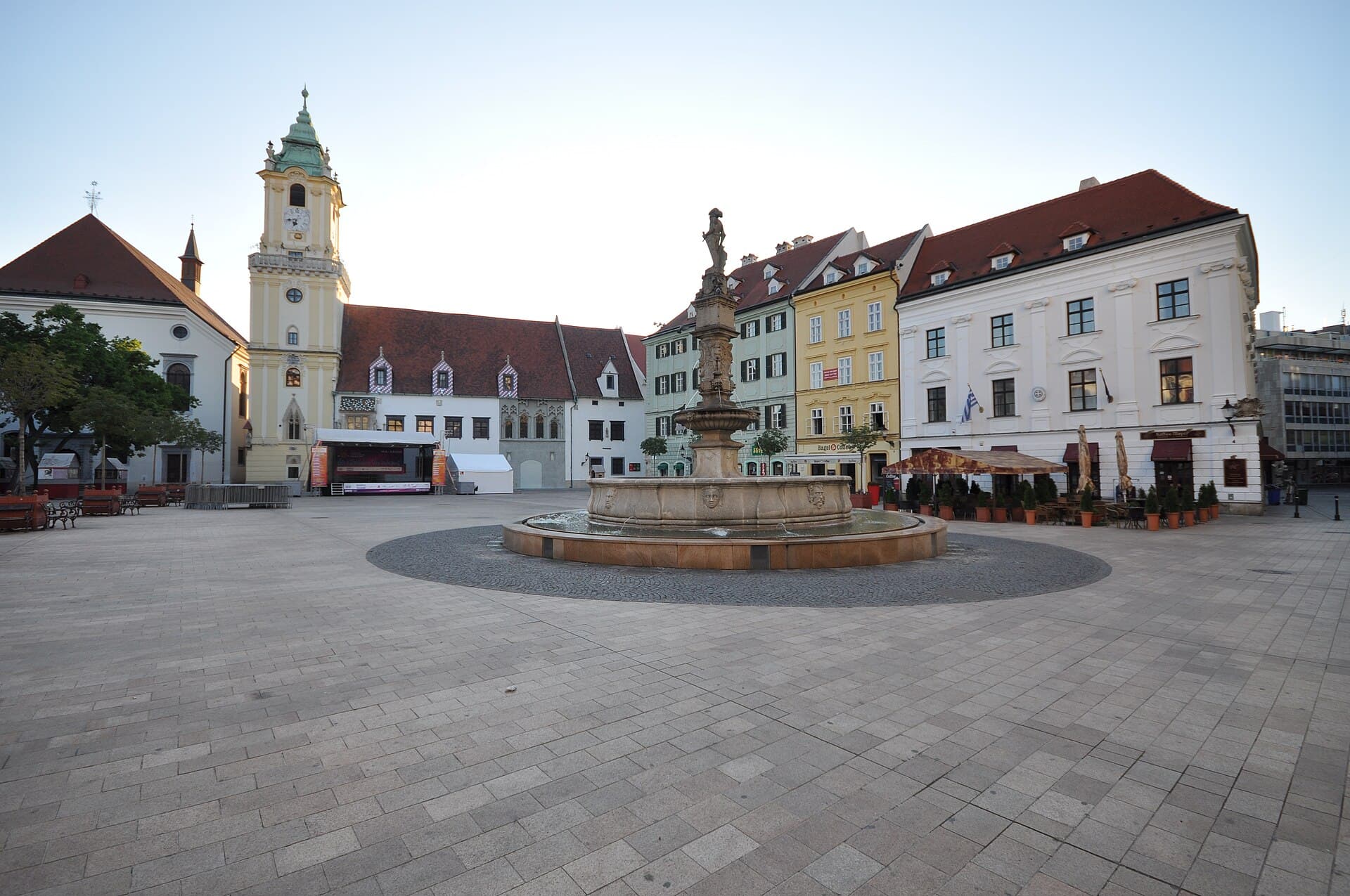 The Main SquareThe heart of the old town since the thirteenth century, and smaller than visitor1 minute walk4.8
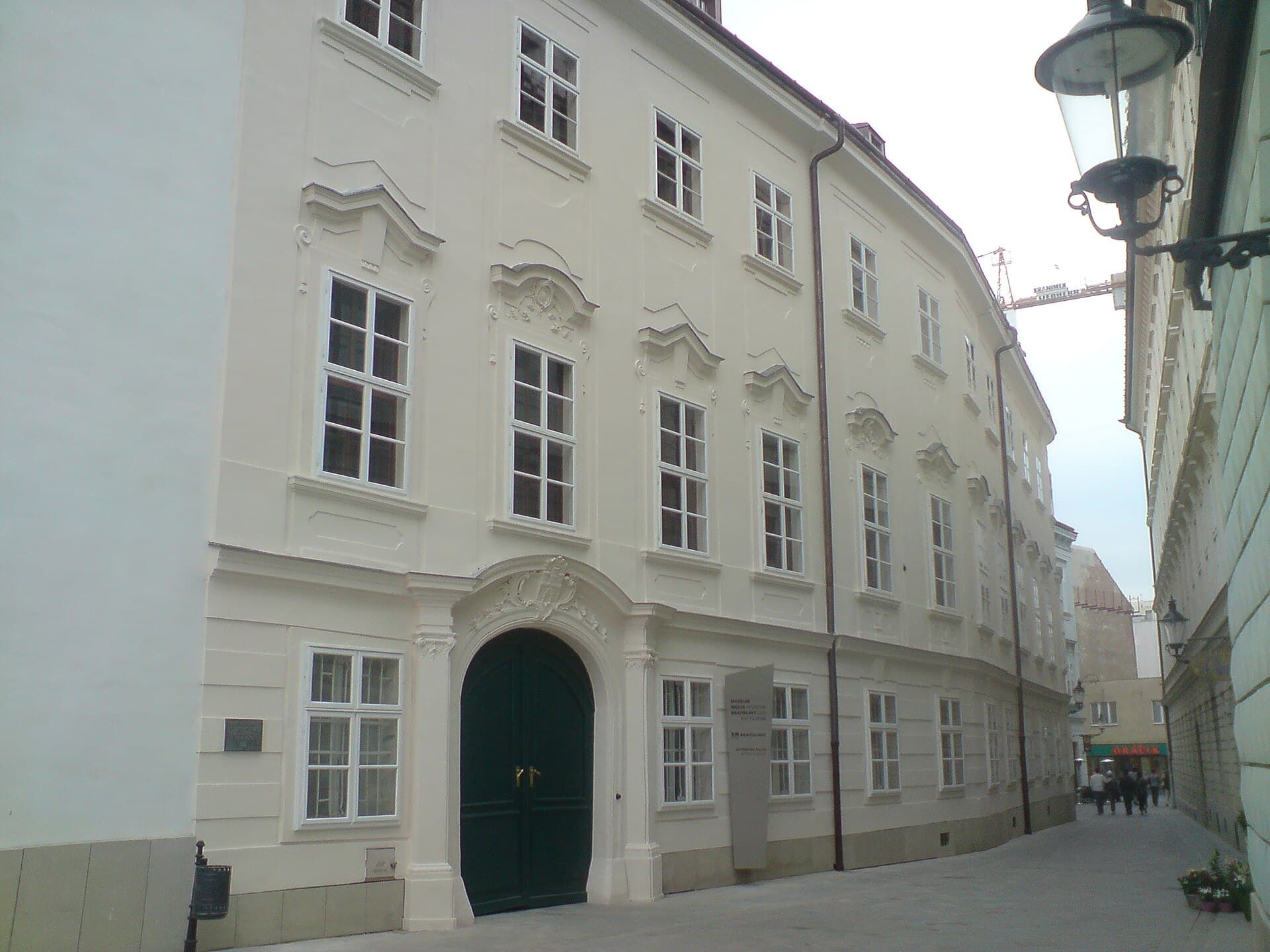 Apponyi PalaceA rococo palace of 1762 on the edge of the Main Square, built by Count **György 1 minute walk4.2
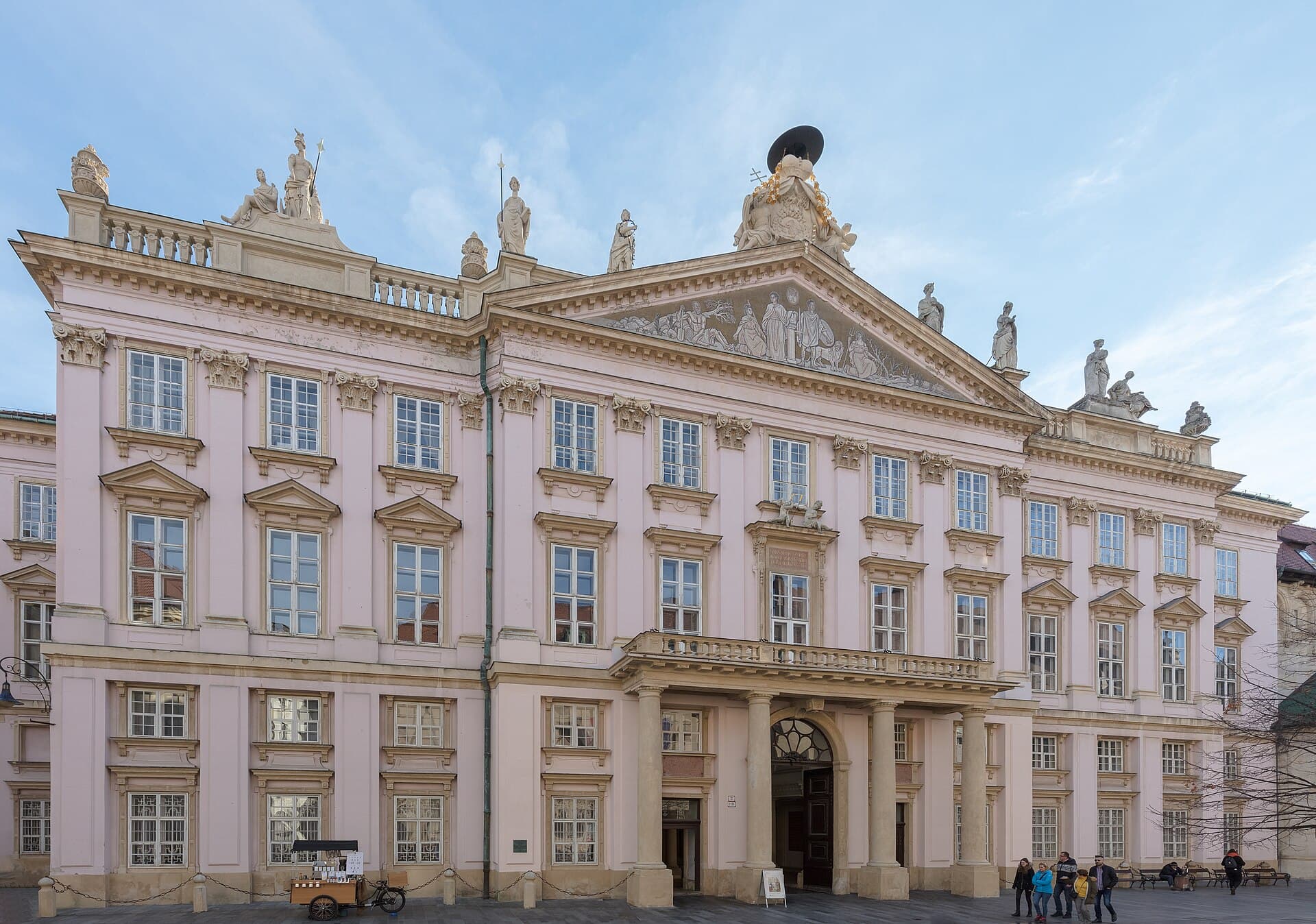 The Primate's PalaceA pink palace where Napoleon signed a treaty that redrew Europe: the Primate's P1 minute walk4.6
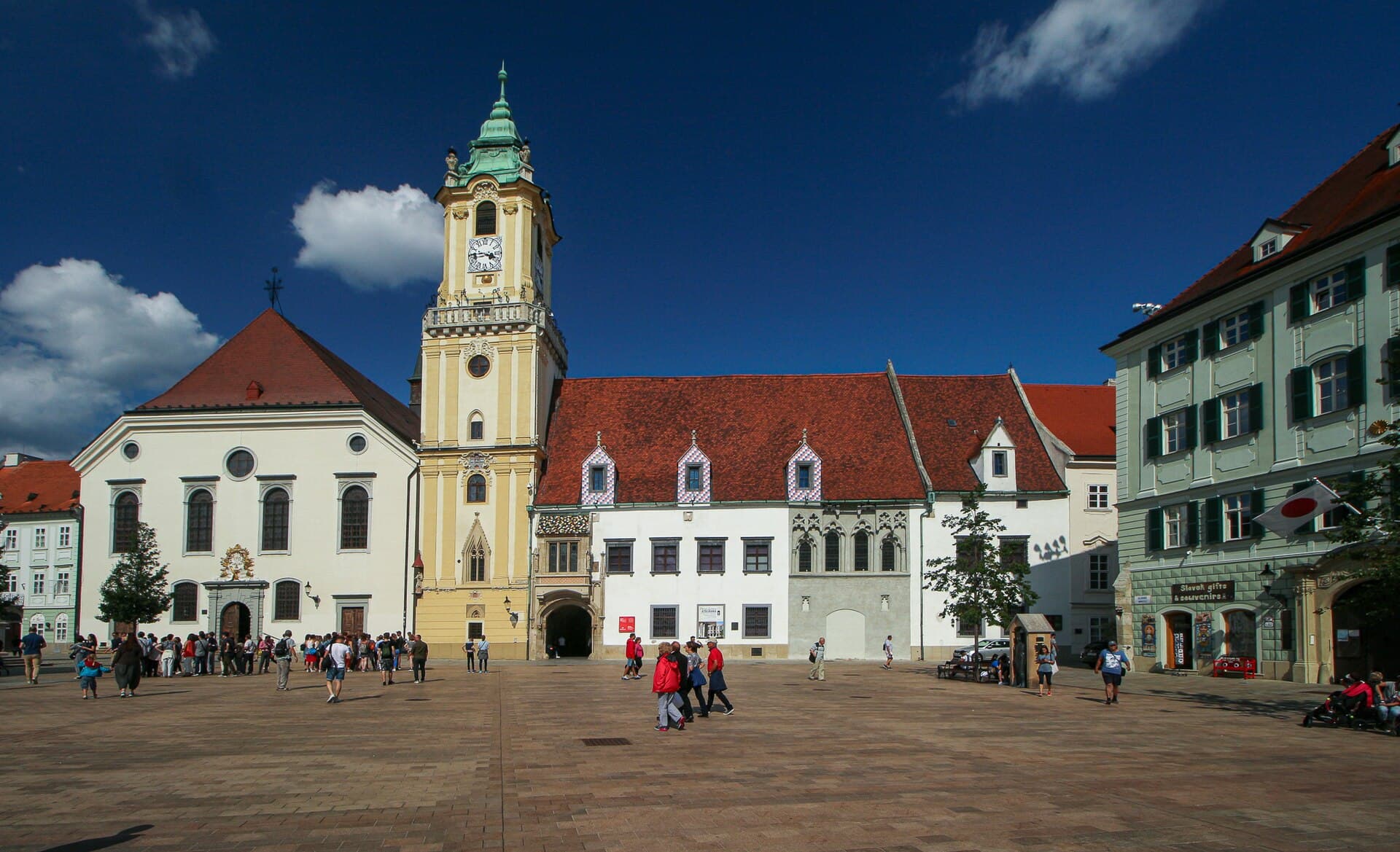 Old Town Hall and Main SquareSlovakia's oldest town hall: a group of houses fused over the centuries into one1 minute walk4.5
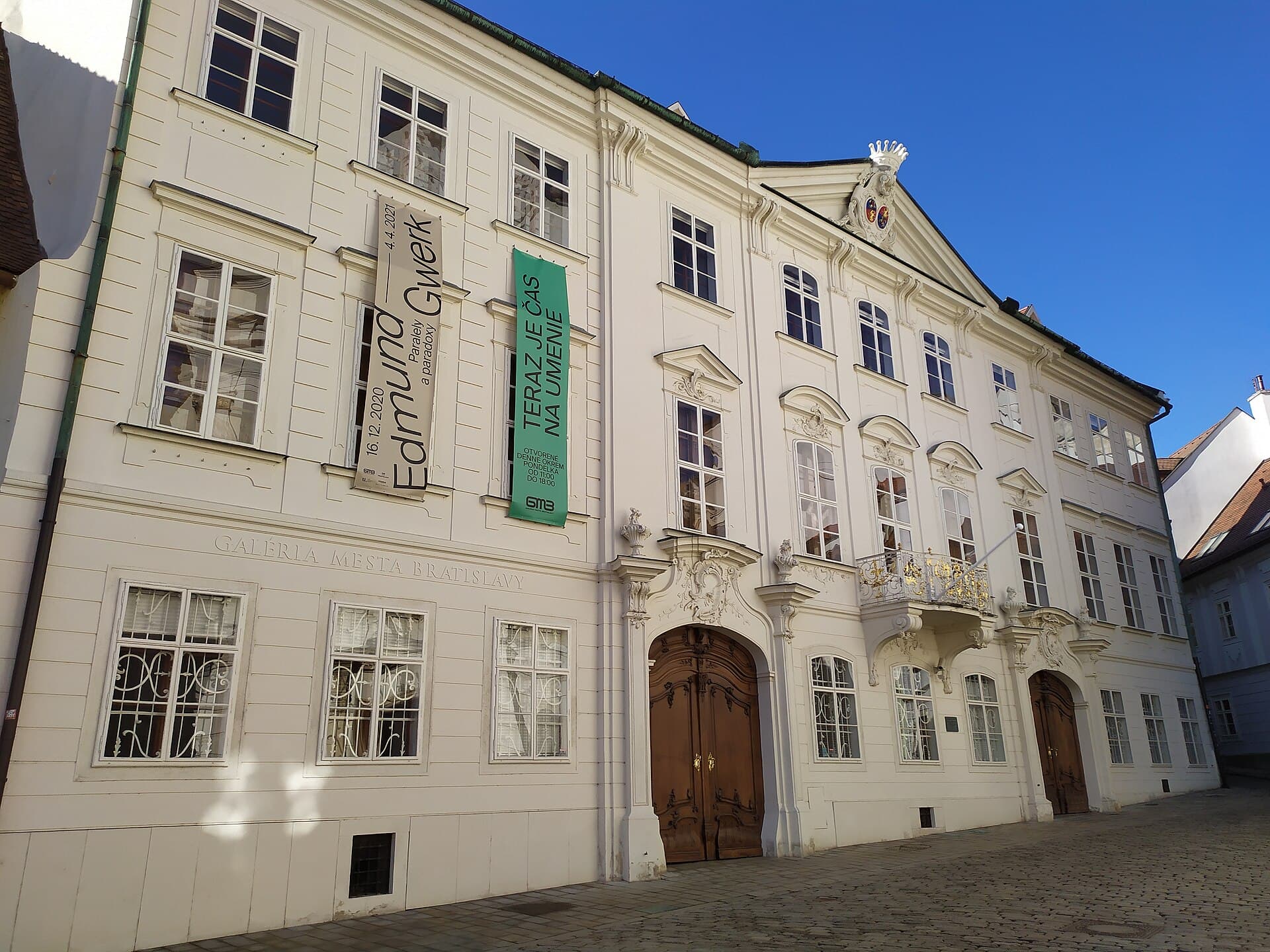 Mirbach PalaceA pink rococo palace on Franciscan Square, built by a wealthy brewer in 1770 to 2 minutes walk4.4
**One full day** covers the old town without rushing — it is very small and entirely walkable: the Main Square and Roland's Fountain, the Old Town Hall, the Primate's Palace with its hall of mirrors, the cathedral, Michael's Gate, then the climb to the castle in the afternoon. A **second day** adds **Devín Castle** where the Danube meets the Morava, or the city museums, or a river trip. Bratislava is often visited as a day trip from **Vienna** — the train is only about an hour, and the river boat is longer and better. If that is your plan, make it a full day rather than half.