
On the city's arms
What you see here is the image Bilbao has defined itself by for centuries.
Igerrak — CC BY-SA 4.0 · Diego Delso — CC BY-SA 4.0 · Quahadi — CC0 · Falk2 — CC BY-SA 4.0
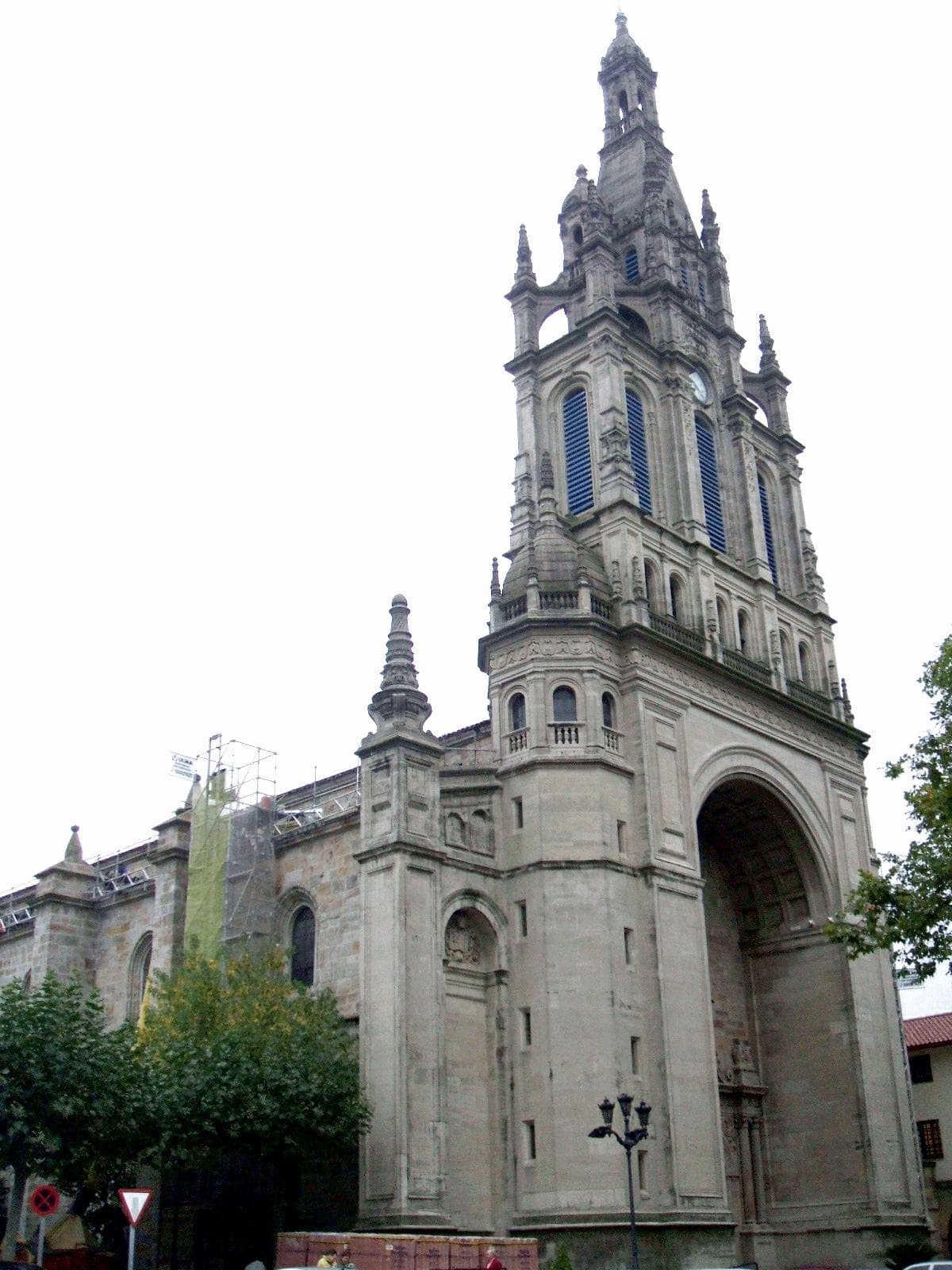
A church on the bank of the Nervión at the edge of the old town, and among the oldest surviving buildings in Bilbao. It was built in the fifteenth century on a site believed to have held the old city fortress. Its importance is as much symbolic as architectural: the church and the bridge beside it appear on Bilbao's own coat of arms. What you are looking at is the image the city chose to define itself by, centuries ago. The facade mixes late Gothic at the doorway with later Baroque additions and an eighteenth-century tower. Standing directly on the water makes it one of Bilbao's most photographed buildings, especially from the opposite bank. Beside it is the Ribera covered market, among the largest roofed markets in Europe. The two are taken in together in one stop, and the old town with its seven original streets begins immediately here.
What you see here is the image Bilbao has defined itself by for centuries.
Among the largest roofed markets in Europe, taken in with the church in one stop.
The best angle on the church and bridge together is from the opposite bank.
Bank of the Nervión, old town, Bilbao
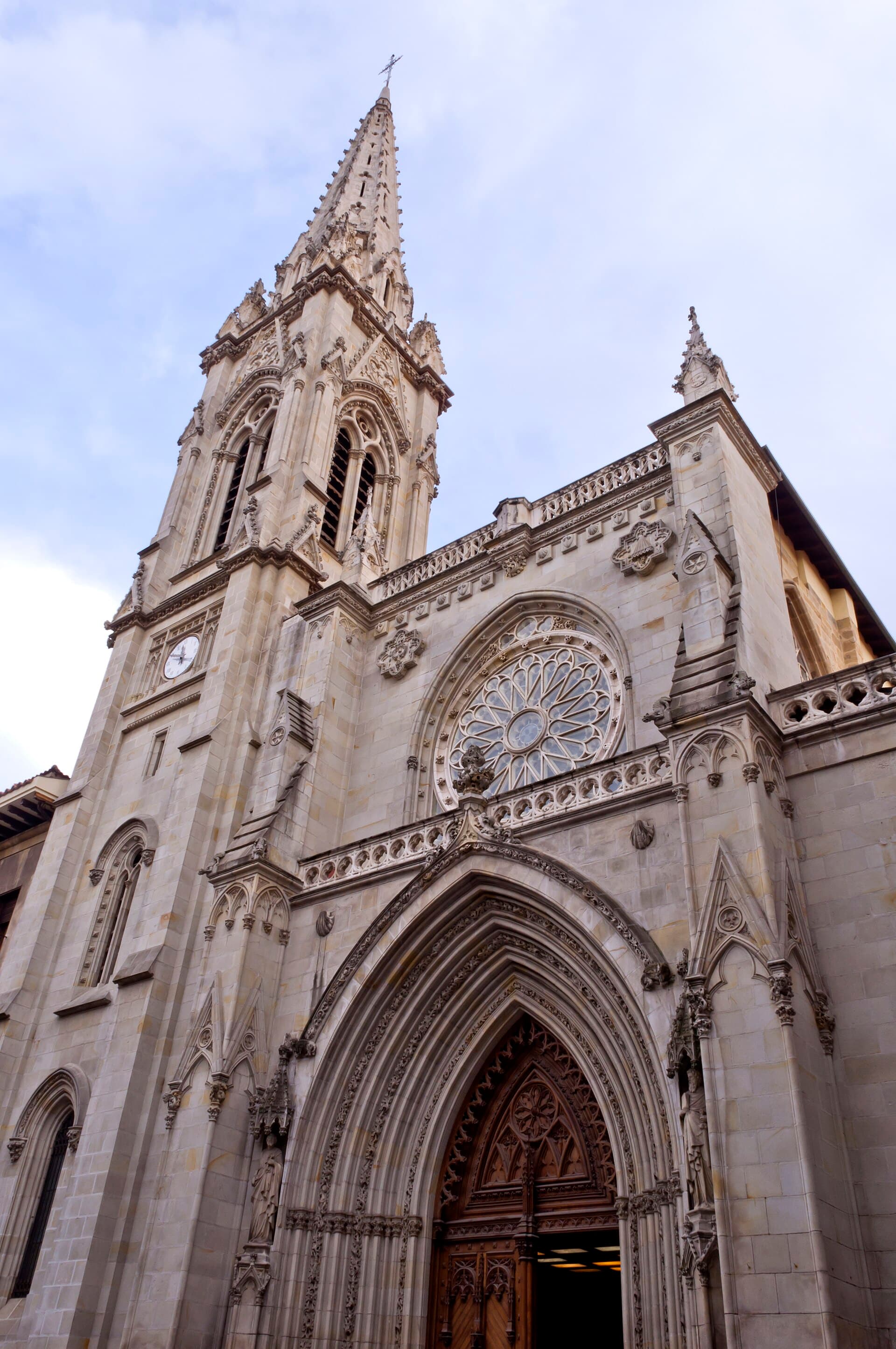 Santiago CathedralSantiago Cathedral is the heart of the Seven Streets — first Bilbao: fourteenth-2 minutes walk4.4
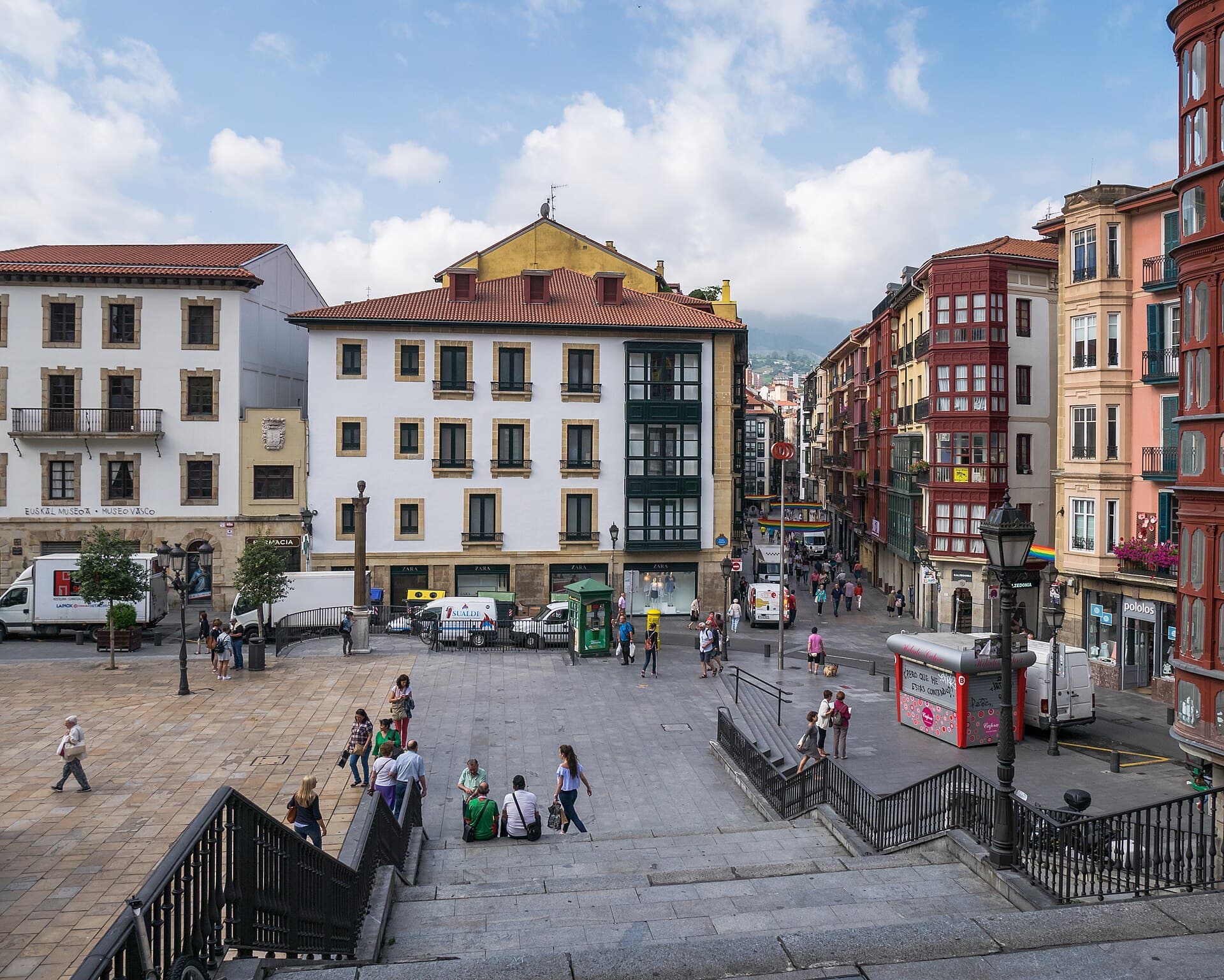 Plaza Miguel de UnamunoA square in the old town named after the philosopher and writer Miguel de Unamun5 minutes walk4.3
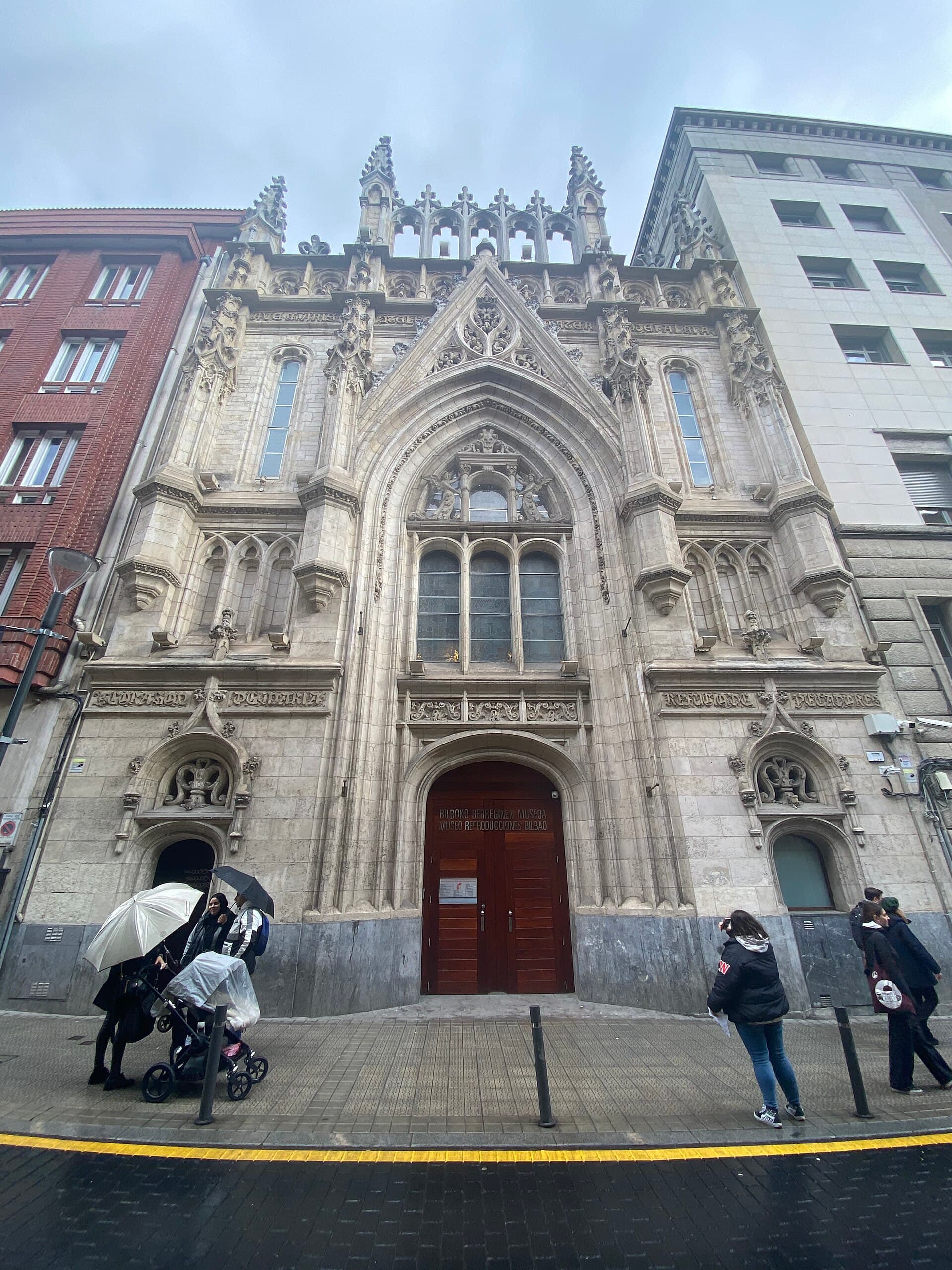 Museum of Reproductions, BilbaoA museum of plaster casts of famous classical sculpture, in a former church in B5 minutes walk4.3
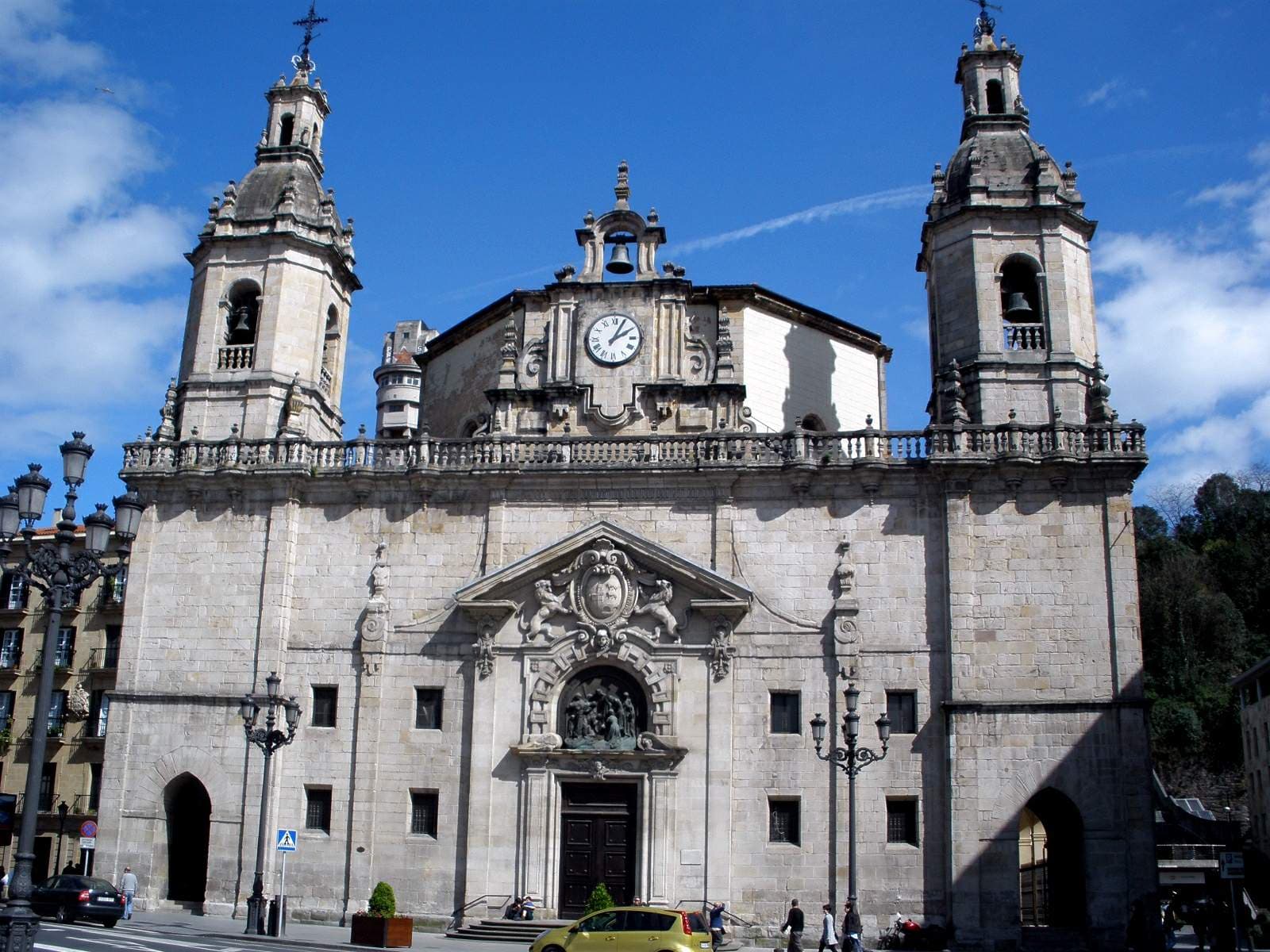 Church of San Nicolás de BariA Baroque church at the northern entrance to Bilbao's old town, directly facing 7 minutes walk4.4
 Basilica of BegoñaBegoña is Bilbao's "Amatxu" — her grandmother, in the people's affection: the si11 minutes walk4.7
The Ribera market adjoins it, and the old town with its seven original streets begins right here and ends at the Santiago cathedral. The four together make a full morning on foot with no transport.
It is the direct opposite of the Guggenheim and Abandoibarra. Bilbao is really two cities: a fourteenth-century old town on one bank, and a contemporary architectural frontage along the river. Seeing both in one day is the best thing the city offers.