
The Basque Museum
In a former convent facing the square, the best place to understand the region's history and language.
Basotxerri — CC BY-SA 4.0 · Javier Mediavilla Ezquibela — CC BY 2.5 · Zarateman — CC0 · Zarateman — CC0
A square in the old town named after the philosopher and writer Miguel de Unamuno, born in Bilbao in 1864 and among the most important voices in twentieth-century Spanish thought. A bust of him stands in the square. The square itself is plain, but its position makes it a reference point: the Mallona steps up towards the Begoña basilica start here, and the Basque Museum occupies a former convent beside it, the best place to understand the Basque Country's history, language and crafts. The language dimension is noticeable to a visitor. Unamuno himself held a complicated and critical position on the Basque language, and a square in the heart of the old town carrying his name while surrounded by Basque signage is an irony locals are well aware of. The square is a short stop within a walk of the seven original streets rather than a destination. The cafés around it are local and cheaper than those near the Guggenheim.
In a former convent facing the square, the best place to understand the region's history and language.
They start at the square and climb towards the Begoña basilica — a free alternative to the lift.
Unamuno was critical of the Basque language, and the square today is surrounded by its signage.
Old town, Bilbao
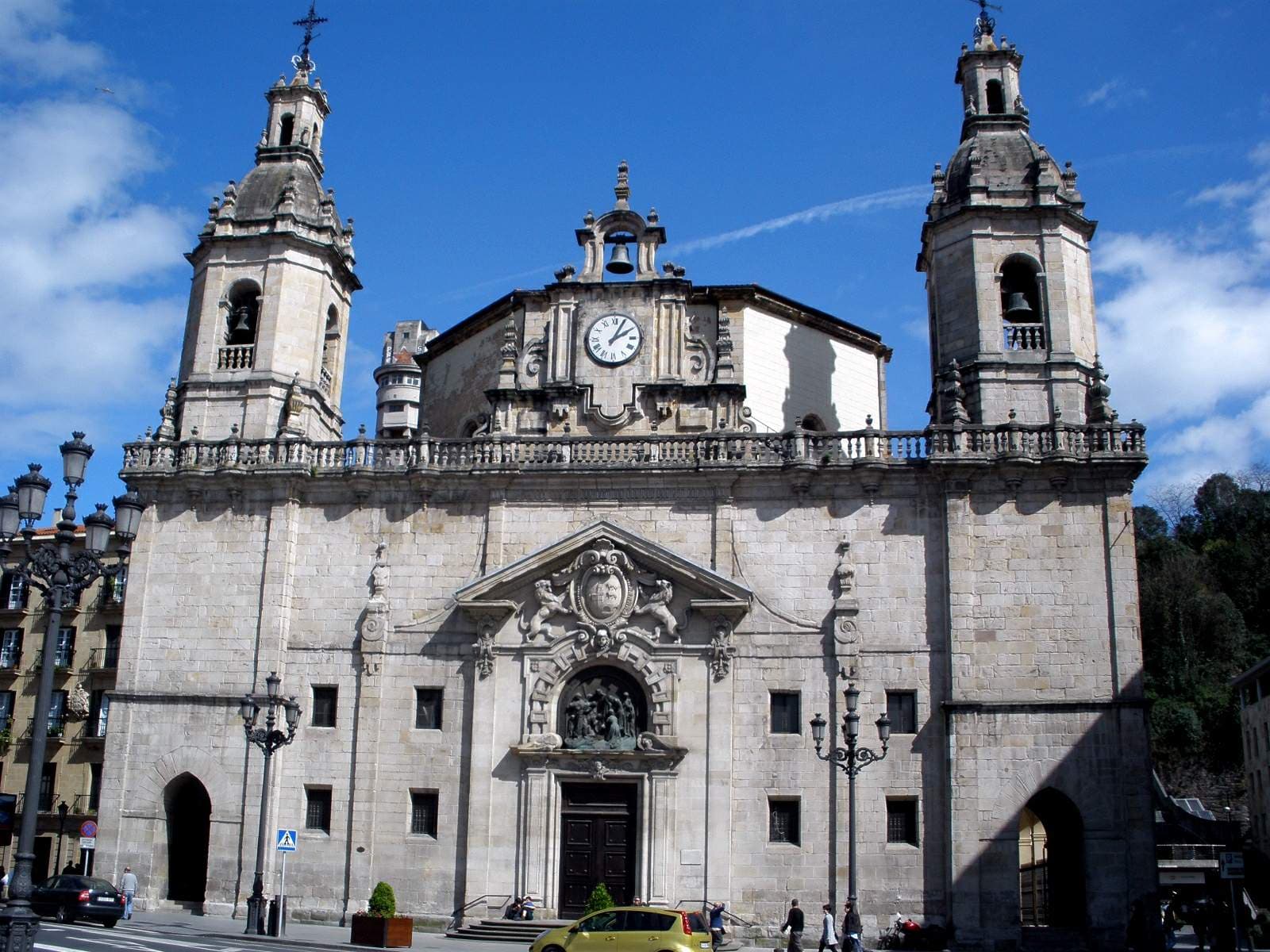 Church of San Nicolás de BariA Baroque church at the northern entrance to Bilbao's old town, directly facing 3 minutes walk4.4
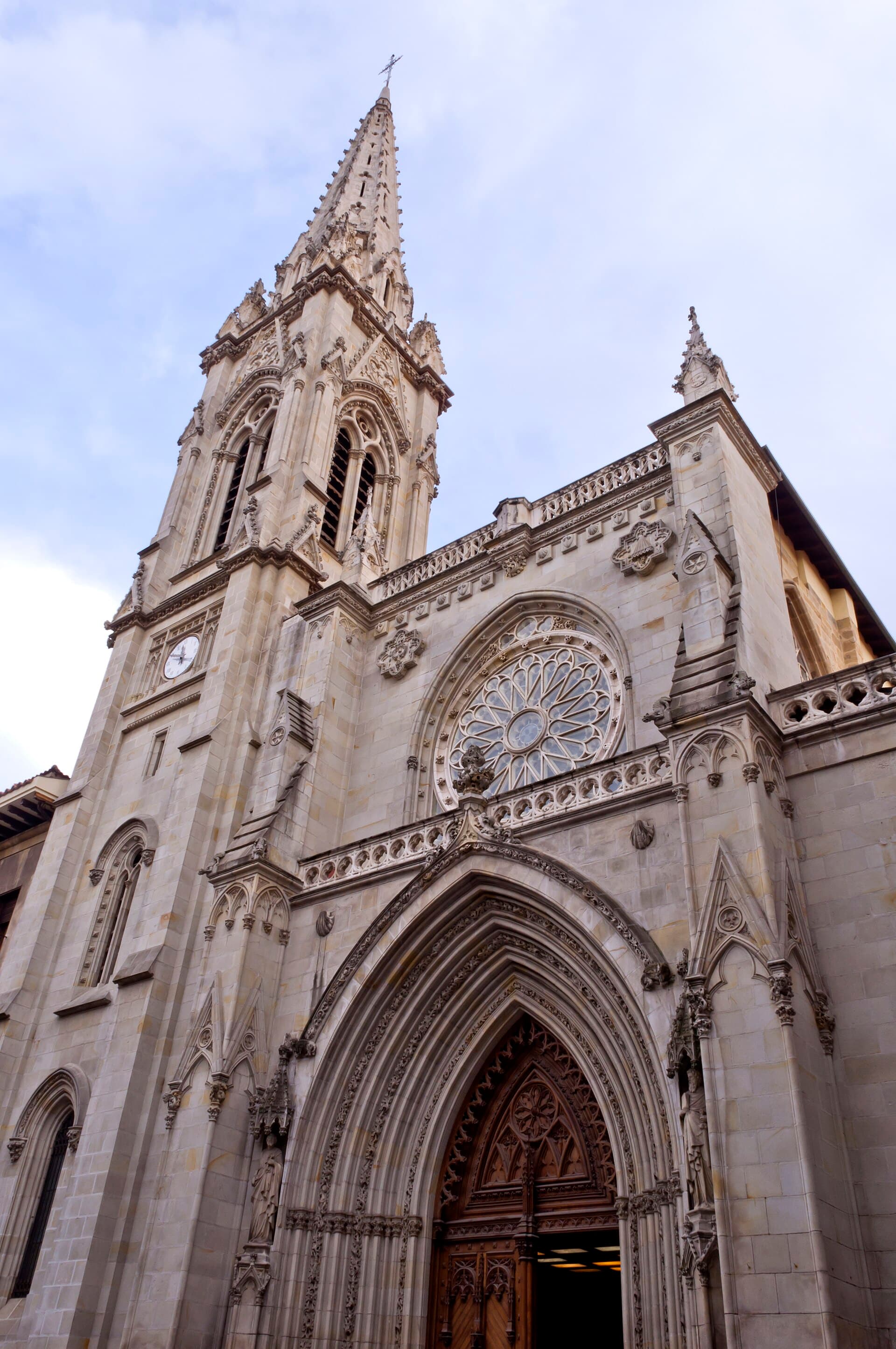 Santiago CathedralSantiago Cathedral is the heart of the Seven Streets — first Bilbao: fourteenth-3 minutes walk4.4
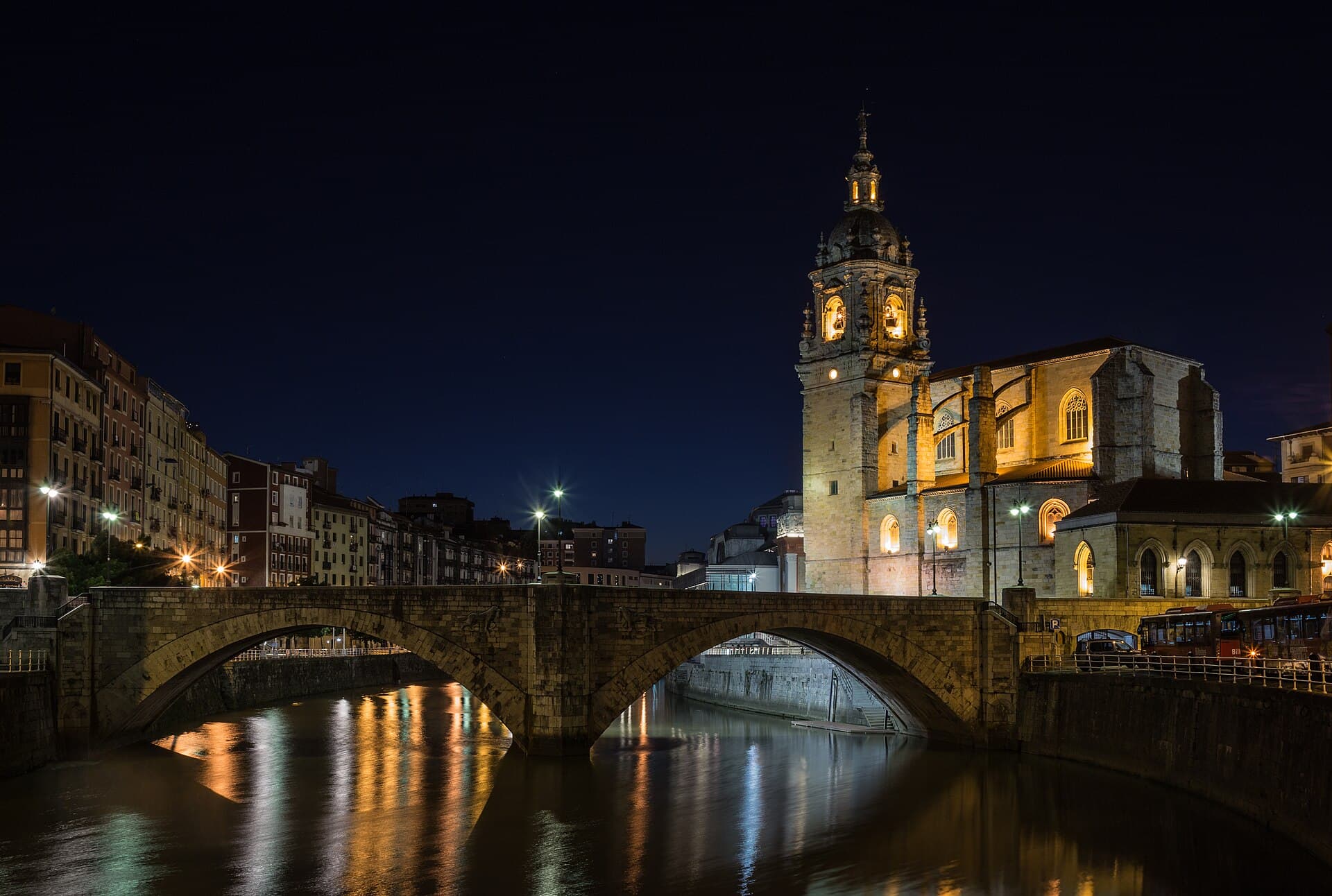 Church of San AntónA church on the bank of the Nervión at the edge of the old town, and among the o5 minutes walk4.5
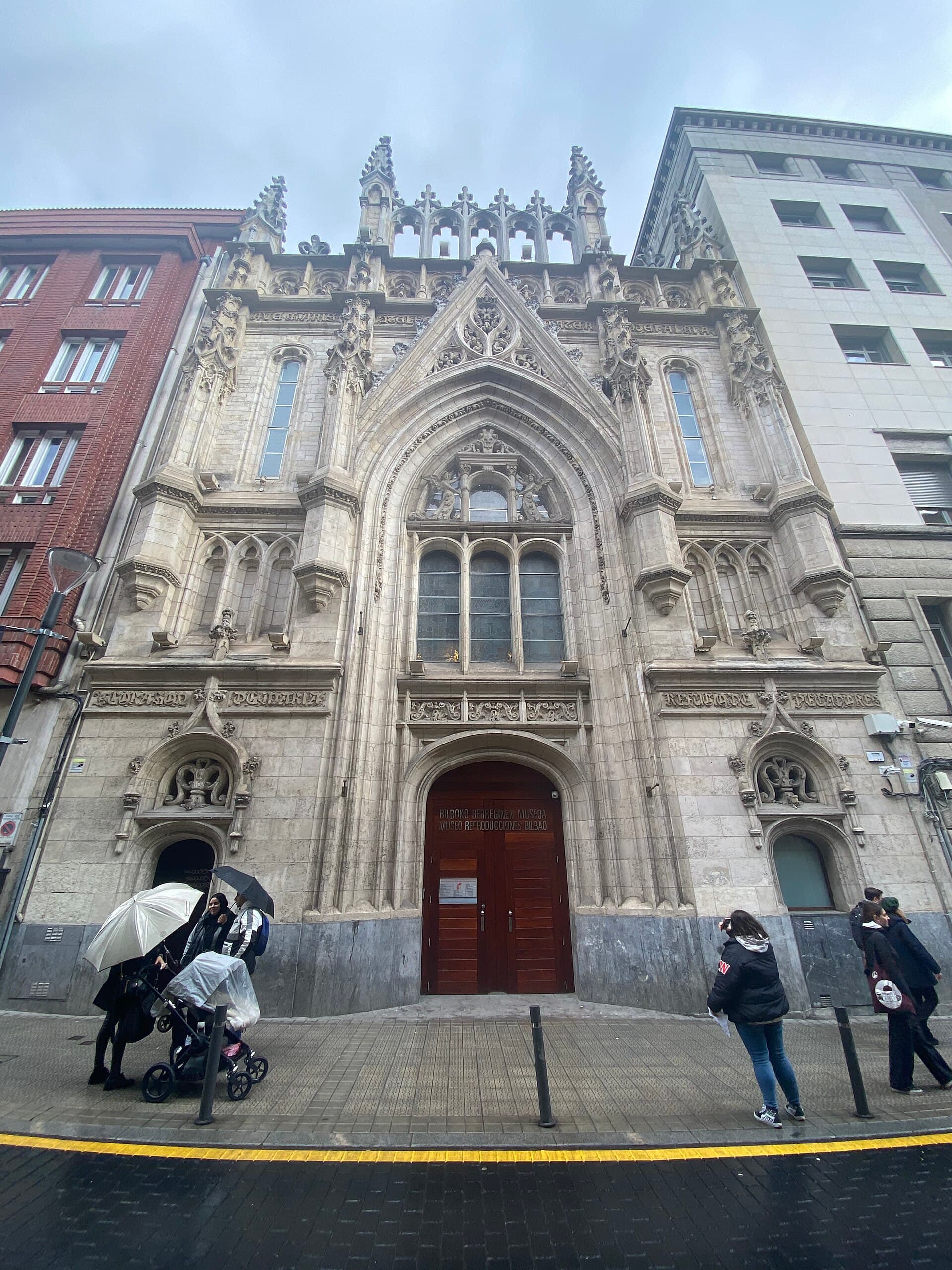 Museum of Reproductions, BilbaoA museum of plaster casts of famous classical sculpture, in a former church in B8 minutes walk4.3
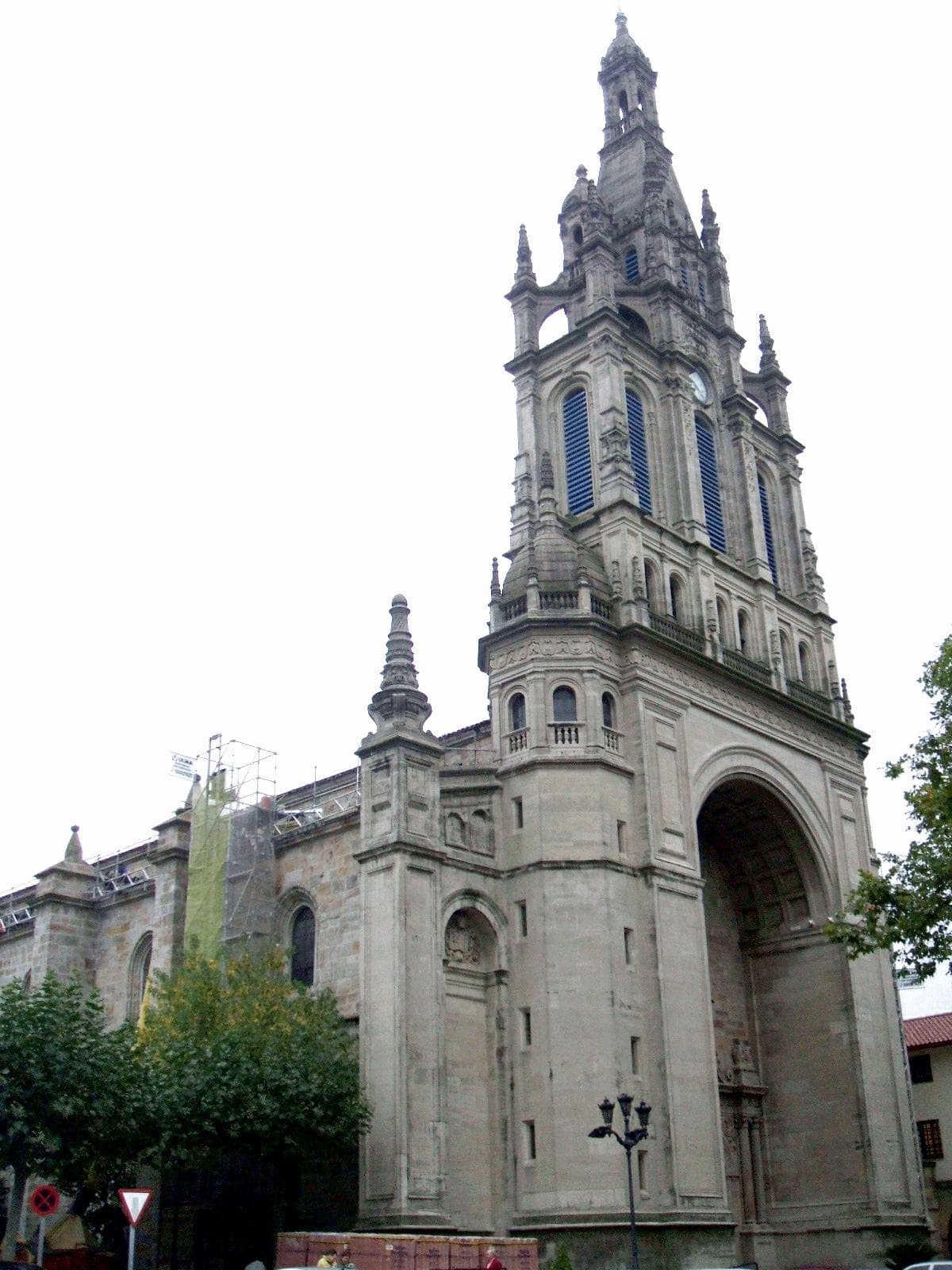 Basilica of BegoñaBegoña is Bilbao's "Amatxu" — her grandmother, in the people's affection: the si8 minutes walk4.7
A Spanish philosopher, writer and novelist born in Bilbao in 1864, among the leading thinkers of the Generation of '98 who reconsidered Spanish identity after the loss of the colonies. He was also rector of the University of Salamanca, and his political and intellectual positions provoked argument throughout his life.
The Basque Museum adjoins it, and the Santiago cathedral, San Antón and the Ribera market are all a short walk away in the old town. If your fitness allows, climb the Mallona steps to Begoña for the view.