
The state rooms
Much as they were left in 1975.
Balon Greyjoy — CC0 · Razvan Orendovici from United States — CC BY 2.0 · HappyMidnight — CC BY-SA 4.0 · calflier001 — CC BY-SA 2.0
The former presidential palace of South Vietnam, designed by the architect Ngo Viet Thu and completed in 1966 on the site of an older palace that had been bombed in 1962. On 30 April 1975 a North Vietnamese tank drove through its main gate, the moment that marked the end of the Vietnam War; two tanks like it stand on the lawn today. The building is a fine piece of 1960s modernism, its facade screened by concrete panels shaped like bamboo stems. Visitors walk through the state rooms much as they were left, from the cabinet room and banqueting hall to the presidential office, the private quarters and a cinema, and up to a rooftop helipad with a helicopter on it. Beneath the palace is a command bunker with its original radio rooms and war maps. The palace still hosts state events, so some rooms occasionally close. Allow one to two hours; the main visitor entrance is on Nam Ky Khoi Nghia Street.
Much as they were left in 1975.
Radio rooms and war maps.
A helicopter on the roof.
135 Nam Ky Khoi Nghia Street, central Saigon
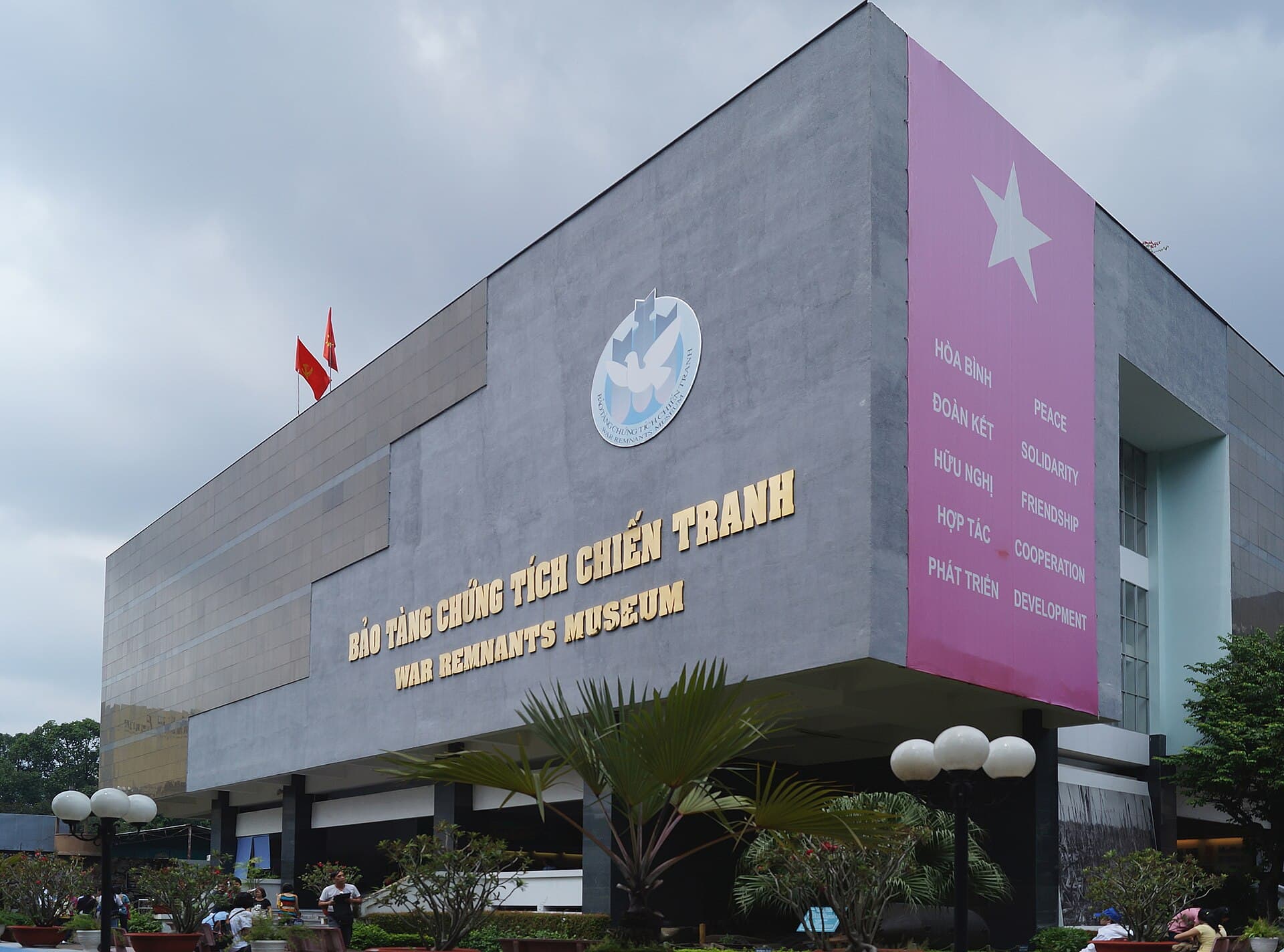 War Remnants MuseumHo Chi Minh City's most visited museum, telling the story of Vietnam's wars with6 minutes walk4.4
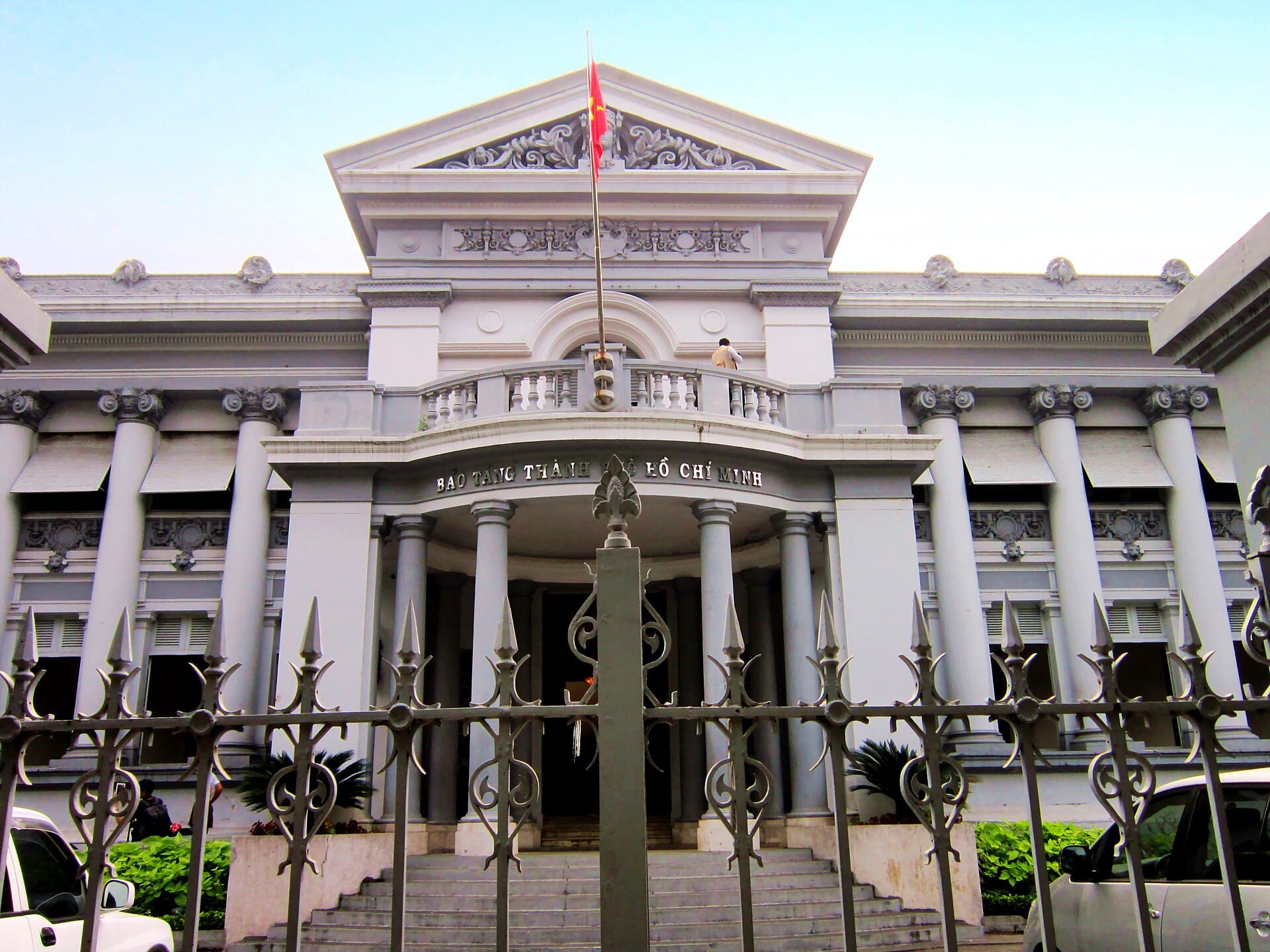 Museum of Ho Chi Minh CityA grand colonial mansion of 1890 that tells the story of the city, and one of th6 minutes walk4.3
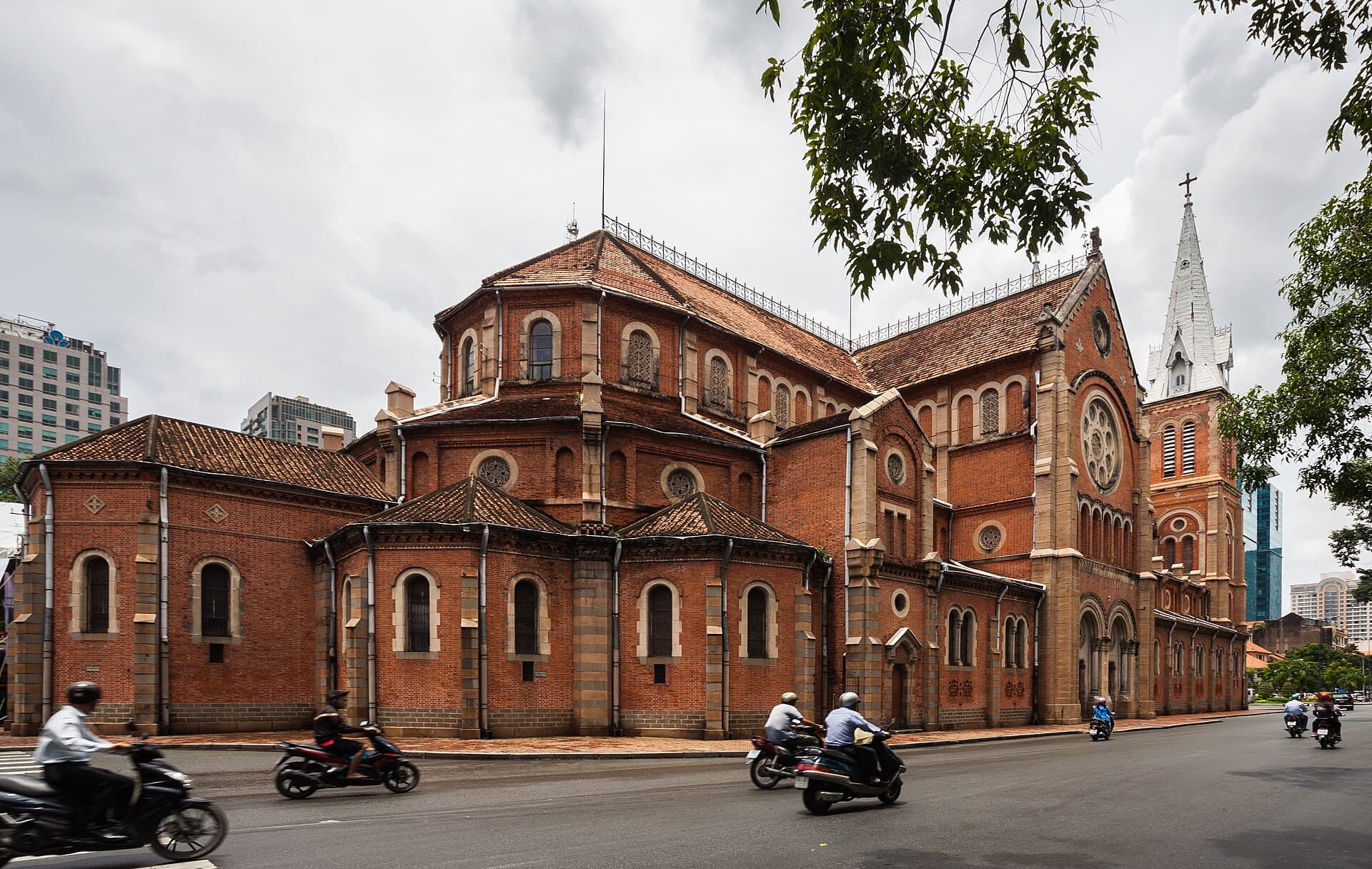 Notre-Dame Cathedral of SaigonThe red-brick cathedral at the head of Dong Khoi Street, built by the French bet6 minutes walk4.5
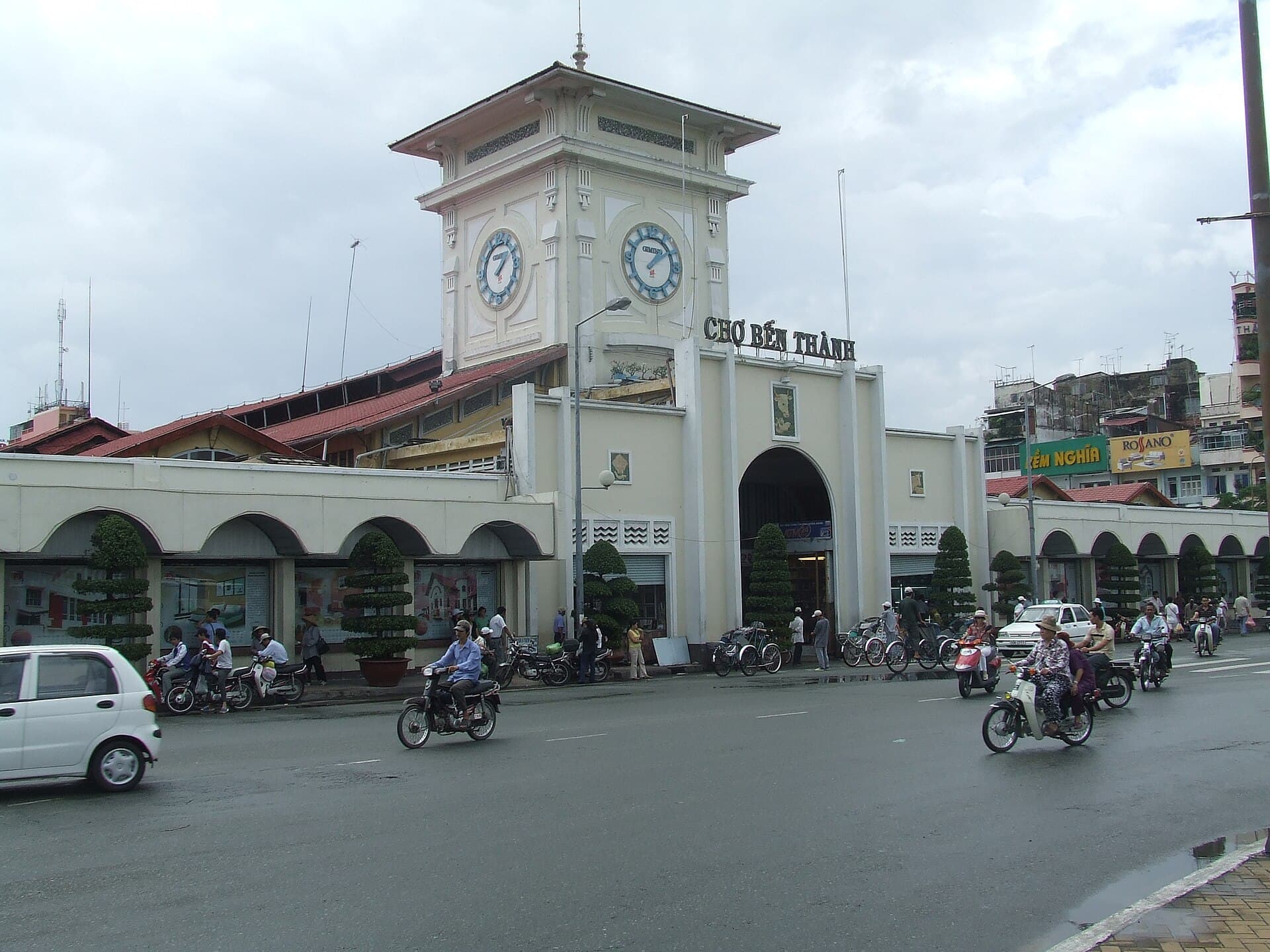 Ben Thanh MarketSaigon's best-known market and one of the oldest surviving buildings in the city7 minutes walk4.2
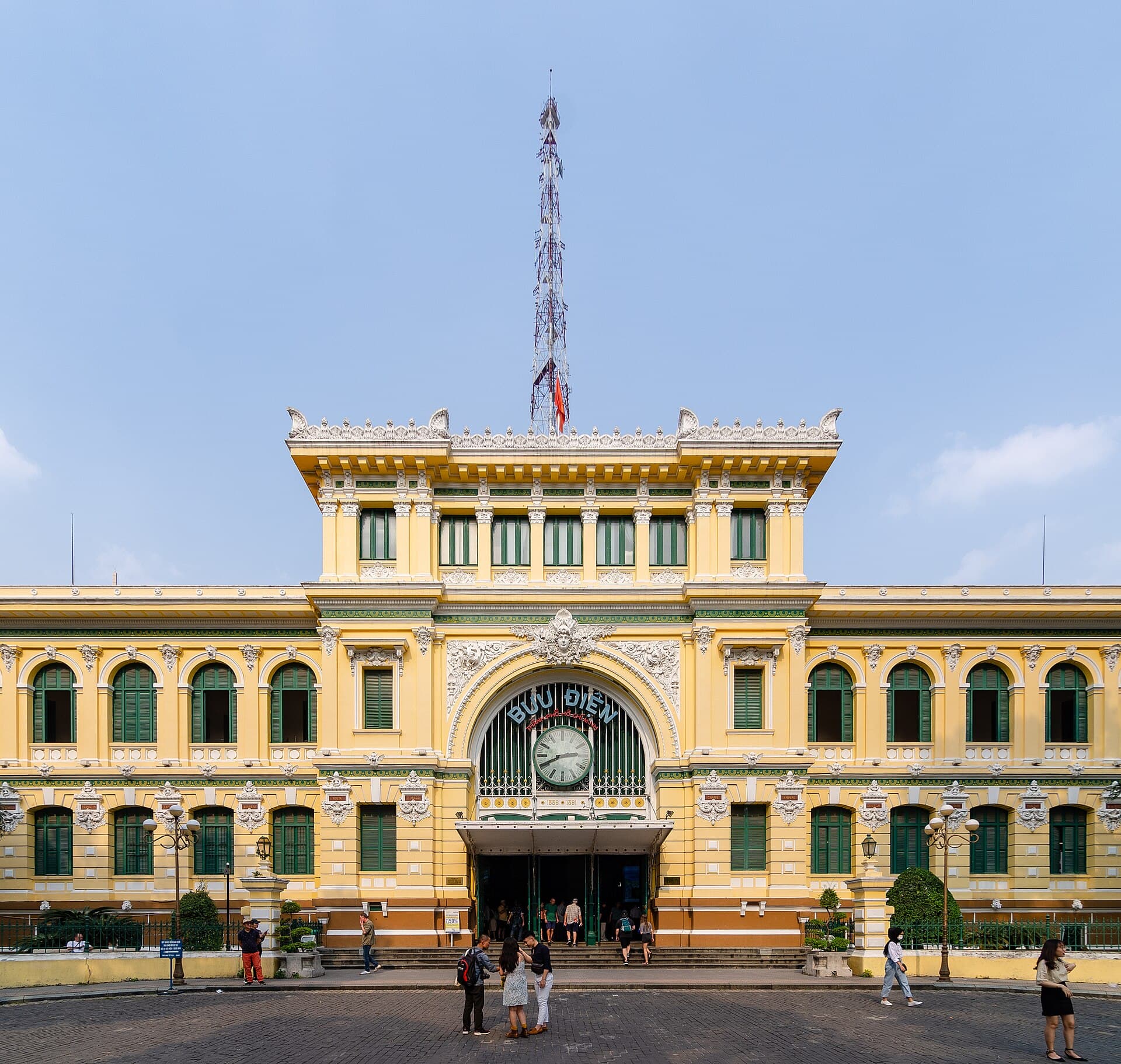 Saigon Central Post OfficeA working post office in a grand colonial hall, built between 1886 and 1891 besi7 minutes walk4.3
The state rooms, presidential office and private quarters much as they were left, the rooftop helipad, and the underground command bunker with its radio rooms and war maps.