
The grand staircase
A wedding-photo favourite.
Bùi Thụy Đào Nguyên — CC BY-SA 3.0 · Bùi Thụy Đào Nguyên — CC BY-SA 3.0 · Gary Todd — CC0
A grand colonial mansion of 1890 that tells the story of the city, and one of the most photogenic buildings in Saigon. Designed by Alfred Foulhoux, also the architect of the Central Post Office, it was built as a museum of commerce, then became the residence of the governors of Cochinchina, and in the early 1960s it was home to President Ngo Dinh Diem as Gia Long Palace while the Independence Palace was being built. The exhibitions cover the natural history of the region, the trades and crafts of old Saigon and Cholon, coins and ceramics, traditional weddings and dress, and the city's twentieth-century wars. But many people come for the building itself: its sweeping staircase, tall windows and gardens are a favourite backdrop for wedding and graduation photos. Beneath the house runs a bunker built under Diem, closed for renovation at last report. Allow an hour.
A wedding-photo favourite.
From Cholon to the port.
Around the white palace.
65 Ly Tu Trong Street, central Saigon
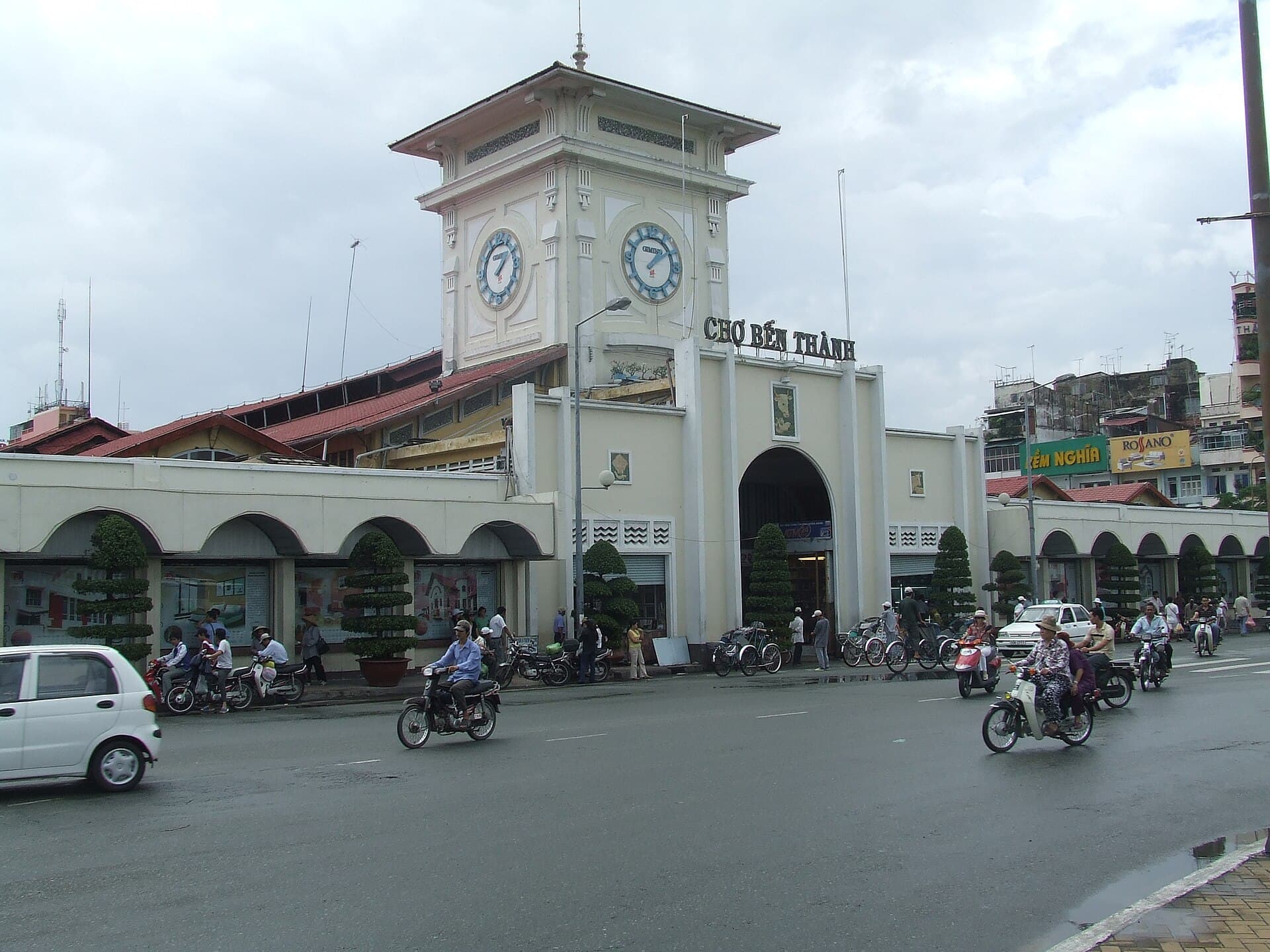 Ben Thanh MarketSaigon's best-known market and one of the oldest surviving buildings in the city5 minutes walk4.2
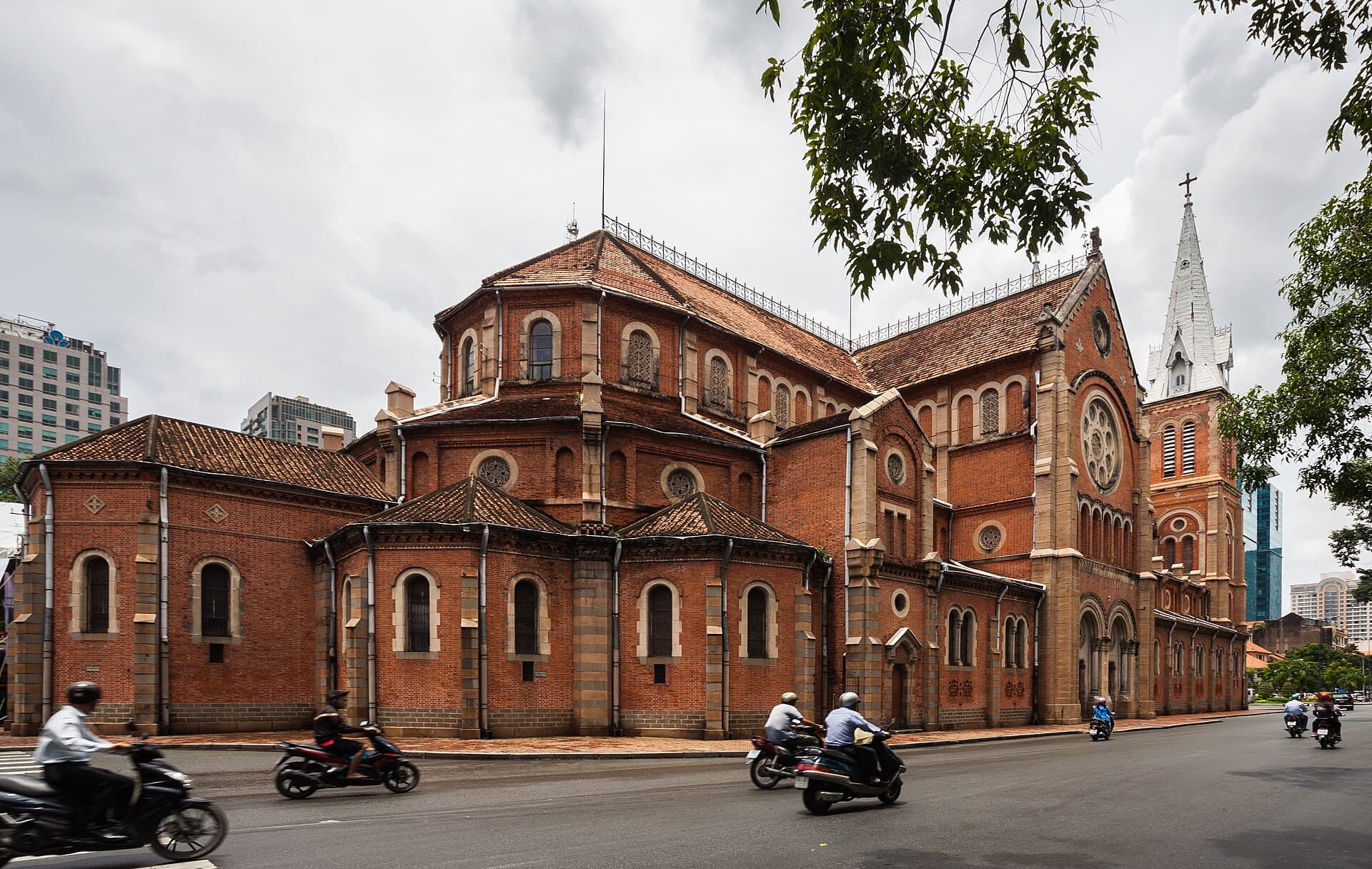 Notre-Dame Cathedral of SaigonThe red-brick cathedral at the head of Dong Khoi Street, built by the French bet5 minutes walk4.5
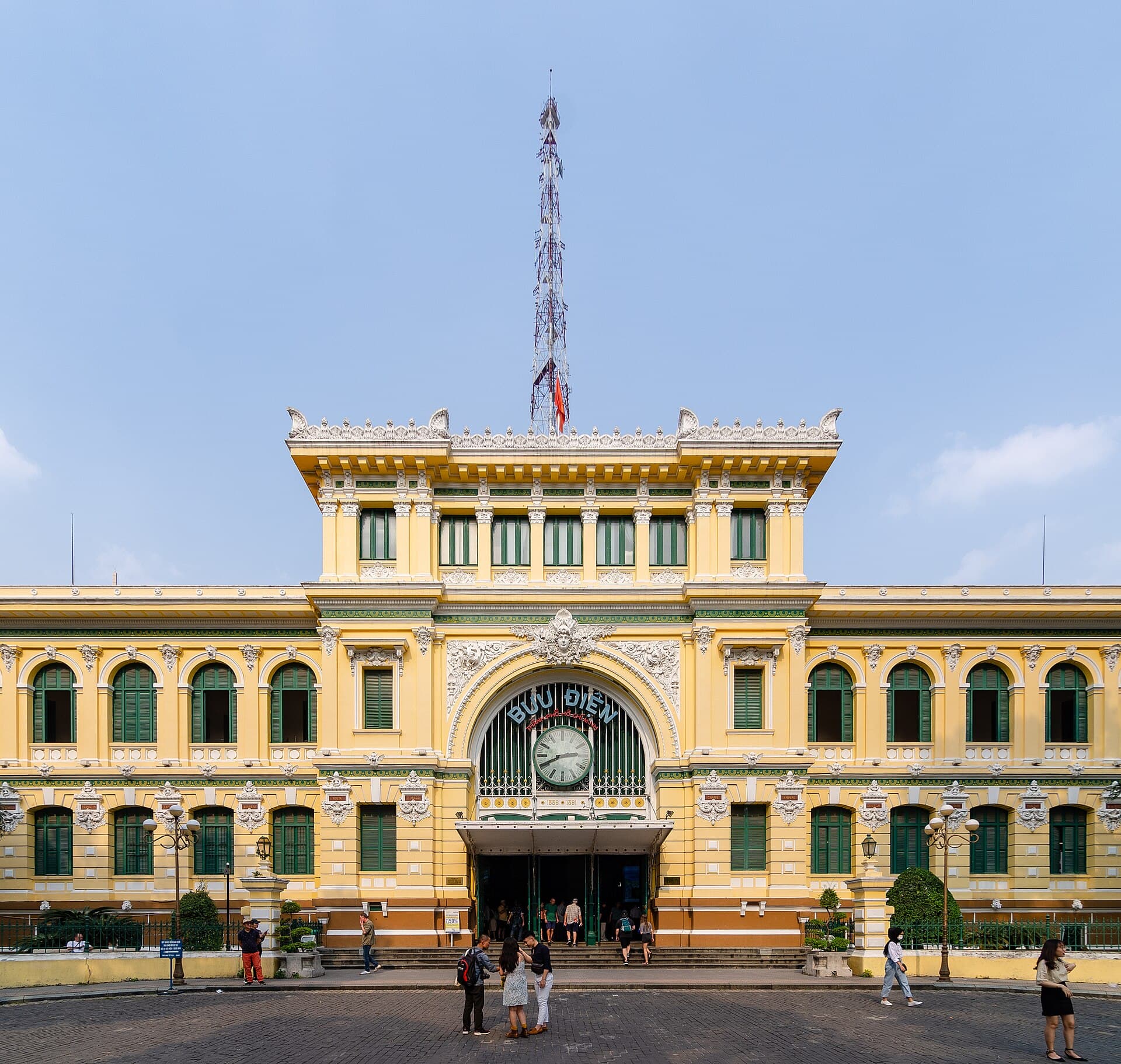 Saigon Central Post OfficeA working post office in a grand colonial hall, built between 1886 and 1891 besi6 minutes walk4.3
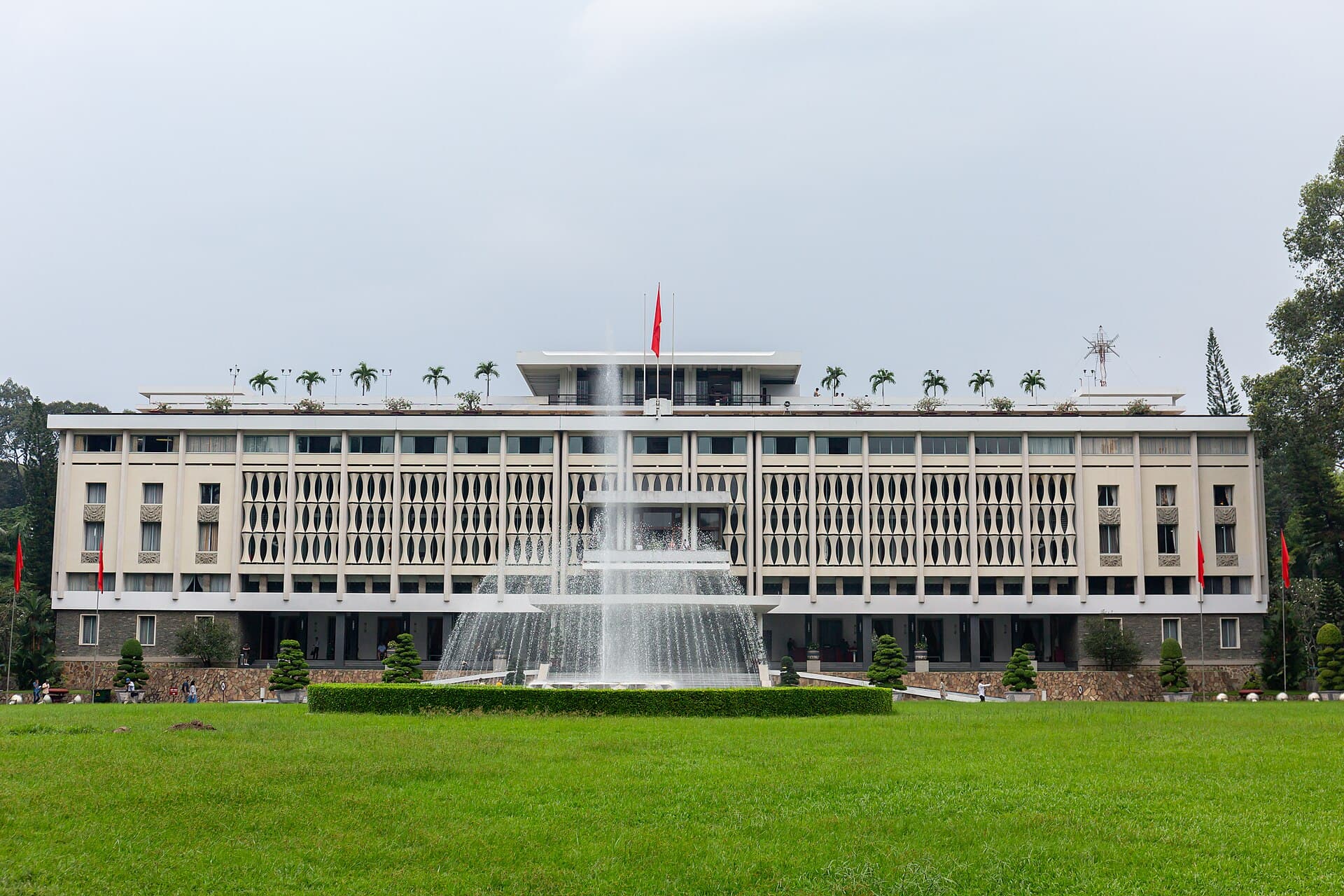 Independence PalaceThe former presidential palace of South Vietnam, designed by the architect Ngo V6 minutes walk4.6
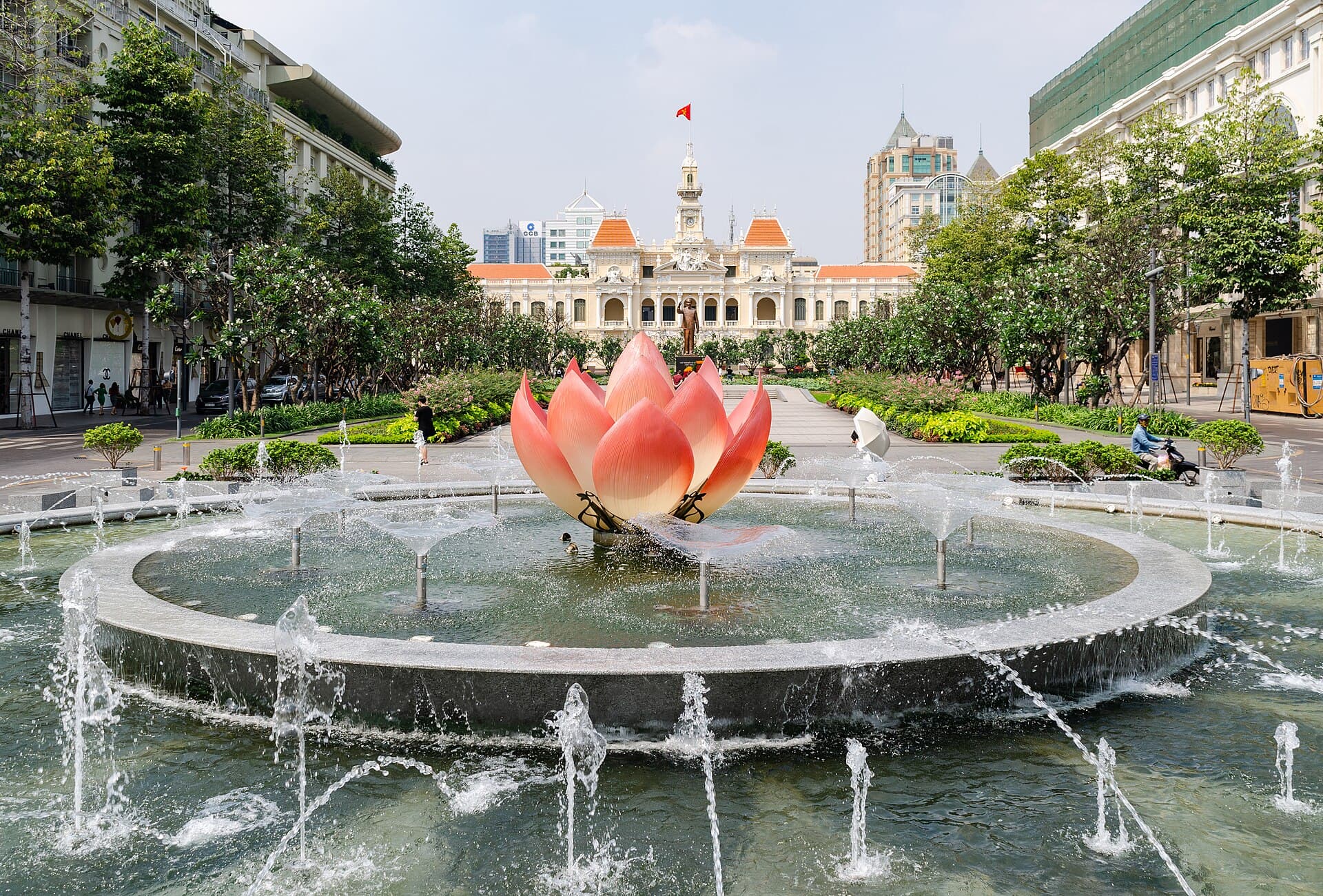 Nguyen Hue Walking StreetA broad pedestrian boulevard running from the riverfront to the yellow-and-white6 minutes walk4.8
It was built in 1890 as a museum of commerce, became the residence of the French governors of Cochinchina, was home to President Ngo Dinh Diem in the early 1960s, and is now the city museum.