
Batavia's city hall
Eighteenth century.
The old city hall of Dutch Batavia, built in the early eighteenth century on Fatahillah Square at the heart of the old town, now a museum of Jakarta's history. With its white facade and small bell tower, it is the old town's best-known symbol. The museum traces the city from prehistory and the Tarumanagara kingdom, through the Islamic sultanate of Jayakarta and Prince Fatahillah, after whom the square is named, to the Dutch period with its heavy furniture and paintings. What most grips visitors are the low dungeons beneath the building, where resistance heroes were held, among them Prince Diponegoro for a time. Tickets are a token fee for locals and a little more for foreigners. The square in front is full of life: colourful Dutch bicycles for hire, artists and vendors. Combine it with the nearby Wayang Museum and Bank Indonesia Museum on an old-town tour, and come in the morning before the heat and crowds.
Eighteenth century.
Beneath the building.
Bikes and artists.
Fatahillah Square, Old Town, north Jakarta
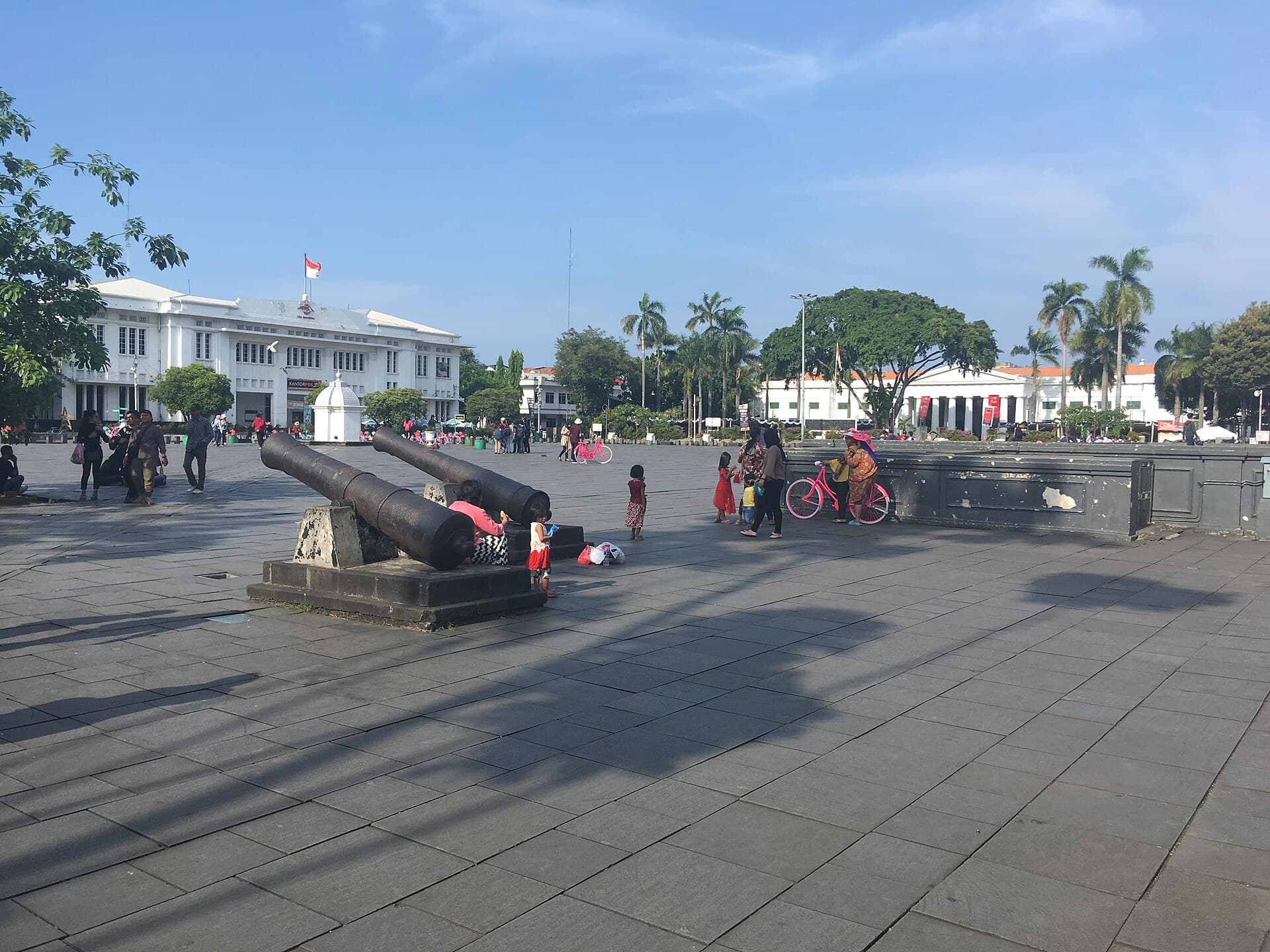 Kota Tua, Jakarta Old TownJakarta's historic heart, the town called Batavia when the Dutch East India Comp1 minute walk
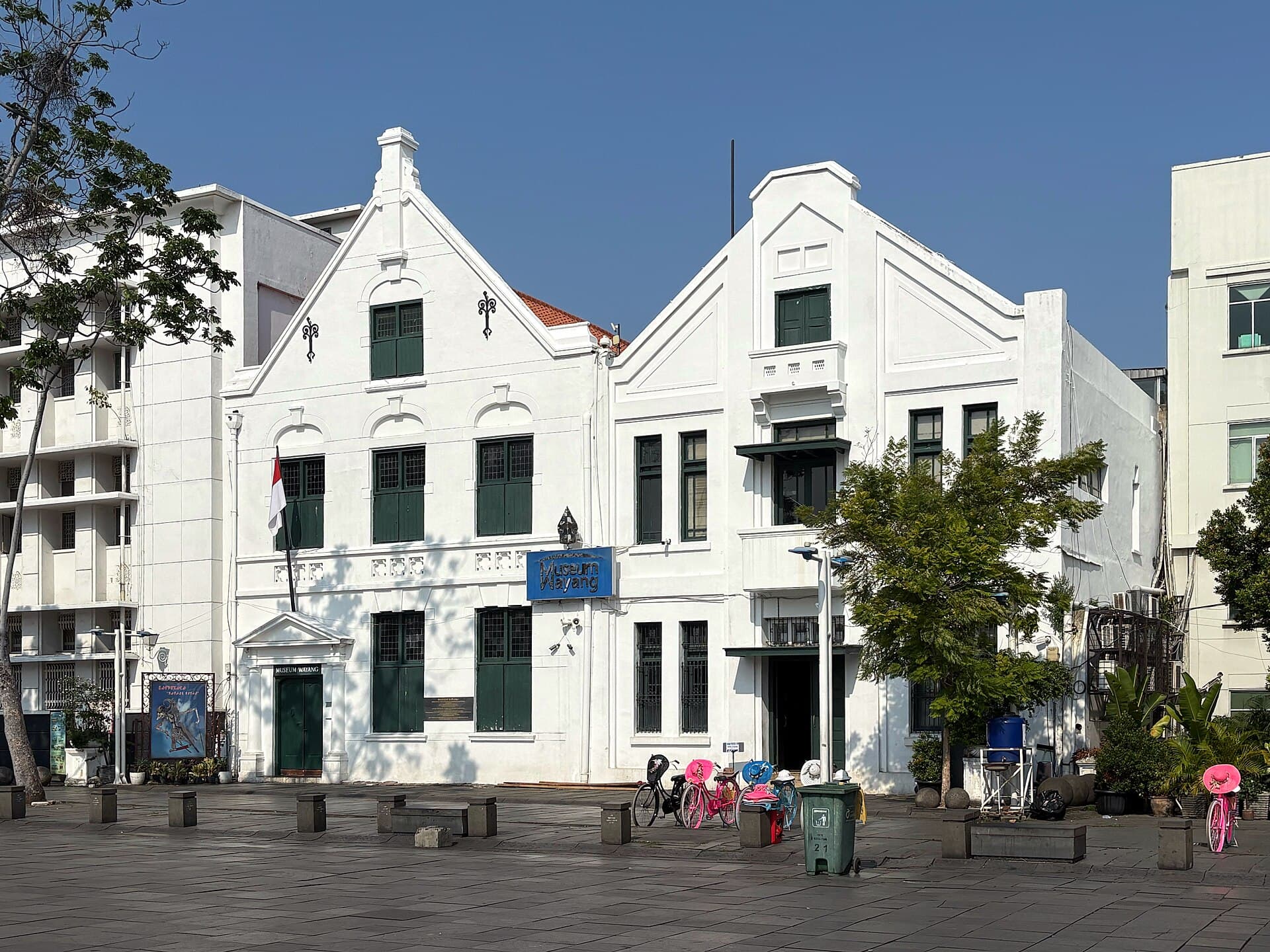 Wayang Museum (Puppet Museum)A museum devoted to wayang, Java's traditional puppet theatre, listed by UNESCO 1 minute walk
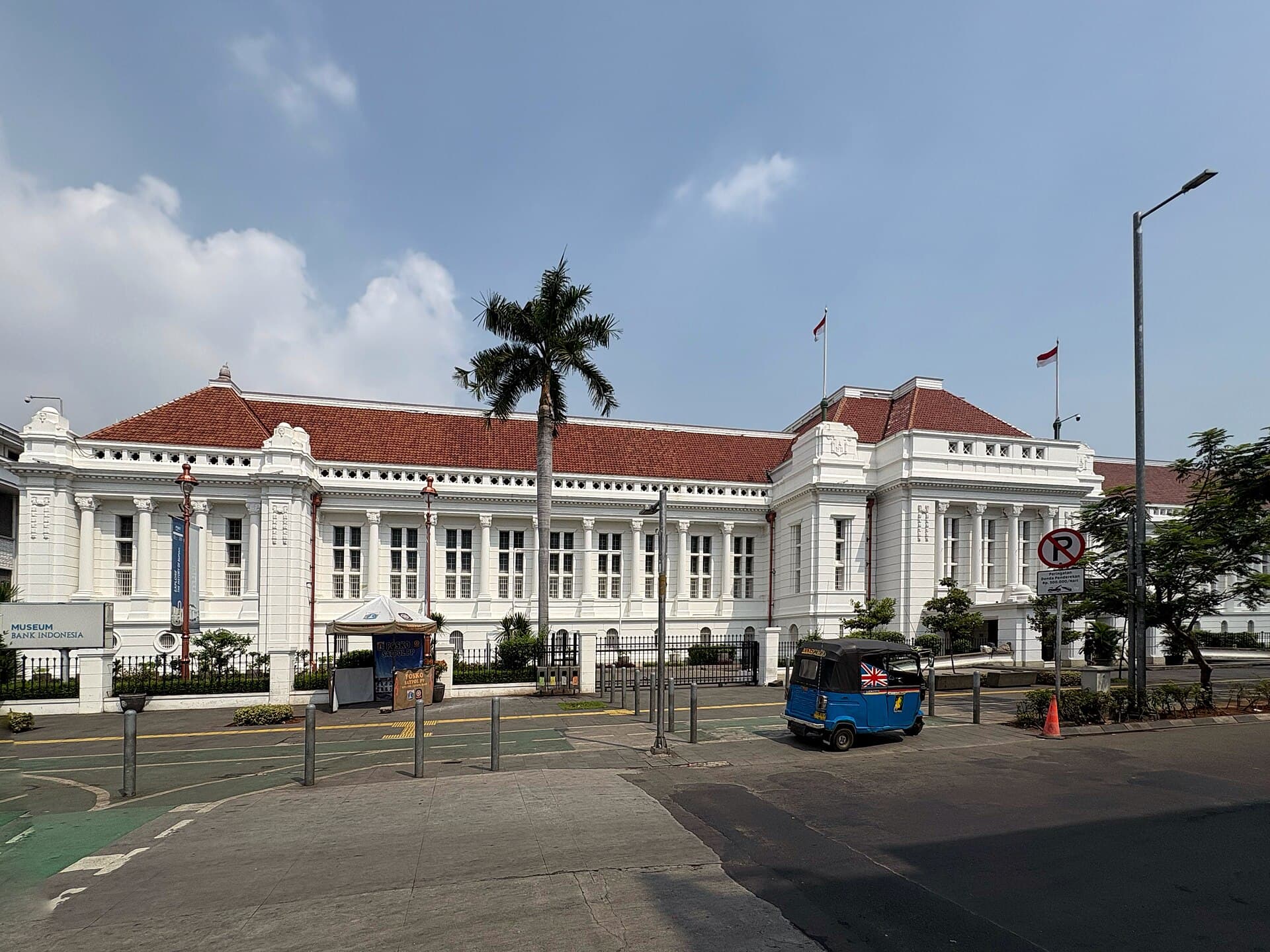 Bank Indonesia MuseumA museum in the old Dutch bank building in the old town, with a grand classical 3 minutes walk
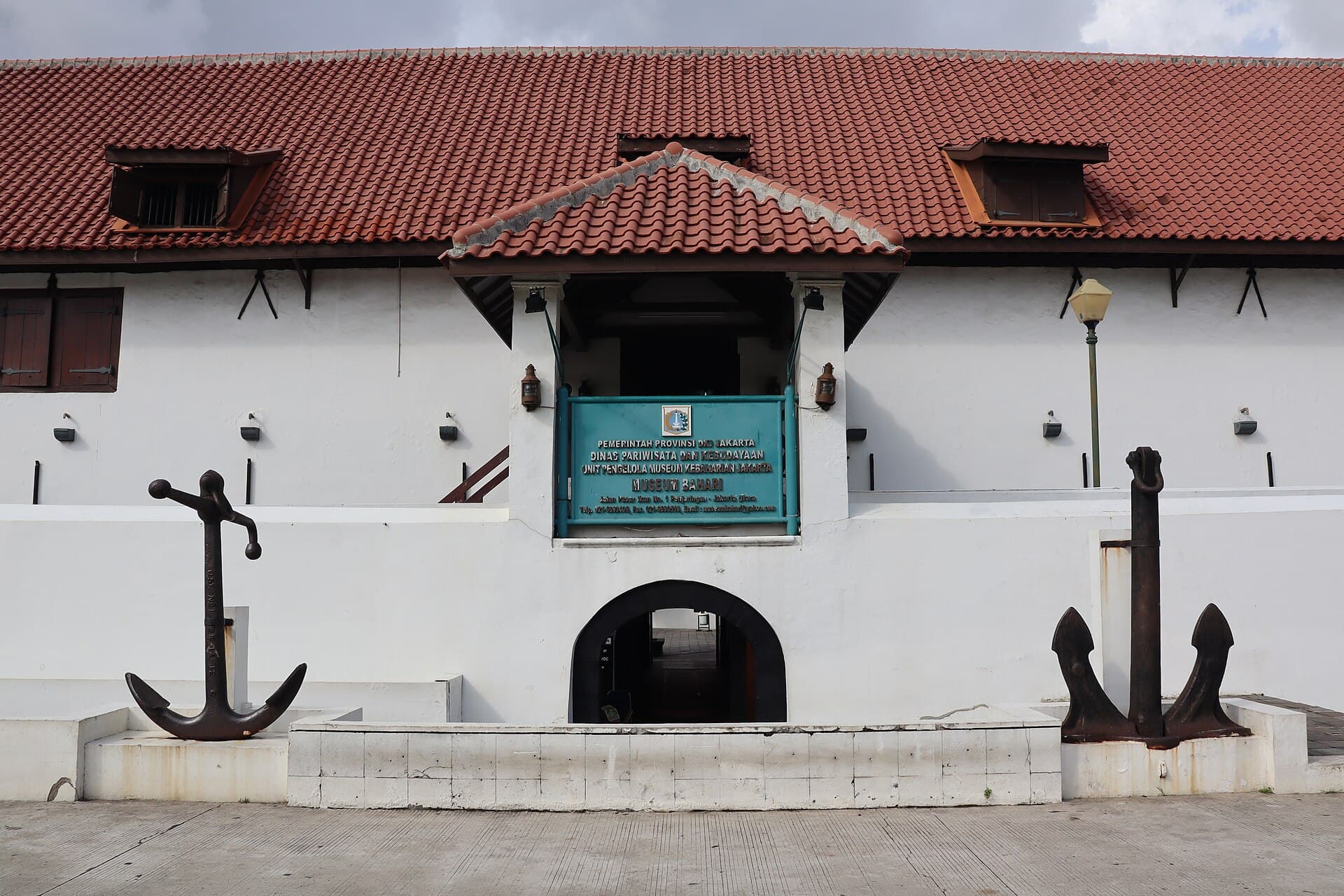 Jakarta Maritime Museum (Museum Bahari)A museum in the old Dutch East India Company warehouses near Sunda Kelapa harbou14 minutes walk
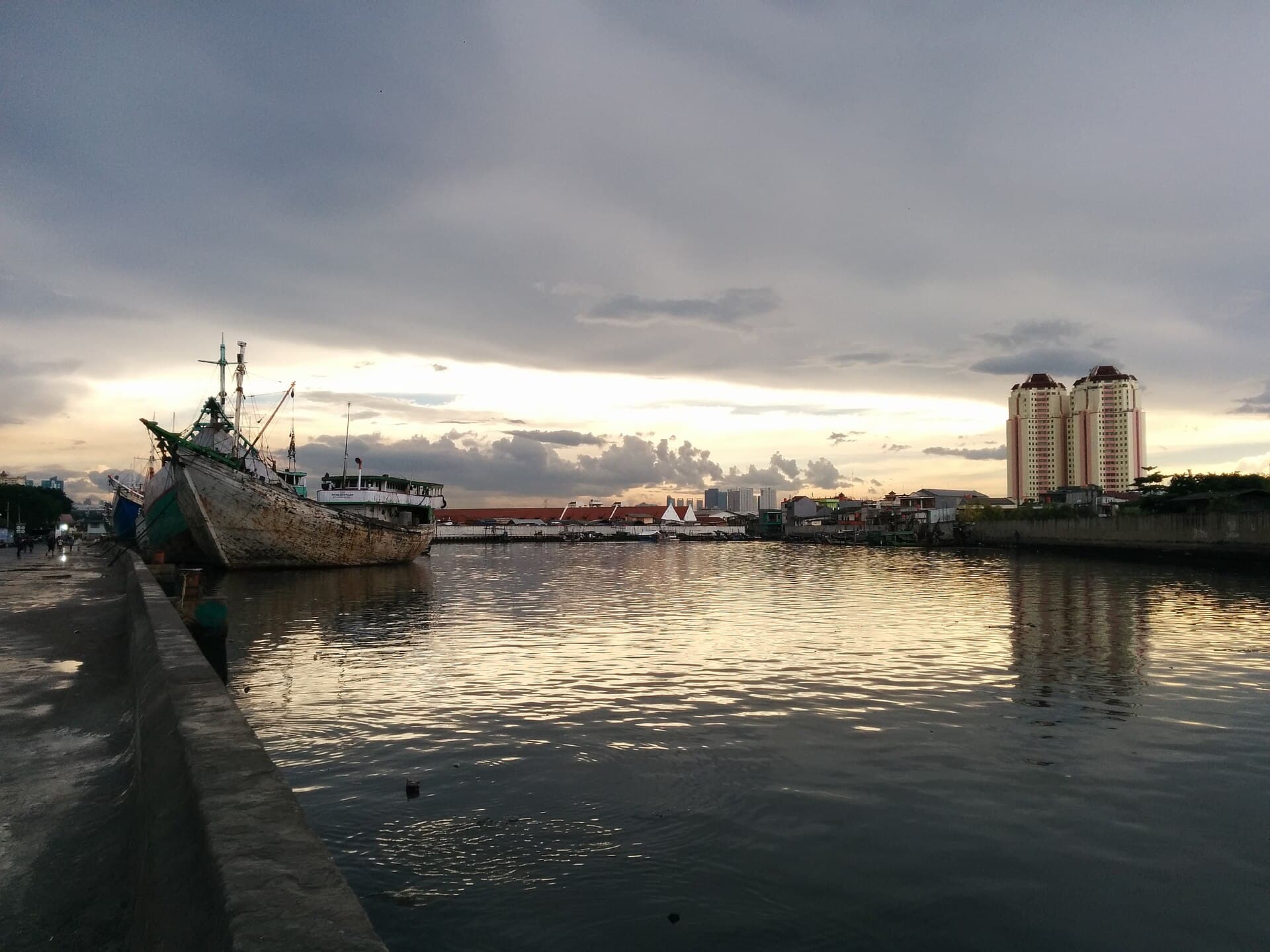 Sunda Kelapa Old HarbourThe port from which Jakarta was born, at the mouth of the Ciliwung River, the ma22 minutes walk
A Muslim commander of the Demak sultanate who drove the Portuguese from Sunda Kelapa harbour in 1527 and named it Jayakarta, complete victory, the origin of Jakarta's name.